
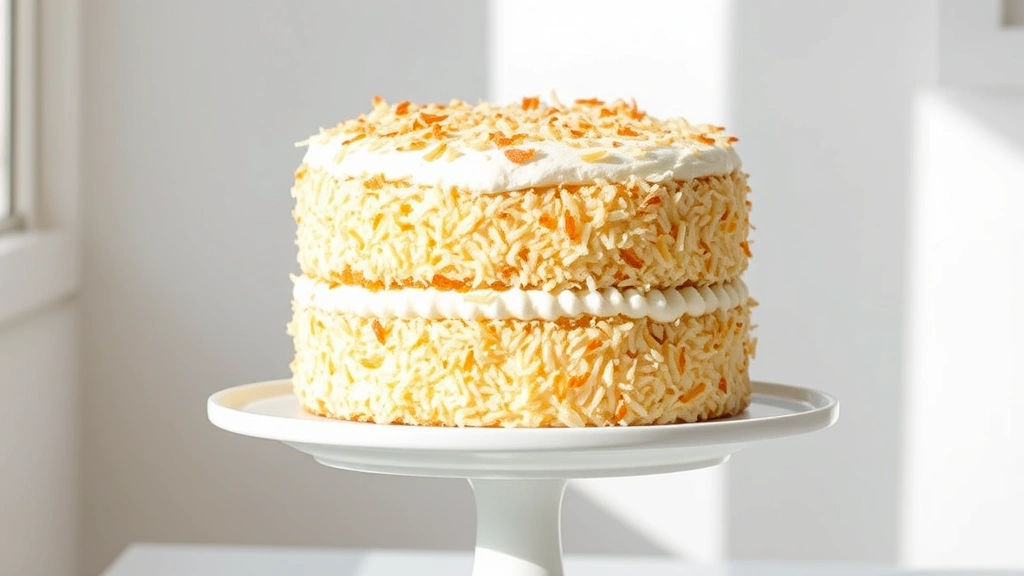
There’s something absolutely magical about a homemade coconut cake—it’s the kind of dessert that makes people think you spent all day in the kitchen, when really, you can have this beauty ready in just a couple of hours. This easy coconut cake recipe is my go-to for special occasions, potlucks, and honestly, just because it’s a Tuesday and I’m craving something delicious.
The secret to an incredible coconut cake isn’t complicated at all. It’s all about using quality ingredients, not skipping steps, and giving yourself grace in the process. I’ve made this recipe probably fifty times now, and each time it turns out perfectly moist, perfectly flavored, and absolutely stunning on the dessert table.
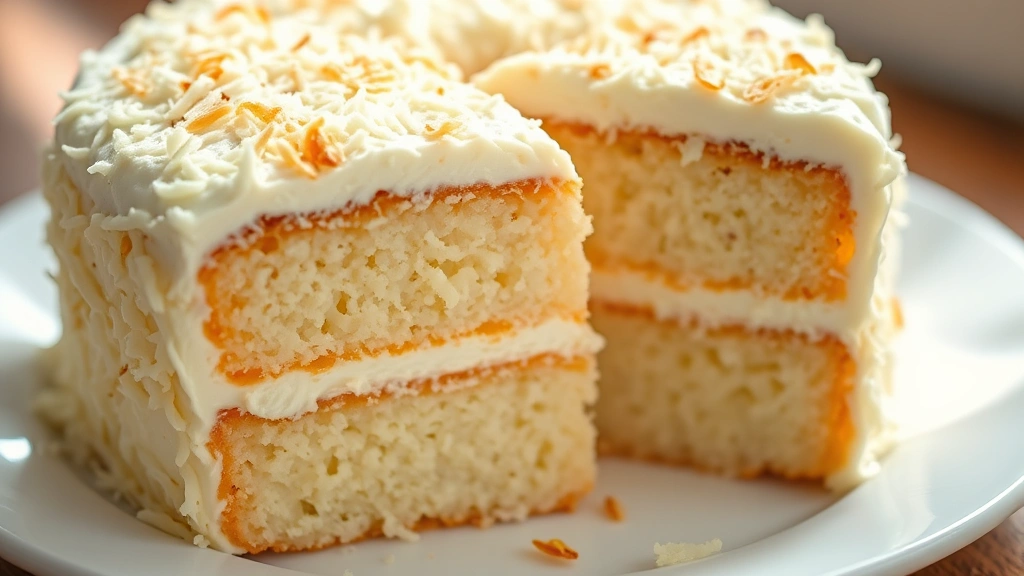
What I love most about this recipe is that it’s beginner-friendly but elegant enough to impress even your most discerning guests. The combination of fresh coconut milk, shredded coconut, and a simple vanilla frosting creates layers of coconut flavor that are subtle but unmistakable. Unlike some dense, dry coconut cakes I’ve encountered, this one is incredibly tender and stays moist for days.
The cake itself is a straightforward vanilla-based cake infused with coconut milk and topped with a fluffy, pillowy frosting that’s studded with toasted coconut flakes. I always recommend toasting your own coconut rather than buying pre-toasted—the flavor is so much more vibrant and fresh. The toasted coconut also gives you that beautiful golden color that makes the cake look absolutely professional.
Whether you’re celebrating a milestone, hosting a dinner party, or simply treating yourself, this easy recipe approach ensures success every single time. I’ve included tips throughout to help you troubleshoot any issues and elevate your baking game. So grab your mixing bowls, preheat that oven, and let’s make something absolutely delicious together!
If you love coconut, you’ll also adore trying a complementary dessert pairing alongside this cake. And for those who want to explore more baking adventures, check out our collection of crowd-pleasing recipes that work beautifully with coconut flavors.
For more inspiration on cake decorating techniques, Bon Appétit has wonderful coconut cake variations to explore. You might also want to check out Serious Eats’ baking guide for professional tips and The New York Times cooking section for additional cake inspiration.
Ingredients
- 2 cups all-purpose flour
- 2 teaspoons baking powder
- 1/2 teaspoon salt
- 1/2 cup unsalted butter, softened to room temperature
- 1 1/2 cups granulated sugar
- 3 large eggs, room temperature
- 1 cup full-fat coconut milk (canned is fine)
- 1/2 cup sweetened shredded coconut
- 2 teaspoons vanilla extract
- 1/2 teaspoon coconut extract (optional but recommended)
- 1 cup unsweetened shredded coconut for toasting
- 1 cup unsalted butter, softened for frosting
- 4 cups powdered sugar, sifted
- 3-4 tablespoons heavy cream or milk
- 1 teaspoon vanilla extract for frosting
- 1/2 teaspoon coconut extract for frosting
- Pinch of salt for frosting
Instructions
- Preheat your oven to 350°F (175°C). Grease and flour two 9-inch round cake pans, or line the bottoms with parchment paper for extra insurance. Set aside.
- In a medium mixing bowl, whisk together the all-purpose flour, baking powder, and salt. Set this dry mixture aside—this is your foundation for a perfectly textured cake.
- In a large mixing bowl, beat the softened butter and granulated sugar together on medium-high speed for 3-4 minutes until the mixture is light, fluffy, and pale in color. This creaming process is crucial for a tender crumb.
- Add the eggs one at a time to the butter mixture, beating well after each addition and scraping down the sides of the bowl with a spatula. Make sure each egg is fully incorporated before adding the next.
- Pour in the coconut milk and beat until just combined. The mixture might look slightly curdled at this point—don’t worry, this is completely normal and will come together once you add the dry ingredients.
- Add the vanilla extract and coconut extract (if using) to the wet mixture and stir gently to combine.
- Gently fold the dry ingredients into the wet ingredients using a spatula or wooden spoon, stirring just until combined. Be careful not to overmix, as this can lead to a dense, tough cake. A few small lumps are perfectly fine.
- Fold in the 1/2 cup of sweetened shredded coconut, distributing it evenly throughout the batter.
- Divide the batter evenly between your prepared cake pans, smoothing the tops with a spatula for even baking.
- Place the pans in the preheated oven and bake for 30-35 minutes, until a toothpick inserted into the center comes out clean or with just a few moist crumbs attached. The tops should be golden brown.
- Remove the cakes from the oven and let them cool in the pans for 10 minutes. Then turn them out onto wire racks to cool completely. This usually takes about 1 hour.
- While the cakes are cooling, prepare the frosting. In a large mixing bowl, beat the softened butter on medium speed for 2-3 minutes until it’s creamy and pale.
- Gradually add the sifted powdered sugar, 1 cup at a time, beating on low speed after each addition to avoid a powdered sugar explosion. This patience pays off.
- Once all the powdered sugar has been added, increase the speed to medium and beat for another 2 minutes until the frosting is light and fluffy.
- Add the heavy cream, vanilla extract, coconut extract, and salt to the frosting. Beat on medium speed until you reach the desired consistency—you want it thick enough to hold its shape but spreadable.
- If the frosting seems too thick, add cream one tablespoon at a time. If it’s too thin, add a bit more powdered sugar.
- Spread a thin layer of frosting on the first cake layer, then place the second layer on top.
- Frost the top and sides of the entire cake with the remaining frosting, creating whatever design appeals to you—smooth, rustic, or decoratively swirled.
- Toast the 1 cup of unsweetened shredded coconut in a dry skillet over medium heat, stirring frequently for 5-7 minutes until it’s golden brown and fragrant. Watch it carefully as it can burn quickly.
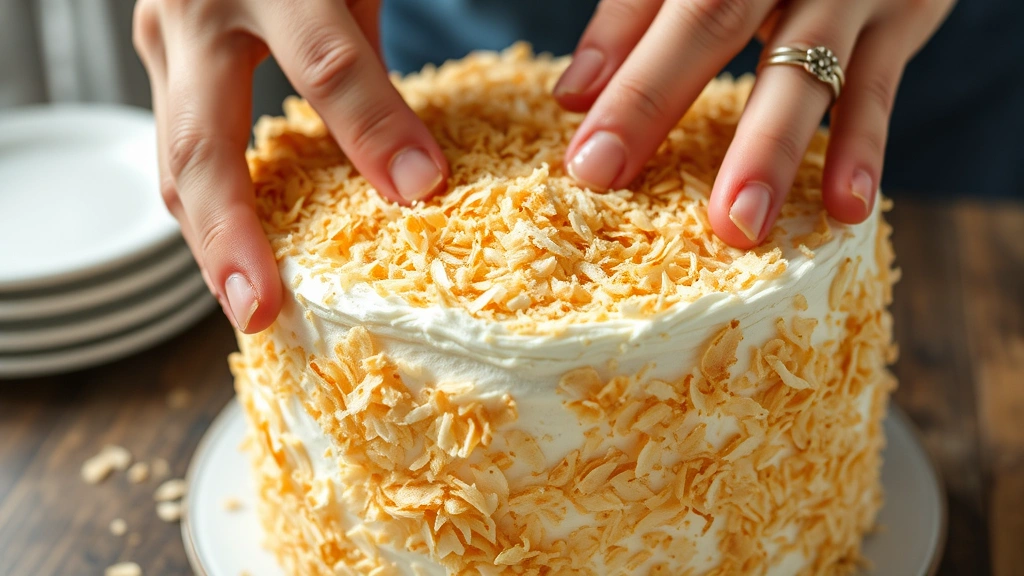
- Press the toasted coconut onto the sides and top of the frosted cake, creating a beautiful, textured finish that looks absolutely professional.
- Let the finished cake sit at room temperature for 15-20 minutes before serving, which allows the frosting to set slightly and makes for cleaner slices.
- Store any leftovers in an airtight container at room temperature for up to 2 days, or refrigerate for up to 4 days. The cake actually tastes even better the next day as the flavors have time to meld together.
Pro Tips
Coconut Milk Selection: Use full-fat canned coconut milk for the richest flavor. Lite versions won’t give you the same depth of coconut taste. Give the can a good shake before opening to distribute the cream and liquid evenly.
Toasting Your Own Coconut: Pre-toasted coconut from the store can sometimes taste a bit stale. Toasting your own shredded coconut takes just 5-7 minutes and makes an enormous difference in the final flavor. Plus, you can control exactly how golden and fragrant it becomes.
Cream Cheese Alternative: If you prefer a tangier frosting, you can replace 4 ounces of the butter with softened cream cheese. This creates a more sophisticated flavor profile and a slightly less sweet frosting.
Cake Layers: You can also make this as a single-layer cake in a 9×13 inch pan. Just increase the baking time to 40-45 minutes. However, the two-layer presentation is more elegant and dramatic.
Making Ahead: You can bake the cake layers up to 2 days in advance and store them wrapped in plastic wrap at room temperature. Make the frosting the day you plan to serve the cake for the best texture and appearance.
Transporting: If you need to transport this cake, let the frosting set completely, then place it in a cake carrier or box. The coconut exterior actually helps protect the frosting from getting smudged.
Frosting Consistency: If your kitchen is particularly warm, your frosting might be softer than desired. Pop it in the refrigerator for 10-15 minutes and it will firm right up.
Flavor Intensity: If you love intense coconut flavor, you can add an extra 1/4 teaspoon of coconut extract to both the cake batter and the frosting. Taste as you go since extract can be overpowering if you’re not careful.
Vegan Adaptation: For a vegan version, substitute the eggs with a flax egg (1 tablespoon ground flaxseed mixed with 3 tablespoons water per egg), use vegan butter, and use your favorite non-dairy milk instead of heavy cream in the frosting.