

This easy focaccia bread recipe is honestly one of my favorite things to make in the kitchen—it’s impressive enough to serve at dinner parties, yet simple enough that even beginner bakers can nail it on the first try. The magic happens when you combine just a handful of basic pantry ingredients with a little patience and some quality olive oil to create this pillowy, dimpled Italian masterpiece.
I grew up watching my neighbor Maria make focaccia every Sunday, and I was convinced it required some secret technique or fancy equipment. Turns out, it’s wonderfully forgiving! The dough comes together in minutes, requires minimal kneading, and the long rise actually works in your favor—giving you flexibility to fit this into your weekend schedule.
Jump To Section
Why This Recipe Works
What makes an easy focaccia bread recipe truly easy is understanding that this dough loves time more than effort. Unlike crusty French breads that demand vigorous kneading and precise temperatures, focaccia thrives on a slow, gentle rise that develops flavor naturally.
The high hydration dough—meaning there’s plenty of water relative to flour—creates those signature airy pockets without requiring advanced shaping skills. Additionally, the generous amount of olive oil keeps everything tender and prevents the crust from becoming tough. Meanwhile, the simple toppings let the bread itself shine, which is exactly how it should be.
This recipe uses a proven focaccia technique that home cooks have loved for decades. The two-rise method ensures proper fermentation while keeping your hands-on time under thirty minutes total.
Ingredient Tips & Substitutions
All-purpose flour works beautifully here, though bread flour will give you slightly more chew if you prefer it. The good news? You don’t need anything fancy.
For the olive oil, use something you actually enjoy eating—extra virgin is ideal for the topping since you’ll taste it directly. However, regular olive oil works fine for mixing into the dough itself. Sea salt makes a noticeable difference in the finishing, so grab the flaky kind if you can.
Fresh rosemary is classic and wonderful, but here’s where you can get creative: try thyme, oregano, or even just coarse salt alone. Some people love adding thinly sliced onions or roasted garlic. I’ve even made a version with everything bagel seasoning that my kids devour. The beauty of this easy focaccia bread recipe is its flexibility.
For instance, if you’re sensitive to gluten, several readers have reported success with high-quality gluten-free bread flour blends, though you may need to add slightly more water to account for absorption differences.
Serving Suggestions
Warm focaccia straight from the oven is absolutely divine—the crust crackles slightly while the interior is still steaming. Serve it alongside soup like homemade butternut squash soup, or pair it with a simple salad for a complete meal.
One of my favorite ways to use leftover focaccia? Slice it horizontally and fill it with prosciutto, fresh mozzarella, and arugula for an exceptional sandwich. You can also make it the base for beautiful panini sandwiches that beat any bakery version.
For entertaining, focaccia is pure gold—it looks rustic and elegant simultaneously, and guests always ask for the recipe. Cut it into small squares for an appetizer, or serve larger pieces as part of an Italian-inspired spread with fresh salads and antipasto.
The beauty here is that focaccia bridges casual and fancy effortlessly. It’s equally at home at a weeknight dinner or a special gathering.
Storage & Reheating
Focaccia keeps beautifully for three to four days wrapped tightly in foil at room temperature, or you can freeze it for up to three months. Just slice it first before freezing, so you can grab individual pieces as needed.
To revive day-old focaccia, wrap it loosely in foil and warm it in a 350°F oven for about eight minutes. The moisture returns, and it tastes nearly fresh-baked again. Alternatively, you can split it and toast the cut sides for a crispy texture that works wonderfully for sandwiches.
Pro tip: If you’ve stored it in the fridge (which actually extends its life), bring it to room temperature before reheating, or it takes longer to warm through. Additionally, I sometimes brush the wrapped focaccia with a tiny bit of water before reheating to ensure it doesn’t dry out.
Final Tips for Success
The most common mistake people make? Overworking the dough. This isn’t bread that needs aggressive kneading—it actually prefers gentleness. The gluten develops beautifully through time, not through elbow grease.
Water temperature matters more than you’d think. Cold water will slow fermentation, while very hot water can kill the yeast. Aim for lukewarm—about 110°F if you have a thermometer, or roughly the temperature of a warm bath if you don’t.
Finally, resist the urge to skip the second rise. Yes, your easy focaccia bread recipe will bake even without it, but those extra thirty to forty minutes create the signature fluffy crumb that makes this bread special. It’s worth the wait.
According to culinary experts, proper fermentation is what separates good focaccia from exceptional focaccia. This recipe honors that principle while keeping things genuinely simple.
Whether you’re serving this alongside creative sandwich ideas or enjoying it on its own, you’ll understand why this bread has been beloved in Italy for centuries. There’s something magical about creating something this delicious from such humble ingredients.
Ingredients
- 3 cups all-purpose flour
- 1½ teaspoons instant yeast
- 1½ teaspoons sea salt
- 1¼ cups warm water (about 110°F)
- ¼ cup extra virgin olive oil, plus more for drizzling
- 2 tablespoons fresh rosemary, finely chopped
- 1 tablespoon coarse sea salt for topping
Instructions
- In a large bowl, whisk together flour, yeast, and salt until well combined. Pour in warm water and olive oil, then stir with a wooden spoon until a shaggy dough forms—it will be quite sticky and that’s exactly what you want.
- Let the dough rest for 10 minutes, then fold it over itself a few times using wet hands (no traditional kneading needed). The dough should become slightly smoother. Cover the bowl with plastic wrap and let it rise at room temperature for 1 hour, or until roughly doubled in size.
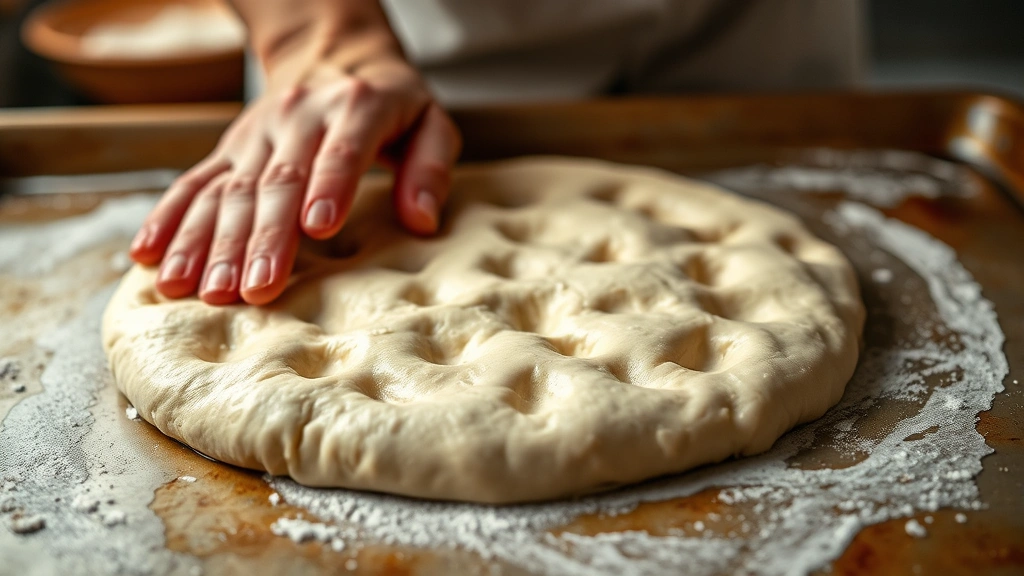
- Pour a generous amount of olive oil onto a 9×13 inch baking pan, tilting to coat the bottom and sides. Transfer the dough to the oiled pan and gently stretch it to fill the space, working from the center outward. If it resists, let it rest for 5 minutes, then continue stretching.
- Using your fingertips, dimple the entire surface of the dough, creating those signature focaccia indentations. This helps the oil settle into the bread and creates texture. Cover loosely with plastic wrap and let rise for 30-40 minutes until puffy.
- Meanwhile, preheat your oven to 425°F. Once the dough has risen, drizzle generously with more olive oil, sprinkle with chopped rosemary and coarse sea salt, ensuring the herbs settle into some of those dimples.
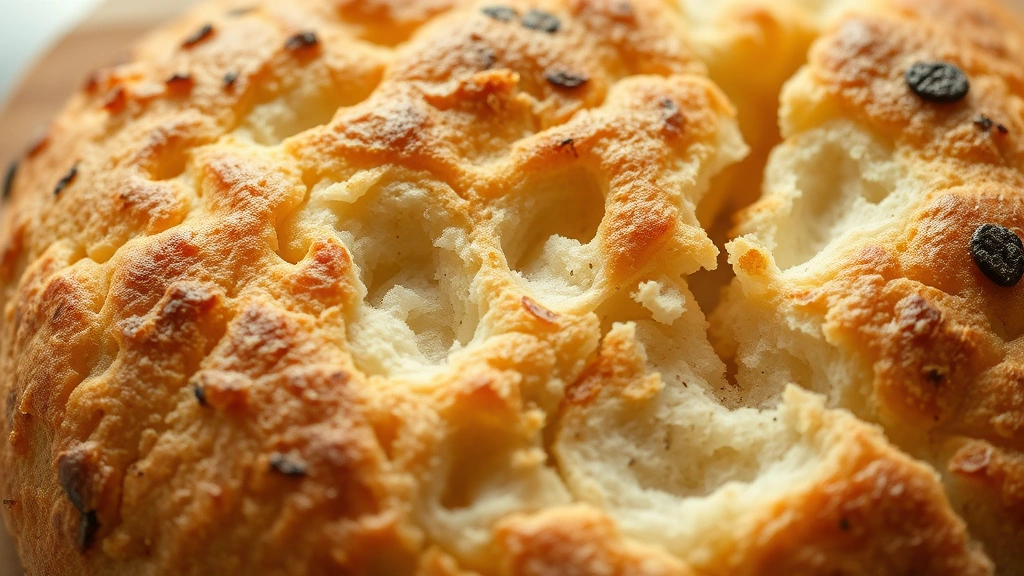
- Bake for 18-22 minutes, until the top is golden brown and the bread sounds hollow when tapped on the bottom. Transfer to a wire rack and let cool for at least 5 minutes before serving, though warm is always better than hot.
Pro Tips
The dough for this easy focaccia bread recipe is naturally very wet, which intimidates some bakers. Don’t worry—this is intentional and creates those lovely air pockets. However, if your kitchen is particularly humid, you might add an extra tablespoon of flour.
Room temperature matters more than you’d expect. If your kitchen is cold (below 65°F), the dough will rise more slowly—simply give it extra time. Meanwhile, in warm kitchens, the first rise might finish in just 45 minutes, so check it periodically rather than setting a strict timer.
For substitutions, try toppings like caramelized onions, sun-dried tomatoes, olives, or even just fleur de sel. Some bakers love mixing grated Parmesan into the dough itself for extra flavor. Additionally, if fresh rosemary isn’t available, dried rosemary works—just use about one-third the amount since it’s more concentrated.
The oil amount might seem generous, but it’s what creates that characteristic tender crumb and beautiful crust. Don’t skimp here. Furthermore, brushing the pan with oil prevents sticking and ensures the bottom gets crispy and golden.
Make-ahead option: Complete the dough through the first rise, then refrigerate overnight in an oiled container. The cold fermentation actually improves flavor. The next day, stretch it into your pan and let it come to room temperature (about 30 minutes), then proceed with the second rise and baking.
Storage-wise, keep cooled focaccia in an airtight container at room temperature for up to four days. For longer storage, wrap it tightly in plastic wrap, then foil, and freeze for up to three months. Toast frozen slices directly in a toaster oven for quick refreshing.