
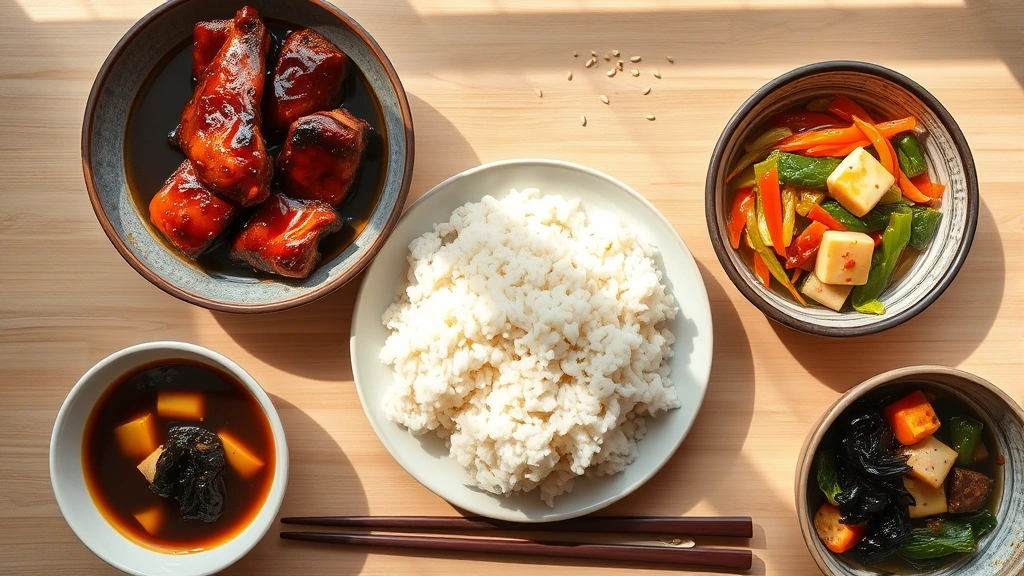
Easy Japanese recipes are some of the most approachable and rewarding dishes you can master in your own kitchen, and I’m thrilled to share why they’ve become my go-to weeknight favorites. There’s something magical about Japanese cuisine—it celebrates simplicity, respects each ingredient’s natural flavor, and doesn’t require complicated techniques or exotic equipment to taste absolutely authentic.
When I first started cooking Japanese food, I was intimidated. I thought I needed special skills or hard-to-find ingredients. But here’s what I discovered: Japanese cooking is actually built on a foundation of simplicity and balance. Whether you’re making a quick stir-fry or a comforting bowl of noodles, the magic happens when you respect the quality of your ingredients and don’t overthink the process.
Jump To Section
Why Japanese Cuisine Is Perfect for Beginners
Japanese recipes emphasize clean flavors and minimal ingredients, which means less time hunting for obscure items and more time actually cooking. The techniques are straightforward—simmering, stir-frying, steaming—nothing that requires years of culinary school. Additionally, Japanese home cooking prioritizes balance between textures, temperatures, and flavors rather than complicated presentations.
What I love most is how forgiving these dishes are. If you don’t have one exact ingredient, Japanese cooking teaches you to adapt gracefully. The philosophy of “shokunin” (craftsmanship) in Japanese cooking focuses on doing simple things exceptionally well, which is perfect for anyone building confidence in the kitchen.
The beauty of easy Japanese recipes lies in their nutritional philosophy too. These dishes tend to be lighter, packed with vegetables, and focused on whole ingredients like fish, soy, and fresh vegetables. You’ll feel good eating them, and your family will actually ask for seconds.
Essential Pantry Staples for Japanese Cooking
Before diving into specific recipes, let’s talk about the foundation. You really only need five or six core ingredients to unlock dozens of authentic Japanese dishes: soy sauce (shoyu), mirin (sweet rice wine), sake (rice wine), miso paste, rice vinegar, and dashi (fish stock). These aren’t expensive, and they last for months in your pantry.
Soy sauce is your best friend—it’s the salt and umami bomb that makes everything taste more flavorful. Mirin adds subtle sweetness without being cloying, while sake rounds out flavors and adds depth. Meanwhile, miso paste is where the real umami magic happens; just a spoonful transforms soups and marinades into something restaurant-worthy.
Once you have these basics, you’re already prepared to make tons of dishes. The rest is just fresh vegetables, proteins, and rice. Honestly, keeping these staples stocked is cheaper than ordering takeout once or twice.
10 Best Easy Japanese Recipes for Beginners
Let me walk you through the dishes that will genuinely change how you cook. These aren’t intimidating—they’re the recipes Japanese home cooks make on busy weeknights.
1. Gyoza (Japanese Dumplings) might seem complicated, but they’re actually meditative to make. The filling is just ground pork, cabbage, garlic, and soy sauce. You pan-fry them until golden, then add a splash of water to steam them. Serve with a simple soy-vinegar dipping sauce, and you’ve got restaurant-quality appetizers.
2. Teriyaki Chicken is a five-minute weeknight miracle. Chicken thighs (they’re more forgiving than breasts) get seared, then glazed with a sauce made from soy, mirin, and sake. The glaze caramelizes into something glossy and absolutely crave-worthy. Serve it over rice with steamed broccoli, and dinner is done.
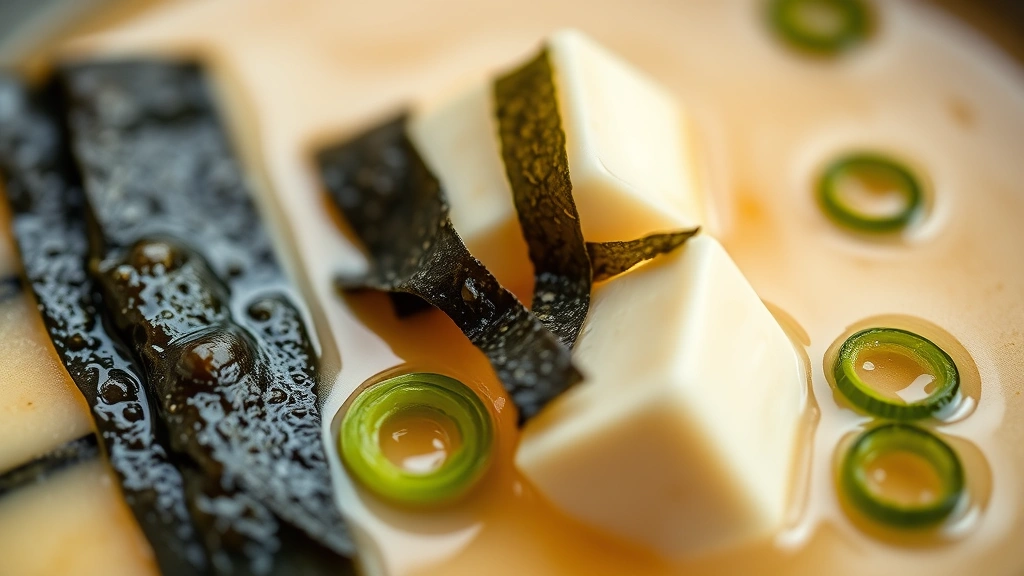
3. Miso Soup is comfort in a bowl and takes literally ten minutes. You’ll heat dashi, add a spoonful of miso paste, then top with tofu and seaweed. The key is never boiling the miso (it kills the beneficial probiotics and flavor), so just stir it in off heat. This is the dish that taught me less is more.
4. Yakitori (Grilled Chicken Skewers) are perfect for beginners because there’s no wrong way to do them. You thread chicken pieces on skewers, brush them with teriyaki sauce, and grill or broil until charred. The caramelization is what makes them special—don’t skip that step.
5. Okonomiyaki (Savory Pancakes) sounds fancy but is honestly just a vegetable-loaded batter cooked on a griddle. It’s cabbage, eggs, flour, and dashi mixed together, then topped with okonomiyaki sauce (similar to Worcestershire), mayo, seaweed, and bonito flakes. The flakes actually wave from the heat—it’s almost as fun to eat as it is to make.
6. Donburi Bowls are your secret weapon for meal prep. Start with rice, add protein (whether it’s chicken, beef, or seafood), top with quick-cooked vegetables and an egg, then drizzle with a savory sauce. You can have dinner on the table in twenty minutes, and it looks like you spent hours in the kitchen.
7. Edamame isn’t really a recipe—just boiled soybeans with sea salt—but it’s the gateway drug to Japanese appetizers. Serve them alongside literally any meal for a protein-packed snack.
8. Sukiyaki (Hot Pot) is perfect for groups and incredibly interactive. You heat broth at the table, then everyone cooks their own vegetables, noodles, and meat right in front of them. It’s more experience than recipe, and it brings people together.
For noodle dishes, shirataki noodles recipes offer a lighter alternative that cooks in minutes. These delicate noodles are perfect in broths or stir-fries.
9. Agedashi Tofu is where vegetarians and tofu skeptics meet. Silky tofu gets lightly battered, fried until crispy, then served in a warm broth with scallions. The contrast of textures is addictive.
10. Katsudon (Breaded Pork Cutlet Rice Bowl) is comfort food elevated. A thin pork cutlet gets breaded and fried (or pan-fried if you want less oil), then served over rice with a glossy egg sauce. It’s crispy, satisfying, and surprisingly simple.
Smart Ingredient Substitutions & Tips
Don’t have sake? Use dry sherry or even white wine—the flavor profile is similar enough. Can’t find mirin? Mix sugar with rice vinegar in a pinch. This is how Japanese home cooks actually cook; they work with what they have.
For dashi, if you can’t find bonito flakes and kombu seaweed, use chicken or vegetable broth. It won’t be identical, but it’ll still taste delicious. The goal is honoring the spirit of the dish, not achieving laboratory precision.
Additionally, buy the best quality soy sauce you can afford—it’s the backbone of so many dishes. Look for “shoyu” labeled as naturally fermented. Similarly, lettuce wraps recipes teach you how fresh vegetables can be the star of a meal, a principle that applies beautifully across Japanese cooking.
Invest in a good rice cooker. Seriously. Japanese cooking is built around perfect rice, and a rice cooker makes this foolproof. You’ll use it multiple times per week.
Serving Suggestions & Meal Planning
Japanese meals follow a beautiful pattern: rice as the base, a protein, soup, and pickled vegetables. You don’t need elaborate side dishes—simplicity is the philosophy. One grilled fish, miso soup, rice, and pickled daikon is a complete, satisfying meal.
For weeknight dinners, I build bowls. Whatever protein I’ve made becomes the star of a donburi. Leftovers transform beautifully this way. Grilled chicken becomes chicken donburi. Stir-fried vegetables join rice and an egg.
Think about pairing lighter broths like miso soup with heartier mains like teriyaki or katsudon. Meanwhile, easy salad recipes provide freshness alongside richer Japanese dishes. The balance is what makes Japanese meals feel complete.
For entertaining, sukiyaki and okonomiyaki are interactive and impressive. Guests feel involved in the cooking process, which always makes food taste better.
Storage, Reheating & Make-Ahead Tips
Most Japanese dishes reheat beautifully. Donburi components can be made ahead and assembled fresh. Teriyaki chicken stays moist when refrigerated and reheats quickly in a pan. Gyoza are actually better the next day when the flavors meld together.
Store miso soup components separately—keep the broth and dashi in the fridge, then add tofu and seaweed fresh each time. This way, you get that authentic, fresh taste without the effort.
For longer storage, most sauces and broths freeze beautifully. I make double batches of teriyaki sauce and dashi, then freeze in ice cube trays. You’ll have components ready for spontaneous easy Japanese recipes whenever inspiration strikes.
Miso paste lasts months in the refrigerator, and soy sauce is shelf-stable indefinitely. Build your pantry strategically, and you’ll always be three ingredients away from dinner.
The wonderful thing about mastering easy Japanese recipes is that you’re not just learning to cook—you’re learning a philosophy. A philosophy that values quality over quantity, simplicity over complexity, and respect for ingredients over flashy technique. Start with one recipe that appeals to you. Maybe it’s the comfort of miso soup or the satisfaction of teriyaki chicken. Once you make it, you’ll understand why Japanese cooking has captivated people for centuries. And honestly, after your first successful homemade gyoza or donburi bowl, you’ll never look at takeout the same way again. These recipes are your gateway into a world of cooking that’s accessible, delicious, and genuinely joyful.
Ingredients
- 2 cups all-purpose flour
- 1 cup whole wheat flour
- 1 tablespoon sugar
- 2 teaspoons salt
- 1 teaspoon instant yeast
- 1 cup warm water
- 2 tablespoons vegetable oil
- 3 tablespoons soy sauce
- 2 tablespoons mirin (sweet rice wine)
- 1 tablespoon sake (rice wine)
- 1 pound boneless, skinless chicken thighs, cut into bite-sized pieces
- 3 cloves garlic, minced
- 1 tablespoon fresh ginger, minced
- 2 cups chicken broth or dashi
- 1 block (14 oz) firm tofu, cubed
- 4 sheets nori (seaweed), cut into strips
- 3 scallions, sliced
- 1 tablespoon white miso paste
- 4 cups napa cabbage, chopped
- 2 cups diced carrots
- 1 medium onion, sliced thin
- 2 eggs, beaten
- 3 tablespoons panko breadcrumbs
- Rice vinegar for serving
- Sesame seeds for garnish
Instructions
- Start by preparing your teriyaki sauce: whisk together soy sauce, mirin, and sake in a small bowl, then set aside. This simple three-ingredient sauce is the backbone of so many easy Japanese recipes.
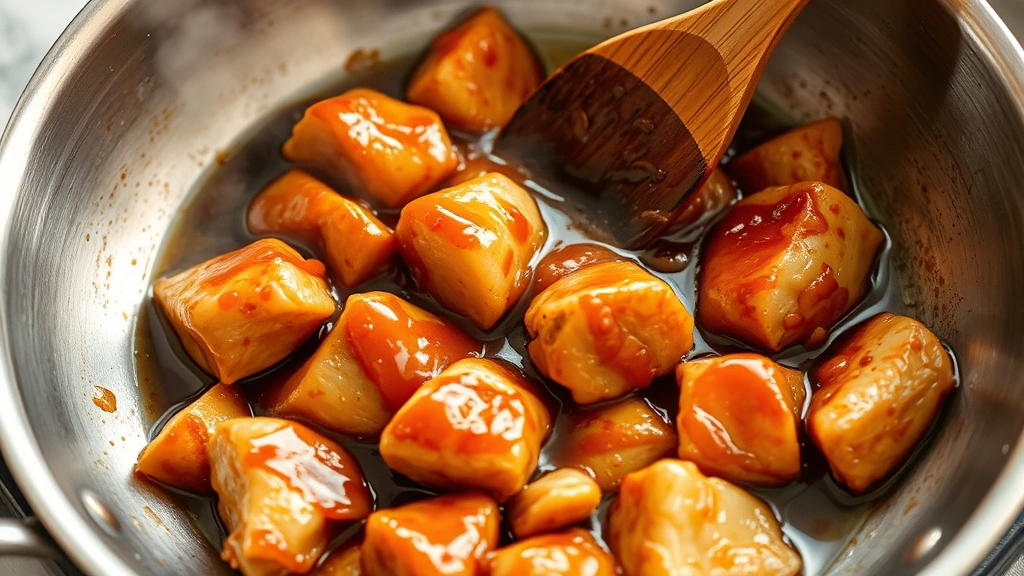
- Heat vegetable oil in a large skillet over medium-high heat. Once hot, add your chicken thigh pieces and cook for 5-7 minutes, stirring occasionally, until golden brown on all sides.
- Add minced garlic and ginger to the chicken, cooking for another minute until fragrant. This builds flavor without any fussy techniques.
- Pour the teriyaki sauce over the chicken and bring to a gentle simmer. Cook for 8-10 minutes, stirring occasionally, until the sauce thickens and coats each piece beautifully.
- While the chicken cooks, prepare your miso soup base: heat the chicken broth in a separate pot over medium heat until it just begins to steam (don’t boil it).
- In a small bowl, dissolve the white miso paste with a few tablespoons of warm broth, then gently stir this mixture into the pot. The key is keeping the temperature low to preserve the miso’s delicate flavors.
- Add your cubed tofu and sliced scallions to the miso soup, then remove from heat and let it rest for 2-3 minutes.
- For the vegetable components, heat a bit of oil in another skillet and quickly stir-fry the napa cabbage, carrots, and onion for 5-7 minutes until tender-crisp. Season with a pinch of salt and a splash of rice vinegar.
- Serve your teriyaki chicken over steamed rice, alongside a bowl of miso soup and the stir-fried vegetables. Garnish everything with sesame seeds and extra scallions for brightness.
- Pass extra rice vinegar and soy sauce at the table for guests to customize their bowls, encouraging the interactive, personalized approach that makes Japanese meals so special.
Pro Tips
These easy Japanese recipes come together beautifully when you focus on ingredient quality over complexity. The teriyaki sauce is genuinely foolproof—the mirin caramelizes and creates this glossy coating that makes even simple chicken taste restaurant-worthy. If your sauce seems too thin, simmer it for an extra 2-3 minutes. If it’s too thick, add a splash of water.
For the miso soup, this is where beginners often make mistakes. Never boil miso—heat destroys its beneficial enzymes and dulls its flavor. Instead, dissolve it in warm broth off the heat. Think of it like tempering chocolate; the technique matters more than the ingredients.
The chicken thighs are essential here. They have more fat than breasts, which keeps them moist even if you slightly overcook them. This makes them forgiving for beginners who are still learning timing.
Additionally, you can prep all your ingredients ahead of time. Chop vegetables, mix your soy-mirin-sake sauce, and measure everything out. This mise en place approach is borrowed from professional kitchens and makes cooking feel less stressful.
For substitutions, any firm white fish works instead of chicken. Salmon is beautiful here too. Meanwhile, if you can’t find mirin, mix equal parts sugar and rice vinegar, though the flavor won’t be identical. However, it’ll still create that glossy, caramelized effect you’re after.
Storage is simple: keep everything in separate containers in your refrigerator for up to three days. The teriyaki chicken actually tastes better the next day as flavors meld. Reheating is just a quick pan-fry or microwave session. The miso soup components separate beautifully—store broth and tofu separately, then combine fresh to preserve texture.
For meal prep, double or triple the teriyaki sauce and store it in a jar. Use it on vegetables, fish, or even rice bowls throughout the week. One batch of sauce unlocks multiple meals, which is the secret to sustainable easy Japanese recipes in your weekly cooking.