
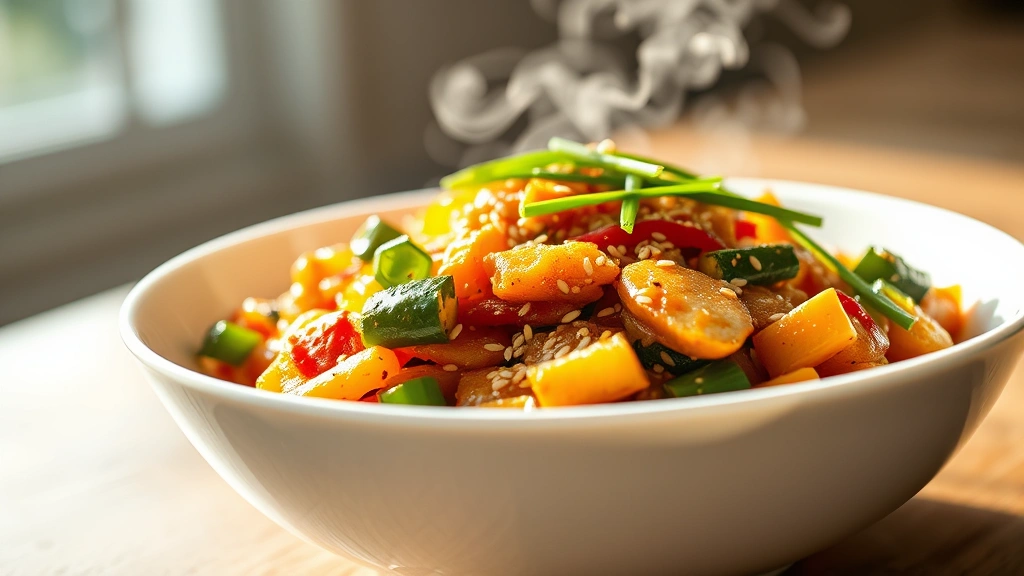
There’s nothing quite like a vibrant, colorful stir fry that comes together in minutes and satisfies every craving on your plate. This Easy Low Carb Vegetarian Stir Fry is exactly that—a restaurant-quality dish you can make right at home without any of the guilt or carb overload. Whether you’re following a ketogenic lifestyle, watching your carbohydrate intake, or simply looking for healthier dinner options, this recipe is an absolute game-changer.
What I absolutely love about stir fries is their incredible versatility and speed. In just 20 minutes, you have a complete meal that’s bursting with fresh vegetables, savory flavors, and satisfying textures. This particular recipe focuses on low-carb vegetables that are nutrient-dense and won’t spike your blood sugar. We’re talking crisp bell peppers, tender broccoli florets, crunchy snap peas, and earthy mushrooms—all tossed together in a delicious sauce that tastes indulgent but is actually quite wholesome.
I’ve been making variations of this dish for years, and I can tell you that the secret to a perfect stir fry lies in three things: proper preparation (mise en place is your friend!), high heat, and quality ingredients. When you have everything prepped and ready to go before you hit that hot pan, the actual cooking process becomes almost meditative. The vegetables maintain their crisp-tender texture, the flavors meld beautifully, and you end up with something that tastes like you spent hours in the kitchen.
The sauce for this stir fry is where the magic happens. We’re using a combination of tamari or low-sodium soy sauce, rice vinegar, sesame oil, and a touch of ginger and garlic. This creates a perfectly balanced sauce that’s umami-rich without being overly salty or heavy. If you’re concerned about sodium intake, tamari is a wonderful alternative to regular soy sauce. You can also find low-carb condiments guides to help you navigate other ingredient swaps.
One of my favorite aspects of this recipe is how easily you can customize it to your preferences and dietary needs. Vegan? Use vegetable broth instead of chicken broth in the sauce. Want to add protein? Tofu, tempeh, or even plant-based proteins work wonderfully. Prefer different vegetables? The beauty of stir fry is that you can use whatever fresh produce you have on hand. The cooking method remains the same, and the results are always delicious.
For those new to low-carb cooking, understanding which vegetables fit into your macronutrient goals is crucial. This recipe focuses on non-starchy vegetables that are high in fiber and nutrients while remaining low in net carbs. I’ve included a detailed breakdown in the notes section so you know exactly what you’re working with. This transparency helps you make informed decisions about your meals and understand your macros better.
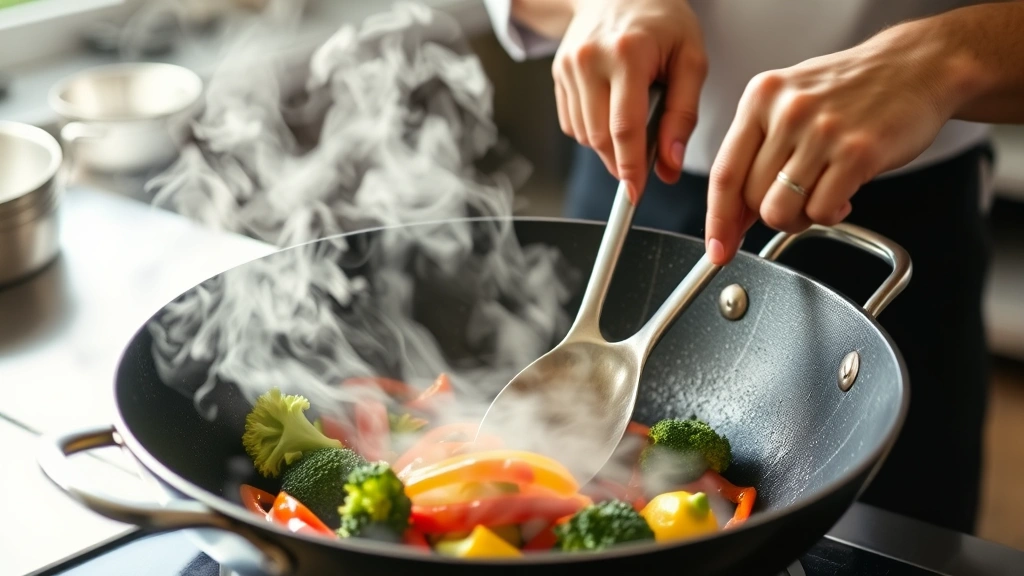
The technique of stir frying is actually quite simple once you understand the fundamentals. High heat, quick cooking, and constant movement keep everything from sticking and ensure even cooking. The key is not to overcrowd your pan—work in batches if necessary. This might seem like it adds time, but it actually ensures better results and prevents your vegetables from steaming instead of searing.
I recommend investing in a good quality wok or large skillet if you plan to make stir fries regularly. Cast iron or stainless steel work beautifully and heat evenly. Non-stick pans can work, but they don’t get as hot as you’d ideally like for proper browning. If you don’t have a wok, a 12-inch skillet is a perfect substitute.
This recipe is also incredibly budget-friendly, especially if you shop seasonally for your vegetables. You can prep everything in advance, which makes it perfect for busy weeknights or meal prep Sunday. Store your prepped vegetables in separate containers in the refrigerator for up to three days, and you have an easy dinner solution waiting for you.
When it comes to serving options, this stir fry is wonderfully adaptable. Serve it over cauliflower rice for an ultra-low-carb option, on a bed of regular brown rice if you’re not strictly low-carb, or simply enjoy it as is in a bowl. For extra satisfaction, top it with sesame seeds, sliced green onions, or a drizzle of sriracha for those who love a little heat. You might also enjoy exploring different stir fry base options to keep your meals interesting.
If you’re looking for inspiration on how to build your low-carb vegetarian meals, Bon Appétit has excellent stir fry resources, and Serious Eats offers comprehensive vegetable cooking guides. These resources have deepened my understanding of vegetable cooking techniques tremendously.
I also want to mention that this recipe scales beautifully. Making dinner for two? Halve the recipe. Feeding a crowd? Double or triple it—just work in batches to maintain that perfect texture. This flexibility makes it a go-to recipe for entertaining as well.
The nutritional benefits of this stir fry are worth highlighting. You’re getting fiber from the vegetables, healthy fats from the sesame oil, and a variety of vitamins and minerals. The low-carb nature means stable blood sugar, which translates to sustained energy throughout your day. It’s the kind of meal that makes you feel good both during and after eating it.
For those interested in expanding their low-carb vegetarian repertoire, The New York Times has wonderful vegetable cooking techniques that will elevate your kitchen skills. Learning these fundamentals will help you create countless variations of this basic recipe.
I truly believe that eating low-carb and vegetarian doesn’t mean sacrificing flavor or satisfaction. This Easy Low Carb Vegetarian Stir Fry is proof of that. It’s a recipe I return to again and again, adapting it seasonally with whatever vegetables look best at the market. I hope you’ll make it a regular part of your meal rotation too. It’s simple, delicious, and exactly what dinner should be on a busy weeknight.
Ingredients
- 3 tablespoons sesame oil or avocado oil
- 1 medium onion, thinly sliced
- 4 cloves garlic, minced
- 1 tablespoon fresh ginger, minced
- 2 cups broccoli florets
- 1 red bell pepper, thinly sliced
- 1 cup snap peas
- 8 ounces mushrooms, sliced
- 1 cup zucchini, cut into matchsticks or half-moons
- 3 tablespoons tamari or low-sodium soy sauce
- 2 tablespoons rice vinegar
- 1 tablespoon sesame oil for sauce
- 1 teaspoon ginger for sauce (or use the fresh ginger already minced)
- 1/2 teaspoon red pepper flakes (optional)
- 2 tablespoons water or vegetable broth
- 1 teaspoon cornstarch or arrowroot powder
- 2 green onions, sliced for garnish
- 2 tablespoons sesame seeds for garnish
- Salt and black pepper to taste
Instructions
- Prepare all your vegetables by washing, peeling, and cutting them into uniform sizes. This ensures even cooking. Slice the onion into thin strips, mince the garlic and ginger, cut the broccoli into small florets, slice the bell pepper into strips, snap the snap peas in half, slice the mushrooms, and cut the zucchini into matchsticks. Set each vegetable in a separate bowl or container—this is called mise en place and is essential for successful stir frying.
- In a small bowl, whisk together the tamari, rice vinegar, 1 tablespoon sesame oil, minced ginger, red pepper flakes if using, water or vegetable broth, and cornstarch. The cornstarch helps thicken the sauce slightly and creates that glossy coating characteristic of restaurant-quality stir fries. Set this sauce mixture aside.
- Heat a large wok or 12-inch skillet over high heat for 2-3 minutes until it’s very hot. You want the pan to be smoking slightly before you add oil—this ensures proper heat for searing the vegetables.
- Add 1 tablespoon of sesame oil to the hot pan, swirling to coat evenly. The oil should shimmer immediately. Add the sliced onion and cook for 2-3 minutes, stirring constantly, until it begins to soften and develop light golden edges. Don’t let it brown too much at this stage.
- Add the minced garlic and minced ginger to the pan, stirring constantly for about 30 seconds to 1 minute until fragrant. Be careful not to let the garlic burn, as it can become bitter. The aroma should be incredibly aromatic at this point.
- Add the broccoli florets and cook for 3-4 minutes, stirring frequently. The broccoli should still have some crunch and shouldn’t be completely tender. You’re aiming for that perfect crisp-tender texture.
- Push the broccoli to the sides of the pan and add another tablespoon of oil to the center. Add the sliced mushrooms and let them cook undisturbed for 1-2 minutes to allow them to develop a slight golden color, then stir and cook for another minute until they release their moisture.
- Add the red bell pepper strips and snap peas to the pan, stirring everything together. Cook for 2-3 minutes, stirring constantly, until the peppers begin to soften slightly but still retain their crunch.
- Add the zucchini matchsticks to the pan and stir everything together. Cook for 1-2 minutes more. At this point, all your vegetables should be in the pan and starting to soften while maintaining their color and texture.
- Pour the sauce mixture you prepared earlier into the center of the pan and immediately begin stirring everything together. The sauce will coat all the vegetables evenly. Continue stirring for 1-2 minutes until the sauce thickens slightly and coats the vegetables beautifully.
- Taste the stir fry and adjust seasonings with salt and black pepper as needed. Remember that tamari and soy sauce are salty, so taste before adding additional salt.
- Transfer the stir fry to a serving platter or individual bowls. Garnish generously with sliced green onions and sesame seeds. Serve immediately while everything is still hot and the vegetables maintain their texture.
- Optional: Serve over cauliflower rice for a keto-friendly option, regular rice for a less restrictive carb count, or enjoy it as a standalone bowl. You can also add a dollop of sriracha or a squeeze of fresh lime juice for additional flavor.

Pro Tips
- **Vegetable Substitutions**: Feel free to swap vegetables based on what you have available or prefer. Other excellent low-carb options include cabbage, bok choy, celery, green beans, asparagus, and cauliflower. Aim for about 6 cups of total vegetables.
- **Net Carbs Per Serving**: This recipe contains approximately 8-10 grams of net carbs per serving (without added rice), making it excellent for ketogenic and low-carb diets. Most of the carbs come from the vegetables, which are also high in fiber.
- **Sauce Customization**: If you prefer a sweeter sauce, add 1 teaspoon of monk fruit sweetener or erythritol to the sauce mixture. For spice lovers, increase the red pepper flakes or add sriracha to taste. For a thicker sauce, increase the cornstarch to 1.5 teaspoons.
- **Protein Additions**: While this recipe is complete as a vegetarian dish, you can easily add protein. Crispy tofu cubes, tempeh, or even cashews add wonderful texture and make it more filling. Pan-fry your protein separately before adding to the stir fry to avoid overcrowding the pan.
- **Make-Ahead Instructions**: Prep all vegetables up to 3 days in advance and store in separate containers. The sauce can be made up to 5 days ahead and stored in a sealed container in the refrigerator. When you’re ready to cook, simply follow the recipe as written. This makes weeknight dinners incredibly convenient.
- **Cooking Tips**: The key to perfect stir fry is not overcrowding the pan and maintaining high heat throughout. If you have more than 6 cups of vegetables, cook in two batches rather than cramming everything into the pan at once. Also, don’t skip the step of letting the pan get very hot before adding oil—this is what creates that slightly caramelized exterior on the vegetables.
- **Sesame Oil Quality**: Use toasted sesame oil for the best flavor, though regular sesame oil works as well. Avoid refined sesame oil as it lacks the rich, nutty flavor that makes this dish special. Store sesame oil in a cool, dark place or in the refrigerator to prevent it from going rancid.
- **Leftover Storage**: Store leftovers in an airtight container in the refrigerator for up to 4 days. Reheat gently in a skillet over medium heat, adding a splash of water if needed to prevent drying out. Stir fry actually improves as the flavors meld overnight, making it perfect for meal prep.
- **Serving Suggestions**: Serve with cauliflower rice, zucchini noodles, shirataki noodles, or regular rice depending on your carb goals. For a more substantial meal, pair with a side of edamame or a simple cucumber salad dressed in rice vinegar and sesame oil.
- **Nutritional Benefits**: This stir fry is rich in vitamins C and K from the bell peppers and broccoli, provides B vitamins from the mushrooms, and delivers healthy fats from the sesame oil. The variety of vegetables ensures you’re getting a broad spectrum of phytonutrients and antioxidants.
Pingback: How to Make the Best Slow Cooker Pasta Recipe! – Simple Recipe Finder
Pingback: How to make the BEST Turkey Tacos Recipe – Quick & Tasty! – Simple Recipe Finder