

Easy sourdough discard recipes are absolute game-changers for anyone keeping a sourdough starter on the kitchen counter. If you’ve been tossing out that bubbly liquid gold every time you feed your starter, I’m here to tell you—stop right there! That discard is packed with tangy flavor and can transform into some of the most delicious baked goods you’ve ever made.
The beauty of using sourdough discard is that it requires minimal planning. Unlike recipes that demand a peak starter at exactly the right moment, these dishes celebrate the starter in its most casual state. Whether your discard has been sitting in the fridge for days or you just scooped it fresh from today’s feeding, it’s ready to go.
Jump To Section
Why This Recipe Works
What makes sourdough discard so special? The fermentation process creates incredible depth of flavor—those tangy, complex notes that make store-bought baked goods seem flat by comparison. Your starter is already doing the hard work; you’re just channeling that magic into something delicious.
These recipes work because they’re forgiving. The discard brings moisture, flavor, and structure without demanding precision timing. You don’t need to worry about gluten development or exact hydration ratios. Instead, you get straightforward, reliable results that taste like you spent hours perfecting them.
Additionally, using sourdough discard means zero waste in your kitchen. That starter you’ve been nurturing for months finally gets to shine in every single recipe. It’s sustainable baking at its finest, and honestly, it feels pretty amazing.
Getting Started with Your Discard
Before you dive in, let’s clarify what we mean by discard. When you feed your starter, you typically remove some of the mixture before adding fresh flour and water. That removed portion is your discard, and it’s brimming with flavor and leavening power.
The best discard is what I call “fed and bubbly.” This means you’ve fed your starter and waited a few hours until it shows signs of fermentation—tiny bubbles throughout, a slight rise, and that characteristic sour aroma. However, even unfed discard works beautifully in most recipes. For instance, vegan sandwich recipes can be elevated with sourdough-infused breads made from your discard.
I typically keep a jar of discard in my fridge specifically for baking. This way, when inspiration strikes, I’m ready to create something wonderful without waiting for perfect timing.
Ingredient Tips & Substitutions
Most of these recipes call for basic pantry staples—flour, sugar, eggs, and butter. The sourdough discard does the heavy lifting flavor-wise, so you don’t need fancy ingredients to get exceptional results.
Here’s a helpful tip: if your discard is very thick, you might thin it slightly with water. Conversely, if it’s quite runny, use it as-is or drain off some liquid. Both versions work beautifully; you’re just adjusting hydration. Meanwhile, if you’re out of buttermilk, sourdough discard mixed with a splash of milk creates a perfect substitute that adds even more complexity.
For gluten-free baking, whole wheat flour blends work wonderfully in place of all-purpose flour. The sourdough’s acidity actually enhances gluten-free bakes, making them less dense and more flavorful. Additionally, you can experiment with alternative flours like spelt or einkorn for unique twists on classic recipes.
Brown sugar versus white sugar? Either works, but brown sugar adds moisture and a subtle molasses note that pairs beautifully with sourdough’s tanginess. I often use a combination of both for the best texture and flavor development.
Recipe Variations & Serving Suggestions
The versatility of sourdough discard is honestly one of its best features. Pancakes for breakfast? Absolutely. Muffins for an afternoon snack? Perfect. Biscuits to accompany dinner? Yes, please. Try pairing them with Panera Bread style mac and cheese for a comforting meal.
For sweet applications, sourdough discard works beautifully in cookies, cakes, and quick breads. The tanginess cuts through sweetness, creating more sophisticated, bakery-quality results. Chocolate lovers should definitely try sourdough discard in brownies—the sour notes amplify the chocolate’s depth incredibly.
Savory dishes deserve attention too. Sourdough discard creates wonderfully tender biscuits, crackers, and dinner rolls. The fermentation adds subtle flavor complexity that makes simple starches feel special. For heartier meals, oven-ready lasagna gets an interesting twist when made with sourdough-infused pasta layers.
When serving, fresh sourdough discard bakes are best enjoyed within a day of baking. The crumb develops beautifully overnight, actually improving in texture and flavor. Serve warm for maximum coziness, or at room temperature for flexibility.
Storage & Make-Ahead Tips
The beauty of sourdough discard baking is how well most recipes freeze. Baked muffins, biscuits, and cookies keep for weeks in the freezer. I like to freeze them individually, then pop them in the toaster or oven for fresh-tasting results anytime.
For unbaked doughs, sourdough discard recipes often improve overnight in the fridge. Pancake and waffle batters develop richer flavor when refrigerated for 8-24 hours. This actually makes these recipes perfect for busy mornings—mix the night before, then cook quickly in the morning.
Your sourdough discard itself keeps beautifully in the refrigerator for up to two weeks. However, if you only bake occasionally, strain and discard the liquid on top (called hooch), then store in an airtight container. The discard becomes increasingly sour over time, which can actually intensify flavors in baked goods.
Meanwhile, if you’re planning multiple discard recipes, you can batch-cook them all at once. Bake several varieties, cool completely, then store each type separately. This approach works wonderfully for meal prep or when you’re feeling particularly productive in the kitchen.
Why Sourdough Discard Matters
Using sourdough discard connects us to traditional baking practices. For centuries, bakers used every bit of their starter, understanding that waste meant lost flavor and lost resources. Today, that same wisdom applies—and the bonus is that these recipes taste incredibly good.
There’s also something deeply satisfying about zero-waste baking. You’re not just reducing kitchen waste; you’re honoring the time and care you’ve invested in maintaining your starter. Every discard recipe is a small celebration of sustainable cooking.
If you’re new to sourdough baking, Serious Eats’ sourdough guide offers excellent foundational knowledge. For more creative applications, New York Times cooking section features innovative discard recipes. Additionally, Bon Appétit’s sourdough collection showcases restaurant-quality techniques for home bakers.
The sourdough discard baking journey is genuinely rewarding. You’ll discover that “waste” was never waste at all—it was potential waiting to be unleashed. These easy recipes prove that the most delicious baking often comes from simple ingredients and straightforward techniques. Whether you’re a seasoned sourdough baker or just starting your starter journey, these recipes will become kitchen staples you return to again and again.
Ingredients
- 1 cup active sourdough discard, room temperature
- 1 3/4 cups all-purpose flour
- 1/2 cup whole wheat flour
- 2 tablespoons granulated sugar
- 1 tablespoon brown sugar
- 1 1/2 teaspoons baking powder
- 1/2 teaspoon baking soda
- 1/2 teaspoon sea salt
- 1/4 teaspoon freshly ground black pepper
- 1/3 cup unsalted butter, melted
- 1 large egg, room temperature
- 1/4 cup buttermilk or milk
- 1 teaspoon vanilla extract
- 2 tablespoons fresh herbs (dill, chives, or rosemary), finely chopped
Instructions
- Preheat your oven to 400°F (200°C). Line a baking sheet with parchment paper or a silicone baking mat. This ensures even browning and makes cleanup effortless.
- In a large mixing bowl, whisk together the all-purpose flour, whole wheat flour, granulated sugar, brown sugar, baking powder, baking soda, sea salt, black pepper, and fresh herbs. Mix thoroughly to distribute the leavening agents evenly throughout the dry ingredients.
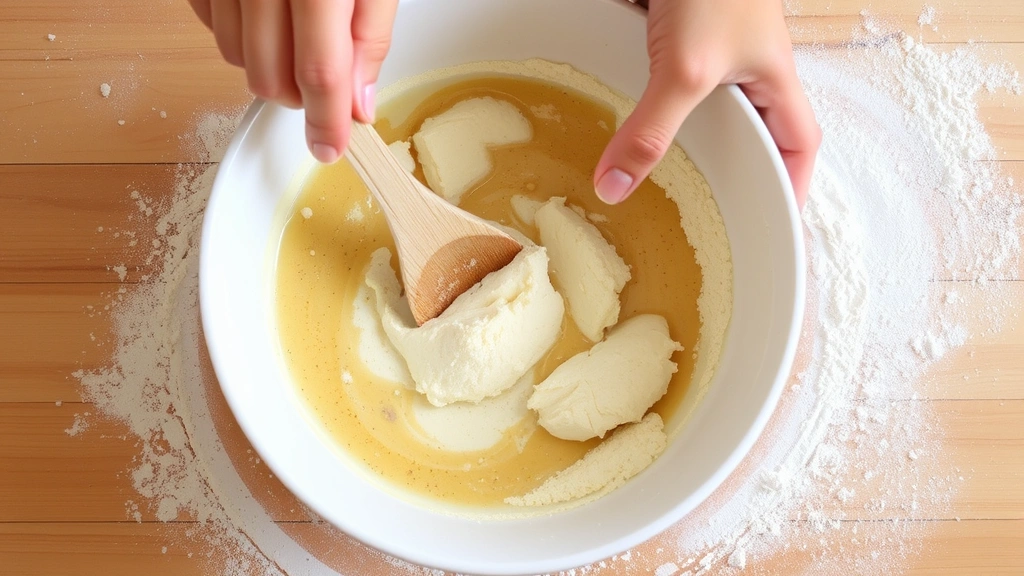
- In another bowl, combine the sourdough discard, melted butter, egg, buttermilk, and vanilla extract. Whisk until well combined and the mixture looks smooth with no visible streaks of discard.
- Create a well in the center of your dry ingredients. Pour the wet mixture into the well, then gently fold everything together using a spatula or wooden spoon. Mix just until the dry ingredients are moistened. The batter should look slightly lumpy—overmixing develops gluten and creates tough, dense results.
- Drop heaping tablespoons of batter onto your prepared baking sheet, spacing them about 2 inches apart. These are rustic scones, so don’t worry about perfect shapes. Slightly irregular sizes look homemade and charming.
- Bake for 20-25 minutes, until the tops are golden brown and a toothpick inserted into the center comes out clean. Your kitchen will smell absolutely incredible.
- Remove from the oven and let the scones cool on the baking sheet for 5 minutes. This allows them to set slightly while still remaining tender. Transfer to a wire rack to cool completely, though they’re absolutely best enjoyed warm.
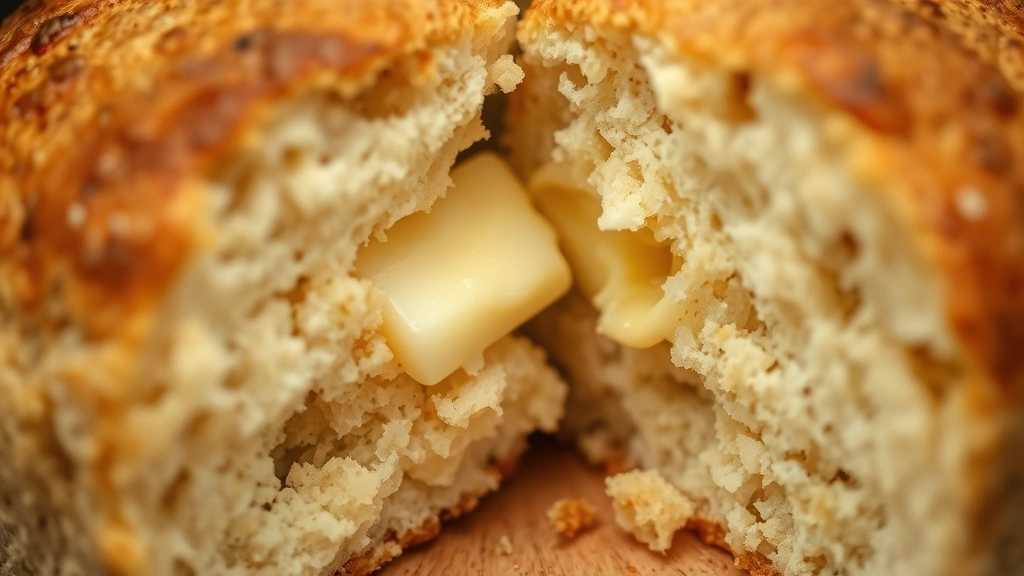
- Serve these scones fresh from the oven with softened butter, jam, or clotted cream for an elevated breakfast or afternoon treat.
Pro Tips
These sourdough discard scones are wonderfully versatile. For a sweeter version, increase the sugar to 1/3 cup total, omit the herbs and black pepper, and add 1/2 cup fresh or frozen berries folded gently into the batter just before baking.
The sourdough discard brings moisture and tanginess that makes these scones stay tender for days. Meanwhile, you can make the dry ingredients ahead of time and store them in an airtight container for up to two weeks. When you’re ready to bake, simply combine with the wet ingredients and proceed as directed.
If your sourdough discard is particularly thick, thin it slightly with milk or water until it reaches a consistency similar to Greek yogurt. Conversely, if it’s quite runny, use it as-is. The batter should be thick but spoonable—not pourable like pancake batter.
For make-ahead convenience, you can prepare the entire batch, freeze the unbaked scones on a baking sheet, then transfer to freezer bags. Bake directly from frozen, adding 2-3 minutes to the baking time. Additionally, baked scones freeze beautifully for up to three weeks. Simply reheat in a 300°F oven for 5-7 minutes before serving.
Substitutions are easy with this recipe. Brown rice flour works beautifully in place of whole wheat flour for a lighter texture. Alternatively, use all all-purpose flour if you prefer. For dairy-free baking, substitute melted coconut oil for butter and use non-dairy milk mixed with a splash of lemon juice instead of buttermilk.
The herb selection is truly customizable. Fresh dill pairs wonderfully with lemon zest for a spring-inspired version. Rosemary and thyme create an earthy, savory profile perfect for pairing with soups or salads. For a completely different approach, try cinnamon and nutmeg instead of herbs for a spiced-scone variation.
Storage is straightforward. Keep baked scones in an airtight container at room temperature for up to three days. The sourdough fermentation actually helps preserve these bakes naturally, keeping them fresher longer than traditional scones.