
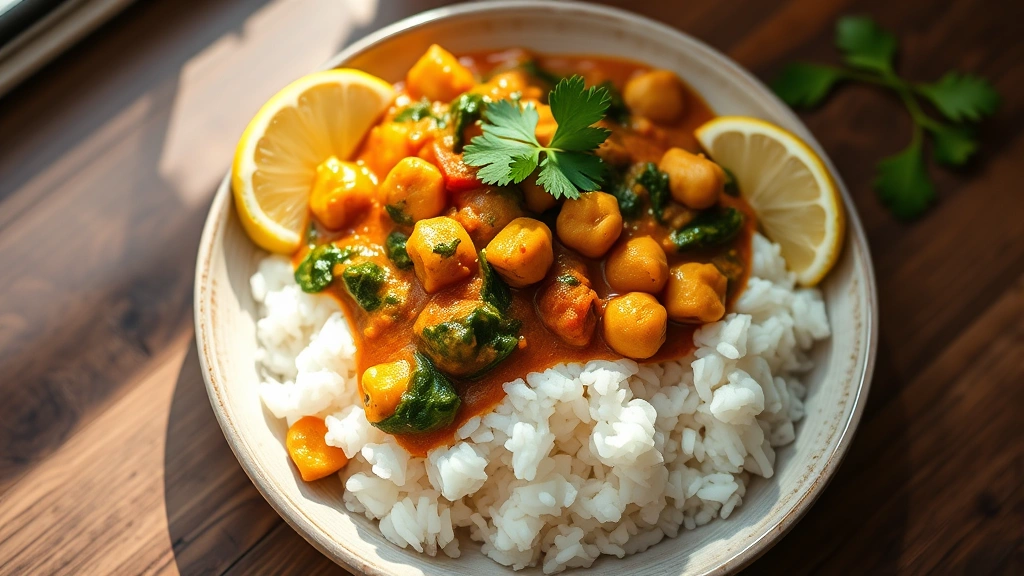
Easy vegan dinner recipes are a total game-changer for busy weeknights when you want something delicious but don’t have hours to spend in the kitchen. Whether you’re vegan, vegetarian, or just looking to eat more plant-based meals, these 25 quick recipes prove that meat-free dinners don’t have to be complicated or boring. I’ve spent years testing different approaches, and I’m thrilled to share the ones that actually work for real life.
The beauty of vegan cooking is that it forces you to get creative with flavors and textures. You’re building meals around vegetables, grains, legumes, and plant-based proteins that are naturally satisfying. Plus, most of these ingredients are pantry staples you probably already have on hand.
Jump To Section
Why This Recipe Collection Works
These aren’t complicated recipes that require specialty ingredients or fancy techniques. Each one comes together in 30 minutes or less, which means you can have dinner on the table before 7 PM even on your craziest days. I’ve focused on recipes that use simple, accessible ingredients so you’re not making a special trip to some obscure health food store.
What makes these meals special is that they’re genuinely delicious—not just “delicious for vegan food.” Your omnivore friends and family will actually want to eat them. For example, try our best lemon pasta recipe, which comes together in just 20 minutes with bright, punchy flavors. Additionally, you’ll find that building flavor through herbs, spices, and acid (like lemon juice or vinegar) becomes second nature.
The collection includes stir-fries, pasta dishes, grain bowls, curries, and hearty salads. Some are inspired by global cuisines—think Thai, Mexican, and Italian—while others are creative takes on comfort food classics. Each recipe is designed to be flexible, so you can swap ingredients based on what you have available.
Building Your Vegan Dinner Foundation
The secret to making easy vegan dinner recipes consistently is having the right pantry setup. Stock up on quality olive oil, canned tomatoes, coconut milk, vegetable broth, and a variety of spices. These are your building blocks for almost any savory meal you want to create.
For proteins, keep dried lentils, canned chickpeas, and firm tofu on hand. Tofu is incredibly versatile—when you press it properly and season it well, it takes on virtually any flavor profile. Lentils cook quickly and add substance to any dish, while chickpeas work beautifully in curries, salads, and grain bowls.
Fresh produce should include garlic, onions, bell peppers, and leafy greens. However, don’t overlook frozen vegetables—they’re just as nutritious and honestly save time on busy nights. Frozen broccoli, peas, and stir-fry mixes are legitimate kitchen shortcuts that make dinner prep faster without sacrificing quality.
Ingredient Tips & Smart Substitutions
One of the best things about plant-based cooking is the flexibility. If a recipe calls for chickpeas but you only have white beans, go ahead and use them. Swap spinach for kale, cherry tomatoes for diced regular tomatoes, or brown rice for quinoa—the meal will still be delicious.
When it comes to plant-based proteins, consider what texture you’re going for. Crumbly lentils work great in tacos or over rice, while firmer chickpeas are perfect for curry or roasted as a crispy topping. Tofu is your friend when you want something creamy or when you need a neutral base for bold seasonings.
Meanwhile, don’t be afraid to experiment with different vegetables based on the season. Summer calls for zucchini, tomatoes, and fresh herbs, while winter is perfect for roasted sweet potatoes, cauliflower, and heartier greens. This approach keeps your meals interesting and takes advantage of the freshest, most affordable produce available.
For dairy-free alternatives, unsweetened plant-based milk works in any recipe that calls for regular milk. Cashew cream (blended soaked cashews with water) creates richness similar to heavy cream, and nutritional yeast adds a savory, cheesy flavor. Our best pasta and peas recipe shows how simple ingredients combine for serious comfort food vibes.
Quick Cooking Techniques That Save Time
Mastering a few basic techniques is key to getting easy vegan dinner recipes on the table fast. High-heat stir-frying, for instance, cooks vegetables quickly while keeping them crisp. The key is to prep all your ingredients before you start cooking—this is called mise en place—so you’re not scrambling once the pan gets hot.
Likewise, using a pressure cooker or Instant Pot can dramatically reduce cooking times for grains and legumes. You can cook dried lentils or chickpeas from scratch in under 30 minutes, which opens up all kinds of possibilities. Additionally, batch cooking components on Sunday (like grains, roasted vegetables, or a big pot of curry) makes weeknight assembly incredibly easy.
Don’t overlook the microwave either. Roasting vegetables in a microwave with a little oil, salt, and seasonings takes just 5-7 minutes and works surprisingly well. For those nights when you’re truly strapped for time, using pre-cooked grains and canned beans means dinner can happen in 15 minutes flat.
Flavor Building & Seasoning Strategies
The biggest mistake people make with vegan cooking is underseasoning. You need to be intentional about building flavor because you’re not relying on meat for depth. This means using generous amounts of garlic, fresh ginger, citrus, good vinegars, and aromatic spices.
Taste as you go and adjust seasonings throughout cooking rather than waiting until the end. A squeeze of fresh lemon juice can brighten a dull dish instantly, while a pinch of smoked paprika adds complexity. Soy sauce or tamari brings umami richness that makes plant-based meals feel more substantial and satisfying.
Fresh herbs are non-negotiable in my kitchen. Cilantro, parsley, basil, and Thai basil add brightness that takes dishes from good to great. For instance, check out our perfect fresh tomato soup recipe and our best Mexican cucumber salad recipe to see how fresh herbs elevate simple ingredients into something special.
Serving Suggestions & Meal Ideas
Easy vegan dinner recipes become even more satisfying when you pair them thoughtfully. A simple curry is better served over fluffy rice with a crispy side salad and fresh lime wedges. Grain bowls benefit from multiple toppings—think roasted chickpeas, avocado, fresh greens, and a tangy dressing.
Don’t forget about texture contrast. Pairing creamy dishes with something crunchy (like toasted nuts or crispy bread) makes meals more interesting and satisfying. A warm pasta dish is elevated by fresh greens tossed in a bright vinaigrette on the side, while a hearty bean stew calls for crusty bread and maybe a simple green salad.
Our best Caesar salad recipe works beautifully as a side, and the best spaghetti squash recipe makes an excellent base for whatever toppings you’re craving. These components can be mixed and matched with many of the main dishes in this collection.
Consider building your meal around what’s in season. Spring calls for lighter dishes with fresh peas and asparagus, while fall and winter are perfect for roasted vegetables and warming spices. This seasonal approach keeps your cooking interesting and makes shopping easier since you’re buying what’s abundant and affordable.
Storage & Make-Ahead Tips
Most of these easy vegan dinner recipes taste even better the next day, which makes them perfect for meal prep. Curries, stews, and grain bowls actually develop more flavor as they sit in the fridge. Store them in airtight containers for up to four days, and you’ll have ready-to-reheat meals whenever you need them.
For dishes that don’t reheat as well (like fresh salads), store components separately and assemble just before eating. Keep dressings in a separate container so greens stay crisp. However, hearty composed salads with grains hold up beautifully and can be packed in mason jars for easy lunch transport.
Freezing is also an option for many recipes. Soups, curries, and bean-based dishes freeze beautifully for up to three months. Leave a little headspace in the container since food expands as it freezes. When you’re ready to eat, thaw overnight in the refrigerator and reheat gently on the stovetop or in the microwave.
The beauty of having a collection of easy vegan dinner recipes is never feeling stuck in a rut. You’ll have options for quick weeknight meals, impressive dishes for guests, and solutions for whatever ingredients are hiding in your kitchen right now. These recipes prove that plant-based cooking is accessible, delicious, and absolutely doable in real life.
Ingredients
- 2 tablespoons olive oil
- 1 medium onion, diced
- 4 cloves garlic, minced
- 1 can (14 oz) diced tomatoes
- 1 can (15 oz) chickpeas, drained and rinsed
- 1 teaspoon cumin
- 1 teaspoon smoked paprika
- ½ teaspoon cayenne pepper
- Salt and black pepper to taste
- 1 cup vegetable broth
- 2 cups fresh spinach
- Juice of 1 lemon
- Fresh cilantro for garnish
- Cooked rice or quinoa for serving
Instructions
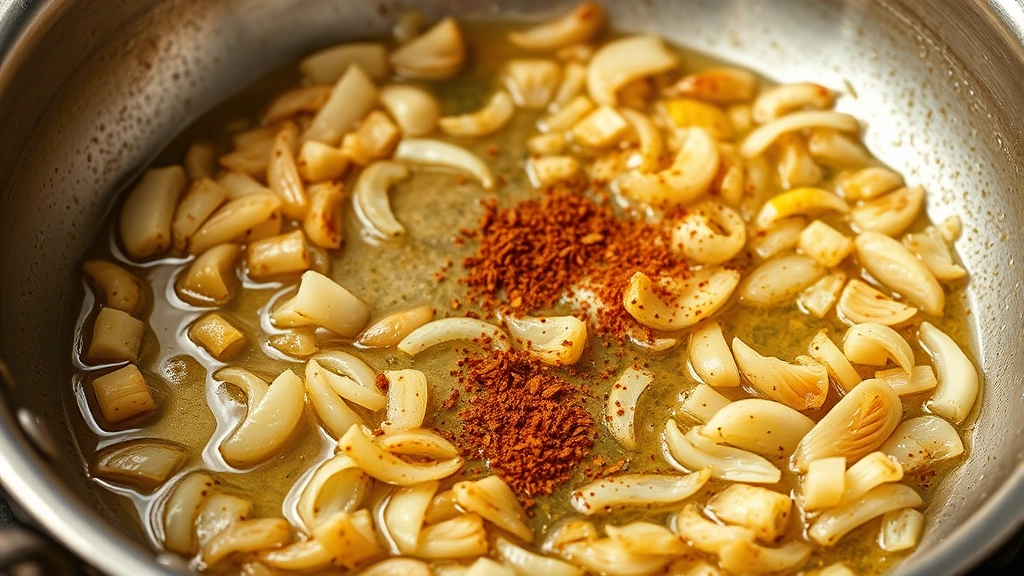
- Heat olive oil in a large skillet over medium-high heat. Once shimmering, add diced onion and cook for about 3-4 minutes, stirring occasionally, until softened and fragrant.
- Add minced garlic to the pan and cook for another 30 seconds to 1 minute, stirring constantly, until aromatic. Be careful not to burn the garlic as it can turn bitter.
- Pour in the canned diced tomatoes (including their juice) and the drained chickpeas. Stir well to combine all the ingredients.
- Sprinkle in the cumin, smoked paprika, and cayenne pepper. Stir thoroughly to coat everything with the spices. Let the mixture cook for about 2 minutes so the spices bloom and release their flavors.
- Add the vegetable broth and bring the mixture to a simmer. Reduce heat to medium and let it simmer for about 8-10 minutes, allowing flavors to meld together.
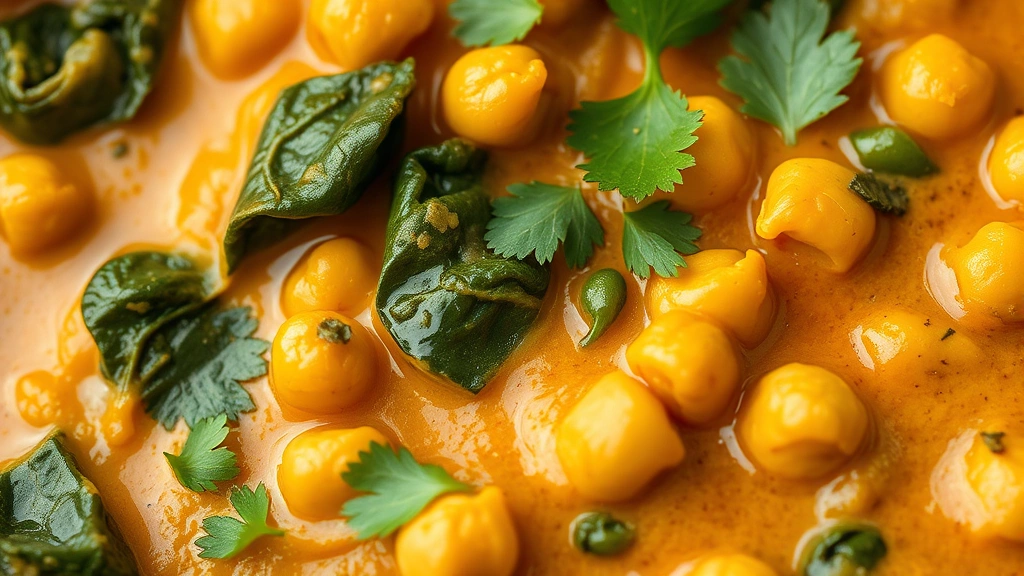
- Stir in the fresh spinach and cook for 1-2 minutes, just until wilted. The residual heat will soften the spinach quickly.
- Remove from heat and squeeze in the lemon juice. Taste and adjust seasonings with additional salt, pepper, or spices as needed.
- Serve over cooked rice or quinoa and garnish generously with fresh cilantro and a squeeze of additional lemon juice if desired.
Pro Tips
This recipe is endlessly adaptable based on what you have in your pantry. If you don’t have fresh spinach, frozen spinach works beautifully—just thaw it first and squeeze out any excess moisture. Similarly, you can swap the chickpeas for white beans, black beans, or even lentils, and the dish will be equally delicious.
The spice blend is highly customizable. If you prefer milder heat, reduce the cayenne pepper or omit it entirely. For a more warming spice profile, try adding a pinch of turmeric or ginger. However, the combination of cumin and smoked paprika is essential for building that authentic flavor profile.
Prep work makes this meal come together incredibly quickly. Mince your garlic and onion, open your cans, and measure your spices before you start cooking. This mise en place approach means you’re never scrambling mid-recipe and can focus on getting beautiful caramelization on the aromatics.
For storage, this dish keeps beautifully in the refrigerator for up to four days in an airtight container. The flavors actually deepen as it sits, making it perfect for meal prep. You can also freeze it for up to three months—just thaw overnight in the fridge and reheat gently on the stovetop with a splash of vegetable broth to restore the consistency.
When serving, consider your grain options. While rice and quinoa are classic choices, this curry also works beautifully over mashed potatoes, roasted sweet potatoes, or even cauliflower rice if you’re looking for something lighter. Pair it with some warm naan bread or crackers for scooping if you’re feeling fancy.
Additionally, this recipe is naturally vegan and gluten-free (assuming you use gluten-free vegetable broth). It’s also incredibly budget-friendly since canned chickpeas and tomatoes are inexpensive staples. This makes it perfect for weeknight dinners when you want something nourishing without spending a lot of time or money.