
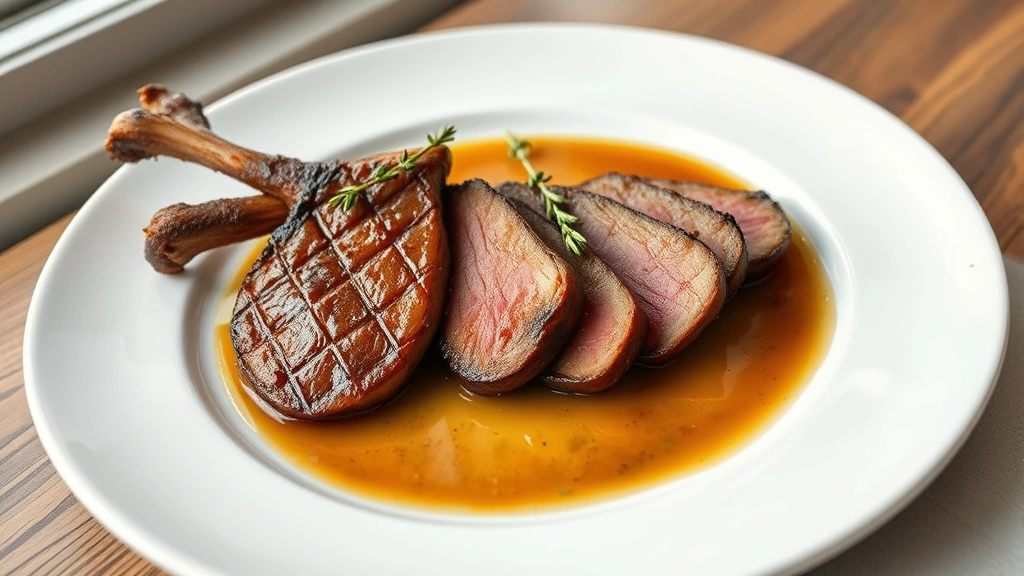
Deer heart is one of the most underrated cuts of wild game, and honestly, it deserves a place at your dinner table. This elegant yet surprisingly simple recipe transforms this lean, flavorful organ meat into something absolutely restaurant-worthy in just 30 minutes. The key to a perfect deer heart is understanding that it’s actually a muscle, not an organ in the traditional sense, which means it responds beautifully to quick, high-heat cooking methods.
What I love most about cooking deer heart is how forgiving it is when you treat it with respect. Unlike tougher cuts of venison that require hours of braising, the heart is naturally tender when cooked properly. The flavor is rich, slightly gamey, and deeply satisfying—think of it as the most premium steak you’ve ever had, but with character. This recipe uses a simple pan-searing technique with garlic, fresh thyme, and a touch of butter to let the meat shine while building a gorgeous crust.
I first fell in love with cooking deer heart during a hunting trip upstate, when a friend prepared it over a campfire. I was skeptical at first, I’ll admit, but one bite changed everything. Now it’s become a staple in my kitchen, and I’m excited to share this method with you. This recipe works beautifully for both experienced hunters and adventurous home cooks looking to expand their culinary horizons. Pair it with creamy pasta or a silky Alfredo sauce for an impressive weeknight dinner, or serve it alongside pickled red onions for a fresh contrast to the rich meat.
Before we dive into the recipe, let me share some tips I’ve learned over the years. The most important thing is to trim away any silver skin or connective tissue—this ensures tender, melt-in-your-mouth bites. Don’t skip the resting period after cooking; it allows the juices to redistribute throughout the meat, keeping it moist and flavorful. And please, invest in a good instant-read thermometer. We’re aiming for medium-rare, which is around 130-135°F internally.
For more inspiration on cooking with premium proteins, check out Serious Eats’ protein guides and Bon Appétit’s game meat techniques. If you’re looking to master the art of searing, The New York Times cooking section has excellent resources on achieving that perfect crust. This recipe is a gateway to a whole new world of cooking, and I promise you won’t regret trying it. Whether you’re a seasoned hunter or someone who simply wants to explore new culinary territory, this deer heart recipe will impress your guests and expand your cooking repertoire in the most delicious way possible.
Ingredients
- 1 whole deer heart (approximately 8-10 ounces), trimmed and cleaned
- 3 tablespoons unsalted butter, divided
- 4 cloves garlic, minced
- 4 sprigs fresh thyme
- 1 teaspoon kosher salt
- ½ teaspoon freshly ground black pepper
- ½ teaspoon smoked paprika
- ¼ teaspoon cayenne pepper (optional, for depth)
- 2 tablespoons high-heat cooking oil (avocado, canola, or vegetable oil)
- ¼ cup dry red wine or beef broth
- 1 tablespoon fresh lemon juice
- 1 tablespoon finely chopped fresh parsley for garnish
Instructions
- Remove the deer heart from the refrigerator 15 minutes before cooking to bring it to room temperature. This ensures even cooking throughout.
- Using a sharp knife, carefully trim away all silver skin, connective tissue, and any dark spots from the exterior and interior of the heart.
- Pat the heart completely dry with paper towels—this is crucial for achieving a beautiful golden crust during searing.
- In a small bowl, combine kosher salt, freshly ground black pepper, smoked paprika, and cayenne pepper. Mix well to distribute seasonings evenly.
- Rub the seasoning mixture all over the deer heart, making sure to coat all sides generously and work some seasoning into any crevices.
- Heat your cast-iron skillet or stainless steel pan over medium-high heat for 2-3 minutes until it’s smoking hot.
- Add the high-heat cooking oil to the pan and let it heat for about 30 seconds until it shimmers.
- Carefully place the seasoned deer heart in the hot pan, allowing it to sear without moving for 3-4 minutes until a deep golden-brown crust forms.
- Flip the heart and sear the other side for another 3-4 minutes, maintaining the high heat to build that gorgeous crust.
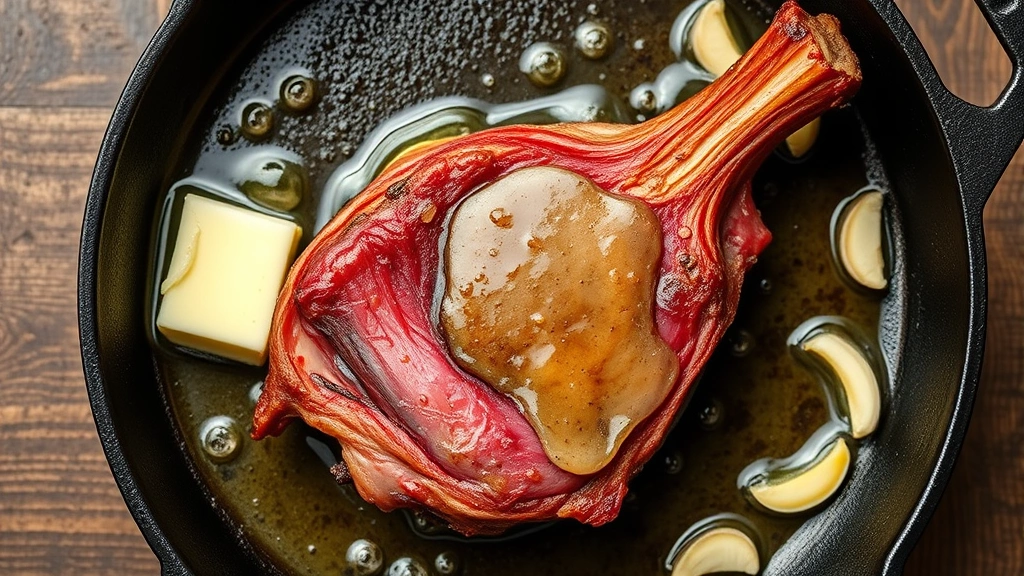
- Reduce the heat to medium and add 1.5 tablespoons of butter to the pan along with the minced garlic and fresh thyme sprigs.
- Tilt the pan and baste the heart continuously with the melted butter and garlic mixture for 2-3 minutes.
- Check the internal temperature with an instant-read thermometer—you’re aiming for 130-135°F for perfect medium-rare.
- Once the desired temperature is reached, transfer the heart to a clean cutting board and tent loosely with foil to rest for 5 minutes.
- While the heart rests, add the red wine (or beef broth) to the pan, scraping up any browned bits with a wooden spoon to deglaze.
- Allow the sauce to simmer for 1-2 minutes until it reduces slightly, then remove from heat and swirl in the remaining 1.5 tablespoons of butter.
- Finish the sauce with fresh lemon juice and a pinch of salt and pepper to taste.
- Slice the rested deer heart into ¼-inch thick slices against the grain, revealing the beautiful pink interior.
- Arrange the sliced heart on a serving platter, drizzle with the pan sauce, garnish with fresh parsley, and serve immediately while warm.
Pro Tips
- **Sourcing Deer Heart**: If you hunt yourself, this is an excellent way to use the whole animal. If purchasing, contact local hunters, specialty butchers, or farmers markets that source wild game. Some online game meat suppliers also ship fresh or frozen hearts.
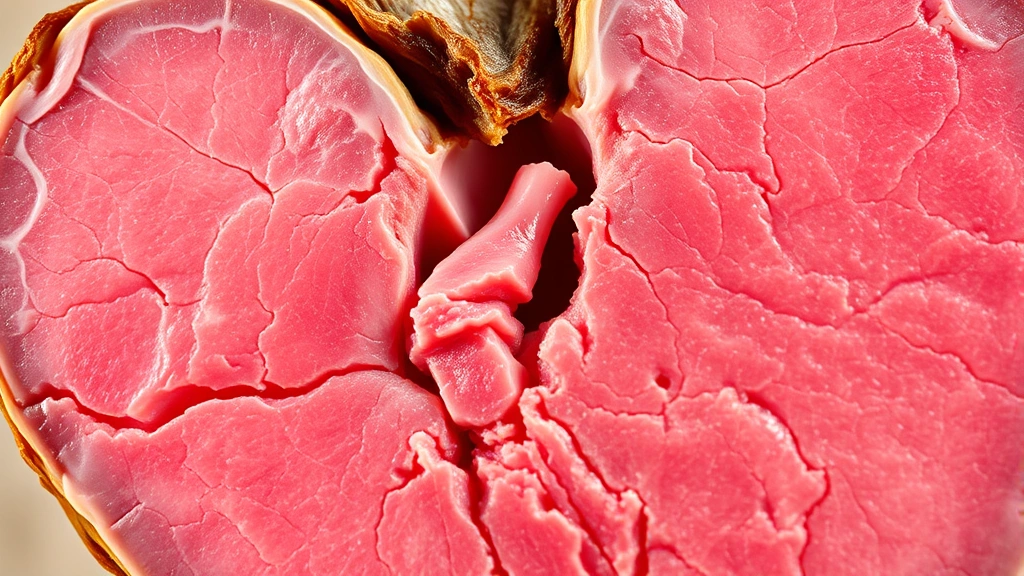
- **Cleaning the Heart**: This step is non-negotiable. The heart has chambers and valves that need to be opened and thoroughly rinsed under cold running water. Remove all blood clots and membranes. Some prefer to soak it in salted ice water for 30 minutes before cooking to further reduce any gamey flavor.
- **Frozen Hearts**: If your heart is frozen, thaw it slowly in the refrigerator for 24 hours before cooking. Never thaw at room temperature, as this can compromise food safety and texture.
- **Temperature Control**: Venison is very lean, so overcooking results in tough, dry meat. Use an instant-read thermometer and aim for 130-135°F for medium-rare. The meat will continue cooking slightly while resting.
- **Slicing**: Always slice against the grain to shorten the muscle fibers and ensure tenderness. This is especially important with game meats that can be naturally tougher if sliced incorrectly.
- **Wine Choice**: Use a wine you would actually drink. The quality of wine matters here. A good Pinot Noir or Cabernet Sauvignon works beautifully. Beef broth is an excellent non-alcoholic substitute.
- **Serving Suggestions**: Serve alongside roasted root vegetables, a fresh arugula salad, or try the classic bacon carbonara for a surf-and-turf style meal. The richness of a fresh chickpea salad provides nice contrast.
- **Make-Ahead Options**: You can trim and season the heart up to 24 hours in advance. Store it covered in the refrigerator and bring to room temperature before cooking.
- **Pan Selection**: Cast iron retains heat beautifully and promotes even browning, but stainless steel works well too. Avoid non-stick pans for this recipe, as they don’t achieve the high temperatures needed for proper searing.
- **Gamey Flavor**: If you prefer less gamey flavor, briefly blanch the cleaned heart in simmering water for 5 minutes before patting dry and cooking. This mellows the wild flavor considerably.
- **Leftovers**: Slice any remaining heart and reheat gently in a low oven. Use it in salads, grain bowls, or over pasta the next day. Properly stored, cooked heart keeps for 3-4 days in an airtight container in the refrigerator.