
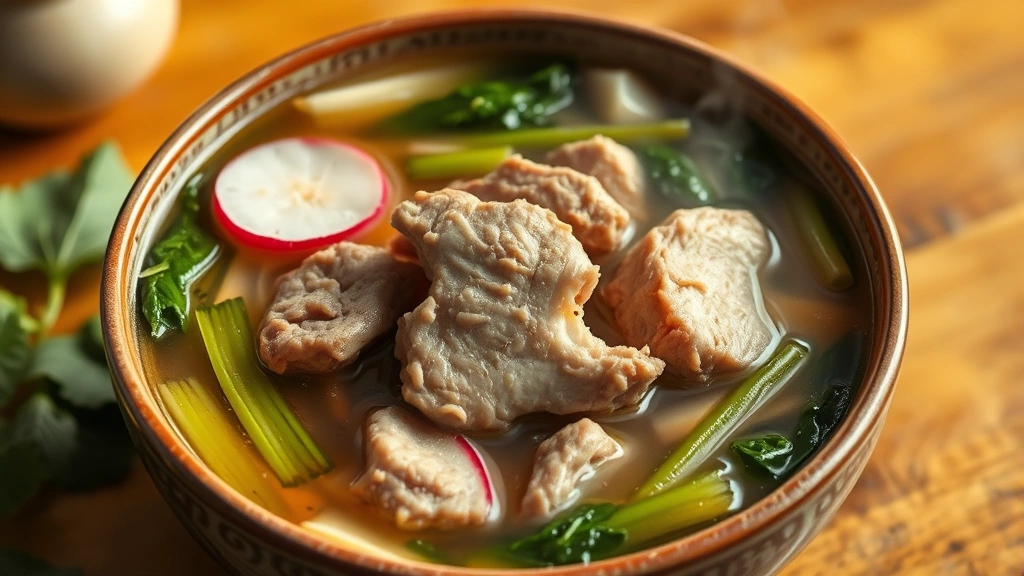
Pork sinigang is a beloved Filipino comfort dish that brings together tender pork, tangy tamarind, and a beautiful medley of vegetables in one soul-warming bowl. This traditional recipe has been passed down through generations, and it’s easier to make at home than you might think! The beauty of sinigang lies in its simplicity and the way all the flavors come together to create something truly special.
Sinigang literally means “stewed” in Tagalog, and that’s exactly what makes this dish so wonderful—everything simmers together gently, allowing the pork to become incredibly tender while absorbing all those delicious, complex flavors. The tamarind gives it that distinctive sour note that makes your taste buds dance, while the radish, string beans, and leafy greens add texture and nutrition.
What I love most about making pork sinigang is that it’s genuinely a one-pot meal. You brown the meat, sauté your aromatics, add your broth and tamarind, then let everything simmer while you relax. It’s the kind of cooking that feels fancy but is actually quite forgiving and straightforward. Whether you’re cooking for your family on a weeknight or impressing guests with authentic Filipino cuisine, this pork sinigang recipe delivers every single time.
The key to the best pork sinigang is using quality pork shoulder or ribs, which become fall-apart tender during the long simmer. I also recommend using tamarind concentrate or fresh tamarind pods for the most authentic flavor, though the concentrate makes this recipe incredibly convenient. Don’t skip the radish—it’s traditional and adds a subtle sweetness that balances the sourness beautifully.
Once you master this basic pork sinigang recipe, you’ll find yourself making it regularly. It reheats beautifully, tastes even better the next day, and freezes wonderfully for future meals. Serve it with steamed white rice to soak up all that incredible broth, and you’ve got yourself a meal that will transport you straight to the Philippines with every spoonful.
For a complete Filipino feast, consider pairing this with some delicious side dishes or finishing with a sweet treat like homemade desserts. This pork sinigang recipe is versatile enough to work with any meal plan and forgiving enough for even novice cooks to succeed.
Learn more about cooking techniques and flavor profiles to elevate your sinigang even further. Check out seasonal ingredient inspiration and trusted recipe variations to make this classic your own.
Ingredients
- 2.5 pounds pork shoulder or pork ribs, cut into 2-inch chunks
- 3 tablespoons vegetable oil
- 1 large onion, quartered
- 4 cloves garlic, minced
- 1 tablespoon minced fresh ginger
- 1/4 cup tamarind concentrate or 4-5 tamarind pods
- 8 cups beef or pork broth
- 2 teaspoons salt, or to taste
- 1 teaspoon black pepper
- 1 teaspoon ground kamias (optional, adds extra tartness)
- 8 medium radishes (labanos), halved
- 2 medium Yukon Gold potatoes, quartered
- 1 bunch string beans (long beans), cut into 3-inch pieces
- 1 bunch kangkong or spinach, roughly chopped
- 2 hot peppers (Thai chili or jalapeño), left whole
- 2 tablespoons fish sauce (patis), optional but recommended
Instructions
- Pat the pork pieces dry with paper towels. This helps them brown better and develop a nice golden crust that adds depth to the final dish.
- Heat the vegetable oil in a large pot or Dutch oven over medium-high heat until it shimmers and is hot enough that a piece of pork sizzles immediately when added.
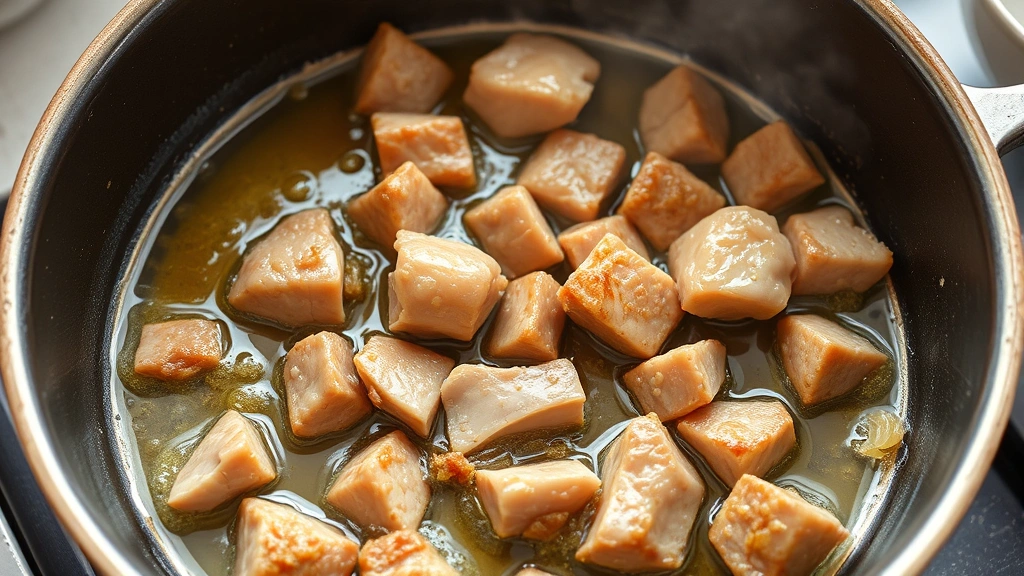
- Working in batches to avoid overcrowding the pot, brown the pork pieces on all sides, about 2-3 minutes per side. Transfer the browned pork to a clean plate and set aside. Don’t worry if the pieces aren’t cooked through—we’re just developing color and flavor.
- In the same pot with the rendered pork fat, add the quartered onion and cook for about 2 minutes, stirring occasionally, until the onion begins to soften and releases its fragrance.
- Add the minced garlic and ginger to the pot, stirring constantly for about 30 seconds to 1 minute until the mixture becomes incredibly fragrant. Be careful not to let the garlic burn.
- Pour in the beef or pork broth, scraping up any browned bits stuck to the bottom of the pot with a wooden spoon. These flavorful bits are liquid gold and add tremendous depth to your sinigang.
- Return the browned pork to the pot along with any juices that accumulated on the plate. Stir to combine.
- If using tamarind pods, squeeze them in hot water to extract the pulp, then strain and add the liquid to the pot, discarding the pods and seeds. If using tamarind concentrate, mix it with a little warm broth first, then stir it into the pot.
- Add the salt, black pepper, and ground kamias if using. Stir well to combine all the seasonings throughout the broth.
- Bring the pot to a boil, then immediately reduce the heat to low and maintain a gentle simmer. Skim off any foam or impurities that rise to the surface during the first few minutes.
- Cover the pot partially and let the pork simmer for about 35-40 minutes, stirring occasionally, until the pork is quite tender but not completely falling apart.
- While the pork simmers, prepare your vegetables. The preparation won’t take long, so do this about 10 minutes before you’re ready to add them to the pot.
- Once the pork is tender, add the halved radishes and quartered potatoes to the pot, stirring gently to distribute them evenly throughout the broth.
- Continue simmering for another 15 minutes, until the radishes and potatoes begin to soften but still have a little resistance when pierced with a fork.
- Add the string beans and the whole hot peppers to the pot, stirring gently to combine. Continue simmering for another 5 minutes.
- Finally, add the chopped kangkong or spinach and stir it in gently until it wilts into the broth, which should take about 1-2 minutes.
- Taste the broth and adjust the seasoning as needed. Add more salt if it needs depth, or a bit more tamarind concentrate if you want it tangier. Stir in the fish sauce if using, which adds an authentic umami depth.
- Ladle the pork sinigang into deep bowls, making sure each serving gets plenty of pork, vegetables, and that gorgeous, flavorful broth.
- Serve immediately with steamed white rice on the side, and let your guests squeeze the hot pepper into the broth if they enjoy extra heat and flavor.
Pro Tips
TAMARIND SUBSTITUTIONS: If you cannot find tamarind concentrate or pods, you can use tamarind paste, calamansi juice mixed with a bit of lime juice, or even a combination of lime juice and a small amount of brown sugar to approximate the sour-sweet-savory balance. However, nothing quite matches the authentic depth of tamarind.
VEGETABLE VARIATIONS: The vegetables in sinigang are somewhat flexible. Some families add bitter melon, cabbage, or even taro. The key is to add them in order of cooking time—heartier vegetables first, tender greens last. Always save the leafy greens for the very end so they maintain their texture and color.
MAKING AHEAD: Pork sinigang actually tastes better the next day after the flavors have had time to meld together. You can prepare it up to 2 days ahead and store it in an airtight container in the refrigerator. To reheat, simply warm it gently over medium heat on the stovetop, stirring occasionally. It also freezes beautifully for up to 3 months.
FISH SAUCE NOTE: While optional, fish sauce adds an authentic depth that really elevates this dish. Start with 1 tablespoon and taste, then add more if desired. It shouldn’t make the dish taste fishy—just more complex and delicious.
SERVING SUGGESTIONS: Always serve with plenty of steamed white rice to soak up the delicious broth. Some people enjoy adding a squeeze of calamansi or lime juice at the table. A small side of fish sauce with chilies makes an excellent condiment for those who want extra heat and depth.
ONE-POT COOKING: This is truly a one-pot meal, which makes cleanup easy and keeps all the flavors concentrated in one place. A large Dutch oven or heavy-bottomed pot works best for even heat distribution.
BROTH CONSISTENCY: If your broth seems too thin at the end, you can simmer uncovered for an additional 10-15 minutes to reduce it and concentrate the flavors. If it’s too thick, simply add more broth to achieve your desired consistency.