
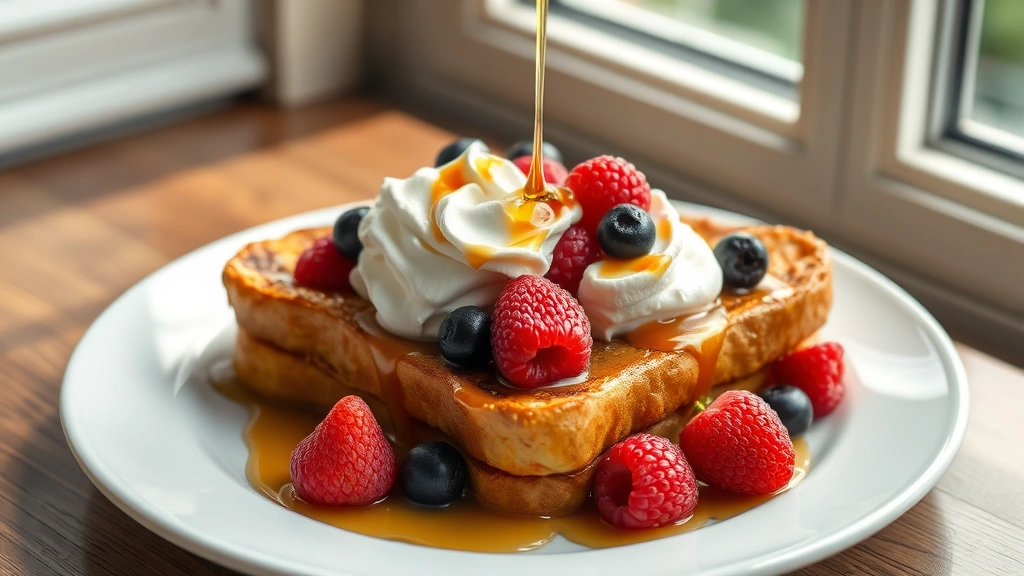
There’s something absolutely magical about waking up to a plate of golden, crispy-edged French toast—and the best part? You don’t need to feed a crowd to enjoy this classic breakfast treat. This single-serve French toast recipe is perfectly portioned for one, making it ideal for those mornings when you want something special without the fuss of a full batch. Whether you’re cooking for yourself on a lazy Sunday or looking for a quick weekday breakfast that feels indulgent, this recipe delivers café-quality results in under 15 minutes.
French toast has been a beloved breakfast staple for centuries, with its origins tracing back to ancient Rome. The beauty of this dish lies in its simplicity—just a few basic ingredients transform ordinary bread into something extraordinary. For a single serving, you have the luxury of using your favorite bread variety, whether that’s brioche for extra richness, challah for a tender crumb, or even thick-cut sourdough for a more complex flavor profile.
What makes this single-serve version so appealing is the control you have over every element. You can customize the egg mixture to your exact preferences, choose your bread thickness, and control the cooking temperature for that perfect golden-brown exterior and custardy interior. No more waiting for a large batch to cook, no more cold French toast by the time you get to eat it.
I love serving this with fresh berries, a drizzle of maple syrup, and a dollop of whipped cream for a restaurant-quality breakfast at home. The key to success is using day-old bread—fresh bread absorbs too much of the egg mixture and becomes soggy, while stale bread creates that perfect textural contrast. You can also elevate this dish with flavored syrups, pickled garnishes, or even pair it with a savory bacon topping for a twist.
The technique is straightforward, but there are a few professional tricks that ensure your French toast turns out perfect every time. Whisking your egg mixture thoroughly ensures even distribution of eggs and milk, which creates that signature custard coating. Adding a pinch of vanilla extract and cinnamon elevates the flavor profile beyond basic, while a touch of sugar helps caramelize the exterior beautifully.
This recipe is also incredibly forgiving and adaptable. Once you master the basic technique, you can experiment with different breads, spice combinations, and toppings. Try adding nutmeg or cardamom for warmth, or incorporate almond extract for a subtle nod to French pastry traditions. The possibilities are truly endless, making this single-serve recipe a perfect canvas for culinary creativity.
For more breakfast inspiration, check out this creamy pasta recipe for brunch entertaining, or explore rich sauce techniques that translate beautifully to breakfast dishes. And if you’re looking to round out your breakfast table, a chickpea salad makes a surprisingly delightful side for brunch gatherings.
Now, let’s dive into creating the perfect single-serve French toast that will make you feel like you’re dining at your favorite brunch spot, all from the comfort of your own kitchen.
Ingredients
- 2 slices day-old bread (brioche, challah, or thick-cut sourdough work beautifully)
- 1 large egg
- 3 tablespoons whole milk or heavy cream
- 1/2 teaspoon vanilla extract
- 1/4 teaspoon ground cinnamon
- 1/8 teaspoon ground nutmeg (optional but recommended)
- 1/2 tablespoon granulated sugar
- Pinch of salt
- 2 tablespoons unsalted butter, divided
- Additional toppings: maple syrup, fresh berries, whipped cream, powdered sugar, or bacon
Instructions
- Crack one large egg into a shallow bowl or small dish, then add 3 tablespoons of whole milk or heavy cream.
- Add 1/2 teaspoon vanilla extract, 1/4 teaspoon ground cinnamon, 1/8 teaspoon ground nutmeg, 1/2 tablespoon sugar, and a pinch of salt to the egg mixture.
- Whisk all ingredients together vigorously for about 30 seconds until the mixture is well combined, homogeneous, and slightly foamy.
- If your bread is very fresh, let it sit on the counter for a few hours to slightly dry out, or use day-old bread directly from the refrigerator.
- Heat a non-stick skillet or griddle over medium heat for about 1 minute until evenly heated.
- Add 1 tablespoon of butter to the hot skillet and allow it to melt completely, tilting the pan to coat evenly.
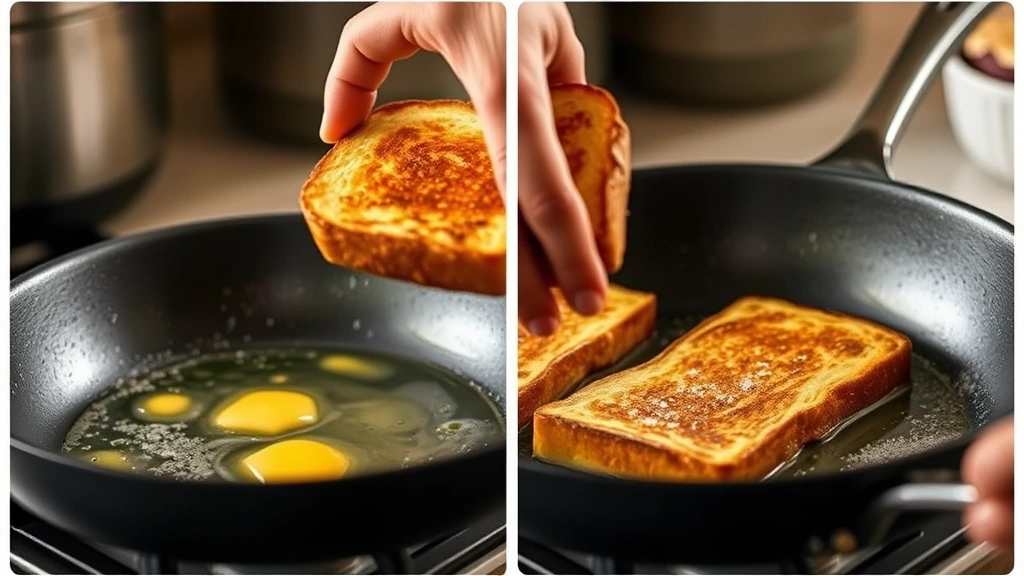
- While the butter melts, take the first slice of bread and fully submerge it into the egg mixture for approximately 2 seconds, then flip and submerge the other side for another 2 seconds—the key is to coat thoroughly without oversaturating.
- Carefully transfer the coated bread slice to the hot buttered skillet and cook for 3 to 4 minutes until the bottom is golden brown and slightly crispy.
- Using a spatula, gently flip the French toast and cook the other side for another 2 to 3 minutes until it matches the color of the first side.
- Transfer the first slice of cooked French toast to your serving plate and tent with foil to keep warm.
- Add the remaining 1 tablespoon of butter to the skillet and repeat the dipping and cooking process with the second slice of bread.
- Once both slices are cooked through and beautifully golden, arrange them on your plate and serve immediately.
- Top with your desired toppings such as maple syrup, fresh berries, whipped cream, powdered sugar, or crispy bacon, and enjoy your restaurant-quality breakfast.
Pro Tips
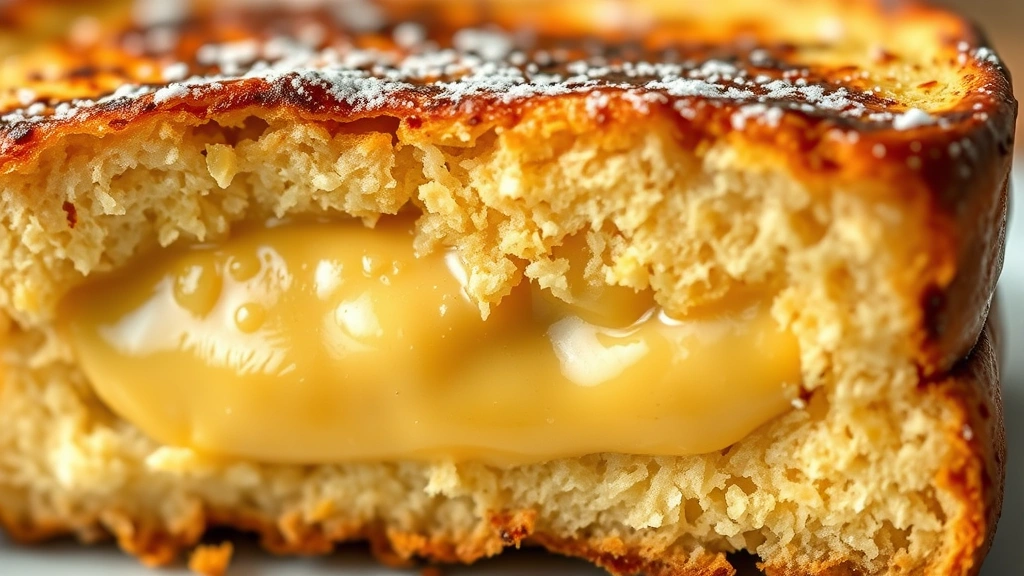
The egg mixture ratio is perfectly calculated for a single serving. Too much egg and your French toast becomes rubbery; too little and it won’t have that characteristic custardy texture. The key is thorough whisking to incorporate air and ensure even distribution.
Customize your spice profile based on preference. Some people prefer just cinnamon, while others love the addition of nutmeg, cardamom, or even a hint of allspice. You can also experiment with almond or orange extract instead of vanilla for different flavor dimensions.
Butter is crucial for achieving that golden-brown exterior and nutty flavor. Don’t substitute with oil as it won’t provide the same browning power or taste. The butter should be foaming when you add the bread for optimal browning.
Cooking temperature matters significantly. Medium heat is ideal—too high and the outside burns before the inside cooks through, too low and you won’t achieve that desirable crispy exterior. Adjust based on your stovetop, as all vary in heat distribution.
If you prefer your French toast sweeter, add another quarter teaspoon of sugar to the egg mixture. For those who prefer less sweetness, reduce the sugar or omit it entirely and rely on your topping syrup for sweetness.
This recipe scales beautifully if you’re cooking for more people. Simply multiply the ingredients by the number of servings needed and cook in batches, keeping finished portions warm in a 200-degree oven.
Leftover French toast can be refrigerated for up to three days and reheated in a toaster oven at 350 degrees for about 5 minutes, though it’s best enjoyed immediately after cooking.
For a protein boost, serve alongside scrambled eggs or bacon. For a lighter version, use egg whites instead of whole eggs, though you’ll lose some of the richness.
Experiment with different bread varieties to discover your favorite. Brioche creates the richest, most indulgent version, while sourdough offers a tangier complexity that pairs beautifully with fresh fruit.
Pingback: How to Make the BEST Pork Medallions Recipe Ever! – Simple Recipe Finder