
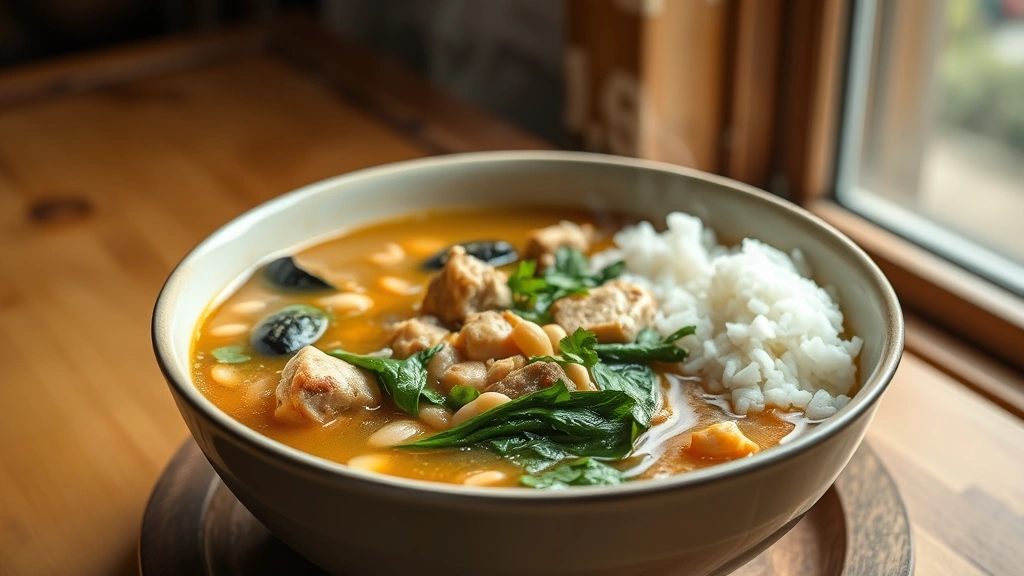
Monggo, also known as mung bean stew, is a beloved Filipino comfort food that’s hearty, nutritious, and absolutely delicious. This traditional dish combines tender mung beans with savory meat and aromatic vegetables to create a warming meal that’s perfect for any occasion. What I love most about this monggo recipe is how quick and easy it is to prepare—you can have a homemade, authentic Filipino stew on the table in just 30 minutes!
This dish is naturally packed with protein and fiber, making it not only satisfying but also incredibly good for you. The mung beans are the star of the show here, providing a creamy texture and mild, slightly earthy flavor that pairs beautifully with the umami-rich pork or beef. Whether you’re cooking for your family on a busy weeknight or want to introduce your friends to authentic Filipino cuisine, this monggo recipe is sure to impress.
The beauty of monggo lies in its simplicity and versatility. While the traditional version uses pork, you can easily swap in chicken, beef, or even shrimp for different flavor profiles. The cooking method is straightforward—everything goes into one pot, making cleanup a breeze. Plus, if you use canned mung beans instead of dried ones, you can cut the cooking time down even further.
I’ve made this recipe countless times, and it never fails to deliver comfort and satisfaction. The garlic and onions create an aromatic base that fills your kitchen with the most wonderful smells, while the ginger adds a subtle warmth and depth to the broth. The leafy greens at the end—typically malunggay (moringa) or spinach—add freshness and extra nutrition to round out this complete meal.
If you’re looking for more Filipino-inspired dishes to add to your rotation, check out our Best Heavy Cream Alfredo Sauce Recipe for creamy pasta dishes, or try our Easy Chicken Alfredo Recipe for another quick weeknight favorite. For more one-pot meal inspiration, our Delicious Heavy Cream Pasta Recipe is equally convenient and crowd-pleasing.
This monggo recipe is adaptable to your preferences and dietary needs. Some families prefer a brothier consistency, while others like it thicker and more stew-like. You can adjust the amount of liquid to achieve your desired texture. Additionally, you can add more vegetables like carrots or potatoes if you’d like to make it even more filling and nutritious. The recipe below serves about 4-6 people, but it easily scales up if you’re feeding a larger crowd.
For side dishes, this pairs wonderfully with steamed rice, which helps soak up all the delicious broth. If you want to add a protein-rich side, our Best Garlic Shrimp Scampi Recipe would complement this meal beautifully. For a lighter vegetable accompaniment, try our Best Shishito Peppers Recipe.
Once you master the basic technique of this monggo recipe, you’ll find yourself making it regularly. It’s the kind of dish that gets better as it sits, making it perfect for meal prep or leftovers. Many Filipino families make a big batch on the weekend and enjoy it throughout the week. The flavors continue to meld and develop, making each bowl taste even better than the last.
For additional inspiration and technique tips, I recommend checking out Serious Eats for their detailed cooking science articles, or visit Bon Appétit for modern takes on classic recipes. The New York Times Cooking section also has wonderful resources for perfecting traditional dishes.
Ingredients
- 2 tablespoons vegetable oil
- 1/2 pound pork or beef, cut into bite-sized pieces
- 1 medium onion, diced
- 4 cloves garlic, minced
- 1 tablespoon fresh ginger, minced
- 2 cans (15 ounces each) mung beans, drained and rinsed (or 1 cup dried mung beans, soaked)
- 4 cups chicken or vegetable broth
- 2 medium carrots, diced (optional)
- 1 cup diced bok choy or spinach
- 2 tablespoons fish sauce (patis)
- 1 tablespoon soy sauce
- Salt and black pepper to taste
- 2 cups fresh malunggay (moringa) leaves or spinach, roughly chopped
- 2 red chilies, sliced (optional, for heat)
Instructions
- Heat the vegetable oil in a large pot over medium-high heat. Once the oil is shimmering, add the diced pork or beef and cook, stirring occasionally, until the meat is browned on all sides, about 4-5 minutes. This step builds flavor through the Maillard reaction, creating a rich base for your broth.
- Add the diced onion to the pot and sauté for about 2 minutes, stirring frequently, until the onion becomes translucent and fragrant. The onion will release its natural sugars and create a sweet, savory foundation.
- Stir in the minced garlic and fresh ginger, cooking for another 1-2 minutes until the mixture becomes incredibly aromatic. Be careful not to burn the garlic, as this can make it bitter. The ginger will add warmth and a subtle spice that makes monggo so comforting.
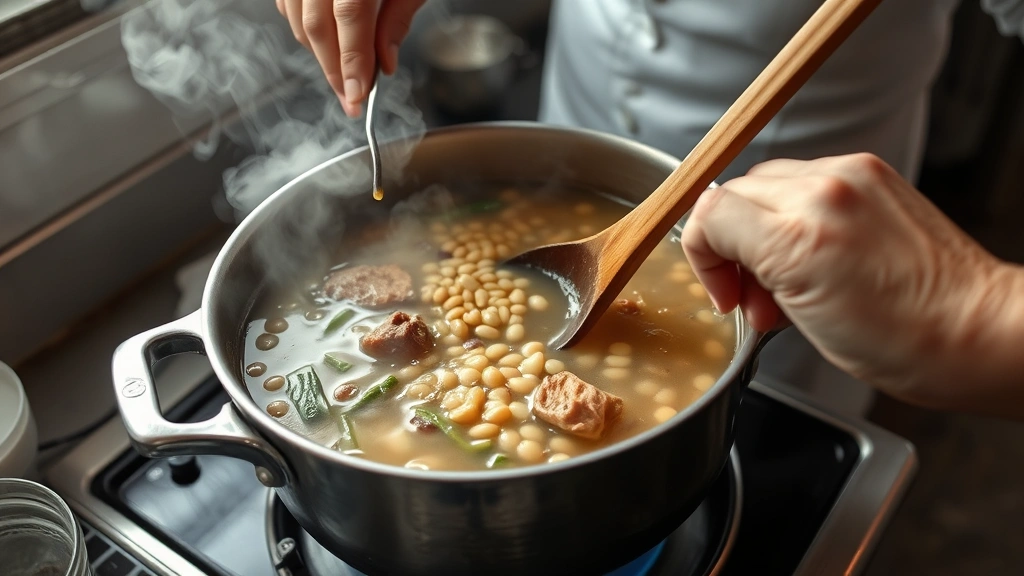
- Pour in the chicken or vegetable broth, scraping up any browned bits from the bottom of the pot with a wooden spoon. These bits are pure flavor and are essential to the depth of your monggo.
- Add the drained mung beans to the pot, stirring well to combine. If you’re using dried mung beans that have been soaked, add them now as well. Bring the mixture to a gentle boil.
- Once boiling, reduce the heat to medium and add the diced carrots if using them. Simmer for about 10 minutes, allowing the beans to warm through and the flavors to meld together beautifully.
- Season the monggo with fish sauce and soy sauce, stirring well. Taste and adjust the seasoning as needed—you may want to add more fish sauce for depth or soy sauce for saltiness. Season with salt and black pepper to your preference.
- Add the bok choy or spinach to the pot, stirring gently to incorporate. If using red chilies for heat, add them now as well. Simmer for an additional 3-5 minutes until the greens are wilted and tender.
- Finally, stir in the fresh malunggay or additional spinach leaves, cooking for just 1-2 minutes until they’re beautifully green and slightly wilted. These leafy greens add a nutritional boost and beautiful color to your finished dish.
- Taste one final time and adjust seasonings if needed. Ladle the hot monggo into bowls and serve immediately with steamed white rice on the side. Enjoy this warm, comforting Filipino classic!
Pro Tips
- For a vegetarian version of this monggo recipe, simply omit the meat and use vegetable broth instead. Add an extra can of mung beans and perhaps some tofu for additional protein.
- If you can’t find malunggay leaves, spinach, kale, or any tender leafy greens work beautifully as substitutes. The goal is to add freshness and nutrition at the end.
- Fish sauce (patis) is essential to authentic Filipino monggo, but if you don’t have it, you can substitute with additional soy sauce or a bit of anchovy paste for that umami depth.
- This dish actually tastes even better the next day as the flavors continue to develop. Store leftovers in an airtight container in the refrigerator for up to 4 days, or freeze for up to 3 months.
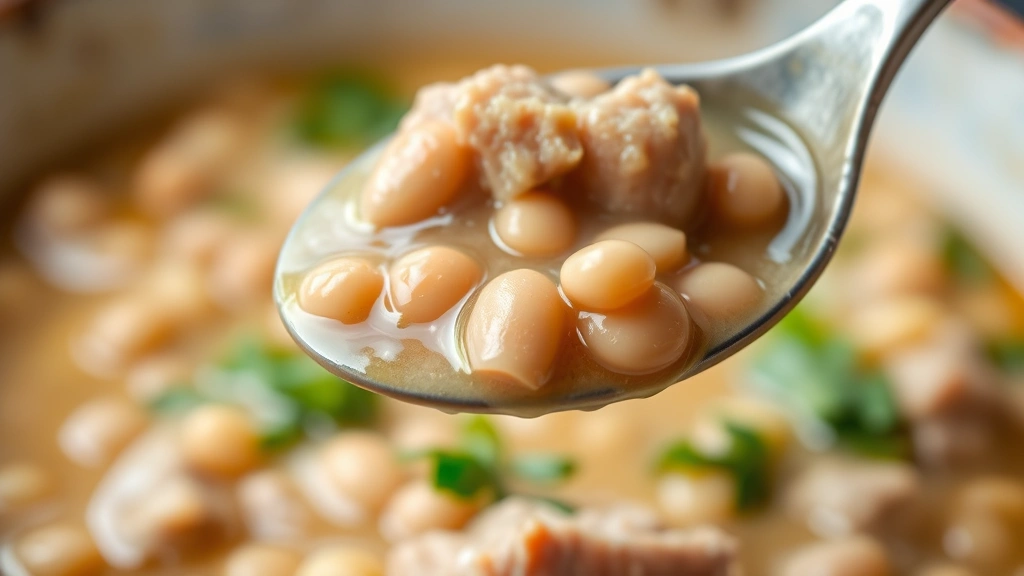
- For a thicker monggo, you can mash some of the beans against the side of the pot with a spoon, which will release their starches and create a creamier consistency.
- If you prefer a brothier version, simply add more chicken or vegetable broth. The consistency is really up to your personal preference.
- Fresh ginger is key to this recipe—it provides warmth and aids in digestion. If you only have ground ginger, use about 1 teaspoon instead of fresh.
- Mung beans are incredibly nutritious, packed with protein, fiber, and essential minerals. They’re also very affordable, making this recipe budget-friendly.
- You can prepare all your ingredients ahead of time (mise en place) to make the actual cooking process even faster.
- Some families add a small amount of peanut butter to their monggo for extra richness, which is also delicious if you’d like to experiment.
- This recipe is naturally gluten-free if you use tamari instead of regular soy sauce.