
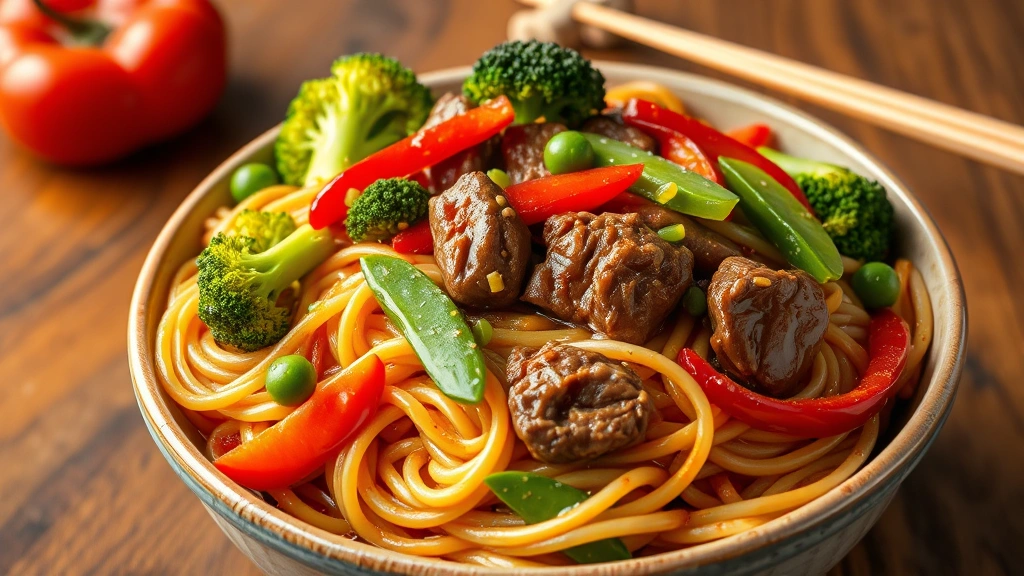
There’s something so incredibly satisfying about a steaming bowl of beef lo mein, especially when you can make it right in your own kitchen in under thirty minutes. This Easy Beef Lo Mein recipe is my go-to weeknight dinner that tastes just like takeout but costs a fraction of the price and is infinitely more customizable to your taste preferences.
I absolutely love making this dish because it comes together so quickly and uses simple, everyday ingredients that you probably already have on hand. The key to making restaurant-quality beef lo mein at home is all about the technique and timing—you want everything prepped before you start cooking, and then it’s just a matter of getting your wok or large skillet nice and hot.
The beauty of this beef lo mein recipe is that it’s endlessly adaptable. If you don’t have beef, you can easily swap it for chicken, shrimp, or even tofu for a vegetarian version. The noodles get tossed in a savory sauce that’s perfectly balanced between salty, sweet, and umami flavors. I’ve perfected this recipe over years of trial and error, and I’m so excited to share it with you today.
One thing I always tell people is that homemade lo mein is actually easier than you might think. The most important step is getting everything prepped and ready before you turn on the heat. Once you start cooking, things move very quickly, so having your beef cut, your vegetables chopped, your sauce mixed, and your noodles cooked is absolutely essential. This recipe serves four people generously as a main course, or you could stretch it to serve six if you’re serving it alongside other dishes like Best Chickpea Salad Recipe or Easy Pickled Red Onion Recipe.
If you’re looking to expand your Asian-inspired weeknight dinner repertoire, you might also enjoy trying some of my other quick pasta dishes like Quick Tasty Bacon Carbonara Recipe or Best Heavy Cream Alfredo Sauce Recipe. The same principles of mise en place and quick cooking apply to all of these dishes.
Let me walk you through exactly how to make this dish. The most crucial element is the sauce—it’s what ties everything together and gives the lo mein that authentic Chinese takeout flavor. I use a combination of soy sauce, oyster sauce, a touch of sesame oil, and some ginger and garlic for depth. Some people like to add a little sriracha or chili oil for heat, and you’re absolutely welcome to do that if you prefer a spicier version.
When it comes to the beef, I recommend using a cut that’s tender and cooks quickly. Flank steak is my go-to choice because it’s affordable and slices beautifully. You can also use sirloin, ribeye, or even ground beef if you prefer. The key is to slice your beef thinly against the grain—this ensures it stays tender and cooks through quickly in the hot wok.
For the noodles, you’ll want to use fresh lo mein noodles if you can find them at your local Asian market, but dried lo mein noodles work beautifully too. In a pinch, you can even use spaghetti or linguine, though it won’t be quite as authentic. Cook them just until they’re al dente because they’ll continue to cook slightly when you toss them in the wok with the hot sauce and beef.
The vegetables I’ve chosen are classic lo mein additions, but again, feel free to use whatever you have on hand. Broccoli, snap peas, carrots, cabbage, and mushrooms are all wonderful options. The combination I’ve suggested gives you a nice variety of textures and flavors, but you could easily make this recipe with whatever vegetables you prefer.
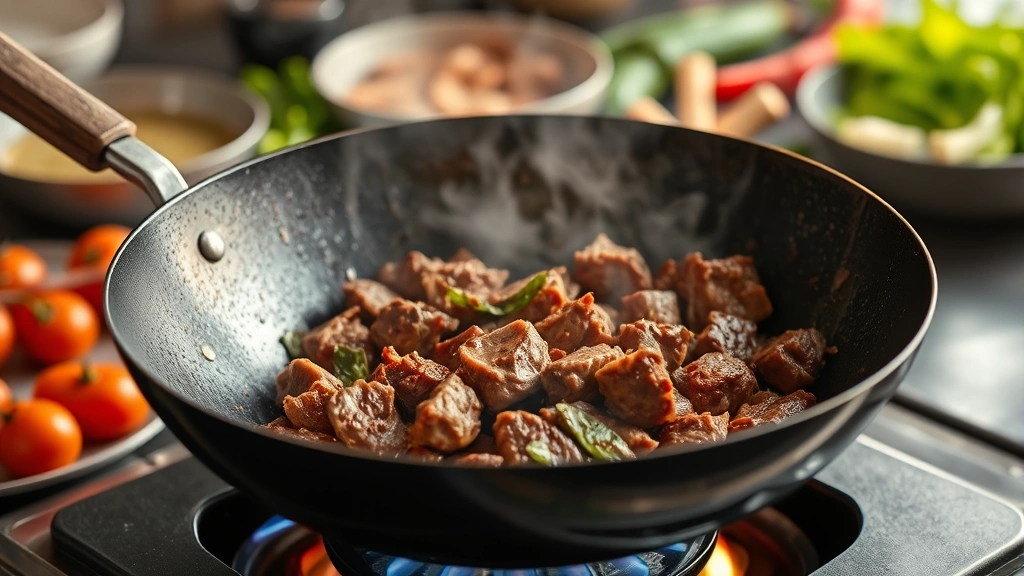
One pro tip that I always share is to cook your beef in batches if your wok or skillet isn’t large enough to accommodate it all at once. Overcrowding the pan will cause the beef to steam rather than sear, and you’ll miss out on that delicious caramelization. Take your time, cook the beef in batches if needed, and set it aside while you cook the vegetables. Then you’ll bring everything back together at the end with the cooked noodles and sauce.
For more detailed techniques on stir-frying and wok cooking, I recommend checking out resources like Serious Eats’ guide to stir-frying or Bon Appétit’s beef lo mein for additional inspiration and techniques.
I also love that this recipe is so budget-friendly. You’re not using expensive ingredients, and most of what you need you probably already have in your pantry. If you don’t have sesame oil on hand, you can substitute it with a little extra vegetable oil, though the sesame oil really does add a beautiful flavor that’s worth having in your pantry.
This beef lo mein recipe is perfect for meal prep too. You can cook it a day or two ahead and reheat it gently in a wok or large skillet with a splash of water or extra sauce to revive the noodles. It also freezes beautifully for up to three months, making it perfect for those nights when you want something delicious but don’t have time to cook.
I genuinely believe that once you master this recipe, you’ll find yourself making it again and again. It’s one of those dishes that brings so much joy to the dinner table, and it’s honestly so much better than any takeout. The flavors are fresher, the ingredients are of higher quality, and you know exactly what’s going into every bite. I hope you enjoy making this as much as I do!
Ingredients
- 1 pound flank steak, thinly sliced against the grain
- 8 ounces fresh or dried lo mein noodles
- 3 tablespoons soy sauce
- 2 tablespoons oyster sauce
- 1 tablespoon sesame oil
- 2 tablespoons vegetable oil, divided
- 4 cloves garlic, minced
- 1 tablespoon fresh ginger, minced
- 1 cup broccoli florets
- 1 red bell pepper, sliced into thin strips
- 1 cup snap peas
- 4 green onions, cut into 2-inch pieces
- 1/2 teaspoon white pepper
- 2 tablespoons water
- 1 teaspoon cornstarch
- Sesame seeds for garnish (optional)
- Red pepper flakes for heat (optional)
Instructions
- Cook the lo mein noodles according to package directions, then drain and set aside. Toss gently with a little sesame oil to prevent sticking.
- In a small bowl, whisk together soy sauce, oyster sauce, sesame oil, water, cornstarch, and white pepper to make the sauce. Set aside.
- Heat 1 tablespoon of vegetable oil in a large wok or skillet over high heat until it’s very hot and just beginning to smoke.
- Working in batches if necessary, add the sliced beef to the hot wok and cook for 2-3 minutes until browned on the outside but still slightly pink in the center. Remove the beef to a clean plate and set aside.
- Add the remaining tablespoon of vegetable oil to the wok and reduce heat to medium-high.
- Add the minced garlic and ginger to the wok and cook for about 30 seconds, stirring constantly, until fragrant.
- Add the broccoli florets and red bell pepper slices to the wok and stir-fry for 3-4 minutes until they’re tender-crisp and beginning to lightly char.
- Add the snap peas to the wok and stir-fry for another 1-2 minutes until they’re bright green and tender-crisp.
- Return the cooked beef to the wok along with the cooked lo mein noodles.
- Pour the sauce mixture over everything in the wok and toss gently but thoroughly for about 2-3 minutes, making sure the noodles are evenly coated and heated through.
- Add the green onion pieces and toss once more to combine.
- Taste and adjust seasonings as needed, adding more soy sauce, sesame oil, or white pepper if desired.
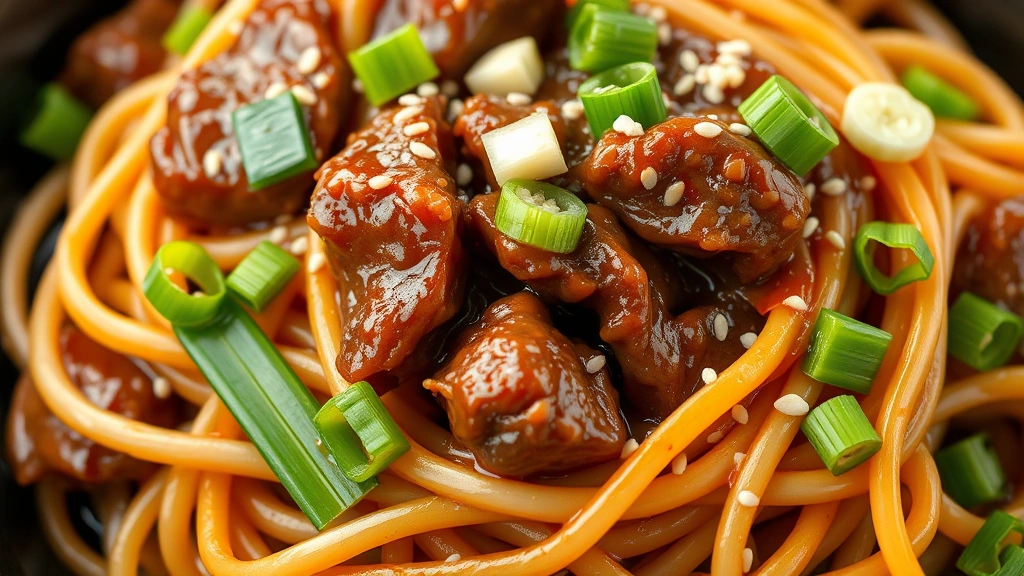
- Transfer to serving bowls and garnish with sesame seeds and red pepper flakes if desired. Serve immediately while hot.
Pro Tips
- This recipe can be easily customized with your favorite vegetables. Mushrooms, carrots, baby corn, water chestnuts, and cabbage are all excellent additions or substitutions.
- For a vegetarian version, simply omit the beef and add an extra cup of vegetables or a block of pressed tofu cut into bite-sized pieces. Cook the tofu until it’s lightly golden before setting aside.
- If you can’t find fresh lo mein noodles at your local market, dried ones work beautifully and are actually easier to store. The cooking time might be slightly different, so check your package directions.
- The key to restaurant-quality lo mein is having everything prepped before you start cooking. Once you turn on the heat, things move very quickly, so mise en place is essential.
- Don’t overcrowd your wok or skillet when cooking the beef. If necessary, cook it in two batches to ensure proper browning and caramelization.
- Slicing the beef against the grain is crucial for tenderness. Look at the direction the muscle fibers are running and cut perpendicular to them.
- The cornstarch in the sauce helps create a silky, light glaze on the noodles rather than a heavy sauce. If you prefer a brothier lo mein, you can increase the water to 1/4 cup and reduce or omit the cornstarch.
- Sesame oil is essential for authentic flavor, but a little goes a long way. Don’t skip it or substitute it with regular vegetable oil, as it really makes a difference.
- This dish is best served immediately after cooking, but leftovers can be stored in an airtight container in the refrigerator for up to three days. Reheat gently in a wok or skillet with a splash of water to revive the noodles.
- For a spicier version, add 1/2 to 1 teaspoon of sriracha or chili oil to the sauce, or garnish individual bowls with red pepper flakes and chili oil.
- Feel free to add cashews or peanuts for extra crunch and protein, or top with a fried egg for a heartier meal.