
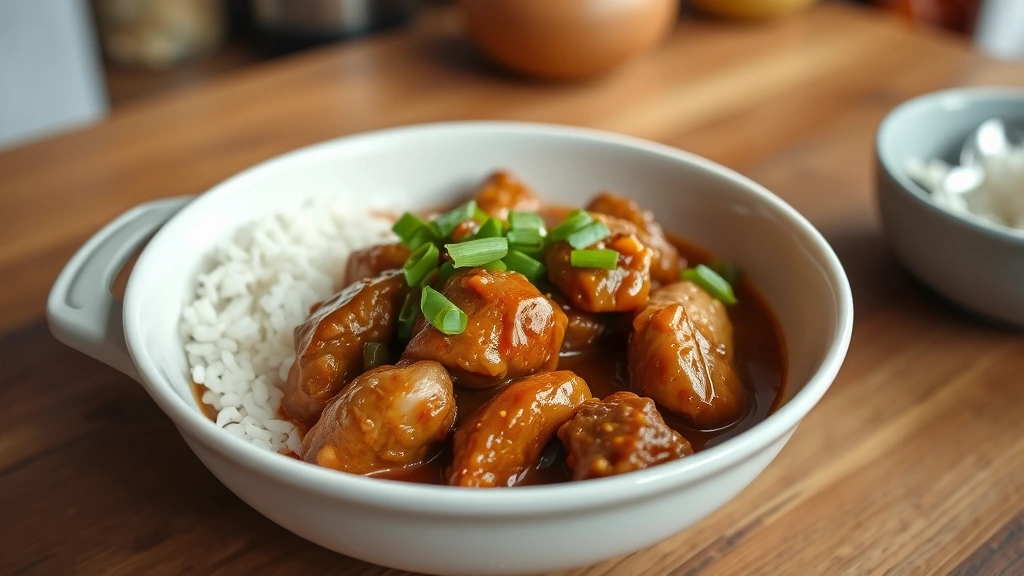
Filipino adobo is the ultimate comfort food that has graced dinner tables across the Philippines for generations. This iconic dish features tender meat braised in a savory-tangy sauce made with vinegar, soy sauce, and garlic, creating layers of umami flavor that are simply irresistible. What makes adobo so special is its simplicity—just a handful of pantry staples transform humble chicken or pork into something absolutely extraordinary.
The beauty of adobo lies in its versatility. Whether you’re cooking for a weeknight family dinner or impressing guests at a special gathering, this dish delivers authentic Filipino flavors that transport you straight to the heart of Manila. The meat becomes fall-apart tender, the sauce develops a rich mahogany color, and your kitchen fills with the most amazing aroma of garlic, bay leaves, and vinegar.
Making adobo at home is easier than you might think. This recipe walks you through each step, ensuring you achieve that perfect balance of savory, tangy, and slightly sweet flavors that define this beloved Filipino classic. Pair it with steamed white rice, and you have a complete meal that satisfies the soul. If you’re exploring other delicious chicken dishes, check out our Chicken Alfredo Recipe for a creamy alternative, or browse our collection of Heavy Cream Pasta Recipe options.
The magic of adobo comes from the cooking process itself. As the meat braises low and slow, the vinegar tenderizes the meat while infusing it with flavor, the soy sauce adds saltiness and depth, and the garlic becomes sweet and mellow. This is comfort cooking at its finest—the kind of dish that brings families together and creates lasting memories around the dinner table. Explore more Filipino-inspired sides like our Chickpea Salad Recipe to round out your menu.
For those interested in expanding their repertoire of international cuisines, Filipino adobo is the perfect gateway into Southeast Asian cooking. The techniques are straightforward, the ingredients are readily available, and the results are consistently delicious. Once you master this recipe, you’ll find yourself making it again and again. Learn more about complementary flavors by checking out our Shishito Peppers Recipe for a unique side dish. For sauce inspiration, don’t miss our Heavy Cream Alfredo Sauce Recipe.
Whether you’re a seasoned home cook or just beginning your culinary journey, this Filipino adobo recipe will become a staple in your kitchen. The combination of simple ingredients creates something truly special—a dish that’s greater than the sum of its parts. Dive in and discover why adobo is considered the national dish of the Philippines, beloved by millions around the world.
Ingredients
- 2 pounds chicken thighs or pork shoulder, cut into 2-inch pieces
- 6 garlic cloves, minced
- 1/2 cup soy sauce
- 1/2 cup white vinegar
- 1 cup chicken broth
- 3 bay leaves
- 1 teaspoon whole black peppercorns
- 1/2 teaspoon ground black pepper
- 2 tablespoons vegetable oil
- 1 medium onion, sliced into rings
- 1 teaspoon salt, or to taste
- 1/2 teaspoon sugar
- Optional: 2-3 potatoes, cubed and fried for serving
- Optional: fresh green onions for garnish
Instructions
- Heat 2 tablespoons of vegetable oil in a large, heavy-bottomed pot or Dutch oven over medium-high heat.
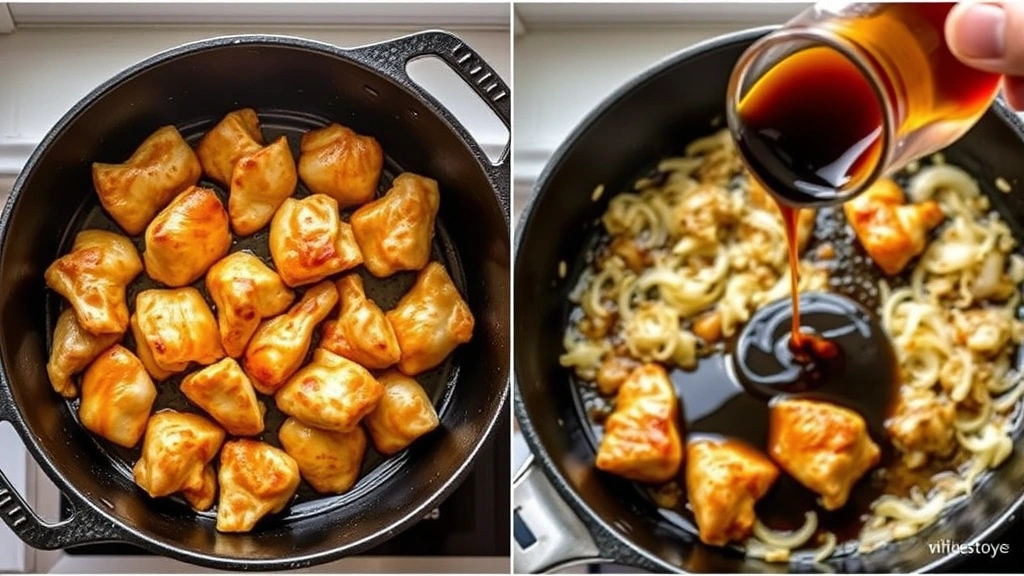
- Once the oil is shimmering, carefully add the meat pieces and work in batches to avoid overcrowding the pot.
- Brown the meat on all sides until golden and caramelized, about 8-10 minutes total. Set the browned meat aside on a clean plate.
- In the same pot with the remaining oil and meat drippings, add the minced garlic and sliced onions.
- Sauté the garlic and onions for about 2-3 minutes, stirring frequently, until fragrant and the onions begin to soften.
- Pour in the soy sauce and white vinegar, scraping up any browned bits from the bottom of the pot with a wooden spoon.
- Return the browned meat to the pot, stirring well to coat all pieces with the sauce.
- Add the chicken broth, bay leaves, whole black peppercorns, and salt to the pot.
- Bring the mixture to a boil, then immediately reduce the heat to low and cover the pot with a lid.
- Simmer gently for 35-40 minutes, stirring occasionally, until the meat is very tender and easily pierced with a fork.
- Taste the adobo and adjust seasoning as needed, adding more salt, soy sauce, or vinegar according to your preference.
- Stir in the sugar to balance the flavors and round out the sauce.
- If you prefer a thicker sauce, increase the heat to medium and simmer uncovered for an additional 5-10 minutes to reduce the liquid.
- Transfer the adobo to a serving dish and garnish with fresh green onions if desired.
- Serve hot over steamed white rice, and top with fried potatoes if using.
Pro Tips
- **Choosing Your Meat**: Chicken thighs are preferred for adobo because their higher fat content keeps them moist and flavorful during the long braise. Pork shoulder is another excellent choice, offering a richer taste. Avoid chicken breasts as they tend to dry out. For a mixed meat version, use equal parts chicken and pork.
- **The Vinegar Factor**: White vinegar is traditional, but some cooks prefer a mix of white vinegar and a splash of apple cider vinegar for added complexity. The vinegar is crucial—it tenderizes the meat and balances the saltiness of the soy sauce. Do not skip or reduce the vinegar.
- **Soy Sauce Selection**: Use a good quality soy sauce for authentic flavor. Filipino brands like Silver Swan or Datu Puti are ideal, but Japanese soy sauce works well too. Avoid low-sodium versions as they lack the depth needed for this dish.
- **Cooking Time Variations**: The cooking time depends on the size of your meat pieces and the tenderness desired. Chicken typically cooks faster (30-35 minutes) than pork (40-50 minutes). If meat isn’t tender after the initial cooking time, simply add more broth and continue simmering.
- **Make-Ahead and Storage**: Adobo actually tastes better the next day as flavors continue to develop. Store leftovers in an airtight container in the refrigerator for up to 4 days. You can also freeze adobo for up to 3 months. Reheat gently on the stovetop over low heat, adding a splash of water if the sauce has thickened too much.
- **Flavor Balance**: The key to perfect adobo is balancing the three main flavors: savory (soy sauce), tangy (vinegar), and umami (garlic and meat). Taste frequently and adjust to your preference. Some families like it more vinegary, others prefer it sweeter. There’s no single ‘correct’ way.
- **Serving Suggestions**: Traditional accompaniments include plain steamed jasmine rice, fried potatoes, and fresh sliced tomatoes. Some families enjoy a side of pickled vegetables or a simple cucumber salad to cut through the richness.
- **Browning the Meat**: Don’t skip the browning step—it develops flavor through the Maillard reaction and creates a more complex, satisfying sauce. Make sure the pot is hot enough and don’t move the meat around too much while browning.
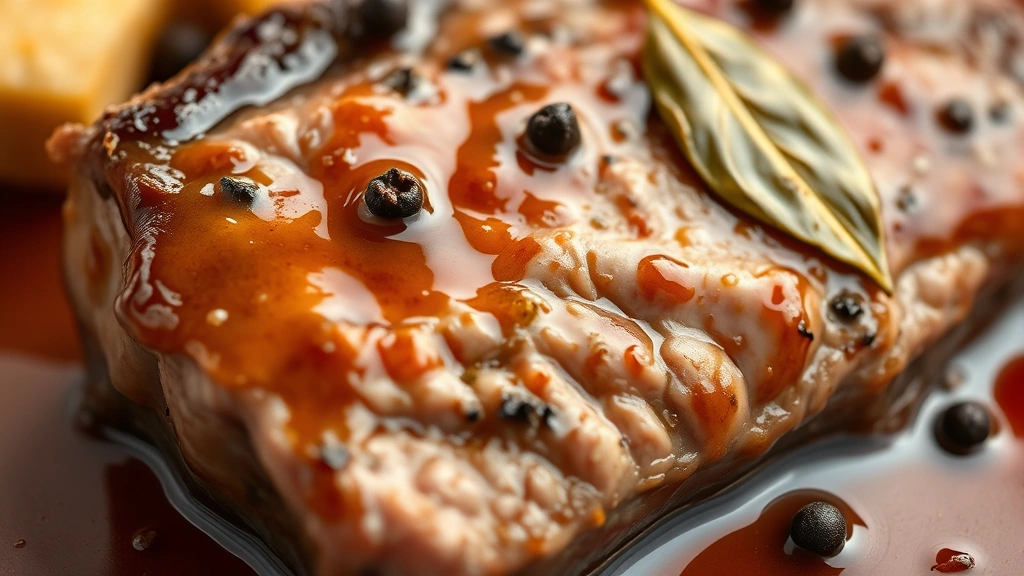
- **Bay Leaves and Peppercorns**: These aromatics are essential but should be removed before serving. If you can’t find whole black peppercorns, ground pepper works, though whole peppercorns provide a cleaner flavor without grittiness.
- **Variations**: Some regional versions add coconut milk for creaminess, liver spread for richness, or hard-boiled eggs. This basic version is the most authentic, but feel free to experiment once you master the classic recipe.