
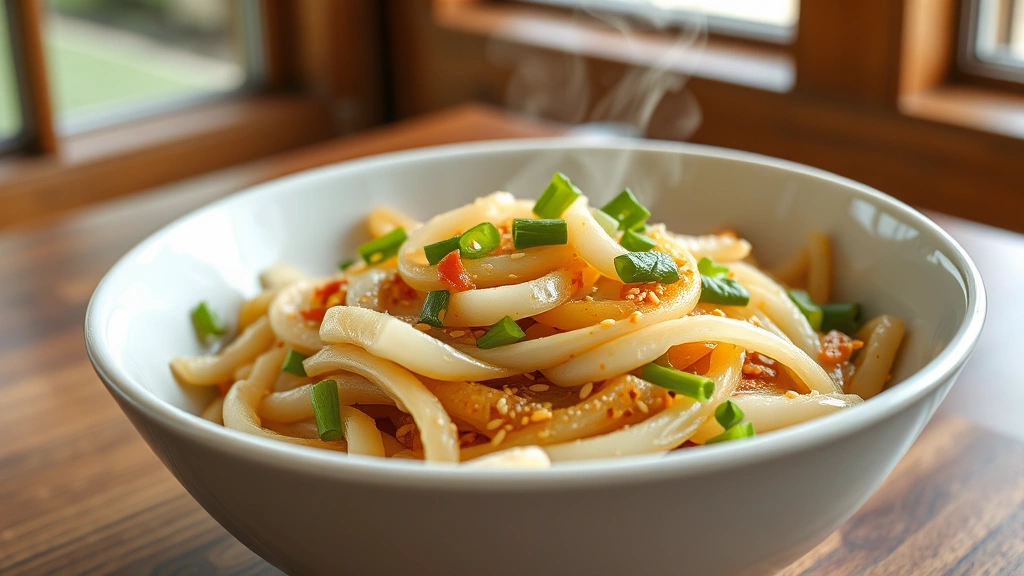
Daikon radish stir-fry is one of those weeknight wonders that feels fancy enough for guests but comes together in under 30 minutes. This crispy-tender vegetable dish is a staple in Asian cuisine, and once you master the basic technique, you’ll find yourself making it constantly. The key to an exceptional daikon radish stir-fry lies in proper preparation and high heat—you want those radishes to develop a beautiful caramelized exterior while maintaining a slight crunch in the center.
What makes daikon radish so special is its mild, slightly sweet flavor that becomes even more pronounced when cooked. Unlike regular red radishes, daikon is much larger, milder, and transforms beautifully under heat. When stir-fried, it develops a tender texture similar to a turnip or potato, but with a unique sweetness that’s distinctly its own. This recipe celebrates that natural flavor while building layers of umami from garlic, ginger, and soy sauce.
I’ve been making this garlic and ginger stir-fry for years, and it’s become a go-to in my kitchen because it’s incredibly versatile. You can serve it as a side dish alongside your favorite protein, toss it with noodles for a complete meal, or even use it as a filling for lettuce wraps. The beauty of this recipe is that it works with whatever vegetables you have on hand—bell peppers, snap peas, and mushrooms are all wonderful additions.
The technique is straightforward but important: you’ll want to slice your daikon radish thin enough that it cooks through quickly, but not so thin that it falls apart during stir-frying. I recommend using a sharp knife or mandoline to get uniform thickness, which ensures even cooking. The uniform size also makes the dish look more polished and restaurant-quality.
One of my favorite aspects of this daikon radish stir-fry is how it showcases the importance of mise en place—having all your ingredients prepped and ready before you start cooking. Stir-frying is a fast-paced cooking technique, and there’s no time to chop vegetables once the heat is on. This recipe is also naturally vegetarian and easily adaptable, making it perfect for mixed dietary preferences at the dinner table.
For best results, use a wok or large skillet with high sides to prevent ingredients from flying out as you toss and stir. Cast iron works beautifully here too, though a traditional wok is ideal for achieving that characteristic restaurant-style heat and finish. Make sure your pan is screaming hot before you add the daikon—this creates that essential caramelization and develops complex flavors.
The aromatics in this dish—fresh garlic, ginger, and scallions—create an incredible flavor base that makes your kitchen smell absolutely amazing. I always use freshly minced garlic and ginger rather than jarred versions, as the fresh versions have superior flavor and brightness. If you want to explore more Asian vegetable stir-fry recipes, this technique transfers beautifully to other vegetables as well.
For the sauce, I keep it simple with soy sauce, a touch of sesame oil, and optional oyster sauce for depth. You can adjust the ratios to your taste preference—if you like things spicier, add chili flakes or sriracha. The sesame oil should always be added at the end to preserve its delicate, nutty flavor.
Serving suggestions include pairing this with steamed rice, alongside roasted chicken or pan-seared fish, or mixing it into fried rice. You can also serve it at room temperature as a side salad at picnics or potlucks. For more inspiration on Asian cooking techniques, check out Serious Eats’ comprehensive stir-fry guide or Bon Appétit’s collection of stir-fry recipes. You might also enjoy exploring New York Times recipes featuring daikon for additional inspiration.
This easy daikon radish stir-fry has become a weeknight staple in my household, and I’m confident it will become one of yours too. It’s healthy, delicious, requires minimal ingredients, and comes together faster than ordering takeout. Once you’ve mastered this basic version, you’ll feel empowered to create endless variations based on what’s in your refrigerator.
Ingredients
- 1 large daikon radish (about 1.5 pounds), peeled and sliced into thin matchsticks or julienne
- 3 tablespoons vegetable oil or peanut oil
- 4 cloves garlic, minced
- 1 tablespoon fresh ginger, minced
- 3 tablespoons soy sauce
- 1 tablespoon oyster sauce (optional)
- 1 teaspoon sesame oil
- 1/2 teaspoon white pepper
- 1/4 teaspoon red pepper flakes (optional, for heat)
- 3 scallions, white and light green parts sliced into 1-inch pieces
- 1 tablespoon rice vinegar
- 1 teaspoon sugar
- 2 tablespoons water
- 1 tablespoon toasted sesame seeds for garnish
- Salt to taste
Instructions
- Prepare all ingredients and arrange them on your work surface in the order you’ll use them. Peel the daikon radish with a vegetable peeler or knife, removing the tough outer layer completely.
- Slice the peeled daikon radish into thin matchsticks approximately 1/8-inch thick and 2-3 inches long. A mandoline slicer works well here, but a sharp chef’s knife also works beautifully. Set the sliced daikon aside in a bowl.
- In a small bowl, whisk together the soy sauce, oyster sauce (if using), rice vinegar, sugar, water, and white pepper. This is your sauce and should be well combined before cooking begins.
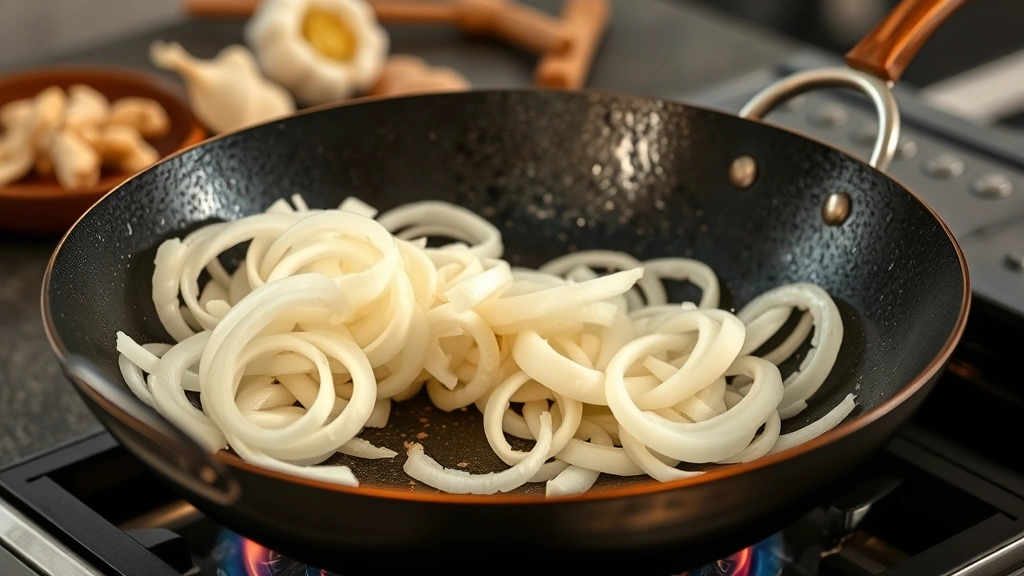
- Place a wok or large skillet over high heat and allow it to get very hot—this usually takes 2-3 minutes. You’ll know it’s ready when you can hold your hand 6 inches above the pan and feel intense heat.
- Once the pan is smoking hot, add 1.5 tablespoons of oil and immediately add the minced garlic and ginger. Stir constantly for 15-20 seconds until fragrant, being careful not to let it burn.
- Add the sliced daikon radish to the pan, spreading it out as much as possible. Let it sit undisturbed for 1-2 minutes to allow the bottom layer to caramelize and develop color.
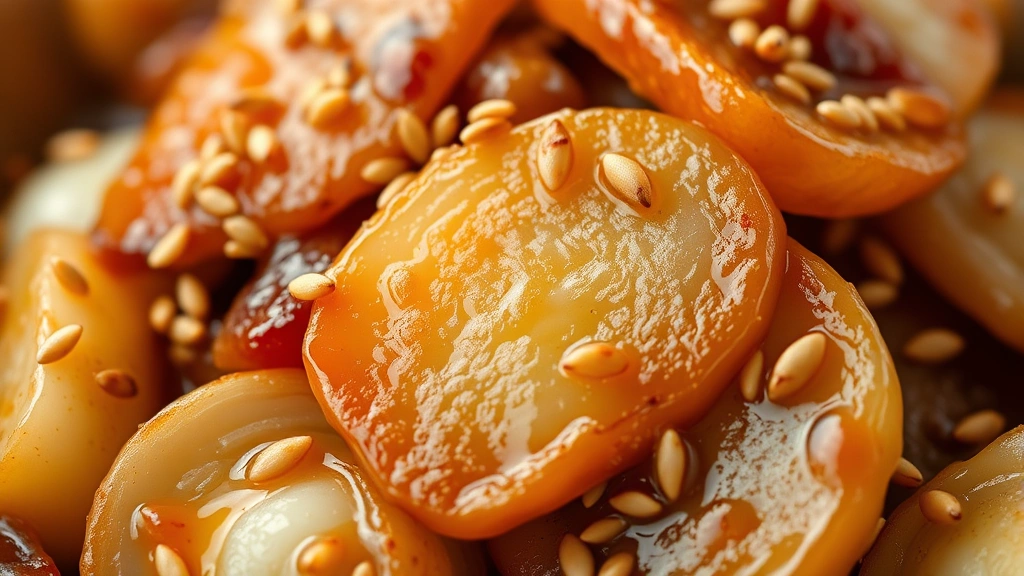
- Using a wooden spoon or spatula, toss and stir the daikon constantly for 3-4 minutes. You want to see some pieces developing golden-brown color on the edges while the radish begins to soften.
- Push the daikon to the sides of the pan and add the remaining 1.5 tablespoons of oil to the center. Add the white and light green parts of the scallions and stir for about 30 seconds.
- Pour the prepared sauce mixture over the daikon and scallions, tossing everything together quickly and constantly for 1-2 minutes. The sauce will reduce and coat all the vegetables evenly.
- Add the red pepper flakes if you like heat, and drizzle the sesame oil over everything while tossing constantly. Taste and add salt as needed—remember the soy sauce already contains salt, so taste first.
- Transfer the daikon radish stir-fry to a serving platter or individual bowls immediately, as it continues to cook from residual heat.
- Garnish generously with toasted sesame seeds and the remaining green parts of the scallions. Serve immediately while still warm and crispy.
Pro Tips
- **Daikon Selection & Storage**: Choose daikon radishes that feel firm and heavy for their size, with smooth skin free from soft spots. Store in the refrigerator in a plastic bag for up to two weeks. Larger daikon radishes tend to be milder and sweeter than smaller ones.
- **Knife Skills Matter**: The thickness of your daikon slices directly impacts cooking time and texture. Aim for uniform thickness so everything cooks evenly. Too thick and it won’t cook through; too thin and it becomes mushy. The 1/8-inch thickness is the sweet spot.
- **High Heat is Non-Negotiable**: Stir-frying requires a very hot pan to achieve proper caramelization and maintain the slight crunch in the vegetables. If your heat isn’t high enough, the daikon will steam rather than fry, resulting in a soggy texture.
- **Don’t Overcrowd the Pan**: If you’re doubling this recipe, cook in two batches rather than overcrowding the pan. Overcrowding lowers the temperature and prevents proper browning.
- **Sauce Variations**: Feel free to adjust the sauce to your preferences. Add more soy sauce for saltiness, more rice vinegar for tanginess, or more sugar for sweetness. Some prefer the addition of a teaspoon of chili oil for a spicy kick.
- **Vegetable Additions**: This recipe works beautifully with additions like bell peppers, snap peas, carrots, mushrooms, or water chestnuts. Add harder vegetables like carrots first, then softer vegetables like mushrooms near the end.
- **Protein Pairings**: Serve over steamed white or brown rice, alongside roasted chicken thighs, pan-seared salmon, or crispy tofu. You can also toss with cooked noodles for a complete meal.
- **Make-Ahead Tips**: You can prep all ingredients several hours ahead, storing them in separate containers in the refrigerator. However, don’t slice the daikon more than 2 hours before cooking, as it can become watery.
- **Sesame Oil Quality**: Invest in good-quality toasted sesame oil, as it makes a noticeable difference. Store in a cool, dark place, as it’s prone to rancidity. It should smell nutty and rich.
- **Leftover Storage**: Store leftovers in an airtight container in the refrigerator for up to 3 days. Reheat gently in a wok or skillet over medium heat, adding a splash of water if needed. The texture won’t be quite as crispy as freshly made, but the flavor remains excellent.