
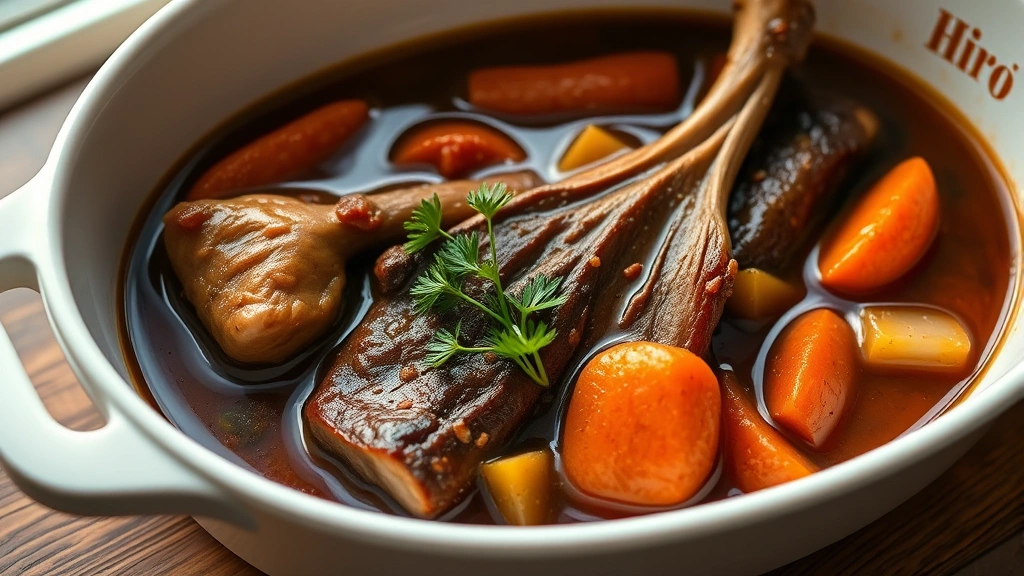
Pork neck bones are an absolute treasure in the kitchen, and once you discover how to prepare them properly, you’ll find yourself making this recipe again and again. These humble cuts are packed with collagen and connective tissue that renders down into the most incredibly rich, savory sauce as they braise low and slow. The meat becomes fall-off-the-bone tender, and the natural gelatin creates a glossy, luxurious coating that tastes far more expensive than the modest price tag suggests.
This easy pork neck bones recipe is the kind of comfort food that fills your home with an irresistible aroma and brings everyone to the table eagerly anticipating dinner. The beauty of neck bones lies in their flavor potential—they’re forgiving, forgiving, and endlessly adaptable to whatever seasonings and vegetables you have on hand. Whether you’re serving this to family on a weeknight or impressing guests at a dinner party, this method delivers restaurant-quality results with minimal fuss.
The cooking technique is straightforward: sear the bones to develop a beautiful golden crust, sauté your aromatics, deglaze the pan, and let everything simmer together until magic happens. What makes this recipe stand out is the balance of seasonings and the importance of not rushing the process. Low and slow is the motto here, and your patience will be rewarded with meat so tender it practically melts on your tongue.
If you love this recipe, you might also enjoy preparing Best Sourdough French Toast Recipe for a completely different but equally satisfying meal, or master the art of Perfect Dijon Vinaigrette Recipe to drizzle over fresh greens alongside your pork. For something with a touch of sweetness to balance the savory richness, consider making Best Fire Honey Recipe to serve on the side. These pork neck bones are incredibly versatile and pair beautifully with so many sides and accompaniments.
According to culinary experts at Serious Eats, braising tough cuts like neck bones is one of the best ways to transform inexpensive ingredients into show-stopping dishes. The moist heat method ensures even cooking and allows flavors to meld beautifully. For more insights on braising techniques, New York Times Cooking offers excellent guidance on perfecting this classic method. You can also find inspiration and variations at Bon Appétit, where they celebrate all kinds of budget-friendly cuts prepared with technique and love.
Ingredients
- 3-4 pounds pork neck bones
- 2 tablespoons olive oil
- 1 large yellow onion, diced
- 4 cloves garlic, minced
- 3 medium carrots, cut into 2-inch pieces
- 3 celery stalks, cut into 2-inch pieces
- 2 cups chicken or pork broth
- 1 cup dry white wine or apple cider vinegar
- 2 bay leaves
- 4-5 sprigs fresh thyme
- 1 teaspoon Dijon mustard
- 1 tablespoon tomato paste
- Salt and black pepper to taste
- 1 teaspoon smoked paprika
- 1/2 teaspoon garlic powder
- 1/4 teaspoon cayenne pepper (optional)
- 2 tablespoons fresh parsley, chopped for garnish
- 2 tablespoons butter (optional, for finishing)
- 1 tablespoon cornstarch mixed with 2 tablespoons cold water (if thickening is desired)

Instructions
- Pat the pork neck bones completely dry with paper towels. This step is crucial for achieving a beautiful golden sear. Any moisture on the surface will create steam and prevent browning.
- Season all the pork neck bones generously on all sides with salt, black pepper, smoked paprika, and garlic powder. Don’t be shy with the seasoning—this is your opportunity to build flavor at the foundation.
- Heat olive oil in a large Dutch oven or heavy-bottomed pot over medium-high heat until it shimmers and just begins to smoke slightly.
- Working in batches to avoid overcrowding the pan, carefully place the pork neck bones in the hot oil. Allow them to sear undisturbed for 3-4 minutes on the first side until a deep golden-brown crust forms.
- Flip each bone carefully and sear for another 3-4 minutes on the second side. Transfer the seared bones to a clean plate and set aside.
- Pour off most of the rendered fat from the pot, leaving about 1 tablespoon to coat the bottom.
- Add the diced onion to the pot and cook for 3-4 minutes, stirring occasionally, until it begins to soften and turn translucent.
- Add the minced garlic and cook for 1 minute more, stirring constantly, until fragrant.
- Stir in the tomato paste and Dijon mustard, coating all the onions and garlic evenly. Cook for 1-2 minutes to caramelize slightly and deepen the flavors.
- Pour in the white wine or apple cider vinegar, using a wooden spoon to scrape up all the flavorful browned bits stuck to the bottom of the pot. This deglazing process is essential for building rich sauce.
- Add the chicken or pork broth and bring the mixture to a gentle simmer.
- Return the seared pork neck bones to the pot along with any accumulated juices.
- Add the carrot pieces, celery pieces, bay leaves, and fresh thyme sprigs, nestling them among the bones.
- Add the cayenne pepper if you prefer a hint of heat.
- Bring everything to a gentle simmer, then reduce the heat to low. The liquid should barely bubble—you’re looking for a gentle, steady simmer rather than a rolling boil.
- Cover the pot with a lid, leaving it slightly ajar to allow some steam to escape.
- Simmer for 2 to 2.5 hours, checking occasionally and skimming any fat or impurities that rise to the surface during the first 30 minutes of cooking.
- The pork is done when the meat is incredibly tender and practically falls off the bones when you touch it with a fork.
- Carefully remove the pork neck bones and vegetables with a slotted spoon, arranging them in a serving dish and tenting with foil to keep warm.
- Strain the braising liquid through a fine-mesh sieve into a saucepan, discarding the bay leaves and thyme sprigs but keeping the softened vegetables if desired.
- If you prefer a thicker sauce, whisk together the cornstarch and cold water to create a slurry, then slowly whisk it into the simmering braising liquid until the sauce reaches your desired consistency.
- Taste the sauce and adjust seasoning with additional salt and pepper as needed.
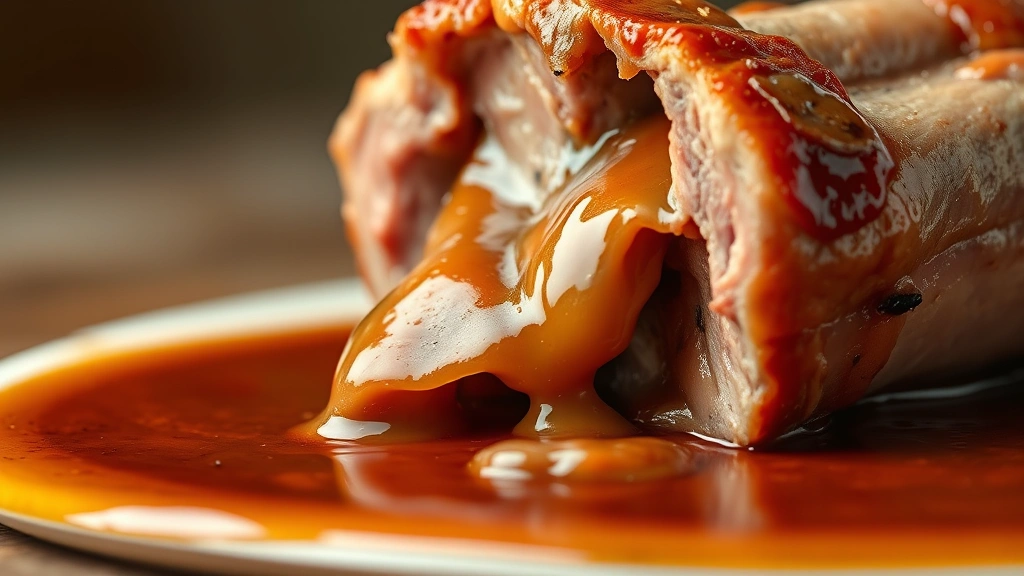
- For extra richness, whisk in the butter while the sauce is still hot, allowing it to emulsify into a glossy coating.
- Pour the finished sauce over the pork neck bones and vegetables.
- Garnish generously with fresh chopped parsley just before serving.
Pro Tips
o Always pat your meat dry before searing—moisture is the enemy of browning and will result in steaming rather than proper caramelization
o Don’t skip the deglazing step when you pour in the wine or vinegar. Those browned bits stuck to the bottom of the pan are packed with concentrated flavor and will elevate your entire dish
o For a deeper, more complex flavor profile, consider using half red wine and half broth instead of white wine, though white wine is classic and preferred for its lighter, cleaner taste
o If you cannot find pork neck bones at your regular grocery store, ask the butcher counter directly—they often have them available or can special order them for you at reasonable prices
o This dish is perfect for make-ahead cooking. Braise the bones a day or two in advance, refrigerate everything together, and gently reheat on the stovetop. The flavors actually deepen and improve after a day or two
o Leftover pork neck bones and sauce freeze beautifully for up to three months. Portion into freezer-safe containers and thaw overnight in the refrigerator before reheating
o Serve this over creamy mashed potatoes, buttered egg noodles, polenta, or alongside crusty bread for soaking up every last drop of that incredible sauce
o The rendered fat from the bones is liquid gold for cooking vegetables or making gravy. Save it and refrigerate separately for future use
o If your braising liquid seems too thin after cooking, you can reduce it by simmering uncovered for 10-15 minutes to concentrate the flavors and create a more luxurious sauce
o Fresh thyme is preferred over dried for this recipe, but if you only have dried thyme, use about 1.5 teaspoons instead of the fresh sprigs
o This recipe doubles easily if you’re feeding a larger crowd—just ensure your pot is large enough and add about 30 minutes to the cooking time