
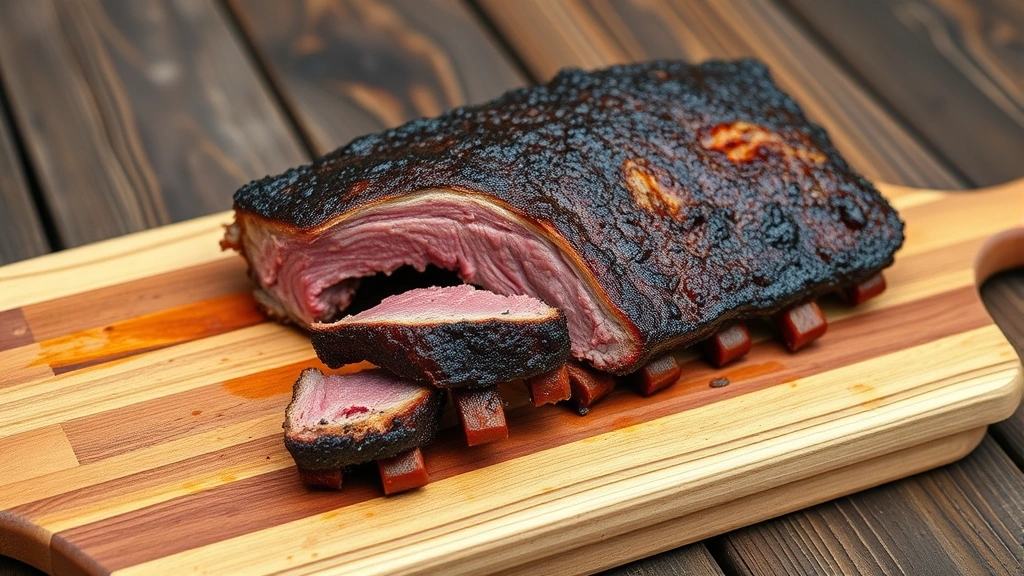
There’s something absolutely magical about smoked beef ribs – those massive, meaty bones coated in a gorgeous bark, with tender, pink smoke rings running through the meat. This isn’t just barbecue; it’s an art form that transforms simple beef ribs into something truly extraordinary. Perfect smoked beef ribs require patience, the right technique, and quality ingredients, but I promise you the results are worth every minute of planning.
I’ve been smoking beef ribs for years, and I’ve learned that the secret to achieving that perfect balance of smoky flavor, tender meat, and beautiful crust comes down to understanding a few key principles. First, you need to select the right cut – we’re talking about beef short ribs or plate ribs, not the smaller back ribs. These substantial cuts have enough meat and fat to withstand the long smoking process and develop incredible flavor. The key is maintaining consistent temperature, using the right wood for smoking, and applying a dry rub that complements rather than overpowers the natural beef flavor.
The smoking process itself is a beautiful dance between time and temperature. Most pitmasters follow the “3-2-1” method or variations of it, which gives you a framework for achieving that perfect texture. What makes my approach special is the careful attention to the stall – that frustrating plateau where the internal temperature seems to stop rising. Many people panic here, but this is actually when the magic is happening. The moisture evaporating from the meat is tenderizing it from the inside out.
One thing I’ve discovered through countless smoking sessions is that the quality of your smoker matters, but technique matters more. Whether you’re using a drum smoker, offset firebox, or pellet smoker, the principles remain the same. You’ll want to maintain a steady temperature around 225-250°F, use quality hardwood smoke (I prefer hickory and oak for beef), and resist the urge to open that smoker door constantly. Every time you peek, you’re extending your cooking time and losing precious heat and smoke.
The dry rub is where you can really make these ribs shine. I use a combination of brown sugar, paprika, garlic powder, onion powder, black pepper, and just a touch of cayenne. The brown sugar caramelizes during smoking, creating that gorgeous bark that everyone loves. Don’t be shy with the rub – beef ribs can handle bold flavors, and the smoke will complement rather than compete with them.
Basting is another crucial step that many people overlook. About halfway through the cooking process, I like to mop the ribs with a butter-based mixture that keeps them moist and adds another layer of flavor. This also helps develop that beautiful bark we’re after. The combination of spice rub, smoke, and buttery basting liquid creates a complexity of flavor that’ll have your guests asking for your secret.
Temperature management is absolutely critical when smoking beef ribs. You want to cook low and slow, but not so low that you’re cooking for twelve hours. A temperature of 225-250°F is ideal – hot enough to develop good bark and rendering, but low enough that you’re not drying out the meat. Use a reliable meat thermometer, and don’t rely solely on time. Every smoker is different, and environmental factors like wind and outside temperature can affect cooking times significantly.
The final temperature you’re aiming for is around 195-203°F in the thickest part of the meat, between the bones. At this point, the connective tissue has broken down, the fat has rendered beautifully, and you’ve got meat so tender it practically falls off the bone. But here’s the thing – beef ribs won’t pull off the bone quite like pork ribs do, and that’s okay. A slight resistance means you’ve nailed the texture perfectly.
Resting is the final, often-forgotten step that brings everything together. After you pull those ribs off the smoker, let them rest for 10-15 minutes. This allows the juices to redistribute throughout the meat, ensuring every bite is moist and flavorful. Wrap them loosely in foil during this time to keep them warm. When you slice into those ribs and see that beautiful pink smoke ring, you’ll know every moment was worth it.
For serving, I recommend slicing the ribs between the bones and arranging them on a platter with some fresh herbs for garnish. A light drizzle of barbecue sauce or a finishing sauce is optional – these ribs are perfect on their own, but a good sauce complements them beautifully. Pair them with classic sides like coleslaw, baked beans, or cornbread, and you’ve got a meal that’ll impress even the most serious barbecue enthusiasts.
Ingredients
- 1 full rack of beef short ribs (8-10 pounds), or 2 racks of beef plate ribs
- 3 tablespoons brown sugar
- 2 tablespoons smoked paprika
- 1 tablespoon garlic powder
- 1 tablespoon onion powder
- 1 tablespoon black pepper
- 1 tablespoon kosher salt
- 1 teaspoon cayenne pepper
- 1 teaspoon dry mustard
- 4 tablespoons unsalted butter
- 2 tablespoons apple juice
- 1 tablespoon Worcestershire sauce
- 1 tablespoon honey
- Hickory or oak wood for smoking
- Optional: your favorite barbecue sauce for finishing
Instructions
- Remove the beef ribs from the refrigerator 30 minutes before smoking to allow them to come to room temperature, which ensures even cooking throughout.
- Trim any excess fat from the back of the ribs, leaving about 1/4 inch for flavor and moisture, and remove the membrane from the bone side by sliding a butter knife under it and peeling it away.
- In a small bowl, combine the brown sugar, smoked paprika, garlic powder, onion powder, black pepper, kosher salt, cayenne pepper, and dry mustard to create your dry rub.
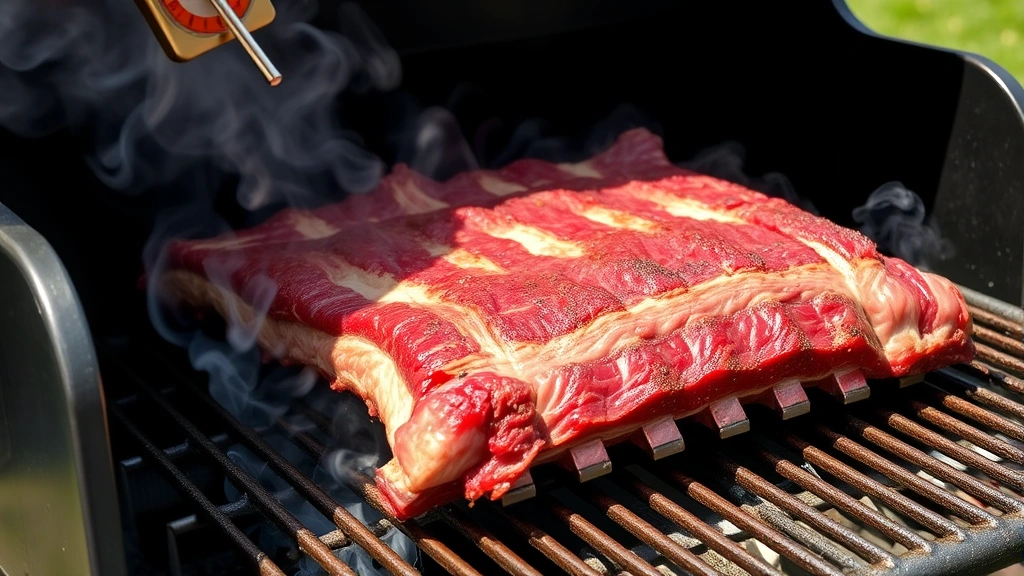
- Generously apply the dry rub to all sides of the beef ribs, making sure to get into all the crevices between the bones, and let them sit for 10-15 minutes to allow the rub to set.
- Prepare your smoker by cleaning the grates thoroughly and setting it up for smoking at 225-250°F, using hickory or oak wood for fuel.
- Once your smoker is preheated and maintaining a steady temperature of 225°F, place the ribs bone-side down on the grates, leaving space between them for smoke circulation.
- Smoke the ribs uncovered for approximately 3 hours, allowing the smoke to create a beautiful bark on the exterior and establish that coveted smoke ring.
- In a small saucepan, melt the butter over low heat and stir in the apple juice, Worcestershire sauce, and honey to create your mop sauce.
- After 3 hours, remove the ribs from the smoker and brush them generously with the mop sauce on all sides, then return them to the smoker.
- Continue smoking for another 1.5 to 2 hours, or until the internal temperature of the thickest part of the meat reaches 195-203°F when measured with a meat thermometer.
- Remove the ribs from the smoker and wrap them loosely in foil, then let them rest for 10-15 minutes to allow the juices to redistribute throughout the meat.
- Unwrap the ribs and slice between the bones, arranging them on a serving platter and brushing with additional barbecue sauce if desired.

Pro Tips
Temperature Consistency: Invest in a quality wireless meat thermometer with a probe. This allows you to monitor the internal temperature without opening the smoker door constantly. Consistency in temperature is more important than hitting an exact number.
Smoke Wood Selection: Hickory provides a strong, bold smoke flavor that pairs beautifully with beef. Oak gives a milder, cleaner smoke. You can also use a combination of both for complexity. Avoid lighter woods like fruit woods for beef ribs – save those for pork and poultry.
The Stall: Around 150-160°F internal temperature, the meat’s temperature will plateau for an hour or more. This is completely normal and is when collagen is breaking down into gelatin. Don’t panic – just keep your smoker steady and be patient.
Mop Sauce Variations: While the butter-apple juice combination is classic, you can experiment with different mop sauces. Try beef broth with butter, or a vinegar-based mixture. The key is having enough liquid to keep the ribs moist without washing away your bark.
Resting Is Non-Negotiable: No matter how tempting it is to dive in immediately, resist the urge. That 10-15 minute rest is crucial for moisture retention and flavor development. The residual heat will continue cooking the meat slightly while the juices redistribute.
Smoke Ring Development: The pink smoke ring you see isn’t food coloring – it’s a chemical reaction between myoglobin in the meat and nitrogen dioxide from the smoke. It’s a sign of proper smoking technique and happens in the first few hours.
Storage and Leftovers: Smoked beef ribs keep well in the refrigerator for up to four days. Reheat them wrapped in foil at 250°F for about 30 minutes. You can also freeze them for up to three months.
Smoker Type Flexibility: This recipe works with offset smokers, drum smokers, kamado grills, and even pellet smokers. The principles remain the same regardless of equipment – consistent temperature, quality smoke, and patience.