
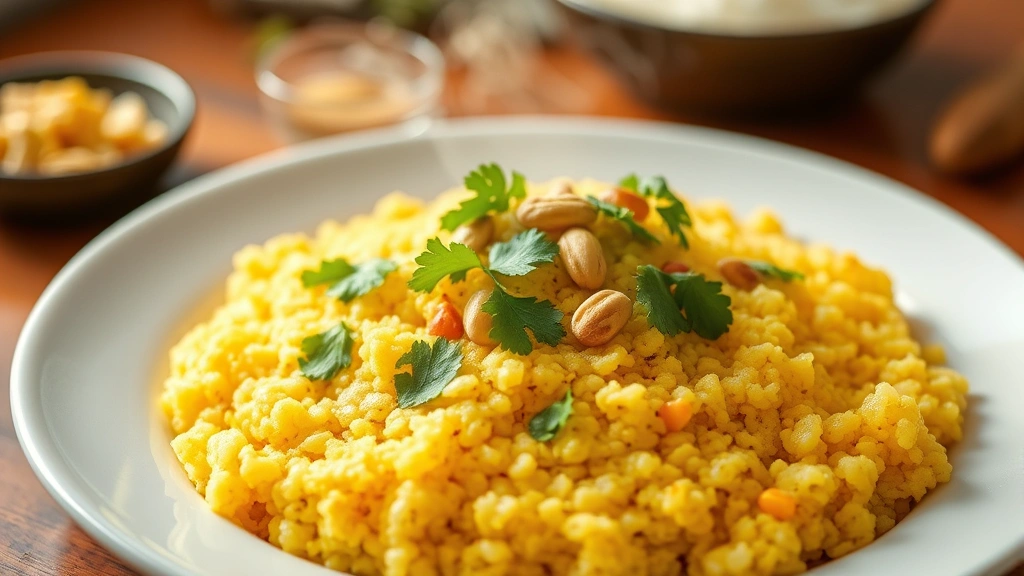
There’s something absolutely magical about starting your day with authentic Indian breakfast foods. These quick and simple recipes bring the vibrant flavors of India right to your morning table, and the best part? They’re easier to make than you might think!
Indian breakfasts are a celebration of spices, textures, and bold flavors that wake up your taste buds and energize your day. Whether you’re looking for something savory like fluffy dosa, crispy pakora, or comforting upma, these traditional recipes have been simplified for the modern home cook. What makes Indian breakfast so special is how it balances nutrition with incredible taste—you’ll find protein-rich legumes, whole grains, fresh vegetables, and aromatic spices all working together in perfect harmony.
I’ve always been fascinated by how Indian cuisine transforms humble ingredients into restaurant-quality dishes with minimal fuss. The beauty of these breakfast recipes is that they don’t require fancy equipment or hard-to-find ingredients. Most items you’ll need are probably already in your pantry, and what you don’t have can be easily found at any grocery store.
What I love most about preparing Indian breakfast is how the kitchen fills with incredible aromas—the tempering of mustard seeds, the warmth of turmeric, the earthiness of cumin. It’s not just about feeding your family; it’s about creating an experience. These recipes have been passed down through generations and adapted for busy mornings, proving that delicious food doesn’t have to be complicated.
The recipes I’m sharing with you today are versatile enough for weekday mornings but impressive enough for weekend brunches or special occasions. You can prepare components ahead of time, customize heat levels to your preference, and even meal prep certain elements for grab-and-go breakfasts.
If you’re new to Indian cooking, don’t be intimidated by the spice list. These are building blocks of flavor, and I’ll guide you through each step. For those already familiar with Indian cuisine, you’ll appreciate how these recipes honor traditional techniques while keeping prep time minimal. Consider pairing these with our Best Chickpea Salad Recipe for a more complete meal, or explore our Best Shishito Peppers Recipe for a fresh side dish.
Let me walk you through the fundamentals of Indian breakfast cooking. The foundation often starts with tempering—heating oil or ghee and adding whole spices to infuse them with flavor. This technique appears in many traditional recipes and creates layers of complexity that make Indian food so addictive. Understanding this simple technique will elevate all your Indian cooking.
The ingredients used in Indian breakfasts are nutritionally dense and designed to sustain you throughout the morning. Lentils provide plant-based protein and fiber, yogurt offers probiotics and calcium, and the spices aren’t just for flavor—they have anti-inflammatory and digestive benefits too. This is why Indian breakfasts have been a cornerstone of healthy eating for thousands of years.
What makes these recipes truly special is their adaptability. You can make them vegetarian, vegan, or add proteins like paneer and eggs based on your preferences. The cooking techniques are forgiving, and slight variations in spice amounts won’t ruin the dish—they’ll just make it your own.
For those interested in exploring more protein-rich options, check out our Easy Chicken Alfredo Recipe for dinner inspiration. You might also want to explore Bon Appétit’s Spiced Chickpea Breakfast Bowl for additional morning meal ideas.
I encourage you to taste as you cook and adjust seasonings to your preference. Indian cooking is intuitive, and once you understand the basic flavor profiles, you’ll feel confident creating your own variations. Start with these foundational recipes, master the techniques, and soon you’ll be improvising with confidence.
The beauty of quick Indian breakfast recipes is that they prove healthy eating doesn’t require hours in the kitchen. With proper planning and these simplified techniques, you can have a restaurant-quality breakfast on the table in under thirty minutes. Many components can be prepped the night before, making mornings even smoother.
I’m excited to share these recipes with you. They represent the heart of Indian cuisine—bold flavors, wholesome ingredients, and the joy of sharing food with loved ones. Whether you’re cooking for yourself, your family, or impressing guests, these recipes will deliver authentic taste with modern convenience. Let’s get started on your Indian breakfast journey!
Ingredients
- 2 cups semolina (rava or suji)
- 1 cup plain yogurt
- 1 cup water
- 2 green chilies, finely chopped
- 1 inch ginger, minced
- 1/4 cup fresh cilantro, chopped
- 1/4 cup roasted peanuts, crushed
- 2 tablespoons ghee or oil
- 1 teaspoon mustard seeds
- 1 teaspoon cumin seeds
- 1 dried red chili
- 8-10 curry leaves
- 1/2 teaspoon turmeric powder
- Salt to taste
- 1/4 teaspoon black pepper
- 1/4 teaspoon asafoetida (hing)
- Butter for serving (optional)
Instructions
- Dry roast the semolina in a large pan over medium heat for 5-7 minutes, stirring constantly, until it becomes fragrant and slightly golden. This step is crucial as it prevents lumps and adds a nutty flavor. Transfer to a bowl and let cool for 2 minutes.
- While the semolina cools, prepare your aromatics: finely chop the green chilies, mince the ginger, chop the cilantro, and crush the peanuts. Having everything ready before you start cooking is essential for smooth preparation.
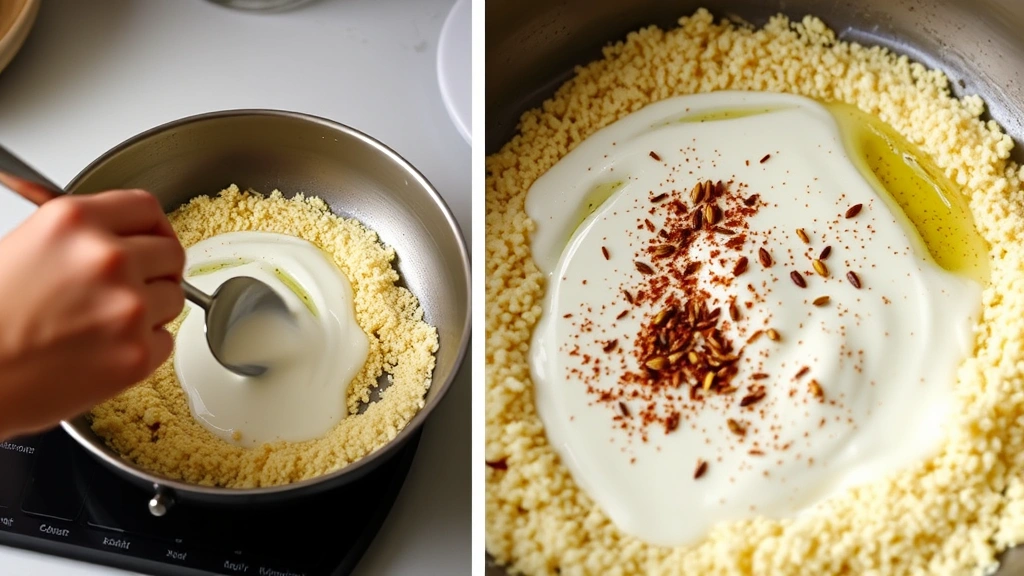
- In a separate bowl, whisk together the yogurt and water until smooth. This mixture will be added to the semolina and prevents lumping.
- Heat the ghee in a large, heavy-bottomed pan or seasoned cast iron over medium-high heat. Once shimmering, add the mustard seeds and wait for them to finish popping—this usually takes about 30 seconds.
- Add the cumin seeds, dried red chili, and curry leaves to the tempered oil. Stir continuously for about 15 seconds until the curry leaves are crispy and the spices are fragrant. This creates the flavor foundation for the entire dish.
- Reduce heat to medium and add the minced ginger and chopped green chilies to the pan. Sauté for about 1 minute, stirring constantly to prevent burning.
- Add the roasted semolina to the pan and stir well for 2-3 minutes, coating all the grains with the ghee and spices. You should hear a gentle sizzling and smell toasted aromas.
- Carefully pour the yogurt-water mixture into the pan while stirring constantly. Work slowly and deliberately to avoid lumps. Keep stirring for about 3-4 minutes as the mixture begins to come together.
- Add the turmeric powder, asafoetida, salt, and black pepper. Mix thoroughly to distribute the spices evenly throughout the upma.
- Continue cooking over medium heat for 5-7 minutes, stirring frequently, until the mixture transforms from wet to a crumbly, dry texture. The upma is done when it holds together when pressed but still has individual grains.
- Fold in the crushed peanuts and most of the fresh cilantro, reserving some for garnish. Adjust salt and spice levels to your preference.
- Transfer the upma to a serving plate, garnish with remaining cilantro, a drizzle of ghee if desired, and additional crushed peanuts. Serve immediately while warm.
Pro Tips
o The dry roasting of semolina is non-negotiable—it prevents lumps and adds a nutty dimension that makes all the difference. Don’t skip this step or rush through it.
o You can customize this dish extensively based on what’s in your kitchen. Add diced carrots, peas, corn, or bell peppers to the tempering oil for extra nutrition and color.
o For a protein boost, add diced paneer, cashews, or even scrambled eggs mixed in at the end. Some families add boiled potatoes for heartiness.
o The yogurt addition is what makes this version special—it adds tanginess and moisture while reducing the ghee needed. If you don’t have yogurt, use water, but the taste will be slightly different.
o Make sure your pan is large enough—upma expands as it cooks and you need room to stir. An 11 or 12-inch pan is ideal for this quantity.
o The tempering oil infuses the entire dish with flavor, so don’t be shy with the spices. They’re not overpowering when done correctly—they create layers of taste.
o Leftover upma can be refrigerated for up to 3 days. Reheat gently with a splash of water or milk to restore the desired texture.
o For meal prep, you can roast the semolina and chop all vegetables the night before. The actual cooking takes only about 15 minutes once you start.
o Serve upma with a dollop of coconut chutney, tomato chutney, or sambar for a complete breakfast experience. A glass of fresh lime juice or buttermilk pairs wonderfully.
o If you prefer a sweeter version, some South Indian variations add jaggery instead of salt, creating a unique sweet-savory breakfast dish.
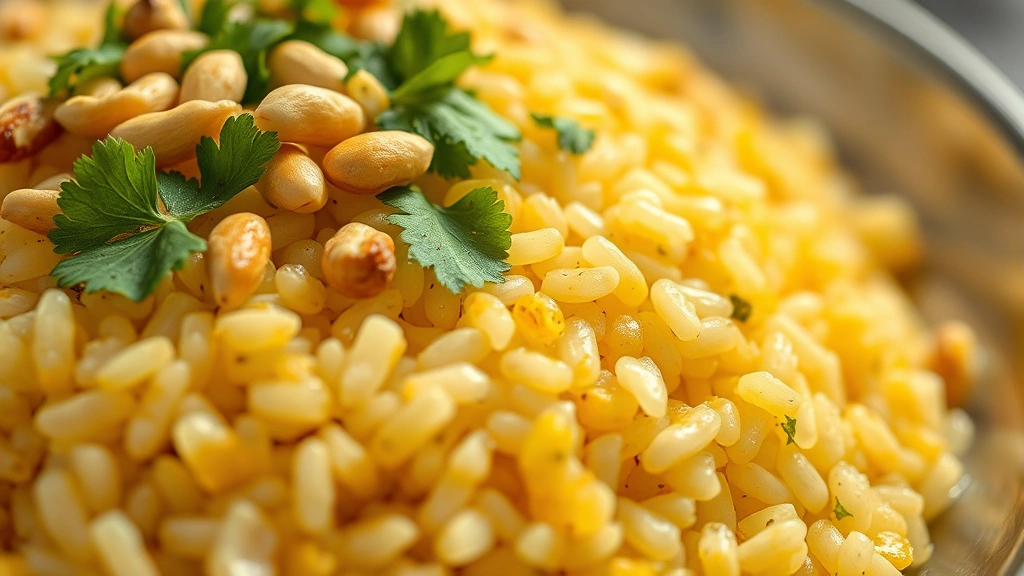
o The consistency should be like couscous or risotto—moist but not wet, with individual grains visible. If it’s too dry, add water by the tablespoon.
o Asafoetida (hing) has a strong aroma, but it mellows significantly during cooking and adds important digestive benefits and umami depth. Don’t omit it.