
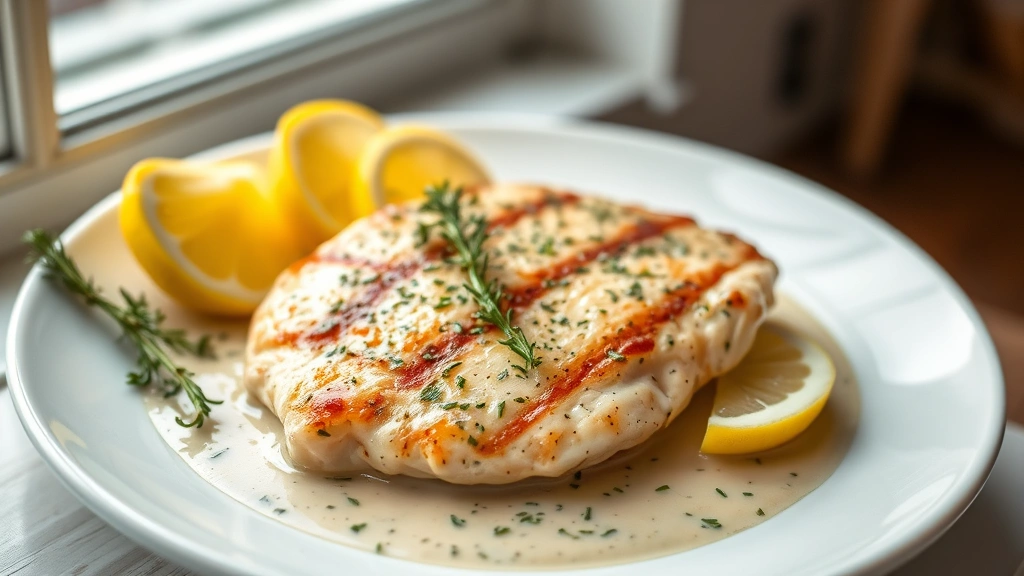
Cooking for your health doesn’t mean sacrificing flavor, and this delicious low sodium chicken recipe proves it! Whether you’re watching your salt intake due to dietary restrictions or simply trying to eat better, this elegant dish delivers restaurant-quality results with wholesome ingredients and bold, natural flavors. The secret lies in using fresh herbs, citrus, and quality aromatics to create depth without relying on salt. This versatile chicken works beautifully for weeknight dinners or when you’re entertaining guests who appreciate lighter fare.
What I absolutely love about this recipe is how adaptable it is to your pantry and preferences. You can prepare it on the stovetop for a quick weeknight meal, or slow-roast it in the oven for a more hands-off approach. The cooking method is forgiving, and the chicken stays incredibly moist and tender throughout. Pair it with roasted vegetables or a fresh salad, and you’ve got a complete, nourishing meal that doesn’t taste like diet food at all.
If you’re new to cooking low sodium, you might also enjoy exploring other nutritious breakfast options or checking out some wholesome grain recipes for variety. For those who prefer Mediterranean flavors, this chicken pairs beautifully with the techniques used in creating artisan bread accompaniments.
The beauty of low sodium cooking is that it encourages you to become more intentional about your ingredients. Rather than masking flavors with salt, you’re building layers of taste through technique and quality components. This particular recipe uses a combination of lemon, fresh thyme, garlic, and a touch of white wine to create a sauce that’s absolutely irresistible. Every element serves a purpose, and nothing feels like a compromise.
For an elegant dinner party, consider serving this alongside roasted root vegetables and finishing with something special like decadent French toast for dessert, or keep it light with fresh fruit. If you’re looking for lighter dessert inspiration, check out this refreshing strawberries and cream ice cream recipe.
According to culinary experts at Serious Eats, the key to perfectly cooked chicken is understanding proper temperature and resting time. This recipe incorporates those principles for guaranteed success. For more sodium reduction tips, the New York Times cooking guide offers excellent insights into building flavor without salt. You’ll also find wonderful herb-forward chicken recipes at Bon Appétit that complement this approach perfectly.
Ingredients
- 4 boneless, skinless chicken breasts (about 6-8 oz each)
- 3 tablespoons extra virgin olive oil, divided
- 4 cloves fresh garlic, minced
- 2 fresh lemon, zested and juiced (about ½ cup juice)
- 1 cup low sodium chicken broth
- ½ cup dry white wine (or additional broth)
- 4 sprigs fresh thyme (or 1 teaspoon dried)
- 3 sprigs fresh rosemary
- 2 bay leaves
- ½ teaspoon black pepper (freshly ground)
- ¼ teaspoon garlic powder
- 2 tablespoons fresh parsley, chopped
- 1 tablespoon fresh dill (optional, for garnish)
- 2 tablespoons unsalted butter (cold, cut into small pieces)
- 1 tablespoon cornstarch (optional, for thicker sauce)
Instructions
- Pat chicken breasts dry with paper towels and allow them to sit at room temperature for about 10 minutes. This helps them cook more evenly. Season both sides generously with freshly ground black pepper and garlic powder, then set aside.
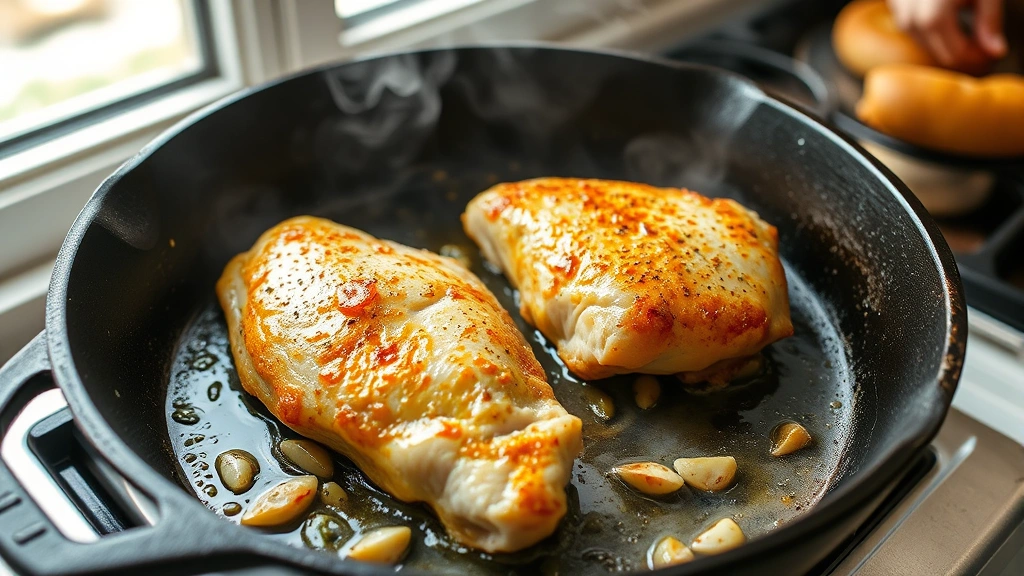
- Heat 1½ tablespoons of olive oil in a large skillet over medium-high heat. Once the oil is shimmering and just starting to smoke lightly, carefully place the chicken breasts in the pan.
- Sear the chicken for 4-5 minutes on the first side without moving them, allowing a beautiful golden crust to form. Flip and sear for another 3-4 minutes on the second side until golden. Transfer to a plate and set aside.
- Reduce heat to medium and add the remaining 1½ tablespoons of olive oil to the same skillet. Add minced garlic and cook for about 1 minute, stirring frequently, until fragrant but not browned.
- Pour in the white wine, scraping up any flavorful browned bits from the bottom of the pan with a wooden spoon. Let it simmer for 2 minutes to cook off some of the alcohol.
Add the lemon juice, lemon zest, chicken broth, thyme sprigs, rosemary sprigs, and bay leaves to the skillet.
- Return the seared chicken breasts to the skillet, nestling them into the liquid. The chicken should be mostly covered by the cooking liquid. Bring to a gentle simmer.
- Reduce heat to medium-low and cover the skillet partially with a lid. Simmer for 12-15 minutes until the chicken reaches an internal temperature of 165°F when measured at the thickest part with an instant-read thermometer.
- Remove the chicken to a clean plate and tent loosely with foil to keep warm. Increase heat to medium-high and simmer the sauce for 3-4 minutes to reduce and concentrate flavors.
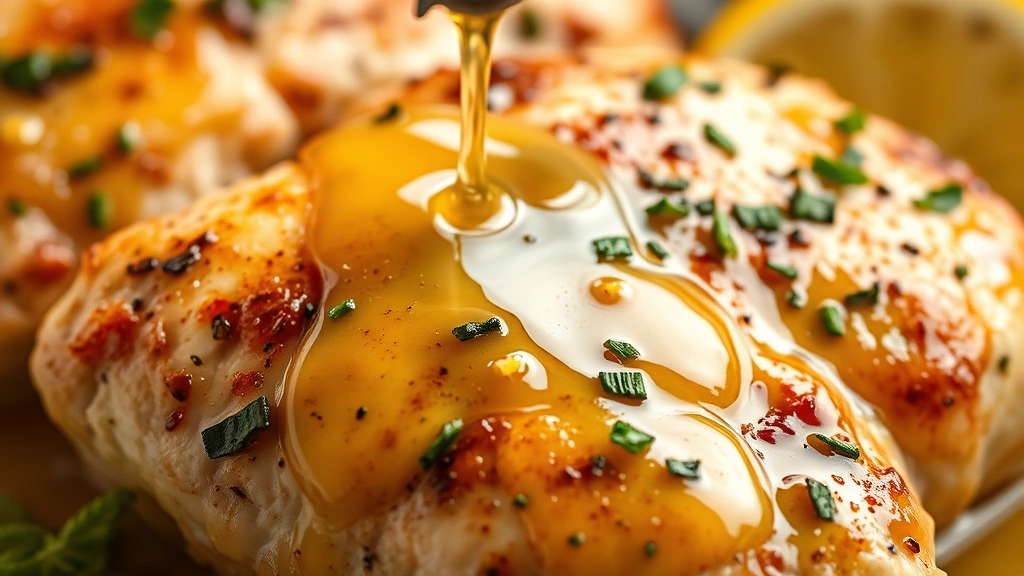
- Remove from heat and discard the herb sprigs and bay leaves. Whisk in the cold butter pieces one at a time until fully incorporated, creating a silky, emulsified sauce.
- If you prefer a thicker sauce, mix cornstarch with 1 tablespoon cold water to create a slurry, then whisk it into the sauce. Simmer for 1 minute, stirring constantly, until thickened.
- Taste the sauce and adjust seasonings with additional pepper if desired. Remember that this recipe contains no added salt, so the natural flavors of the ingredients should shine through.
- Arrange chicken breasts on serving plates and spoon the sauce generously over each one. Garnish with fresh parsley and dill if using. Serve immediately while the chicken is still warm and the sauce is at its most silky.
Pro Tips
Substitution Ideas: If white wine isn’t available, use additional low sodium broth or even apple juice for subtle sweetness. Fresh tarragon works beautifully instead of thyme if that’s what you have on hand. Boneless, skinless chicken thighs can replace the breasts for a slightly richer, more forgiving option that’s harder to overcook.
Flavor Enhancement Methods: To deepen the umami without salt, try adding a small splash of balsamic vinegar or a teaspoon of Worcestershire sauce (check sodium content). Fresh mushrooms sautéed with the garlic add earthiness and complexity. A pinch of smoked paprika brings subtle depth without altering the nutritional profile.
Serving Suggestions: This chicken pairs beautifully with cauliflower rice for a lighter meal, creamy mashed potatoes for comfort, roasted Brussels sprouts for elegance, or a fresh arugula salad with lemon vinaigrette for brightness. Whole grain rice or quinoa complement the lemon sauce wonderfully.
Cooking Temperature Notes: Always use an instant-read thermometer to verify doneness at 165°F. Chicken breasts can vary in thickness, so you may need to pound them gently to an even thickness before cooking to ensure uniform results. If your chicken breasts are particularly thick, consider butterflying them first.
Herb Selection: Fresh herbs make a tremendous difference in low sodium cooking. If fresh herbs aren’t available, dried herbs work but use one-third the amount called for, as their flavors are more concentrated. Store fresh herbs in the refrigerator wrapped in slightly damp paper towels for maximum longevity.
Wine Selection: Choose a dry white wine you’d actually drink, as this will be reflected in the final dish. Pinot Grigio, Sauvignon Blanc, or Unoaked Chardonnay all work wonderfully. The wine adds acidity and complexity that balances the richness of the butter.