
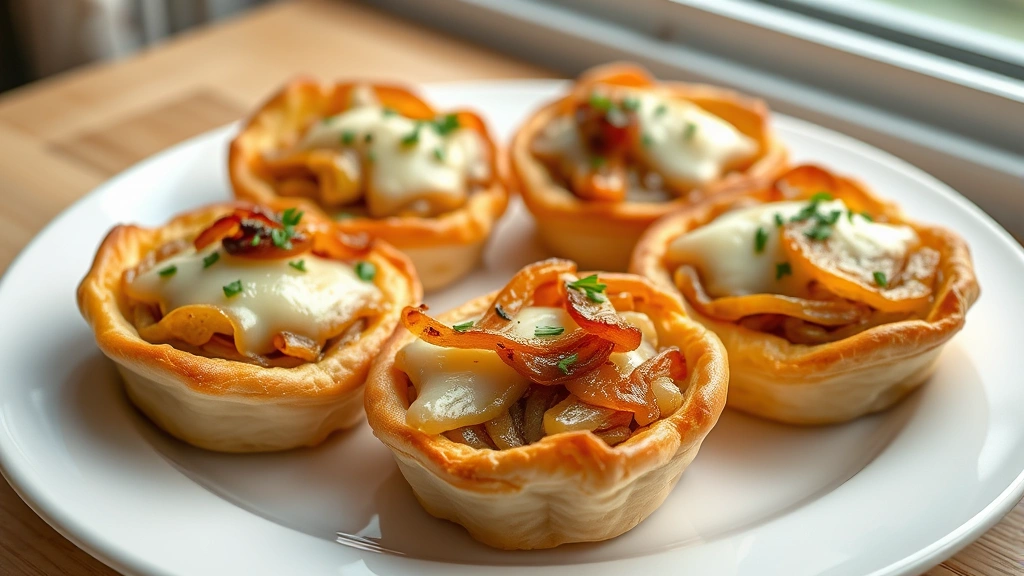
There’s something absolutely magical about working with puff pastry—those delicate, butter-laden layers that puff up beautifully in the oven are pure kitchen gold. Whether you’re hosting a dinner party, preparing appetizers for a gathering, or simply wanting to impress your family with restaurant-quality food, savory puff pastry recipes are your secret weapon. The beauty of puff pastry is that it does most of the heavy lifting for you, transforming simple ingredients into something that looks and tastes like you’ve spent hours in the kitchen.
What makes savory puff pastry so versatile is its ability to complement virtually any filling you can dream up. From elegant cheese-filled twists to sophisticated mushroom tarts, from crispy bacon-wrapped bites to herb-infused vegetable galettes, the possibilities are truly endless. The key to success isn’t complicated—it’s all about quality ingredients, proper technique, and understanding how to work with this temperamental but rewarding dough. I’ve been making puff pastry creations for years, and I’m thrilled to share my foolproof methods with you today.
One of the best things about using store-bought puff pastry is that it removes the intimidation factor entirely. You can focus on creating stunning fillings and beautiful presentations without worrying about laminating dough or understanding the science of butter and flour ratios. That said, if you’re feeling adventurous, homemade puff pastry is absolutely achievable and incredibly rewarding. Pair your puff pastry creations with sides like Best Chickpea Salad Recipe for a complete meal, or serve them with Best Shishito Peppers Recipe for an impressive appetizer spread.
The technique of working with puff pastry is surprisingly forgiving once you understand a few fundamental principles. First, keep everything cold—your work surface, your hands, and your pastry. Second, avoid overworking the dough, as this can cause the layers to stick together and prevent proper puffing. Third, don’t skip the egg wash; it’s what gives your finished pastries that gorgeous golden-brown shine. Finally, always preheat your oven thoroughly and resist the urge to open the door during baking, as temperature fluctuations can prevent proper rising.
When it comes to flavor combinations, think about pairing rich, savory elements with your pastry. Consider how Quick Tasty Bacon Carbonara Recipe combines crispy bacon with creamy sauce—those same principles apply beautifully to puff pastry applications. Caramelized onions, roasted garlic, aged cheeses, fresh herbs, and quality cured meats all shine when paired with buttery, flaky pastry. You can also explore creamy filling options inspired by Best Heavy Cream Alfredo Sauce Recipe concepts, creating luxurious textures that contrast beautifully with the crispy exterior.
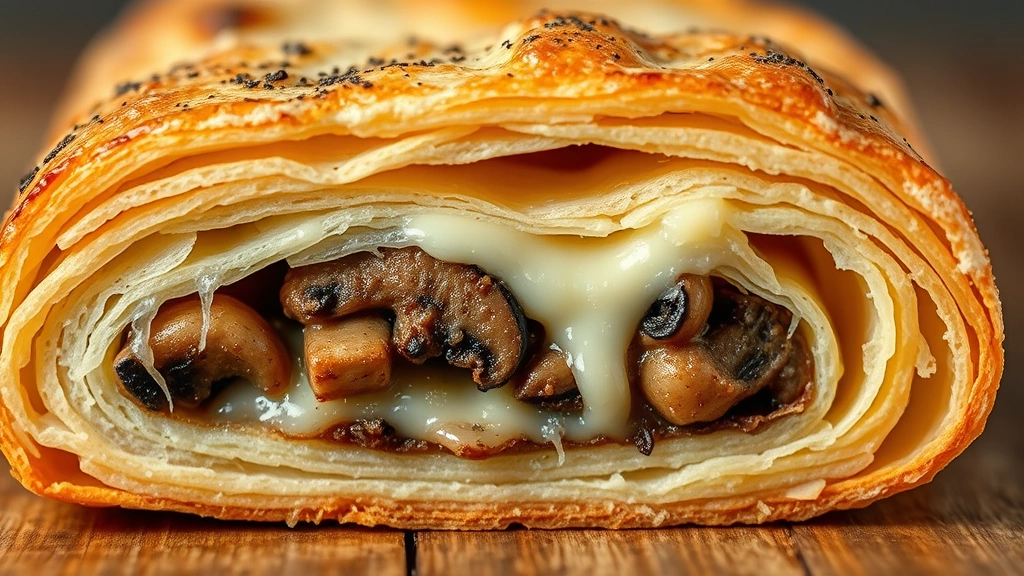
There’s a reason puff pastry has been a cornerstone of both French and modern American cooking for centuries. It represents the intersection of technique, precision, and pure indulgence. When you bite into a perfectly executed puff pastry creation, you’re experiencing hundreds of paper-thin layers of dough and butter that have been carefully folded and refolded to create that signature flake and lift. Every layer contributes to that satisfying crunch, and every layer is infused with buttery richness.
What I love most about teaching people to make savory puff pastry recipes is watching their confidence grow. Once you’ve successfully created one beautiful tart or twist, you realize you can apply these same techniques to countless other applications. You’ll start seeing puff pastry not as an intimidating ingredient but as a canvas for your culinary creativity. You might find yourself brainstorming combinations while doing the dishes, imagining how certain cheeses or vegetables might work beautifully wrapped in pastry, or how Delicious Heavy Cream Pasta Recipe flavors could be adapted into a puff pastry application.
Throughout this guide, I’ll walk you through everything you need to know about working with puff pastry, from selecting quality products to troubleshooting common issues. I’ll share my favorite flavor combinations, demonstrate proper folding and shaping techniques, and give you the confidence to create restaurant-quality appetizers and main courses in your own kitchen. Whether you’re a seasoned cook looking to expand your repertoire or a home cook wanting to elevate your entertaining game, savory puff pastry recipes offer endless possibilities.
For additional inspiration on complementary flavors and techniques, check out Serious Eats for detailed culinary techniques, Bon Appétit for innovative flavor combinations, and New York Times Cooking for classic and contemporary recipes. These resources will deepen your understanding of how to work with puff pastry and inspire your own creations.
Ingredients
- 2 sheets frozen puff pastry, thawed according to package directions
- 3 tablespoons butter
- 1 large yellow onion, thinly sliced
- 3 cloves garlic, minced
- 8 ounces mushrooms, sliced
- 1 cup grated Gruyère cheese
- ½ cup grated Parmesan cheese
- 2 tablespoons fresh thyme leaves
- 2 tablespoons fresh rosemary, chopped
- Salt and freshly ground black pepper to taste
- 1 large egg, beaten (for egg wash)
- 1 tablespoon water (for egg wash)
- 2 ounces prosciutto, thinly sliced and torn
- ¼ cup caramelized garlic cloves (optional)
- 2 tablespoons crème fraîche or sour cream
Instructions
- Preheat your oven to 400°F. Line two large baking sheets with parchment paper and set aside.
- In a large skillet over medium heat, melt the butter until it foams and becomes fragrant, about 1-2 minutes.
- Add the thinly sliced onion to the butter and stir to coat evenly. Cook for 8-10 minutes, stirring occasionally, until the onion becomes soft and begins to caramelize.
- Add the minced garlic to the skillet and cook for 1 minute until fragrant, then add the sliced mushrooms.
- Continue cooking the mushroom mixture for 5-7 minutes, stirring frequently, until the mushrooms release their moisture and begin to brown.
- Remove the skillet from heat and stir in the fresh thyme and rosemary. Season the filling generously with salt and pepper, then allow it to cool for 5 minutes.
- In a small bowl, whisk together the grated Gruyère and Parmesan cheeses until combined.
- In another small bowl, whisk together the beaten egg and water to create your egg wash, then set aside.
- Remove the thawed puff pastry sheets from their packaging and place them on your work surface. Using a sharp knife or pastry wheel, cut each sheet into 6-8 equal rectangles.
- Place the pastry rectangles on your prepared baking sheets, leaving about 2 inches between each piece.
- Using a small sharp knife, score a thin border around each pastry rectangle about ½ inch from the edges, being careful not to cut all the way through the dough.
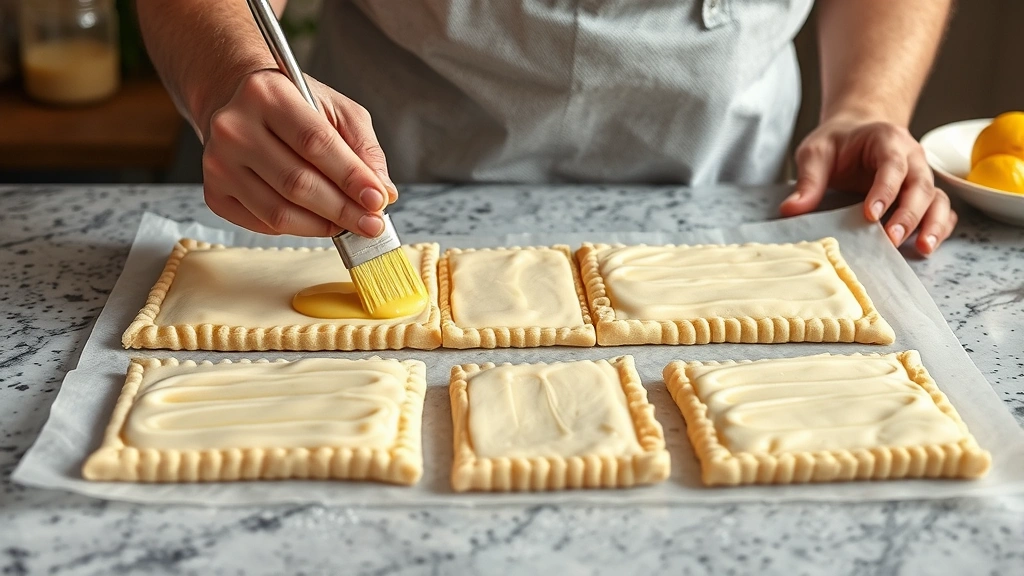
- Brush the egg wash evenly over each pastry rectangle, paying special attention to the scored borders which will puff up beautifully.
- Divide the cooled mushroom mixture among the pastry rectangles, spooning it carefully within the scored borders and leaving the ½-inch border clear.
- Top each filled pastry with a small handful of the cheese mixture, then tear small pieces of prosciutto and scatter across the top.
- If using caramelized garlic cloves, place one or two on top of each pastry for added flavor and elegance.
- Place the baking sheets in the preheated oven and bake for 20-25 minutes, until the pastry has puffed dramatically and turned a beautiful golden brown.
- Remove the pastries from the oven and allow them to cool on the baking sheet for 2-3 minutes before serving.
- Transfer the warm pastries to a serving platter and garnish with a small dollop of crème fraîche and a sprinkle of fresh herbs if desired.
- Serve immediately while the pastry is still warm and crispy, as puff pastry is best enjoyed fresh from the oven.
Pro Tips
- Store-bought puff pastry is absolutely acceptable for this recipe and saves tremendous time—quality matters, so choose a reputable brand.
- Keep all your ingredients and tools cold throughout the preparation process. This prevents the butter in the pastry from melting prematurely, which would compromise the flaky layers.
- The filling can be made up to 2 days in advance and stored in an airtight container in the refrigerator. This makes assembly day much easier for entertaining.
- Never skip the egg wash. It’s what creates that restaurant-quality golden-brown finish and helps the pastry brown evenly.
- Don’t overfill your pastries. Too much filling can cause the pastry to become soggy and prevent proper rising. A heaping tablespoon of filling per rectangle is perfect.
- If you notice the pastry browning too quickly, tent the baking sheet loosely with aluminum foil for the last 5-10 minutes of baking.
- For a vegetarian version, simply omit the prosciutto and increase the mushroom and cheese quantities slightly.
- Leftover baked pastries can be reheated in a 350°F oven for about 5 minutes to restore their crispness, though they’re best served fresh.
- Experiment with different cheese combinations—try sharp cheddar, aged gouda, or smoked gouda for unique flavor profiles.
- Fresh herbs like dill, tarragon, or chives can be substituted for or added to the thyme and rosemary for different flavor variations.
- These pastries work beautifully as elegant appetizers for parties, sophisticated starters for dinner, or even as a light lunch when paired with a fresh salad.
- The pastry will continue to puff slightly after being removed from the oven, so don’t be alarmed if it rises a bit more while cooling.