

There’s something absolutely magical about a slice of 7up pound cake—it’s buttery, tender, and has this delightful citrusy sweetness that keeps you coming back for more. This classic recipe has been passed down through generations of home bakers, and once you master it, you’ll understand why it’s such a beloved favorite at church potlucks, family gatherings, and holiday celebrations.
The secret to the BEST 7up pound cake lies in three key elements: using room temperature ingredients, the proper creaming technique, and that special ingredient—7up—which adds moisture and a subtle lemon-lime flavor that makes this cake absolutely irresistible. The carbonation in the 7up helps create an incredibly tender crumb that’s almost impossibly light for such a rich cake.
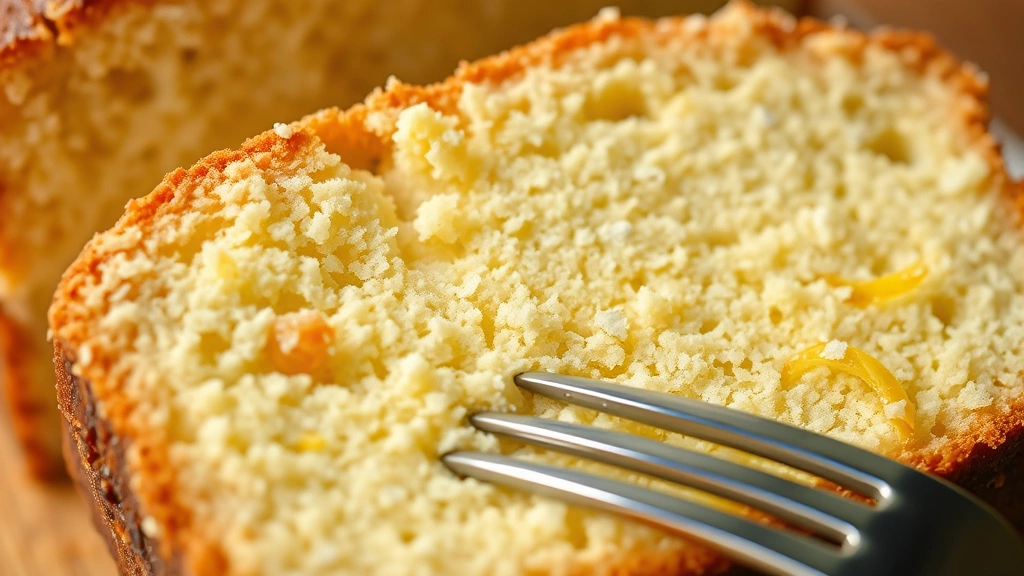
What makes this recipe special is how the citrus notes complement the buttery richness of the cake. Unlike traditional pound cakes that can sometimes feel a bit heavy, this version strikes the perfect balance between decadence and delicate texture. The 7up keeps the cake moist for days, making it perfect for baking ahead of time.
I love serving this cake with a simple glaze, fresh berries, or even alongside whipped cream for a lighter topping. It’s also wonderful on its own with a cup of coffee or tea. This recipe yields a standard loaf cake that’s perfect for feeding a crowd or enjoying throughout the week.
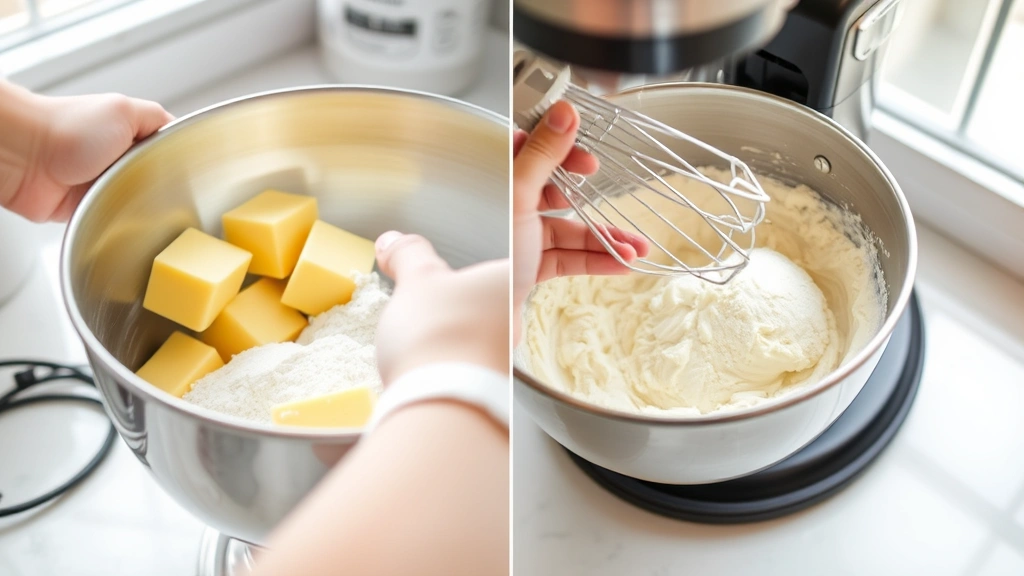
Baking this cake is actually quite straightforward once you understand the technique. The key is not to rush the creaming stage—this is where you’re incorporating air into the butter and sugar, which gives the cake its characteristic tender crumb. Take your time, and you’ll be rewarded with the most beautiful, golden pound cake.
If you’re looking for other classic dessert recipes, you might also enjoy exploring our collection of cream-based desserts or trying complementary baking techniques. But I promise you, this 7up pound cake will become a staple in your baking repertoire. Whether you’re a seasoned baker or just starting your baking journey, this recipe is approachable, forgiving, and absolutely delicious. Let’s get baking!
Ingredients
- 3 cups all-purpose flour
- 1/2 teaspoon baking powder
- 1/2 teaspoon salt
- 1 cup (2 sticks) unsalted butter, room temperature
- 3 cups granulated sugar
- 6 large eggs, room temperature
- 1 cup 7up or similar lemon-lime soda, room temperature
- 2 teaspoons vanilla extract
- 1 teaspoon lemon extract (optional but recommended)
- Zest of 1 lemon (optional for extra brightness)
Instructions
- Preheat your oven to 325°F (165°C). Grease and flour a 10-inch bundt pan or standard loaf pan, making sure to coat all the crevices thoroughly. You can also use baking spray with flour for easier release.
- In a small bowl, whisk together the flour, baking powder, and salt. Set this dry mixture aside—do not skip this step as it ensures even distribution of the leavening agent.
- In a large mixing bowl, beat the room temperature butter and granulated sugar together on medium-high speed for 5-7 minutes, until the mixture is light, fluffy, and pale yellow in color. This creaming stage is crucial for creating a tender crumb, so don’t rush it.
- Add the eggs one at a time to the butter-sugar mixture, beating well after each addition. Make sure each egg is fully incorporated before adding the next one. This gradual addition helps create a stable emulsion.
- Reduce the mixer speed to low. Add the dry flour mixture and the room temperature 7up alternately, starting and ending with the flour mixture. Begin with about one-third of the flour, then half of the 7up, then half of the remaining flour, then the rest of the 7up, and finally the last third of the flour.
- Add the vanilla extract and lemon extract (if using) and the lemon zest (if using) to the batter. Mix on low speed just until everything is combined. Do not overmix, as this can result in a dense, tough cake.
- Pour the batter into your prepared pan, smoothing the top with a spatula. Tap the pan gently on the counter a few times to release any large air bubbles.
- Place the pan in the preheated 325°F oven and bake for 60-70 minutes, until a toothpick inserted in the center comes out clean or with just a few moist crumbs. The top should be golden brown.
- Remove the cake from the oven and let it cool in the pan for 15 minutes. This allows the cake to set slightly before turning it out.
- Turn the cake out onto a wire cooling rack and let it cool completely before slicing or frosting. This usually takes about 2-3 hours.
- Once cooled, you can serve the cake plain, dust it with powdered sugar, drizzle with a simple glaze, or frost as desired. Store covered at room temperature for up to 3 days, or wrap and refrigerate for up to a week.
Pro Tips
Don’t Skip the Creaming Stage: This step is where the magic happens. Spending 5-7 minutes creaming the butter and sugar incorporates air into the mixture, which helps create that light, tender crumb that makes this cake special.
7up vs Store Brands: You can use 7up, Sprite, or any lemon-lime soda you prefer. The carbonation is key—it adds moisture and helps the cake rise beautifully. Let the soda come to room temperature before using.
Alternative Pan Options: This recipe works in a standard 10-inch bundt pan, two 9-inch round cake pans, or three 8-inch round pans. Adjust baking time accordingly—smaller pans may bake 5-10 minutes faster.
Frosting and Topping Ideas: Try a simple lemon glaze made with powdered sugar and lemon juice, a classic American buttercream, cream cheese frosting, or just serve it plain with fresh berries and whipped cream.
Make-Ahead Instructions: You can prepare this cake up to 2 days ahead. Store it covered at room temperature or wrapped in plastic wrap in the refrigerator. It actually tastes even better the next day as the flavors meld together.
Alternative Extract Options: If you don’t have lemon extract, you can use almond extract for a different flavor profile, or simply stick with vanilla extract for a more subtle version.
Humidity Considerations: On very humid days, you may need to add an extra tablespoon or two of flour to your dry ingredients. Conversely, on very dry days, you might reduce the flour slightly.
Troubleshooting Dense Cake: If your cake turns out dense, you likely either didn’t cream the butter and sugar long enough or overmixed the batter after adding the flour. Remember to mix on low speed once you start adding dry ingredients.
Leftover Soda: If you have leftover 7up after making this cake, you can use it to make a refreshing citrus-infused beverage or incorporate it into other dessert recipes.
Serving Suggestions: This cake pairs beautifully with fresh, bright accompaniments like lemon curd, citrus salad, or fresh whipped cream. It’s perfect for brunch, afternoon tea, or dessert.