
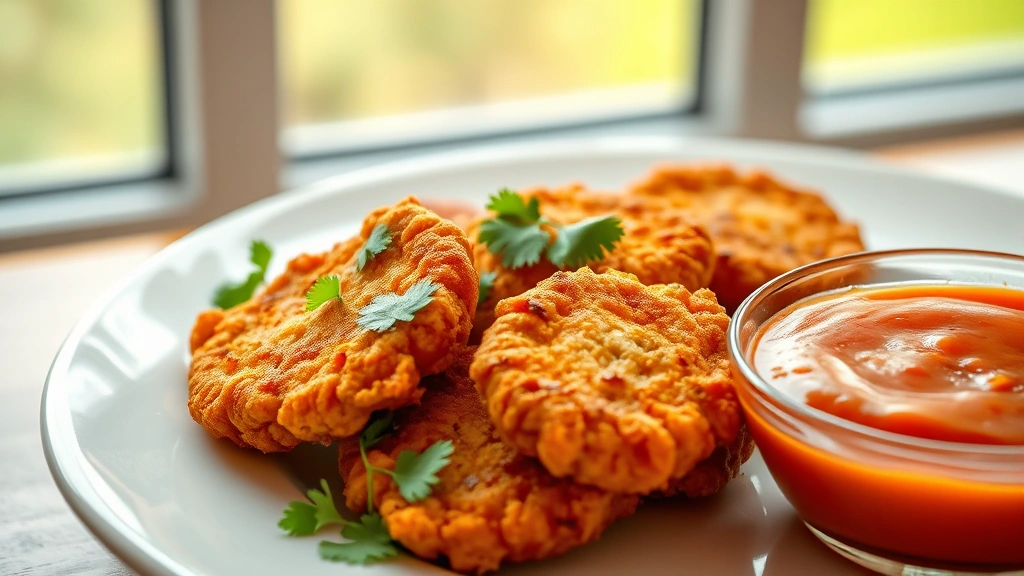
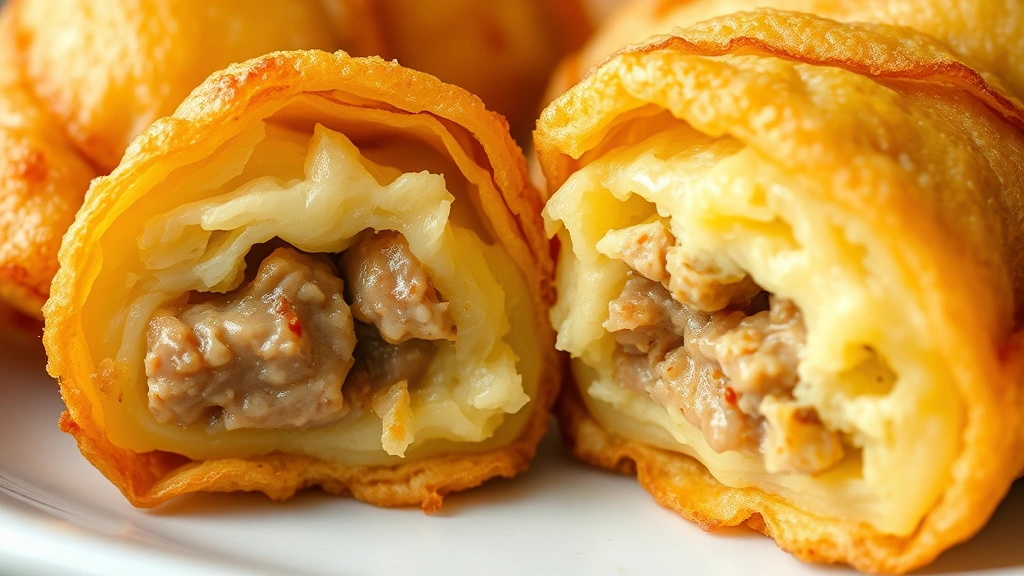
Alcapurrias are a beloved Puerto Rican street food that combines crispy, golden exteriors with savory, seasoned meat fillings. These delightful fritters are perfect for appetizers, party snacks, or a fun family dinner that everyone will love. The name comes from the Spanish word “alcaparra” (caper), though modern versions feature seasoned ground beef, recaíto, and olives tucked inside a mashed plantain and taro root crust.
What makes alcapurrias so special is their versatility and the wonderful contrast of textures—the crispy fried outside gives way to a soft, starchy interior that cradles a flavorful meat mixture. They’re a staple at Puerto Rican celebrations and Puerto Rican appetizers spread, and once you master this recipe, you’ll understand why they’re so beloved.
This recipe is easier than you might think, especially if you have a food processor to help with the dough. The key to success is getting your oil to the right temperature and not overstuffing each alcapurria. I love serving these with a simple tomato sauce for dipping or alongside crispy tostones for an authentic Puerto Rican feast.
Making alcapurrias from scratch is a wonderful way to connect with Puerto Rican culinary traditions. Many families have their own variations—some add cheese, others use different spice blends. This recipe represents the classic preparation you’d find at street vendors throughout Puerto Rico. For more Caribbean-inspired dishes, check out our Caribbean recipes collection.
The beauty of this recipe is that you can prepare the dough and filling ahead of time, making assembly quick on the day you want to serve them. They’re best enjoyed fresh and warm, though leftovers can be reheated in the oven. For additional context on Puerto Rican cooking, Serious Eats has an excellent guide to Puerto Rican cuisine. You might also enjoy learning about other plantain recipes that showcase this versatile ingredient in different ways.
Ingredients
- 2 pounds green plantains, peeled and cut into chunks
- 1 pound taro root, peeled and cut into chunks
- 6 tablespoons butter, divided
- Salt and white pepper to taste
- 1 pound ground beef
- 1 medium onion, finely diced
- 4 tablespoons recaíto (sofrito)
- 2 tablespoons tomato sauce
- ¼ cup pitted green olives, chopped
- 2 tablespoons raisins
- 1 teaspoon dried oregano
- ½ teaspoon garlic powder
- ¼ teaspoon cumin
- Salt and black pepper to taste
- Oil for deep frying (about 3 quarts vegetable or canola oil)
- All-purpose flour for dusting
Instructions
- Boil a large pot of salted water and add the peeled plantain chunks and taro root pieces. Cook for 20-25 minutes until both are very tender and easily pierce with a fork.
- Drain the plantains and taro root thoroughly, then return them to the pot while still hot.
- Add 4 tablespoons of butter to the hot vegetables and mash together until you reach a smooth, creamy consistency similar to mashed potatoes. Season generously with salt and white pepper. Set aside to cool slightly.
- While the plantains cook, prepare the filling by heating 2 tablespoons of butter in a large skillet over medium-high heat.
- Add the diced onion to the skillet and sauté for about 2 minutes until softened and fragrant.
- Add the ground beef to the skillet, breaking it apart with a wooden spoon, and cook until browned, approximately 5-7 minutes. Drain any excess fat if needed.
- Stir in the recaíto (sofrito) and tomato sauce, mixing well to combine with the meat.
- Add the chopped olives, raisins, oregano, garlic powder, and cumin to the meat mixture.
- Season the filling with salt and black pepper to taste, then simmer for 3-4 minutes to allow the flavors to meld. Remove from heat and let cool completely.
- Once the plantain-taro mixture has cooled enough to handle, dust your work surface and hands lightly with flour to prevent sticking.
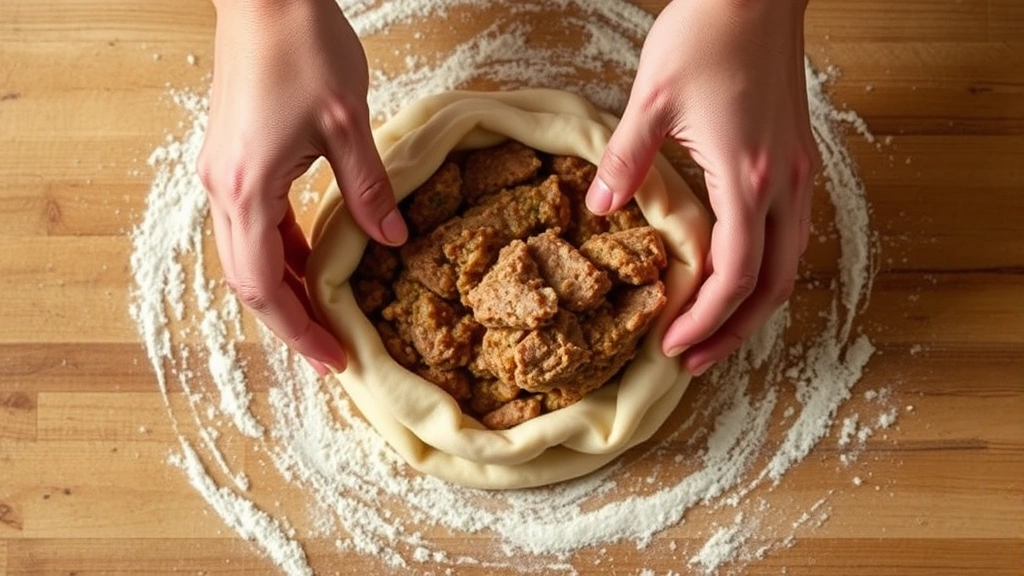
- Take about 3 tablespoons of the plantain mixture and flatten it into a thin oval patty about ¼-inch thick in the palm of your hand.
- Place about 1½ tablespoons of the cooled meat filling in the center of the patty.
- Carefully fold the plantain mixture over the filling and gently shape it into a smooth, oval croquette about 3 inches long, sealing the edges so no filling shows.
- Place each formed alcapurria on a flour-dusted plate. Repeat with remaining dough and filling until all are formed.
- Heat the oil in a deep, heavy-bottomed pot or Dutch oven to 350°F (175°C). Use a thermometer to ensure accurate temperature.
- Carefully place 3-4 alcapurrias into the hot oil, being careful not to overcrowd the pan, as they will expand slightly while cooking.
- Fry for 2-3 minutes on the first side until golden brown, then carefully turn with a slotted spoon or tongs.
- Fry the second side for another 2-3 minutes until deep golden brown and crispy on all sides.
- Remove the alcapurrias from the oil with a slotted spoon and drain them on paper towels.
- Repeat the frying process with the remaining alcapurrias, allowing the oil to return to 350°F between batches.
- Serve the alcapurrias warm with your choice of dipping sauce, such as a simple tomato sauce, hot sauce, or cilantro aioli.
Pro Tips
- **Make-Ahead Magic**: You can prepare the plantain-taro dough up to 2 days in advance and store it in an airtight container in the refrigerator. Similarly, the meat filling keeps well for 3 days. This makes assembly day much quicker and easier for entertaining.
- **Oil Temperature is Critical**: Maintaining the correct oil temperature is essential for perfect alcapurrias. If the oil is too cool, they’ll absorb excess oil and become greasy. If it’s too hot, the outside will burn before the inside cooks through. Invest in a good deep-fry thermometer and check the temperature between batches.
- **Filling Consistency**: The meat filling must be completely cooled before assembling, or it will be difficult to handle and may cause the plantain wrapper to fall apart during frying. Prepare the filling first, then focus on the dough.
- **Handling the Dough**: If the plantain-taro mixture becomes too sticky, dust your hands and work surface with more flour. If it’s too dry or crumbly, you can work in a tablespoon of butter at a time until it reaches the right consistency for shaping.
- **Shape Consistency**: Try to make all your alcapurrias roughly the same size so they cook evenly. This also makes them look more professional when plated.
- **Recaíto Substitute**: If you can’t find recaíto (sofrito), you can make a quick version by blending together 1 bunch of cilantro, ½ bunch of parsley, 1 onion, 2 garlic cloves, and 1 red bell pepper, then cooking it in a bit of oil until fragrant.
- **Reheating**: Leftover alcapurrias can be reheated in a 350°F oven for about 10 minutes to restore crispness. Avoid microwaving, as they’ll become soggy.
- **Dipping Sauce Pairings**: These are delicious with traditional Puerto Rican hot sauce, a simple tomato-based sauce, a cilantro aioli, or even a creamy avocado dip.
- **Freezing Instructions**: Uncooked formed alcapurrias can be frozen for up to 2 months on a parchment-lined baking sheet, then transferred to freezer bags. Fry them directly from frozen, adding 1-2 minutes to the cooking time.
- **Serving Suggestions**: Alcapurrias are perfect as part of a larger Puerto Rican spread with mofongo, rice and beans, and fresh tropical fruit. They’re also wonderful as party appetizers or school lunch additions.