
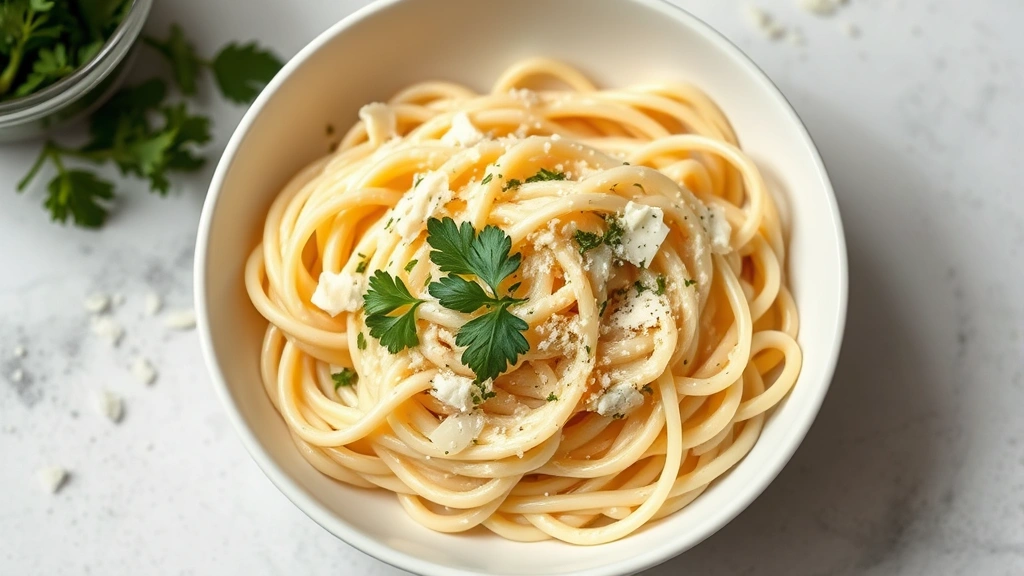
There’s something absolutely magical about a creamy, dreamy bowl of Alfredo pasta that hits all the right notes. This isn’t your typical heavy restaurant version—this is a lighter, more elegant take using milk instead of heavy cream, and it’s honestly just as luxurious and satisfying. I’ve been making this recipe for years, and it never fails to impress my family and dinner guests.
The beauty of making Alfredo with milk is that you get all the richness and comfort without feeling overly indulgent. The secret lies in using quality butter, real Parmesan cheese, and understanding the simple technique of creating an emulsion that coats every single strand of pasta perfectly. It’s genuinely foolproof once you know what to look for, and I promise you’ll be making this at least once a week.
What I absolutely love about this recipe is how quickly it comes together—we’re talking about 20 minutes from start to finish. It’s the perfect weeknight dinner when you want something that tastes like you spent hours in the kitchen. Serve it with a crisp green salad, some crusty garlic bread, and maybe a glass of white wine, and you’ve got yourself a restaurant-quality meal at home.
I’ve tested this recipe with different types of pasta, milk percentages, and cheese ratios, and I’m sharing exactly what works best. You’ll notice I’m not using any cream here, which makes this version more accessible for those watching their dairy intake while still delivering that signature silky sauce. The milk creates a beautifully light base that lets the Parmesan shine through.
Before you start, make sure your pasta water is well-salted—this is your only opportunity to season the pasta itself. Also, have all your ingredients prepped and ready before you begin cooking. Alfredo sauce waits for no one, and you want to work quickly once you start the sauce. Keep everything at medium heat; this isn’t a dish that benefits from high heat.
If you’re looking for other elegant pasta dishes, check out our collection of classic pasta recipes. For more Italian-inspired comfort food, you might also enjoy exploring traditional Italian desserts to complete your meal.
For additional inspiration and technique tips, I highly recommend checking out Serious Eats’ pasta guides and Bon Appétit’s Italian cooking tutorials. You can also find excellent sauce theory at New York Times Cooking. These resources have deepened my understanding of why this technique works so beautifully.
Ingredients
- 1 pound fettuccine or pappardelle pasta
- 6 tablespoons unsalted butter
- 4 cloves garlic, minced
- 2 cups whole milk, room temperature
- 1.5 cups freshly grated Parmigiano-Reggiano cheese
- 1/2 teaspoon white pepper
- 1/4 teaspoon freshly grated nutmeg
- Sea salt to taste
- 2 tablespoons fresh parsley, finely chopped
- Reserved pasta water as needed
Instructions
- Bring a large pot of salted water to a rolling boil. The water should taste like the sea—this is crucial for properly seasoning your pasta. Once boiling, add your pasta and cook according to package directions until al dente, usually around 9-11 minutes depending on your pasta shape.
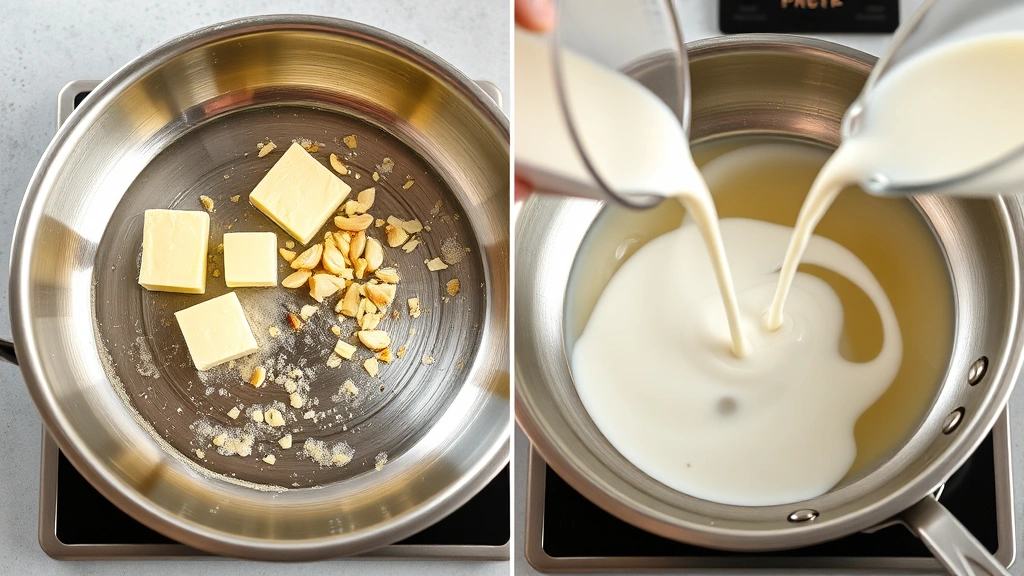
- While the pasta cooks, start your sauce. In a large skillet or saucepan, melt the butter over medium heat. Don’t let it brown; you want it foamy and golden.
- Add the minced garlic to the melted butter and cook for about 1 minute, stirring constantly. You’ll notice the most incredible aroma fill your kitchen—this is when you know you’re on the right track.
- Pour the room-temperature milk into the butter and garlic mixture, stirring continuously. The temperature of the milk matters because it prevents the butter from seizing up. Stir until everything is well combined and smooth.
- Continue heating the milk mixture over medium heat, stirring frequently. You want it to get steamy and warm, but don’t let it come to a boil. This should take about 3-4 minutes. You’re looking for small bubbles around the edges.
- Reduce the heat to medium-low and begin adding your grated Parmigiano-Reggiano cheese, one handful at a time. Stir constantly between each addition, making sure the cheese melts completely and incorporates smoothly into the sauce.
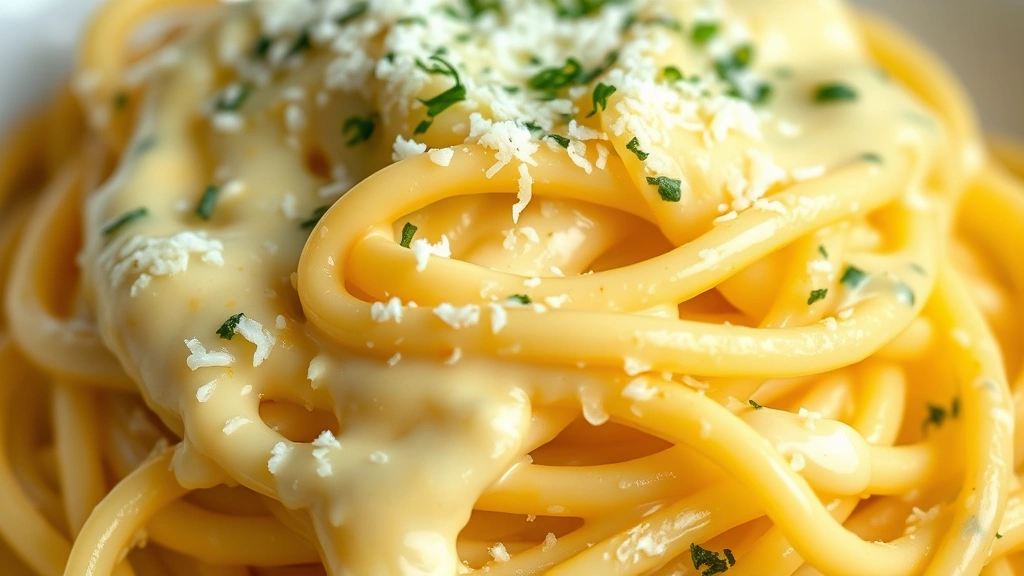
- Keep stirring and adding cheese until all 1.5 cups have been incorporated. The sauce should look creamy and coating the back of a spoon. If it seems too thick, add a splash of reserved pasta water.
- Season your sauce with white pepper and nutmeg. These two ingredients are what make Alfredo taste like restaurant-quality Alfredo. Taste and adjust salt as needed, remembering that your pasta water was already salted.
- When your pasta is al dente, reserve about 1 cup of the starchy pasta water before draining. The starch in this water is liquid gold for your sauce.
- Add the drained pasta directly to your Alfredo sauce, tossing gently but thoroughly. If the sauce seems too thick, add reserved pasta water a tablespoon at a time until you reach your desired consistency.
- Divide the pasta among four warm bowls and garnish generously with fresh parsley, additional Parmigiano-Reggiano, and a crack of black pepper. Serve immediately while it’s hot and creamy.
Pro Tips
The milk temperature really does matter. Cold milk can cause the butter to seize, and you’ll end up with a broken sauce. Let your milk sit out for 15 minutes before starting, or warm it gently in the microwave.
White pepper is less assertive than black pepper and won’t speckle your beautiful white sauce. You can find it in the spice aisle of most grocery stores.
This sauce comes together quickly, so make sure your pasta is almost done before you start the butter and milk mixture. The two should finish at approximately the same time.
If your sauce breaks or becomes grainy, don’t panic. Remove it from heat immediately and whisk in an ice cube or two. Sometimes a little bit of cold liquid can bring it back together.
The nutmeg is not optional—it’s what elevates this from good to absolutely incredible. Just a quarter teaspoon is perfect; too much and it becomes overpowering.
Leftovers can be refrigerated for up to three days, though the sauce will thicken as it cools. Simply reheat gently with a splash of milk or pasta water to restore the creamy consistency.
For a protein addition, grilled chicken breast or crispy pancetta are perfect complements. Add them to the finished pasta just before serving.