
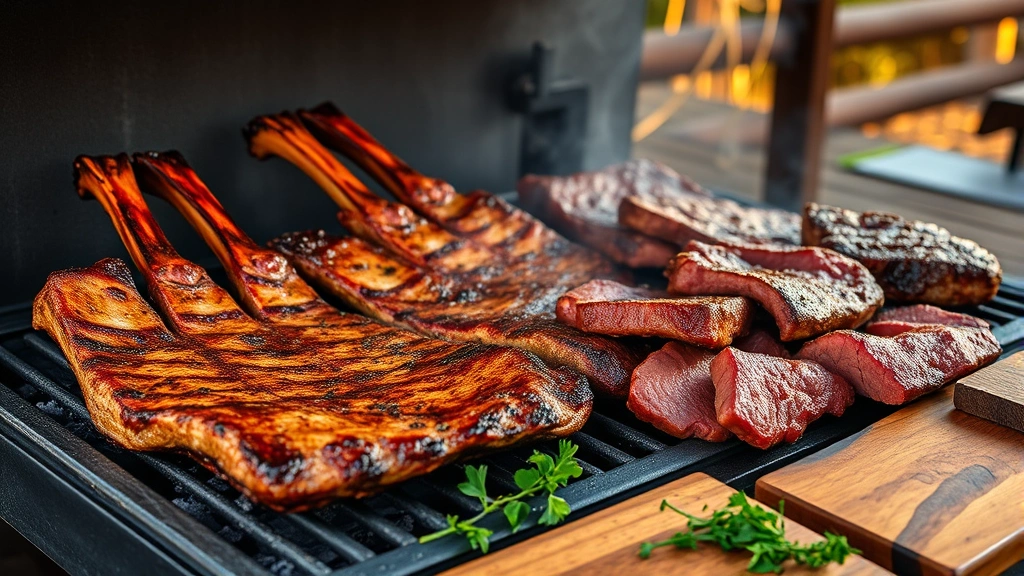
Asado is the heart of Argentine culture—a celebration of grilled meats, family, and tradition that transforms simple ingredients into an unforgettable feast. This comprehensive guide to making authentic asado at home captures the essence of this beloved cooking method, whether you’re grilling for two or hosting a crowd. Learn the techniques that have been perfected over generations, from selecting the right cuts of beef to mastering the art of fire management and timing.
The beauty of asado lies in its simplicity and respect for quality ingredients. Unlike many grilling methods that rely on heavy sauces and marinades, true asado celebrates the natural flavors of meat, enhanced only by salt, smoke, and the perfect char. We’ll walk you through everything you need to know to create restaurant-quality results in your own backyard.
Whether you’re a seasoned grill master or a curious beginner, this asado recipe will teach you the traditional Argentine approach that emphasizes patience, proper technique, and the joy of cooking outdoors. The combination of different cuts—from tender steaks to flavorful offal—creates a diverse and satisfying meal that embodies the spirit of South American hospitality. Discover why asado remains one of the world’s most celebrated grilling traditions and how to bring that magic to your table.
For more grilling inspiration, check out our grilled chicken recipe, BBQ ribs guide, and outdoor entertaining tips. You might also enjoy our chimichurri sauce recipe and grilling basics.
For additional expert techniques, explore Serious Eats’ guide to Argentine grilled beef, Bon Appétit’s asado technique, New York Times’ Argentine grilled steak, and Bon Appétit’s chimichurri masterclass.
Ingredients
- 3-4 lbs beef short ribs (costillas)
- 2 lbs beef ribeye or NY strip steaks (1.5 inches thick)
- 1.5 lbs beef chorizo or morcilla (optional but traditional)
- 1 lb beef sweetbreads or other offal (optional)
- Sea salt (preferably coarse)
- Freshly cracked black pepper
- 2 tablespoons fresh parsley, finely chopped
- 4 cloves garlic, minced
- 1/4 cup fresh oregano leaves
- Hardwood charcoal or oak wood for grilling
- Optional: 1/2 cup chimichurri sauce for serving
Instructions
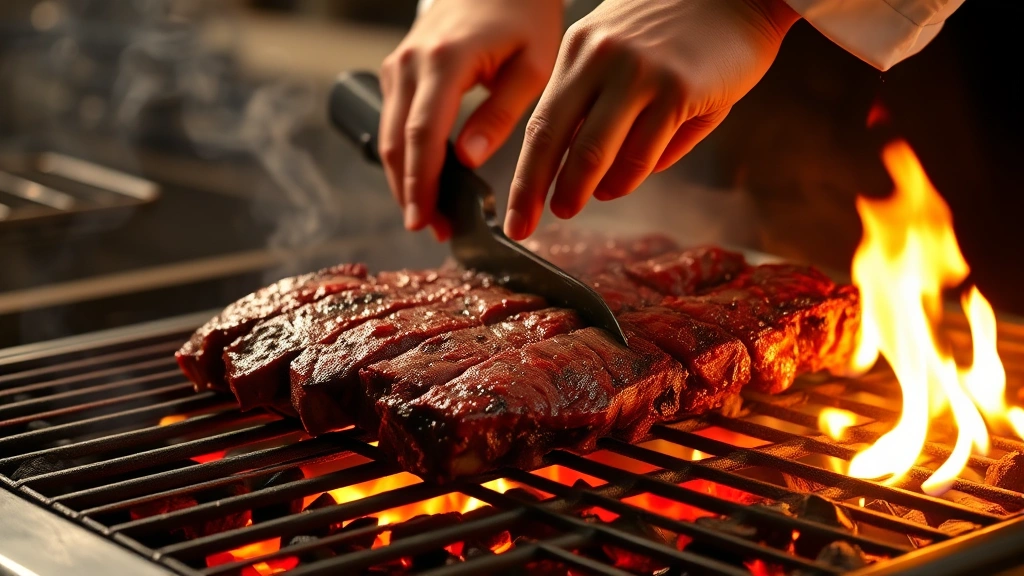
- Prepare your grill or asado setup by arranging charcoal or wood in a way that creates two temperature zones: a hotter direct heat area and a cooler indirect zone. For authentic asado, use hardwood charcoal or oak wood, allowing it to burn down to hot coals before beginning. This typically takes 30-40 minutes. The goal is to have glowing coals rather than active flames.
- Remove all meat from refrigeration 20-30 minutes before grilling to allow it to reach room temperature. This ensures even cooking throughout the thickness of each cut. Pat the meat dry with paper towels—this is essential for achieving a proper crust and preventing steaming.
- Season the short ribs generously with coarse sea salt on both sides, pressing gently so it adheres. Do not season with pepper yet, as it can burn during the long cooking process. Allow the seasoning to penetrate for 10 minutes while your grill finishes heating.
- Place the short ribs on the cooler, indirect zone of your grill with the bone side down. Position them so they’re about 4-6 inches from the heat source. For traditional asado, ribs are cooked slowly and patiently, requiring 45-60 minutes depending on thickness and heat intensity.
- Monitor the ribs occasionally, turning them only once halfway through cooking. You’re looking for a dark, caramelized crust and meat that is tender and beginning to pull away from the bones. The internal temperature should reach 190-203°F for optimal tenderness, though Argentine tradition often goes by feel and appearance rather than thermometers.
- While the ribs finish their final 15-20 minutes, season the steaks generously with sea salt and freshly cracked black pepper. Place them on the hotter direct heat zone of your grill, allowing 4-5 minutes per side for a medium-rare doneness. Steaks should develop a beautiful crust while remaining pink and juicy in the center.
- If using chorizo or morcilla, grill these sausages over medium heat for about 15-20 minutes, turning frequently until the casings are blistered and the interior is cooked through. These can be placed on the cooler zone if the hotter side is too intense.
- For sweetbreads or other offal, grill for 3-4 minutes per side over medium-high heat. These delicate items cook quickly and should remain tender and just cooked through. Traditionally, these are considered delicacies in Argentine asado.
- As each piece of meat finishes cooking, transfer it to a warm serving platter. Tent loosely with foil to keep warm while you finish grilling the remaining items. In authentic asado, everything comes off the grill as it’s ready, creating a continuous serving experience rather than plating all at once.
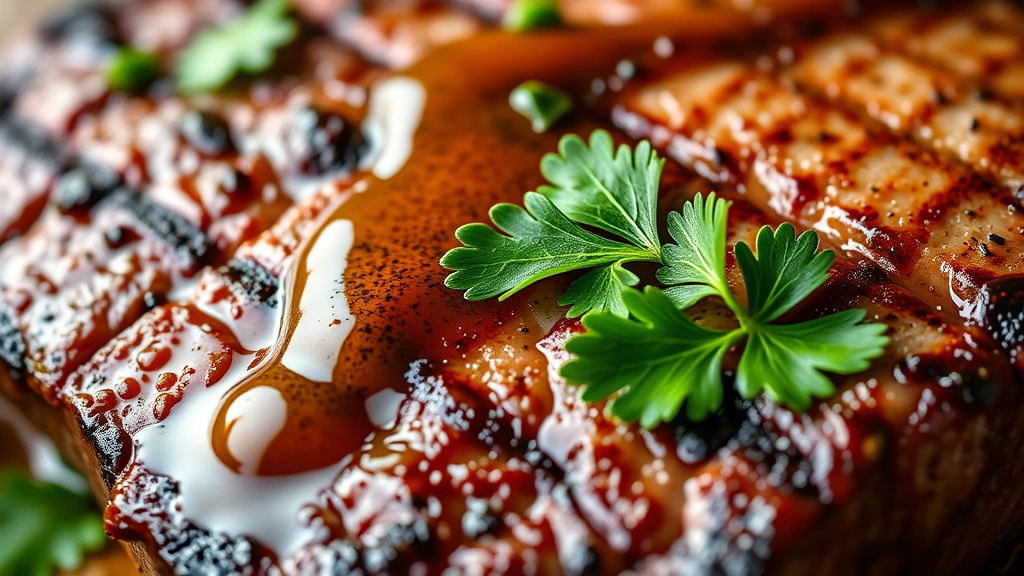
- Create a simple finishing seasoning by combining minced garlic, fresh parsley, oregano, and a pinch of sea salt. Sprinkle this fresh mixture over the grilled meats just before serving for added brightness and flavor that complements the smoky char.
- Serve the asado family-style on large wooden boards or platters, allowing guests to select their preferred cuts. Accompany with chimichurri sauce on the side, crusty bread, fresh salads, and chimichurri-dressed vegetables. Pour wine and gather around the table to celebrate the fruits of your grilling labor in true Argentine tradition.
Pro Tips
- The key to authentic asado is patience and proper fire management. Unlike American barbecue that often uses high heat and quick cooking, asado celebrates slow cooking over moderate, consistent heat that develops flavor without charring the meat.
- Quality of meat is paramount for asado success. Source grass-fed beef from a trusted butcher whenever possible. Argentine beef, known for its superior quality and flavor, is prized worldwide. The fat content and marbling directly impact the final dish’s taste and tenderness.
- Short ribs (costillas) are the soul of asado and deserve the most time and attention. Their high fat and collagen content transforms during slow cooking into incredibly tender, flavorful meat. Never rush this process—low and slow is the only way.
- Salt is the only essential seasoning in traditional asado. Sea salt, particularly coarse varieties, is preferred. Some grill masters add a touch of garlic and herbs, but never heavy marinades or barbecue sauces. The goal is to enhance, not mask, the meat’s natural flavors.
- Temperature control is crucial. Invest in a reliable grill thermometer or learn to judge heat using the hand method. For true asado, you want consistent moderate heat (around 300-350°F) rather than the high-heat approach common in American grilling.
- Chimichurri sauce is the traditional accompaniment to asado. This fresh, herbaceous sauce made with parsley, garlic, vinegar, and olive oil provides a bright contrast to the rich, smoky meats. Many Argentine families have their own closely guarded chimichurri recipes.
- Grilling in stages rather than all at once is traditional asado practice. Different cuts require different cooking times, and serving items as they’re ready creates an interactive, celebratory meal rather than a formal plated dinner.
- Offal and sausages are not optional in traditional asado—they’re essential components that showcase the nose-to-tail approach to Argentine cooking. Don’t shy away from these items if you have access to them; they add important textural and flavor variety.
- The wood or charcoal you use significantly impacts flavor. Oak wood imparts a subtle, pleasant smoke, while hickory or mesquite can be too strong for asado’s delicate balance. Always use hardwood, never briquettes or softwoods.
- Allow meat to rest at room temperature before and after cooking. This ensures even cooking and allows juices to redistribute, resulting in more tender, flavorful results.
- Asado is fundamentally about community and gathering. The cooking process is meant to be social—grill masters traditionally stand by their fires, chatting with guests, sipping wine, and enjoying the experience as much as the food.
- Leftovers can be sliced and used in sandwiches, salads, or served cold with chimichurri. However, authentic asado is best enjoyed fresh off the grill with family and friends gathered around the table.