
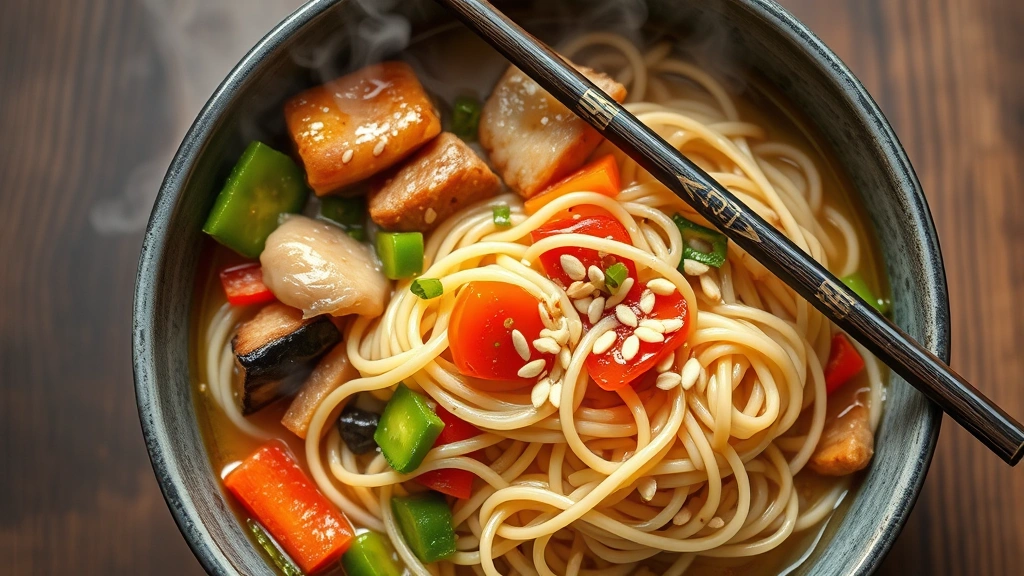
There’s something absolutely magical about a steaming bowl of Asian noodles that hits the spot every single time. Whether you’re craving something quick for a weeknight dinner or want to impress guests with restaurant-quality flavor, this Asian noodles recipe is your new go-to. I’m sharing my foolproof method that comes together in under thirty minutes with ingredients you likely already have in your pantry.
What I adore most about this dish is its incredible versatility. You can use any noodle variety you prefer—from silky ramen to chewy udon or delicate rice noodles—and customize the vegetables and protein to suit your preferences. The real secret lies in the umami-rich sauce that coats every strand, creating that restaurant-quality taste that keeps everyone coming back for seconds.
I grew up watching my mother whip up quick noodle dishes during busy weeknights, and she taught me that the best recipes don’t require hours of prep or complicated techniques. This Asian noodles recipe embodies that philosophy perfectly. It’s quick, it’s easy, and most importantly, it’s absolutely delicious. The combination of soy sauce, ginger, garlic, and a touch of sesame oil creates a flavor profile that’s both comforting and sophisticated.
What makes this recipe so special is how it brings together the best elements of Asian cuisine in one beautiful bowl. You get tender noodles, crisp vegetables that maintain their bite, and a sauce so flavorful you’ll want to drink it straight from the bowl. I’ve served this to dinner guests who were amazed it came together in under thirty minutes, and I’ve made it countless times for simple family dinners when time is tight.
If you’re looking to master quick weeknight meals, this Asian noodles recipe is an absolute must-learn. The technique is straightforward, the ingredients are accessible, and the results are consistently impressive. Whether this is your first time making Asian noodles or you’re a seasoned cook looking for a reliable recipe, I promise you’ll love this version.
One of my favorite aspects of cooking Asian cuisine is how the flavors develop and meld together. Unlike some dishes where you need to wait hours for flavors to develop, this noodle recipe comes together quickly without sacrificing depth. The warm spices, aromatic garlic and ginger, and that essential sesame oil work in perfect harmony to create something truly special.
I recommend gathering all your ingredients before you start cooking—what the French call “mise en place.” Having everything prepped and ready means the actual cooking process becomes almost meditative. You’ll be stir-frying, tossing, and plating within minutes. This approach also ensures nothing burns while you’re chopping vegetables.
For the best results with this Asian noodles recipe, I always use fresh ginger and garlic rather than the jarred versions. The flavor difference is remarkable and worth the minimal extra effort. Fresh ingredients make all the difference in Asian cooking, where the flavors need to sing clearly without any muddy undertones.
This recipe also makes excellent leftovers, though I’ll be honest—it rarely lasts long in my house. If you do have leftovers, store them in an airtight container in the refrigerator for up to three days. You can enjoy them cold as a noodle salad or reheat gently with a splash of water or broth to restore the sauce’s silky consistency.
For more inspiration on quick cooking techniques, check out Serious Eats’ noodle guides, which offer fantastic insights into different noodle varieties and cooking methods. Their resources have genuinely enhanced my understanding of Asian noodle dishes.
I also love how customizable this recipe is for different dietary needs. Need it vegetarian? Skip the meat and add extra vegetables or tofu. Want to make it gluten-free? Use tamari instead of soy sauce. Prefer it spicier? Add more chili paste or fresh chili slices. This flexibility is why I return to this recipe again and again throughout the year.
Ingredients
- 1 pound fresh or dried Asian noodles (ramen, udon, or rice noodles work beautifully)
- 3 tablespoons soy sauce
- 1 tablespoon sesame oil
- 2 tablespoons oyster sauce
- 1 tablespoon rice vinegar
- 2 teaspoons sugar
- 1 teaspoon sriracha or chili paste (optional for heat)
- 4 cloves garlic, minced
- 1 tablespoon fresh ginger, minced
- 2 tablespoons vegetable oil
- 1 pound chicken breast or shrimp (or 8 ounces tofu for vegetarian)
- 2 cups broccoli florets
- 1 bell pepper, sliced into thin strips
- 2 medium carrots, julienned or thinly sliced
- 3 green onions, cut into 2-inch pieces
- 1/4 cup low-sodium chicken or vegetable broth
- 2 tablespoons sesame seeds for garnish
- Salt and black pepper to taste
- Optional: red pepper flakes, fresh cilantro, lime wedges
Instructions
- Bring a large pot of water to a rolling boil. Add the noodles and cook according to package directions until al dente, about 7-8 minutes for fresh noodles or 9-10 minutes for dried. Drain and set aside, tossing gently with a small drizzle of sesame oil to prevent sticking.
- While the noodles cook, whisk together the soy sauce, sesame oil, oyster sauce, rice vinegar, sugar, and sriracha in a small bowl. Set the sauce aside and let the flavors meld together.
- If using chicken, cut it into thin, bite-sized pieces for quick and even cooking. If using shrimp, make sure they’re peeled and deveined. If using tofu, press it gently and cut into cubes.
- Heat 1 tablespoon of vegetable oil in a large wok or deep skillet over medium-high heat until it shimmers and just begins to smoke slightly.
- Add the chicken, shrimp, or tofu to the hot oil and cook for 3-4 minutes, stirring occasionally, until cooked through or lightly golden. Season with a pinch of salt and pepper. Transfer to a clean plate and set aside.
- Add the remaining tablespoon of oil to the same wok. Add the minced garlic and ginger, stirring constantly for about 30 seconds until fragrant. Be careful not to let them burn—this quick cooking releases their essential oils and flavors.
- Add the broccoli florets and carrot slices to the wok, stirring frequently for about 3 minutes until they begin to soften but still maintain their crisp texture.
- Add the bell pepper strips and continue stirring for another 2 minutes. The vegetables should be tender-crisp with a slight bite to them.
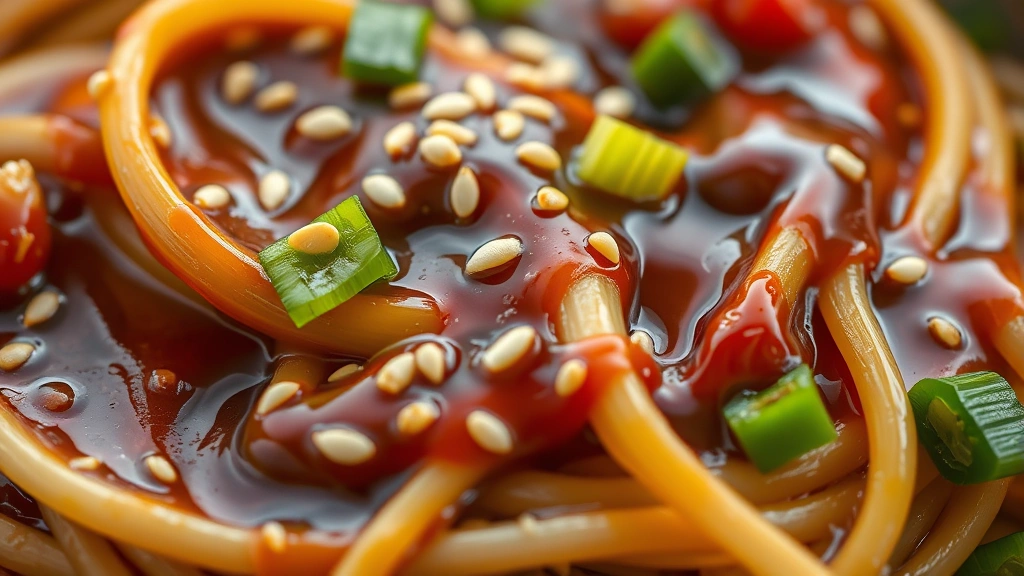
- Pour the prepared sauce over the vegetables in the wok, stirring well to coat everything evenly. Add the broth to create a silky sauce that will cling beautifully to the noodles.
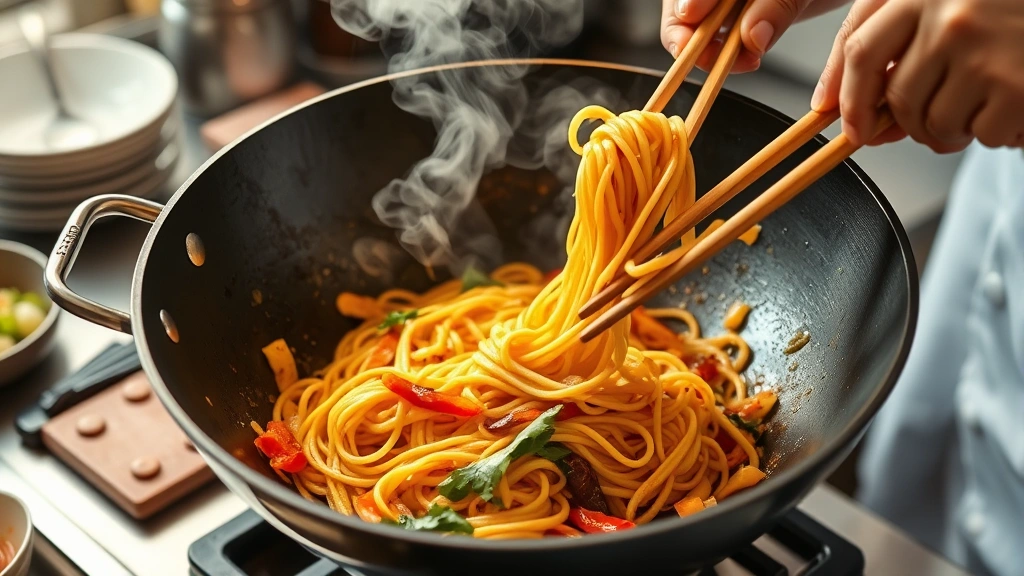
- Return the cooked protein to the wok along with the cooked noodles. Toss everything together gently but thoroughly for 2-3 minutes, ensuring the noodles are heated through and every strand is coated with the delicious sauce.
- Add the green onions and toss gently one final time. Taste and adjust seasonings with additional soy sauce, sesame oil, or rice vinegar as needed.
- Divide the noodles among four bowls, making sure to include plenty of vegetables, protein, and sauce. Garnish generously with sesame seeds and any optional toppings you prefer.
- Serve immediately while everything is hot and the aromas are at their peak. Provide lime wedges on the side for a bright squeeze of citrus if desired.
Pro Tips
Protein Options: This recipe works wonderfully with chicken, shrimp, beef, pork, or tofu. Cook times may vary slightly depending on your choice. Shrimp cooks fastest at just 2-3 minutes, while thicker chicken pieces may need an extra minute or two.
Vegetable Variations: Feel free to substitute or add vegetables based on what you have available. Water chestnuts, bok choy, snap peas, mushrooms, zucchini, and cabbage all work beautifully. Aim for about 3-4 cups of vegetables total for the best texture and flavor balance.
Sauce Adjustments: If you prefer a saucier dish, increase the broth to 1/3 cup. For a drier preparation, use just 2 tablespoons of broth. Those who love heat should increase the sriracha to 2 teaspoons or add fresh Thai chilies.
Make-Ahead Tips: You can prep all your vegetables and protein several hours in advance. Store them separately in airtight containers in the refrigerator. Make the sauce several hours ahead too—it actually improves as flavors meld. The only thing to do fresh is cook the noodles and assemble the dish.
Cooking Technique: The key to success is having everything prepped before you start cooking. Asian noodle dishes come together very quickly once you begin cooking, so organization is crucial. Keep your heat at medium-high to maintain that restaurant-quality sear and quick cooking.
Sesame Oil Quality: Use toasted sesame oil for the most authentic and flavorful results. It has a deeper, more complex flavor than regular sesame oil. A little goes a long way, so don’t be tempted to use more than the recipe calls for.
Leftover Storage: Store leftovers in an airtight container in the refrigerator for up to three days. Reheat gently in a wok or skillet with a splash of broth to restore the sauce consistency. Cold noodles also make a delicious salad the next day.
Serving Suggestions: Serve with steamed dumplings, spring rolls, or a light cucumber salad on the side. A cold beverage like jasmine tea or a crisp white wine pairs beautifully with this dish.