
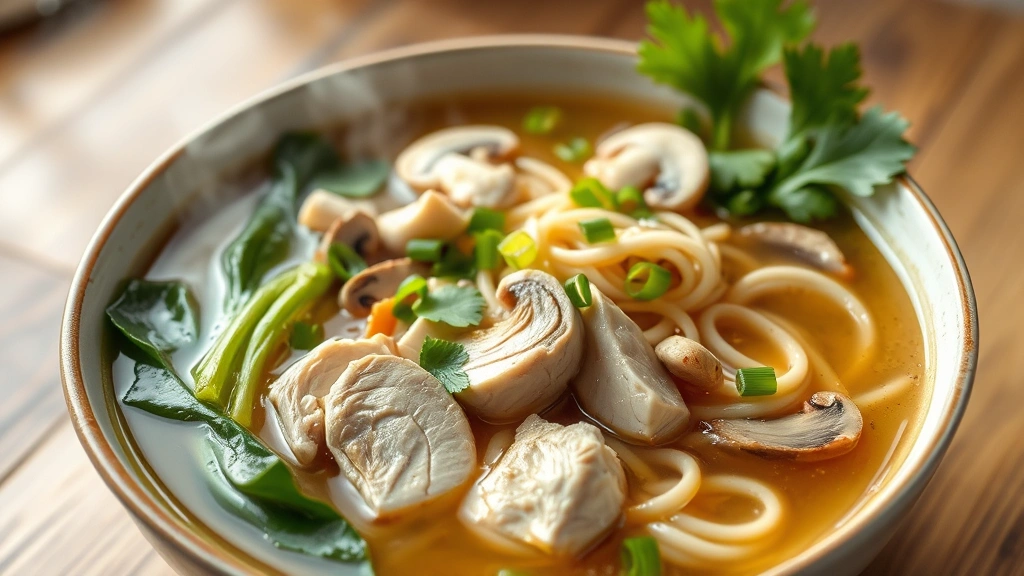
There’s something truly magical about a steaming bowl of Asian soup that warms you from the inside out. Whether you’re craving the comforting embrace of a silky broth or the vibrant punch of aromatic spices, this best Asian soup recipe delivers restaurant-quality results in your own kitchen. This isn’t just any soup—it’s a celebration of bold flavors, fresh ingredients, and time-honored cooking techniques that have been perfected across generations.
What makes this Asian soup recipe stand out from the rest is its perfect balance of simplicity and sophistication. The beauty of authentic Asian cooking lies in allowing each ingredient to shine while working in perfect harmony with the others. From the moment you begin preparing this dish, you’ll notice how the aromatics—ginger, garlic, and scallions—create an incredible foundation that sets the stage for everything that follows.
I’ve spent considerable time perfecting this recipe, testing various broths, protein options, and vegetable combinations to ensure you get the absolute best results every single time. The key is using quality ingredients and not rushing the process. While this soup comes together quickly, the depth of flavor comes from respecting each step and allowing the broth to develop properly. This is the kind of dish that makes you feel like you’ve been cooking for hours, even though it’s genuinely quick and easy.
What I absolutely love about making this Asian soup at home is the control you have over every element. Want it spicier? Add more chili oil. Prefer it vegetarian? Simply swap the chicken or seafood for tofu or mushrooms. This recipe is incredibly versatile and forgiving, making it perfect for weeknight dinners or impressing guests. The beauty is that whether you’re a seasoned home cook or just beginning your culinary journey, you can create something truly delicious.
For more inspiration on Asian-inspired dishes, check out our Best Cream Cheese Frosting Recipe for fusion desserts, or explore our Best Vanilla Ice Cream Recipe for a refreshing finish to your meal. The versatility of Asian cooking extends far beyond soups, so don’t hesitate to experiment with complementary recipes.
I recommend using a high-quality broth as your base—whether that’s chicken, vegetable, or seafood stock. The broth is the soul of any great soup, and this is where you shouldn’t compromise. Fresh ginger and garlic are non-negotiable; jarred versions simply cannot compare in terms of flavor intensity and authenticity. For the vegetables, choose firm options that will hold their shape and texture during cooking. Bok choy, mushrooms, snap peas, and carrots are traditional choices that work beautifully in this context.
One of my favorite aspects of this recipe is how quickly it comes together once you’ve done your prep work. Asian cooking heavily emphasizes mise en place—having everything prepared and ready before you begin cooking. This approach not only makes the cooking process smoother but also allows you to focus on the actual technique and flavor development. For additional cooking techniques and tips, explore Serious Eats for detailed guides on Asian cooking methods.
The aromatic profile of this soup is what truly sets it apart. The combination of fresh ginger, garlic, and perhaps a touch of white pepper creates a warming sensation that’s absolutely addictive. If you’re using seafood, a splash of oyster sauce or fish sauce adds incredible umami depth. For chicken-based versions, consider adding a piece of star anise or a cinnamon stick to the broth for subtle sweetness and complexity.
Temperature control is crucial when making this soup. You want to bring your broth to a rolling boil initially to create a flavorful base, but then reduce it to a gentle simmer to cook your proteins and vegetables properly. This prevents the broth from becoming cloudy and ensures that delicate ingredients remain tender rather than becoming tough and overcooked.
I often add a finishing touch of sesame oil right before serving—just a light drizzle brings the entire dish into focus. Fresh herbs like cilantro, Thai basil, or green onions add brightness and a pop of color. For those who enjoy a bit of heat, chili oil, sriracha, or fresh sliced chilies on the side allow everyone to customize their bowl to their preference.
This recipe serves approximately four to six people as a main course, though portions can easily be adjusted based on your needs. The beauty of soup is that it’s incredibly forgiving when it comes to scaling up or down. The cooking times remain essentially the same whether you’re making one pot or multiple batches.
For more preparation inspiration and advanced techniques, New York Times Cooking offers comprehensive guides on soup-making fundamentals. Additionally, Bon Appétit features countless variations on classic Asian soups that can inspire your own creative adaptations.
The wonderful thing about this best Asian soup recipe is that it’s both comforting and exciting. It’s the kind of dish you can enjoy on a quiet Tuesday evening or serve to guests when you want to impress without spending all day in the kitchen. Once you master this basic recipe, you’ll find yourself making endless variations based on seasonal ingredients and your personal preferences.
Ingredients
- 8 cups high-quality chicken or vegetable broth
- 3 tablespoons fresh ginger, thinly sliced or minced
- 4 cloves garlic, minced
- 2 tablespoons oyster sauce or fish sauce
- 1 tablespoon soy sauce
- 1 teaspoon sesame oil, plus more for finishing
- 1/2 teaspoon white pepper
- 1 pound boneless, skinless chicken breast or thighs, thinly sliced
- 2 cups bok choy, roughly chopped
- 1 cup mushrooms (shiitake or cremini), sliced
- 1 cup snap peas, halved diagonally
- 1/2 cup shredded carrots
- 3 green onions, sliced into 1-inch pieces
- Fresh cilantro for garnish
- Chili oil or sriracha for serving (optional)
- Rice noodles or egg noodles (optional)
Instructions
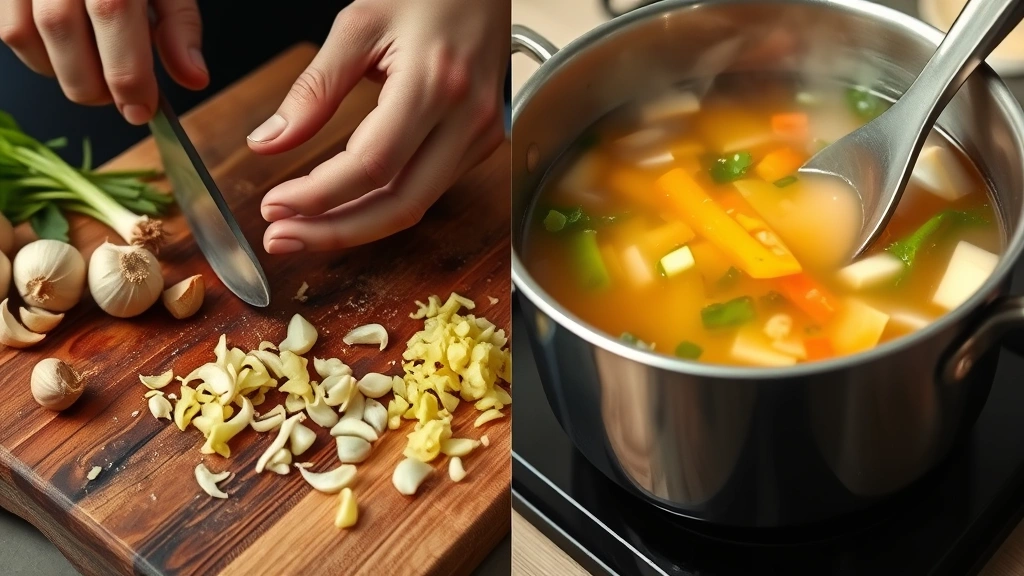
- Prepare all ingredients and have them ready in separate bowls. This mise en place approach ensures smooth cooking and prevents scrambling once the broth is heating.
- Pour the broth into a large pot and bring it to a rolling boil over medium-high heat.
- Once boiling, add the sliced ginger and minced garlic to the broth. Stir well and allow the aromatics to infuse for approximately 2-3 minutes until fragrant.
- Reduce the heat to medium and add the oyster sauce, soy sauce, sesame oil, and white pepper. Taste the broth and adjust seasonings as needed—this is your base flavor, so get it right before adding proteins and vegetables.
- Gently add the sliced chicken to the broth. Stir occasionally and simmer for approximately 5-7 minutes, until the chicken is cooked through and no longer pink inside. Do not allow the broth to boil vigorously at this point.
- Add the mushrooms and carrots to the pot, as these denser vegetables require longer cooking times. Simmer for 3-4 minutes.
- Add the bok choy and snap peas to the broth. These more delicate vegetables will only need 2-3 minutes of cooking time to become tender-crisp. Do not overcook, as they should maintain their vibrant color and slight crunch.
- If using noodles, add them now according to package directions, or prepare them separately and add to individual bowls.
- Taste the soup one final time and adjust seasonings with additional soy sauce, oyster sauce, or white pepper if desired.
- Ladle the soup into serving bowls, ensuring each bowl gets a good distribution of broth, protein, and vegetables.
- Finish each bowl with a light drizzle of sesame oil, a generous handful of fresh cilantro, and sliced green onions.
- Serve immediately while piping hot, offering chili oil and sriracha on the side for those who prefer additional heat.
Pro Tips
Do not skip the step of infusing ginger and garlic into the broth before adding other ingredients. These aromatics create the foundational flavor profile that everything else builds upon. Fresh ginger is absolutely essential—never substitute powder.
Cooking times for vegetables are guidelines only. Adjust based on how you prefer your vegetables cooked. If you like them softer, add them earlier. For more texture and crunch, add them later in the cooking process.
This recipe is extremely flexible when it comes to proteins. Shrimp cooks in just 2-3 minutes, so add it last. Tofu should be added gently to prevent breaking apart. Ground pork or beef can be browned separately before adding to the broth.
For vegetarian versions, use vegetable broth and add mushrooms, tofu, or chickpeas for protein. Miso paste can replace oyster sauce for added umami depth in vegetarian preparations.
Leftovers keep well in the refrigerator for 3-4 days, though noodles should be stored separately if included. Reheat gently on the stovetop rather than in the microwave to maintain broth clarity and prevent overcooking vegetables.
Customization is encouraged. Add ginger more liberally if you enjoy heat, or reduce it for milder preferences. Experiment with different vegetables based on season and availability. The core technique remains the same regardless of your ingredient choices.
For a spicier version, add fresh sliced Thai chilies, chili paste, or Sichuan peppercorns to the broth. For more richness, use a combination of chicken and seafood broths, or add a splash of coconut milk for creaminess.
Serve with steamed rice on the side or add rice noodles directly to the soup. Many Asian cultures serve soup alongside rice as a complete meal rather than as a first course.
This recipe scales beautifully. Double or triple the recipe for large gatherings, adjusting only the total volume of broth while keeping spice ratios consistent.