
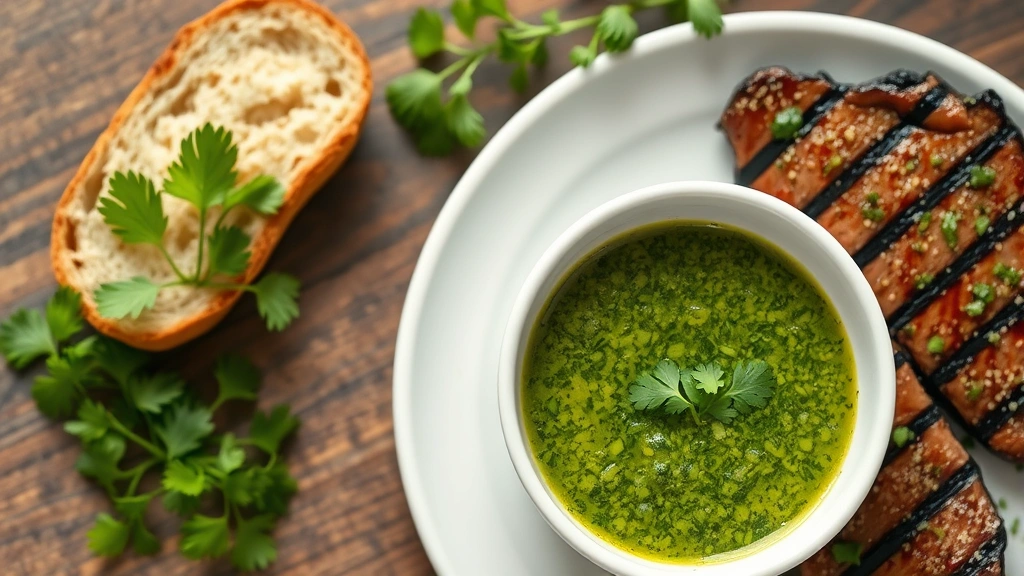
There’s nothing quite like authentic chimichurri—this vibrant, herbaceous sauce is the soul of Argentine cuisine and absolutely transforms any grilled meat, vegetables, or crusty bread. This recipe captures the true essence of chimichurri with fresh parsley, garlic, and the perfect balance of vinegar and olive oil that makes it utterly irresistible.
Chimichurri is more than just a sauce; it’s a celebration of fresh herbs and bold flavors that have been perfected over generations in Argentina. The beauty of this authentic recipe lies in its simplicity—just a handful of quality ingredients combined to create something truly magical. Whether you’re planning a backyard barbecue or looking to elevate your weeknight dinner, this chimichurri will become your secret weapon in the kitchen.
I grew up watching my family prepare chimichurri the traditional way, and I’m thrilled to share this time-tested recipe with you. The key is using fresh, vibrant herbs and allowing the flavors to meld together beautifully. Unlike store-bought versions, homemade chimichurri has an unmatched freshness and depth that will make your guests ask for your secret.
This versatile sauce pairs beautifully with grilled meats, and it’s also wonderful as a condiment for vegetables and salads. For more sauce inspiration, check out our Best Heavy Cream Alfredo Sauce Recipe and Easy Chicken Alfredo Recipe. You can also enjoy chimichurri with our Quick Tasty Bacon Carbonara for an exciting fusion twist, or serve it alongside our Best Chickpea Salad Recipe for a lighter meal option.
For more information on herb-based sauces and their traditional preparations, check out Serious Eats, Bon Appétit, and New York Times Cooking for additional inspiration and techniques.
Ingredients
- 1 cup fresh flat-leaf parsley, roughly chopped
- ¼ cup fresh oregano, roughly chopped (or 2 tablespoons dried oregano)
- 4 garlic cloves, minced
- ½ cup extra-virgin olive oil
- ¼ cup red wine vinegar
- 1 tablespoon fresh lemon juice
- ½ teaspoon red pepper flakes (adjust to taste)
- ½ teaspoon kosher salt
- ¼ teaspoon freshly ground black pepper
- Pinch of cumin (optional but traditional)
Instructions
- Gather all your ingredients and ensure the parsley and oregano are as fresh as possible—this is crucial for authentic chimichurri.
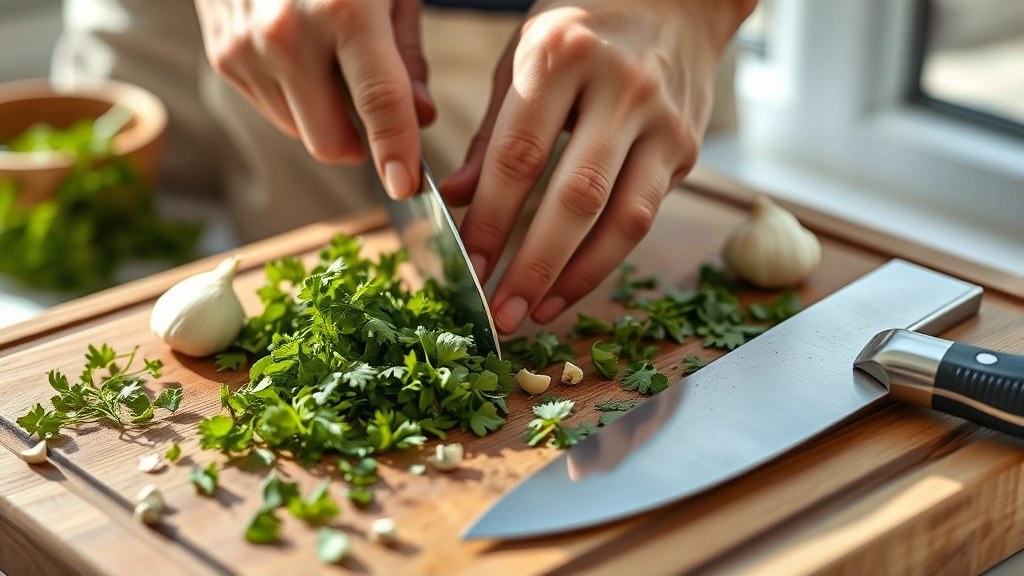
- Roughly chop the fresh flat-leaf parsley, removing any thick stems and using mostly the leaves for the best texture and flavor.
- Roughly chop the fresh oregano into small pieces, or measure out dried oregano if fresh is unavailable.
- Mince the garlic cloves finely, pressing them slightly with the side of your knife to release their oils and flavor.
- In a medium bowl, combine the chopped parsley, oregano, and minced garlic together, stirring gently to distribute evenly.
- Pour the extra-virgin olive oil into the herb mixture, stirring well to coat all the herbs and help infuse the oil with their flavors.
- Add the red wine vinegar slowly while stirring, allowing it to blend smoothly with the oil and herbs.
- Squeeze in the fresh lemon juice and stir to combine, which adds brightness and helps preserve the vibrant color of the herbs.
- Sprinkle in the red pepper flakes, starting with ½ teaspoon and adjusting upward if you prefer more heat.
- Add the kosher salt and freshly ground black pepper, stirring thoroughly to distribute the seasonings evenly.
- Optional: add a pinch of cumin for a more traditional Argentine flavor profile, stirring well to incorporate.
- Taste the chimichurri and adjust seasonings as needed—it should be herbaceous, garlicky, tangy, and well-balanced.
- Let the chimichurri rest for at least 30 minutes before serving to allow the flavors to meld and develop.
- Store in an airtight container in the refrigerator for up to 5 days, though it’s best enjoyed within the first 3 days.
- Stir well before each use, as the oil and vinegar may separate slightly during storage.
Pro Tips
- Chimichurri is best made with fresh herbs—frozen or dried parsley will not give you the same vibrant result, though dried oregano is acceptable if fresh is unavailable
- The ratio of parsley to oregano is important; parsley should dominate to give chimichurri its characteristic bright, fresh flavor
- Red wine vinegar is traditional, but white wine vinegar or apple cider vinegar can be substituted if needed
- The red pepper flakes add heat and complexity; start with ½ teaspoon and increase to your preference
- Quality extra-virgin olive oil makes a significant difference in the final taste, so invest in a good bottle
- Allow the sauce to rest for at least 30 minutes before serving—this resting period is crucial for flavor development
- Chimichurri can be made 1-2 days ahead, but it’s best served fresh within 3 days of preparation
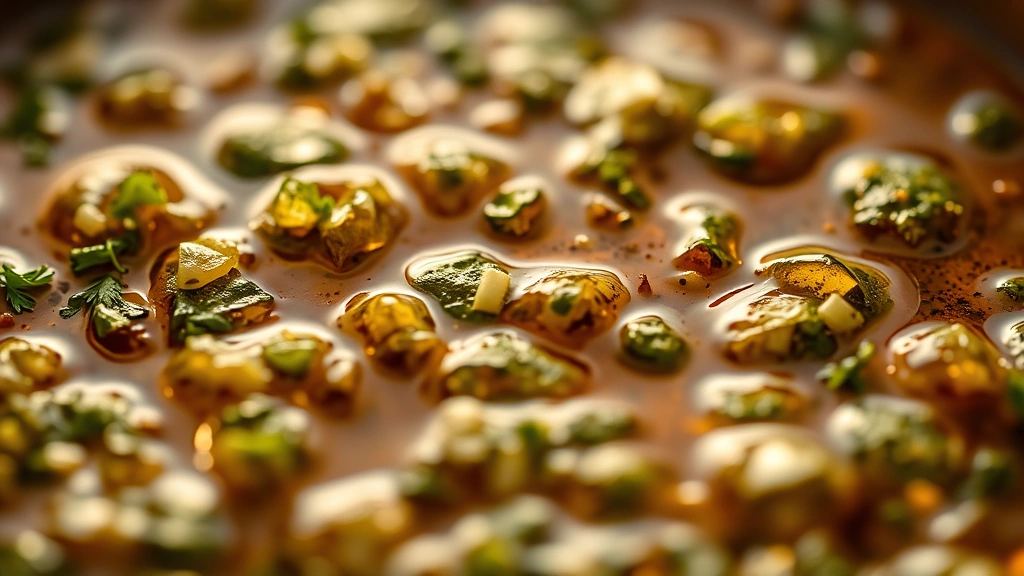
- Store in an airtight glass container in the refrigerator; the flavors will continue to develop over time
- This sauce pairs perfectly with grilled steak, chicken, pork, and even vegetables
- For a thicker chimichurri, use less olive oil; for a thinner, more pourable version, add extra oil
- Some traditional recipes include a small amount of finely minced onion—add 2 tablespoons of finely diced red onion if desired
- Never cook chimichurri—heat will destroy the fresh herb flavors and turn it muddy in color
- If you prefer a smoother sauce, pulse the ingredients together in a food processor for 10-15 seconds, being careful not to over-process
- Chimichurri freezes well in ice cube trays for up to 3 months, making it perfect for quick weeknight meals