
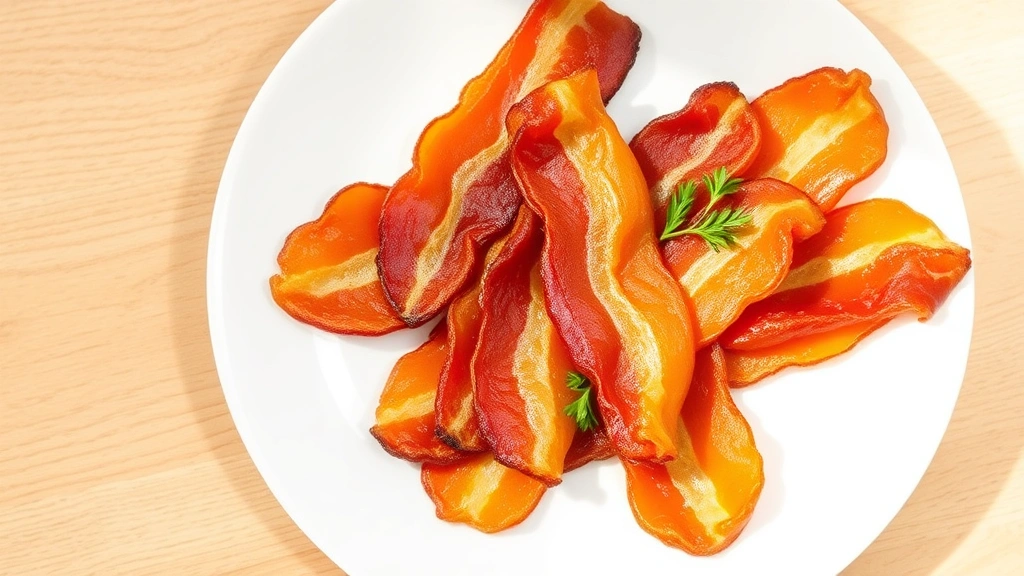
Bacon is one of those magical ingredients that transforms everything it touches into something absolutely delicious. Whether you’re a breakfast enthusiast, a lunch lover, or someone who sneaks bacon into dinner, this guide will teach you how to make the BEST bacon recipe that’s crispy, flavorful, and perfectly cooked every single time.
I grew up watching my grandmother make bacon on Sunday mornings, and let me tell you, there’s nothing quite like the smell of bacon sizzling in a cast-iron skillet. But here’s the thing—not everyone knows the secrets to achieving that perfect balance between crispy edges and tender centers. After years of experimenting with different cooking methods, temperatures, and techniques, I’ve finally cracked the code. This recipe is so simple, yet so incredibly tasty, that you’ll wonder why you never made it this way before.
The beauty of bacon is that it requires minimal ingredients and preparation. All you need is quality bacon and the right cooking method. Whether you prefer your bacon cooked in a skillet, in the oven, or even in an air fryer, I’ll walk you through each method so you can choose what works best for your kitchen and lifestyle. This guide covers everything from selecting the best bacon at the grocery store to mastering the perfect cook every single time.
What makes this bacon recipe so special is the attention to detail. It’s not just about throwing bacon in a pan and hoping for the best. It’s about understanding how heat works, knowing when to flip, and recognizing the exact moment your bacon reaches that perfect state of crispy perfection. I’ve included tips and tricks that professional chefs use, adapted for your home kitchen. You’ll learn why some people’s bacon always comes out burnt while others achieve restaurant-quality results. The answer lies in technique, temperature control, and a little bit of patience.
This recipe is perfect for breakfast, brunch, lunch, or even as a garnish for salads and appetizers. You can make a big batch and store it for the week, use it in breakfast sandwiches, crumble it over baked potatoes, or simply enjoy it on its own with a cup of coffee. The versatility of bacon is truly unmatched, and once you master this recipe, you’ll find yourself using it in ways you never imagined.
I’ve tested this recipe with different types of bacon—thick-cut, thin-cut, hickory-smoked, maple-glazed—and the technique works beautifully with all of them. The key is understanding the fundamentals and then adapting them to suit your preferences and the specific type of bacon you’re using. Whether you like your bacon barely crispy or completely crunchy, this guide will help you achieve exactly what you’re looking for.
One of my favorite things about this recipe is how it brings people together. There’s something about the aroma of cooking bacon that gets everyone out of bed and into the kitchen. It’s comfort food at its finest, and it’s something that even the most novice cooks can master. So grab your favorite bacon, preheat your cooking vessel, and let’s make the best bacon you’ve ever tasted.
For more inspiration on how to use your perfectly cooked bacon, check out Bon Appétit’s bacon recipes, or explore Serious Eats’ comprehensive bacon guide. You can also find amazing New York Times bacon recipes that showcase different applications.
Ingredients
- 1 pound bacon (thick-cut, thin-cut, or your preferred style)
- Freshly ground black pepper (optional)
- Pinch of brown sugar (optional, for extra depth)
Instructions
- Pat your bacon strips dry with paper towels—this is crucial for achieving maximum crispiness. Moisture is the enemy of crispy bacon, so don’t skip this step even though it seems simple.
- Choose your cooking method: skillet (stovetop), oven, or air fryer. Each method has its advantages, so pick based on your preference and how much bacon you’re cooking.
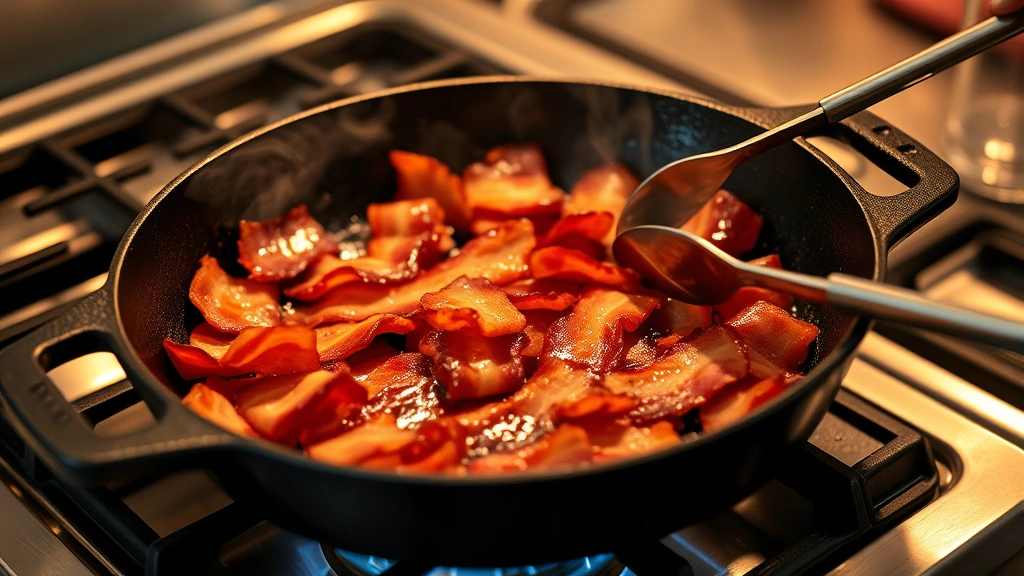
- If using the skillet method: Arrange bacon strips in a cold cast-iron or non-stick skillet in a single layer, making sure they don’t overlap. This is important because overlapping bacon won’t cook evenly.
- Turn the heat to medium (not high—patience is key here). Let the bacon cook slowly as the fat renders. This slow cooking ensures even browning and prevents burning.
- Cook for approximately 8-12 minutes for thin-cut bacon or 12-15 minutes for thick-cut bacon, depending on your desired crispiness level.
- Flip the bacon strips halfway through cooking using tongs or a fork—never use a fork that goes through the bacon as it can cause the hot grease to splash.
- Watch carefully during the final few minutes. Bacon can go from perfectly crispy to burnt in seconds, so stay near the skillet.
- When the bacon reaches your desired level of crispiness, transfer it to a plate lined with paper towels. The paper towels will absorb excess grease and help keep the bacon crispy.
- If using the oven method: Preheat your oven to 400°F. Line a large baking sheet with aluminum foil for easy cleanup.
- Arrange bacon strips on the prepared baking sheet in a single layer. You can let them touch slightly, but they shouldn’t overlap.
- Place the baking sheet in the preheated oven and bake for 15-20 minutes, depending on thickness and your oven’s characteristics.
- There’s no need to flip oven-cooked bacon—it cooks evenly from the radiant heat. Check at the 15-minute mark and continue cooking if needed.
- Remove from the oven when the bacon reaches your desired crispiness. Transfer to paper towels immediately to drain excess grease.
- If using an air fryer: Preheat your air fryer to 375°F. Arrange bacon strips in the basket in a single layer without overlapping.
- Air fry for 8-10 minutes, shaking the basket halfway through for even cooking. Air fryer cooking times vary by model, so check at 8 minutes.
- Transfer cooked bacon to paper towels to absorb any remaining grease. Your bacon should be perfectly crispy and ready to serve.
- Serve immediately while still warm and crispy. If you need to hold bacon for a short time, keep it in a warm oven at 200°F.
- For extra flavor, sprinkle with freshly ground black pepper or a touch of brown sugar immediately after cooking while still warm.
Pro Tips
- **Bacon Selection Matters**: Choose quality bacon from a butcher if possible. Look for bacon with good marbling and a vibrant pink color. Avoid bacon that appears pale or has excessive liquid in the package.
- **The Paper Towel Secret**: Always drain your cooked bacon on paper towels. This removes excess grease and keeps the bacon crispy. You can place a second paper towel on top and gently press to absorb even more grease.
- **Temperature Control is Key**: Whether you’re using a skillet, oven, or air fryer, consistent, moderate heat is better than high heat. High heat causes the outside to burn before the fat renders properly from the inside.
- **Timing Varies by Thickness**: Thin-cut bacon cooks much faster than thick-cut bacon. Always check your bacon a minute or two before the recipe suggests to ensure you hit your desired crispiness level.
- **Cast-Iron Skillet Advantage**: If you have a cast-iron skillet, use it for stovetop bacon. It distributes heat more evenly than regular pans and creates more consistent results. The seasoning from the skillet also adds subtle flavor.
- **Oven Method Benefits**: The oven method is perfect when cooking large quantities of bacon for a crowd or meal prep. You can cook an entire pound at once without hovering over the stove. Plus, cleanup is minimal with foil-lined baking sheets.
- **Air Fryer Efficiency**: Air fryer bacon is crispy, requires no flipping for most models, and produces less mess than stovetop cooking. It’s also faster than oven-cooking and uses less energy.
- **Storage Tips**: Cooked bacon can be stored in an airtight container in the refrigerator for up to 5 days. Reheat in a 350°F oven for 5 minutes to restore crispiness, or reheat in an air fryer for 2-3 minutes.
- **Freezing Bacon**: Cooked bacon freezes beautifully for up to 3 months. Freeze on a parchment-lined baking sheet first, then transfer to a freezer bag. You can reheat frozen bacon directly without thawing.
- **Flavor Variations**: Try maple bacon, applewood-smoked bacon, or peppered bacon for different flavor profiles. Each variety requires the same cooking method but offers unique taste experiences.
- **Grease Reuse**: Don’t throw away the bacon grease! Strain it into a glass jar and store it in the refrigerator. It’s liquid gold for cooking vegetables, making pastries, or adding flavor to beans and soups.
- **Crispy vs. Chewy**: If you prefer chewy bacon, remove it at 5-7 minutes of cooking. For extra crispy bacon, continue cooking until it’s nearly charred but still pliable.
Pingback: How to Make the Perfect Smoked Pork Loin Recipe (So Easy!) – Simple Recipe Finder