
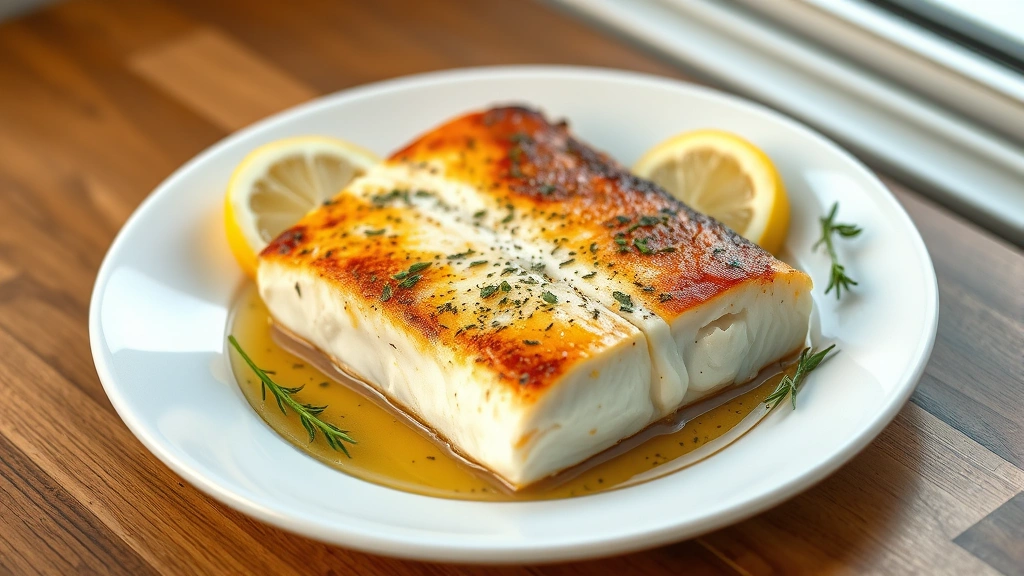
There’s something absolutely magical about a perfectly baked mahi mahi fillet—it’s elegant enough for a dinner party, yet simple enough for a weeknight meal. This baked mahi mahi recipe is my go-to whenever I want to serve something restaurant-quality that doesn’t require hours in the kitchen. The beauty of mahi mahi lies in its mild, slightly sweet flavor and firm, flaky texture that holds up beautifully to baking.
I’ve been making this dish for years, and I’ve perfected it to ensure every single fillet comes out moist, tender, and absolutely delicious. The secret is in the preparation—a simple combination of fresh lemon, garlic, and quality butter creates a sauce that’s both light and incredibly flavorful. Unlike some fish recipes that can be finicky and temperamental, this baked mahi mahi is forgiving and reliable, making it perfect for anyone looking to expand their seafood cooking skills.
What I love most about this recipe is how versatile it is. You can serve it with roasted vegetables like asparagus or green beans, pair it with a fresh chickpea salad for a lighter option, or even create a grain bowl situation with quinoa or rice. The mahi mahi itself is the star, so you really don’t need much else, but I do love adding pickled red onions for a pop of color and tang.
According to Serious Eats, mahi mahi is an excellent choice for baking because its firm flesh doesn’t dry out as easily as more delicate white fish varieties. The key is not to overcook it—mahi mahi continues cooking after you remove it from the oven, so timing is everything. I typically bake mine at 400°F for about 12-15 minutes, depending on the thickness of your fillets.
This recipe serves four people generously and can easily be doubled if you’re feeding a crowd. I’ve also found that this dish reheats beautifully, making it perfect for meal prep or leftovers. The combination of fresh herbs, bright citrus, and buttery richness makes every bite feel special without being complicated. Whether you’re a seasoned home cook or just starting to explore fish recipes, this baked mahi mahi will become a trusted favorite in your kitchen rotation.
For more inspiration on preparing white fish, check out this guide from Bon Appétit or explore additional baking techniques at New York Times Cooking. You might also enjoy exploring complementary sides like a creamy pasta or a rich alfredo sauce if you want to get creative with your plating.
Ingredients
- 4 mahi mahi fillets (6 ounces each)
- 4 tablespoons unsalted butter
- 3 cloves garlic, minced
- 2 lemons (1 juiced, 1 sliced into thin rounds)
- 1/4 cup fresh parsley, finely chopped
- 1 teaspoon fresh dill, chopped (or 1/2 teaspoon dried dill)
- 1/2 teaspoon salt
- 1/4 teaspoon freshly ground black pepper
- 1/4 teaspoon red pepper flakes (optional)
- 2 tablespoons extra virgin olive oil
- 1/2 cup white wine or chicken broth
- 2 tablespoons capers (optional but recommended)
- Fresh thyme sprigs for garnish
Instructions
- Preheat your oven to 400°F. Line a large baking sheet with parchment paper or lightly grease a baking dish—this makes cleanup easier and prevents sticking.
- Pat your mahi mahi fillets completely dry with paper towels. This step is crucial for achieving a nice texture and helping seasonings adhere properly to the fish.
- Arrange the dried mahi mahi fillets on your prepared baking sheet, spacing them evenly and leaving about an inch between each fillet.
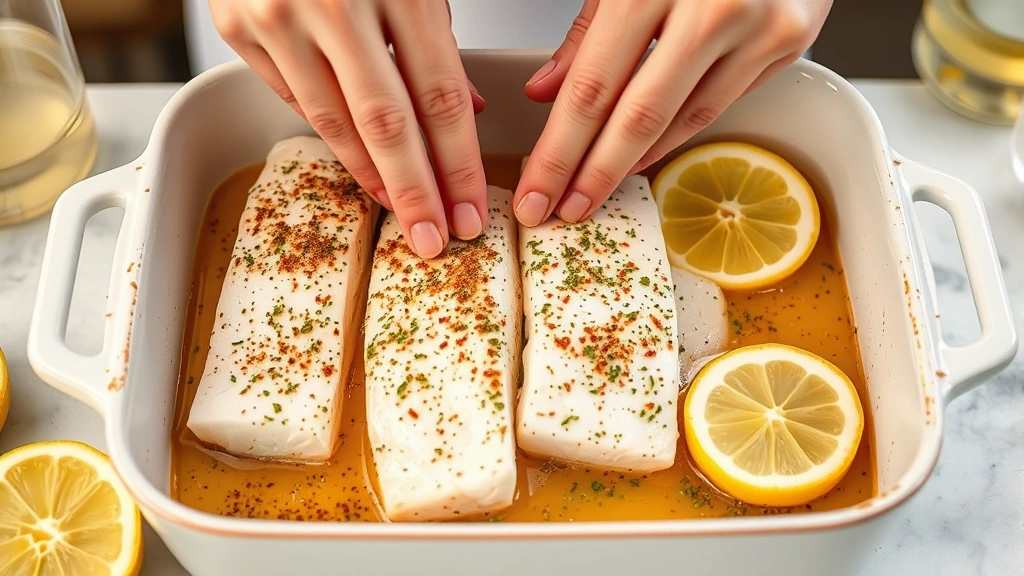
- Drizzle both sides of each fillet with extra virgin olive oil, then season generously with salt, freshly ground black pepper, and red pepper flakes if using. Don’t be shy with the seasoning—fish needs proper salting to taste its best.
- In a small bowl, combine the minced garlic, fresh parsley, and dill. Mix these together until well combined.
- Sprinkle the garlic and herb mixture evenly over the top of each mahi mahi fillet, pressing gently so it adheres to the fish.
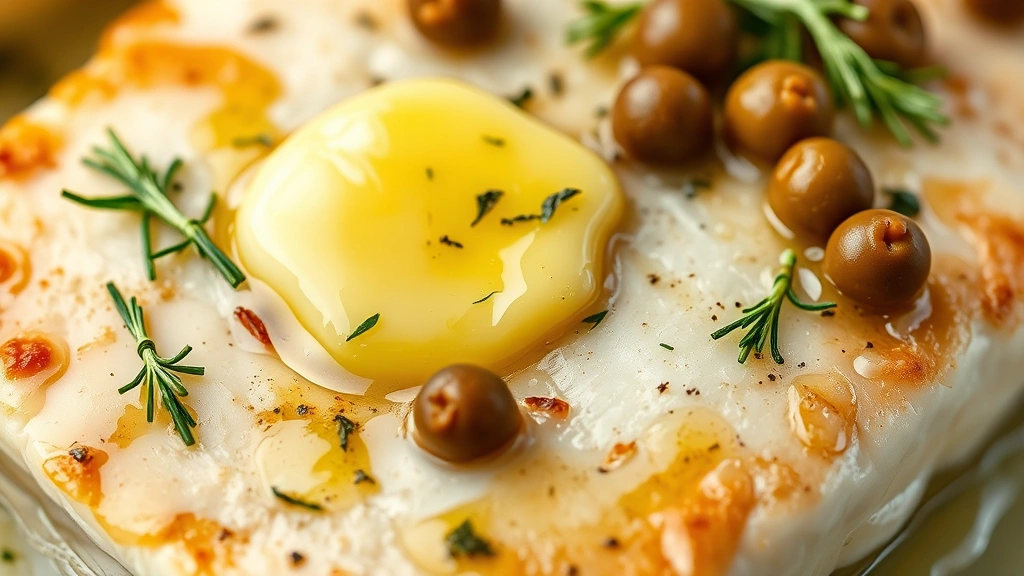
- Dot each fillet with 1 tablespoon of unsalted butter, distributing it evenly across the top. You can break it into small pieces for more even distribution.
- Arrange lemon slices over and around the fillets, and scatter capers around the baking sheet if using.
- Pour the white wine or chicken broth into the bottom of the baking sheet, being careful not to pour it directly over the seasoned fillets. This creates a gentle poaching liquid that keeps the fish moist.
- Squeeze the juice from one lemon evenly over all four fillets, then place the baking sheet in your preheated 400°F oven.
- Bake for 12 to 15 minutes, depending on the thickness of your fillets. The fish is done when it flakes easily with a fork and the internal temperature reaches 145°F on an instant-read thermometer.
- While the fish bakes, you can prepare any side dishes you’re planning to serve, such as roasted vegetables or a fresh salad.
- Remove the baking sheet from the oven and let rest for 2 minutes before serving. This allows the residual heat to distribute evenly.
- Carefully transfer each mahi mahi fillet to a serving plate using a spatula, and spoon some of the pan sauce and capers over the top.
- Garnish with fresh thyme sprigs and additional fresh parsley if desired, then serve immediately while hot.
Pro Tips
- Mahi mahi is a lean fish, so it’s important not to overcook it. Even a minute or two too long in the oven can result in dry fish. Use a meat thermometer for foolproof results—145°F is the perfect doneness.
- If you can’t find fresh mahi mahi, frozen fillets work beautifully in this recipe. Just make sure to thaw them completely in the refrigerator before cooking, and pat them dry very well before seasoning.
- The wine in this recipe adds incredible flavor to the pan sauce. If you prefer not to use alcohol, substitute with additional chicken or vegetable broth. The sauce will be slightly less complex but still delicious.
- This recipe is naturally gluten-free and works well for those following a paleo or keto diet. It’s also easily adaptable for low-carb meal plans.
- Leftover baked mahi mahi can be stored in an airtight container in the refrigerator for up to three days. Reheat gently in a 300°F oven for about 5-7 minutes to prevent drying out.
- For a more elegant presentation, arrange the cooked fillets on a bed of wilted spinach or alongside roasted asparagus before plating.
- The pan sauce is delicious and shouldn’t be wasted. Spoon it generously over the fish and any accompanying sides for maximum flavor.
- Fresh herbs make a noticeable difference in this recipe. If possible, use fresh dill and parsley rather than dried. Fresh herbs have a brighter, more vibrant flavor that really shines in simple preparations like this.
- You can prepare the fillets up to 4 hours ahead by seasoning them and storing them covered in the refrigerator. Just add 2-3 minutes to the cooking time if baking from cold.
- This dish pairs wonderfully with a crisp white wine like Sauvignon Blanc or Pinot Grigio. The acidity in the wine complements the delicate fish beautifully.