
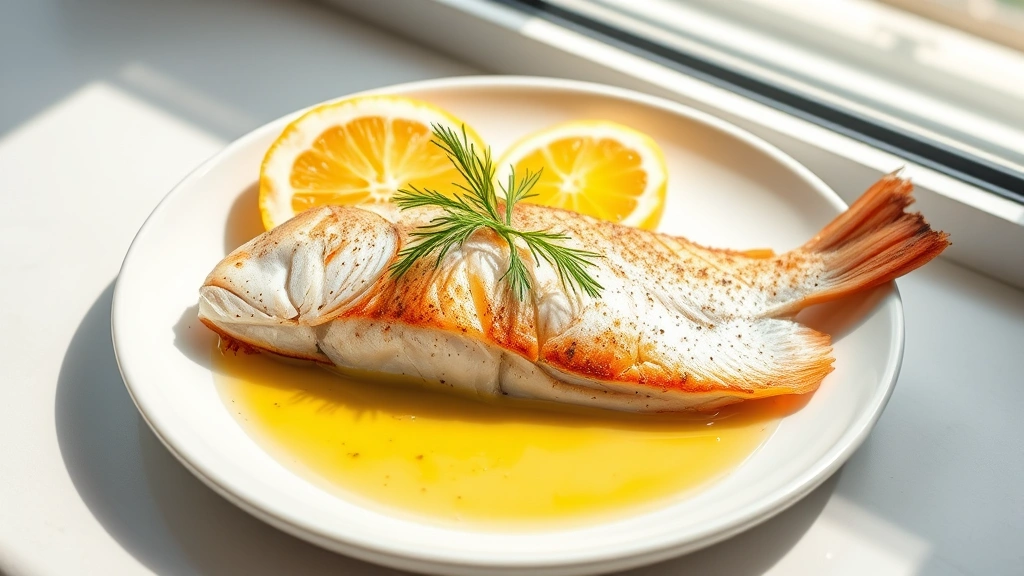
There’s something absolutely magical about a perfectly baked red snapper—the delicate, flaky flesh that practically melts on your tongue, the subtle sweetness of the fish enhanced by simple, elegant ingredients. This is the kind of recipe that looks impressive enough to serve at a dinner party, yet it’s so straightforward that even novice cooks can master it with confidence.
Red snapper is a beautiful fish with tender, mild-flavored meat that deserves respect in the kitchen. Unlike heartier fish that can handle bold flavors, red snapper shines when you let its natural qualities take center stage. This recipe celebrates that philosophy perfectly, combining fresh herbs, bright citrus, and quality butter to create a dish that’s both refined and comforting.
What makes this the BEST baked red snapper recipe is the combination of technique and restraint. We’re talking about a perfectly seasoned fillet, nestled on a bed of aromatics, wrapped in parchment paper to create its own steaming environment that keeps the fish impossibly moist. The parchment en papillote method isn’t just fancy—it’s genuinely the best way to ensure your snapper stays tender and flavorful.
I’ve tested countless methods, from simple sheet pan preparations to elaborate sauces, and this approach consistently delivers restaurant-quality results every single time. The beauty of this recipe is that it comes together in about thirty minutes from start to finish, making it perfect for weeknight dinners or special occasions alike.
The key to success starts with sourcing the best red snapper you can find. Visit your local fishmonger and ask for wild-caught if possible. Look for fish with clear, bright eyes and flesh that springs back when gently pressed. Ask them to remove the skin and any pin bones, which makes your job infinitely easier at home.
Once you have your fish, the rest is straightforward. Layer your aromatics—thin slices of lemon, fresh dill, and fennel—directly on the parchment paper. This creates a flavorful base that the fish will rest on. Season generously with sea salt and freshly cracked pepper, then top with a pat of cold butter. The butter will melt during cooking, creating a luxurious sauce that you’ll want to drizzle over everything on your plate.
Serve this stunning baked red snapper alongside simple sides like steamed asparagus or a light green salad. If you’re looking for something more substantial, try pairing it with our Quick Tasty Bacon Carbonara Recipe for a sophisticated meal, or complement it with our Best Chickpea Salad Recipe for a lighter option.
For an elegant presentation, serve the fish right in its parchment packet, allowing each guest to open it at the table—the aroma that escapes is absolutely divine. For additional inspiration on fish preparation techniques, check out this comprehensive guide on cooking fish.
The beauty of this recipe extends beyond just taste—it’s also incredibly forgiving. The parchment paper creates a gentle cooking environment that’s hard to overcook. Even if your oven runs hot or you get distracted, the fish remains moist and delicious. This is comfort food elevated to its highest form.
Whether you’re cooking for two or preparing a dinner party, this baked red snapper recipe scales beautifully. Simply adjust the quantities and cooking time slightly if needed. For a complete dinner inspiration, explore this New York Times guide to whole roasted fish for additional techniques.
This recipe has become my go-to for impressing guests because it’s foolproof, elegant, and absolutely delicious. Once you master this method, you’ll find yourself making it again and again.
Ingredients
- 4 red snapper fillets, 6 ounces each, skin removed and pin bones extracted
- 4 tablespoons unsalted butter, divided into pats
- 2 lemons, thinly sliced into rounds
- 1 fennel bulb, thinly sliced
- 4 sprigs fresh dill
- 4 sprigs fresh thyme
- Sea salt and freshly cracked black pepper to taste
- 4 sheets parchment paper, 12×16 inches each
- 2 cloves garlic, minced
- 1 small red onion, thinly sliced
- 2 tablespoons dry white wine, divided
- Fresh tarragon for garnish
- Fleur de sel for finishing
Instructions
- Preheat your oven to 400°F (200°C). Position the racks in the middle of the oven to ensure even heat distribution and beautiful results.
- Fold each sheet of parchment paper in half, then unfold it. This creates a guide for your en papillote packets. You’ll be building your packets on one side of the fold.
- On the left side of each parchment sheet, arrange a bed of fennel slices, overlapping them slightly. Top with a few slices of lemon and scatter minced garlic over the vegetables.
- Sprinkle red onion slices evenly across the vegetable bed, creating a flavorful foundation for your snapper.
- Pat the red snapper fillets completely dry with paper towels—this is essential for achieving the best texture and ensuring seasonings adhere properly.
- Season each fillet generously on both sides with sea salt and freshly cracked black pepper. Don’t be shy; proper seasoning is crucial for bringing out the fish’s natural flavors.
- Place one seasoned red snapper fillet directly on top of the vegetable bed on each parchment sheet. Position it so there’s adequate space around the edges for folding.
- Top each fillet with a sprig of fresh dill and a sprig of fresh thyme. These herbs will infuse the fish with subtle, elegant flavors as it cooks.
- Drizzle approximately 1/2 tablespoon of dry white wine over each fillet, allowing it to cascade down onto the vegetables beneath.
- Top each fillet with a pat of cold butter, approximately 1 tablespoon per packet. This will melt during cooking, creating a silky sauce.
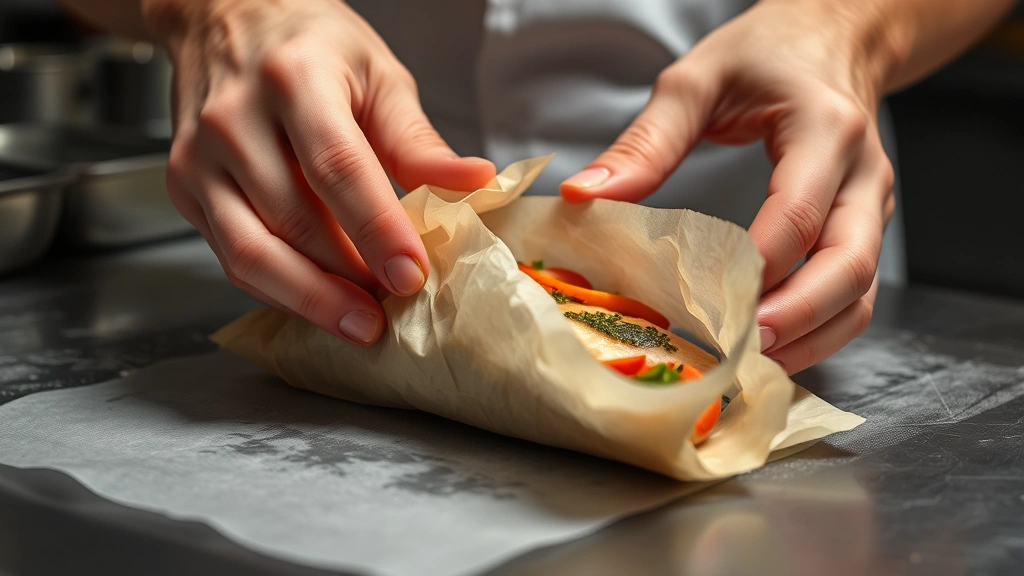
- Fold the parchment paper over the fish to create a packet, starting with the right side of the sheet. Make sure you’re working with the fold on the left side.
- Beginning at the top of the folded parchment, create tight crimps or folds along the entire open edge, working your way down to the bottom corner. This seals in the steam and moisture.
- Make sure each packet is completely sealed—no gaps or openings should be visible. The steam created inside is what makes this cooking method so effective.
- Place all four sealed packets on a large baking sheet, leaving space between them for air circulation. They can touch slightly but shouldn’t be crowded.
- Carefully slide the baking sheet into your preheated 400°F oven. Set a timer for exactly 15 minutes—this timing is perfect for fish of this thickness.
- While the fish cooks, resist the urge to open the oven door. The packets are creating their own perfect steaming environment, and opening the door will release valuable heat and moisture.
- When the timer sounds, carefully remove the baking sheet from the oven. The parchment packets should be puffed and slightly browned.
- Using a sharp knife, carefully cut an X in the top of each packet to release the steam. Be cautious—the steam inside will be very hot and can cause burns.
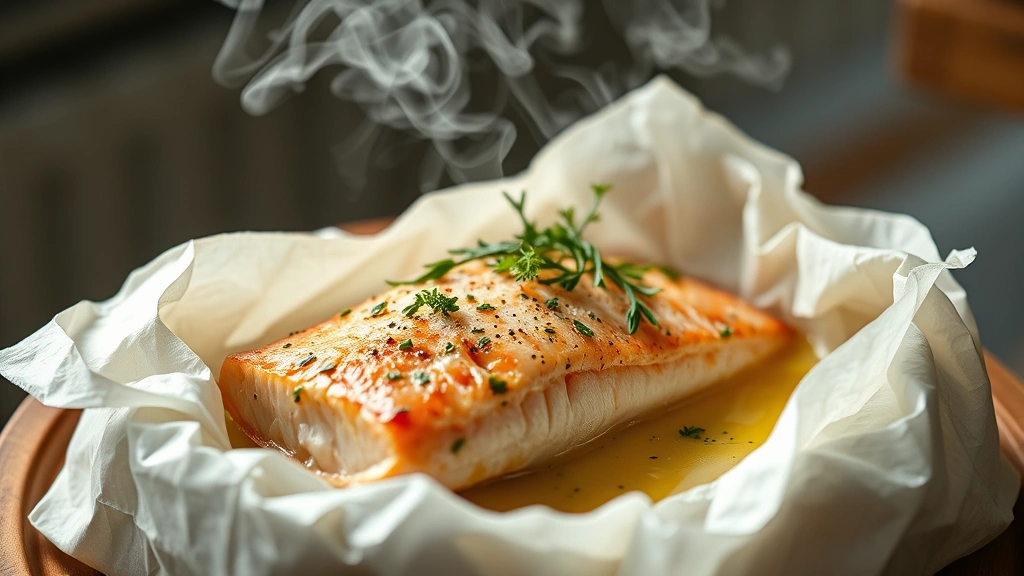
- Fold back the parchment carefully, creating an open packet that displays the beautiful cooked fish. The aroma will be absolutely stunning.
- Transfer each packet to a serving plate, leaving the parchment underneath for an elegant presentation. Alternatively, carefully slide the fish and vegetables onto individual plates.
- Spoon any accumulated juices from the parchment over the fish, ensuring each serving gets the flavorful liquid and melted butter sauce.
- Garnish each fillet with fresh tarragon leaves and a pinch of fleur de sel for a professional finishing touch.
- Serve immediately while the fish is still warm and the parchment is still steaming. This is the moment of maximum flavor and beauty.
Pro Tips
Parchment Paper Essentials: Use unbleached parchment paper when possible, as it’s more environmentally friendly. If parchment isn’t available, you can use aluminum foil, though the presentation won’t be quite as elegant. Make sure your parchment sheets are large enough to create secure seals.
Herb Variations: While dill and thyme are classic choices for fish, feel free to experiment with other fresh herbs like tarragon, chervil, or fennel fronds. Avoid heavy herbs like rosemary, which can overpower delicate snapper.
Wine Selection: Use a dry white wine like Sauvignon Blanc or Pinot Grigio. The wine adds acidity and complexity without overwhelming the fish. If you prefer not to use wine, substitute with additional lemon juice or fish stock.
Temperature Control: An instant-read thermometer is your friend. The internal temperature of cooked red snapper should reach 145°F (63°C). Don’t rely solely on appearance, as snapper can look opaque before it’s fully cooked through.
Make-Ahead Preparation: You can assemble the packets up to 4 hours in advance. Store them on a baking sheet, covered loosely with plastic wrap in the refrigerator. Add 2-3 minutes to the cooking time if baking from cold.
Side Dish Pairings: This delicate fish pairs beautifully with our Easy Pickled Red Onion Recipe for a pop of color and acidity. For sauce options, consider our Best Heavy Cream Alfredo Sauce Recipe adapted to complement fish, or serve with our Delicious Heavy Cream Pasta Recipe for a luxurious meal.
Butter Quality: Using high-quality butter makes a noticeable difference in the final sauce. European-style butter with higher fat content creates a richer, more luxurious result.
Leftover Storage: While best enjoyed immediately, leftover baked red snapper keeps well in an airtight container for up to 2 days. Reheat gently in a 300°F oven for 8-10 minutes, covered with foil.
Scaling the Recipe: This recipe easily doubles or triples. Simply prepare additional packets following the same method. You may need to use multiple baking sheets or adjust oven space accordingly.
Fish Doneness: Red snapper cooks quickly due to its delicate texture. Aim for perfectly opaque flesh that flakes easily with a fork. Overcooking will result in dry, unpleasant texture.