
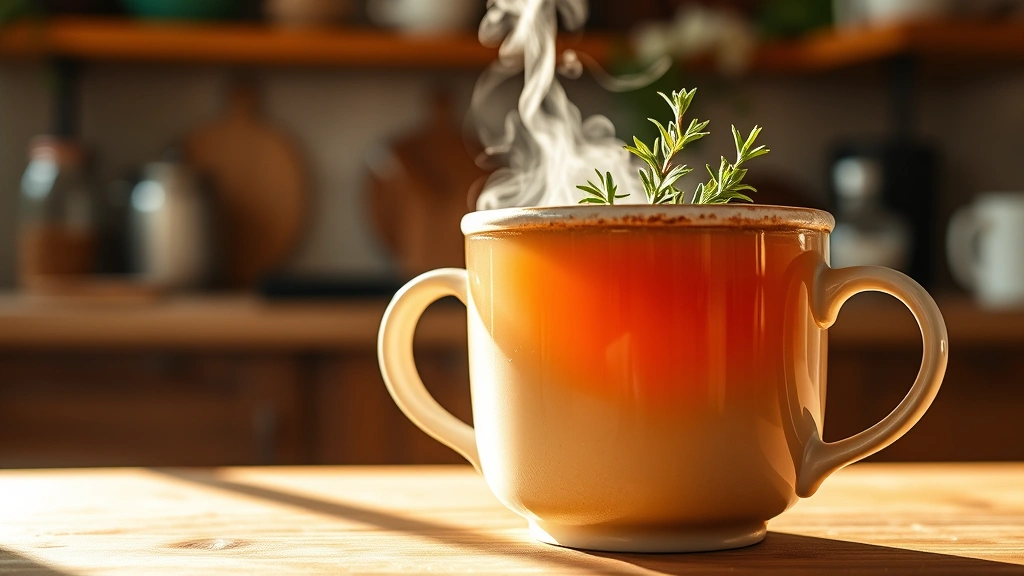
Making beef bone broth at home is one of the most rewarding culinary projects you can undertake. This liquid gold has been treasured for centuries in kitchens around the world, and for good reason. Rich, deeply savory, and packed with collagen and minerals, homemade beef bone broth is the foundation for incredible soups, sauces, and gravies. Unlike store-bought versions, when you make broth yourself, you control every element—the bones, the aromatics, the cooking time, and the final flavor profile.
This beef bone broth recipe is designed to be foolproof and absolutely delicious. We’re talking about a broth so rich and gelatinous that it practically jiggles when you refrigerate it, with a golden-brown color and a depth of flavor that will elevate everything from a simple bowl of soup to a sophisticated pan sauce. The secret lies in using quality bones, low and slow cooking, and a few carefully chosen aromatics.
What makes this broth special is the combination of roasted beef bones and a long, gentle simmer. Roasting the bones first creates a deeper, more complex flavor through the Maillard reaction—that magical browning that happens when proteins and sugars heat up together. Then we add simple vegetables like onions, carrots, and celery, along with fresh thyme and bay leaves, for subtle background notes that don’t overpower the beefy goodness. The result is a broth that’s sophisticated enough to use in restaurant-quality dishes, yet simple enough that anyone can make it.
Once you’ve mastered this basic beef bone broth, you can use it as a base for rich cream sauces, hearty pasta dishes, or even sipped on its own as a nourishing elixir. I also love using it to create luxurious pasta recipes or pairing it with pickled red onions for brightness and contrast. Whether you’re a seasoned home cook or just beginning your culinary journey, this beef bone broth recipe will become a staple in your kitchen. Let me walk you through exactly how to make it.
Ingredients
- 4-5 pounds beef bones (a mix of knuckle bones, marrow bones, and meaty bones)
- 2 large yellow onions, halved (with skin on)
- 4 large carrots, cut into 3-inch pieces
- 4 celery stalks, cut into 3-inch pieces
- 1 tablespoon black peppercorns
- 4 sprigs fresh thyme
- 2 bay leaves
- 4 garlic cloves, smashed
- 1 teaspoon sea salt (plus more to taste)
- 12 quarts filtered water
- 2 tablespoons apple cider vinegar
Instructions
- Preheat your oven to 450°F (230°C). Pat the beef bones dry with paper towels—this is essential for proper browning and helps you achieve that beautiful deep color.
- Arrange the bones in a single layer on a large roasting pan or baking sheet. Roast for 30-40 minutes, stirring halfway through, until the bones are deeply browned and caramelized. This step is crucial for developing complex, savory flavors in your finished broth.
- While the bones roast, prepare your vegetables. Halve the onions (keep the skin on—it adds color and nutrients), cut the carrots and celery into 3-inch pieces, and smash the garlic cloves with the side of your knife.
- Once the bones are beautifully browned, carefully transfer them to a large stockpot or Dutch oven. Pour out and discard any excess fat from the roasting pan.
- Add 1-2 cups of water to the roasting pan and use a wooden spoon to scrape up any browned bits stuck to the bottom—this is called deglazing and it’s pure flavor. Pour this liquid into your stockpot with the bones.
- Add the remaining 11 quarts of filtered water to the stockpot. The bones should be covered by about 2-3 inches of water. Add the apple cider vinegar, which helps extract minerals and collagen from the bones.
- Place the stockpot over medium-high heat and bring to a boil. Once boiling, reduce the heat to low. You’ll notice a gray foam rising to the surface—skim this off with a spoon or ladle. This is impurities and will make your broth clearer if removed.
- After skimming, add the halved onions (skin and all), carrot pieces, and celery pieces to the pot. Add the smashed garlic cloves, bay leaves, thyme sprigs, peppercorns, and 1 teaspoon of sea salt.
- Reduce the heat to the lowest setting possible. The broth should barely simmer—you want just a few lazy bubbles breaking the surface every minute or so. Cover the pot partially with a lid (leaving a small gap for steam to escape) and let it cook for 24 hours.
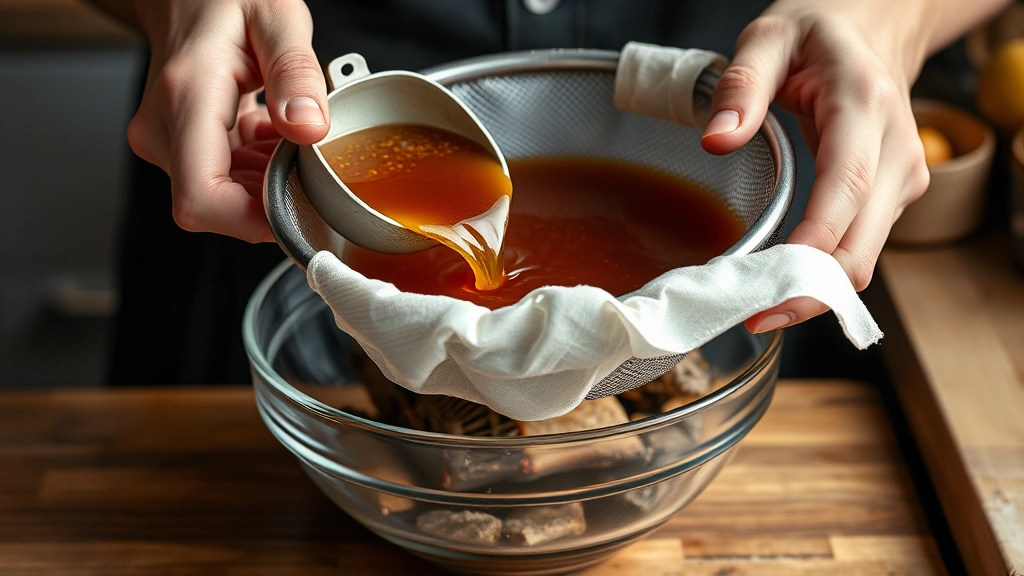
- After 24 hours of gentle simmering, carefully pour the broth through a fine-mesh strainer lined with cheesecloth into a large bowl or container. Discard the bones and vegetables. You should have about 3 quarts of beautiful, rich broth.
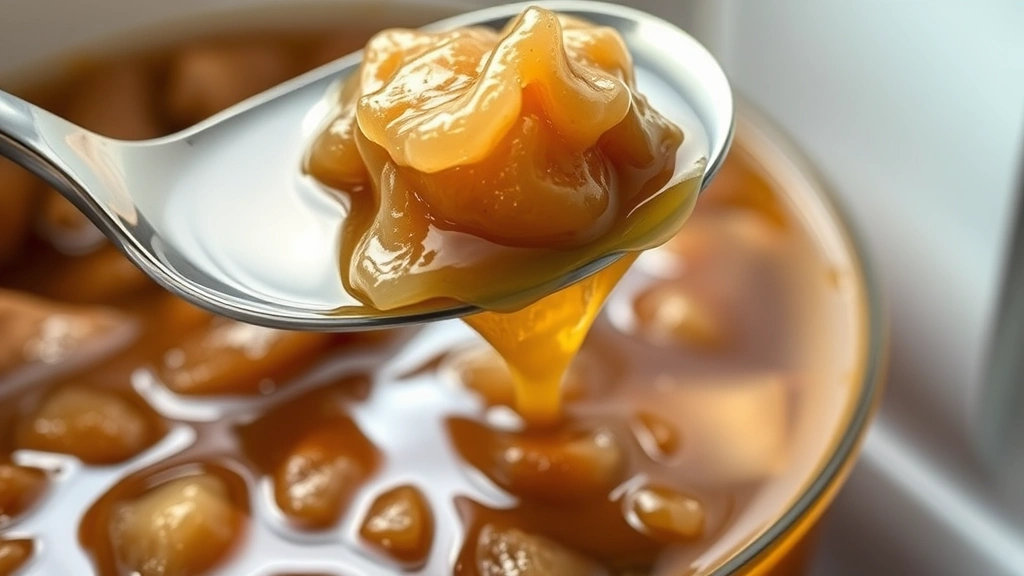
- Let the broth cool to room temperature, then transfer it to airtight containers. Refrigerate for at least 4 hours or overnight. The broth will gel as it cools due to the collagen from the bones—this is exactly what you want and a sign of quality broth.
- Once chilled, you can skim the layer of fat from the top if desired, or leave it for added richness. Your beef bone broth is now ready to use or store in the freezer for up to 3 months.
Pro Tips
ROASTING IS KEY: Never skip the roasting step. Roasting the bones creates a deeper, more complex flavor profile that distinguishes homemade broth from watery versions. The caramelization that happens during roasting is absolutely essential.
TEMPERATURE MATTERS: Low and slow is the golden rule. A rolling boil will create a cloudy broth and extract fewer gelatin and minerals. You want that bare simmer—if you can’t see bubbles, increase the heat just slightly.
VINEGAR PURPOSE: Apple cider vinegar helps extract minerals and collagen from the bones during the long cook. Don’t skip this ingredient—it makes a measurable difference in the final quality of your broth.
GELATINOUS TEXTURE: If your broth doesn’t gel when refrigerated, don’t worry—it’s still nutritious and delicious. The gelatin content depends on the ratio of bones to water and the types of bones used. Some batches are simply less gelatinous than others, but all are valuable.
STORAGE OPTIONS: Refrigerate broth for up to 5 days in airtight containers. For longer storage, freeze in ice cube trays for individual portions, or in quart-sized containers for larger quantities. Frozen broth keeps for up to 3 months.
FLAVOR ADJUSTMENTS: Taste your broth before using it. You may want to season with additional salt. Some prefer a more concentrated broth—simmer it down further to intensify flavors. You can also add fresh herbs like parsley at the end for brightness.
VERSATILITY: Use this broth as a base for soups, stews, and sauces. It’s particularly wonderful in French cuisine and makes an exceptional beef consommé when clarified.
NUTRIENT DENSITY: Homemade beef bone broth contains collagen, gelatin, amino acids, and minerals that commercial broths often lack. The long cooking time extracts these beneficial compounds into the liquid.