
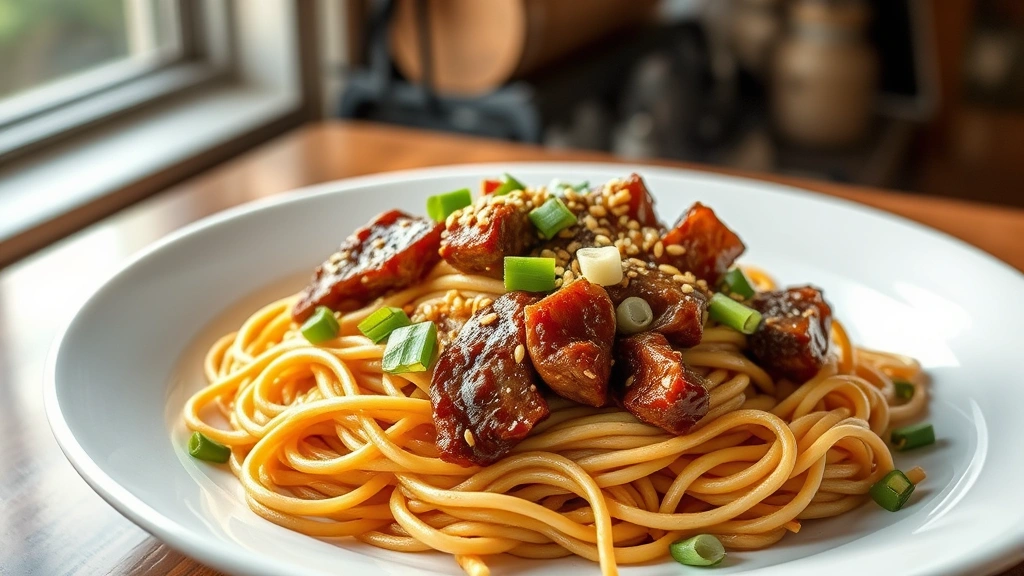
There’s nothing quite like the satisfying sizzle of beef chow fun hitting a hot wok, and honestly, this beloved Chinese takeout favorite is so much easier to make at home than you’d think! I’m absolutely obsessed with this recipe because it delivers that perfect combination of tender rice noodles, succulent beef, and that gorgeous wok hei (breath of the wok) flavor that makes restaurant versions so irresistible.
The secret to the BEST beef chow fun starts with understanding a few key components. First, you’ll want to use fresh, wide rice noodles – they’re what give this dish its signature silky texture. If you can’t find fresh ones, dried rice noodles work wonderfully too, though you’ll need to soften them first. The beef should be cut against the grain into thin slices, which keeps it incredibly tender even with high-heat cooking.
What I love most about this recipe is how customizable it is. While I’m sharing my favorite version here, you can easily adjust the vegetables, sauce ratios, or protein to match your preferences. Some people like to add more garlic, others prefer extra soy sauce, and that’s the beauty of wok cooking – it’s all about making it YOUR perfect dish.
The cooking technique is crucial here. You’ll need a hot wok or large skillet and confidence in your heat. Don’t be afraid of high temperatures – they’re your best friend when making chow fun. The quick cooking preserves the texture of the noodles and keeps everything fresh and vibrant. I typically make this on weeknights when I’m craving takeout but want something fresher and more satisfying than delivery.
This recipe serves 4 as a main course and comes together in about 30 minutes from start to finish. It’s perfect for meal prep too – you can prep your ingredients in advance and have dinner on the table faster than you can order takeout. Trust me, once you master this beef chow fun, you’ll be making it constantly. For more quick noodle dishes, check out our Quick Tasty Bacon Carbonara Recipe or explore our collection of Delicious Heavy Cream Pasta Recipes. If you’re interested in Asian-inspired sides, our Best Chickpea Salad Recipe pairs beautifully, and our Easy Pickled Red Onion Recipe adds a lovely tangy crunch.
For more detailed information on stir-fry techniques, Serious Eats has incredible resources on wok cooking, and Bon Appétit features amazing variations on this classic dish. The New York Times Cooking also has wonderful guides on Asian stir-fry fundamentals that really helped me perfect my technique.
Ingredients
- 1 pound beef sirloin or flank steak, thinly sliced against the grain
- 1 pound fresh wide rice noodles (or 8 oz dried rice noodles, softened)
- 3 tablespoons vegetable oil, divided
- 4 cloves garlic, minced
- 1 tablespoon fresh ginger, minced
- 2 cups bean sprouts
- 1 bunch green onions, cut into 2-inch pieces
- 8 oz mushrooms, sliced
- 1 red bell pepper, julienned
- 3 tablespoons soy sauce
- 2 tablespoons oyster sauce
- 1 tablespoon dark soy sauce (for color)
- 1 teaspoon sesame oil
- 1/2 teaspoon white pepper
- 2 teaspoons cornstarch
- 3 tablespoons beef broth or water
- 1 teaspoon sugar
- Sesame seeds for garnish (optional)
- Red chili flakes for garnish (optional)
Instructions
- Prepare your ingredients by slicing the beef against the grain into thin strips about 1/8-inch thick. Pat the beef dry with paper towels – this helps it brown better and prevents steaming. If using dried rice noodles, soak them in hot water for 5-7 minutes until softened, then drain well.
- In a small bowl, whisk together the soy sauce, oyster sauce, dark soy sauce, sesame oil, white pepper, sugar, and beef broth. Set this sauce mixture aside. This is your flavor foundation, so don’t skip this step.
- In another small bowl, mix the cornstarch with 1 tablespoon of water to create a slurry. This will help thicken your sauce perfectly. Set aside.
- Heat a wok or large skillet over high heat for 2-3 minutes until it’s smoking slightly. Add 1.5 tablespoons of vegetable oil and swirl to coat the surface evenly.
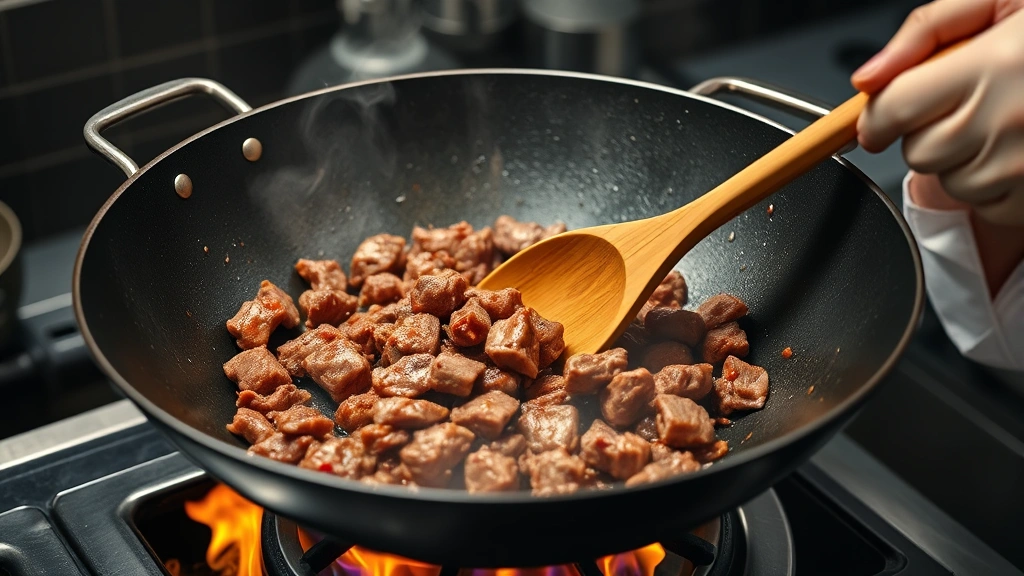
- Once the oil is shimmering, carefully add the beef slices in a single layer. Let them cook undisturbed for 2-3 minutes to develop a nice brown crust. Stir and cook for another 2-3 minutes until the beef is mostly cooked through but still slightly pink in the center. Transfer the beef to a clean plate.
- Add the remaining 1.5 tablespoons of oil to the wok. Add the minced garlic and ginger, stirring constantly for about 30 seconds until fragrant. Be careful not to burn them – you want that aromatic flavor without bitterness.
- Add the mushrooms and red bell pepper to the wok. Stir-fry for 2-3 minutes until the mushrooms begin to soften and release their moisture. The vegetables should still have some firmness and bright color.
- Add the rice noodles to the wok, breaking up any clumps with your spatula or wooden spoon. Stir constantly for 1-2 minutes, coating the noodles in the oil and heat. The noodles should start to separate and warm through.
- Return the cooked beef to the wok along with the bean sprouts and green onions. Toss everything together for about 1 minute.
- Pour the sauce mixture over everything in the wok, stirring constantly to distribute the sauce evenly. Make sure the noodles and beef are well coated with the sauce.
- Stir the cornstarch slurry once more to redistribute it, then pour it into the wok while stirring constantly. This will thicken the sauce slightly and help it cling to the noodles and beef, creating that glossy, restaurant-quality finish.
- Toss everything in the wok for another 1-2 minutes until the sauce has thickened slightly and everything is heated through. The noodles should be tender but still have a slight chew, and the beef should be tender and flavorful.
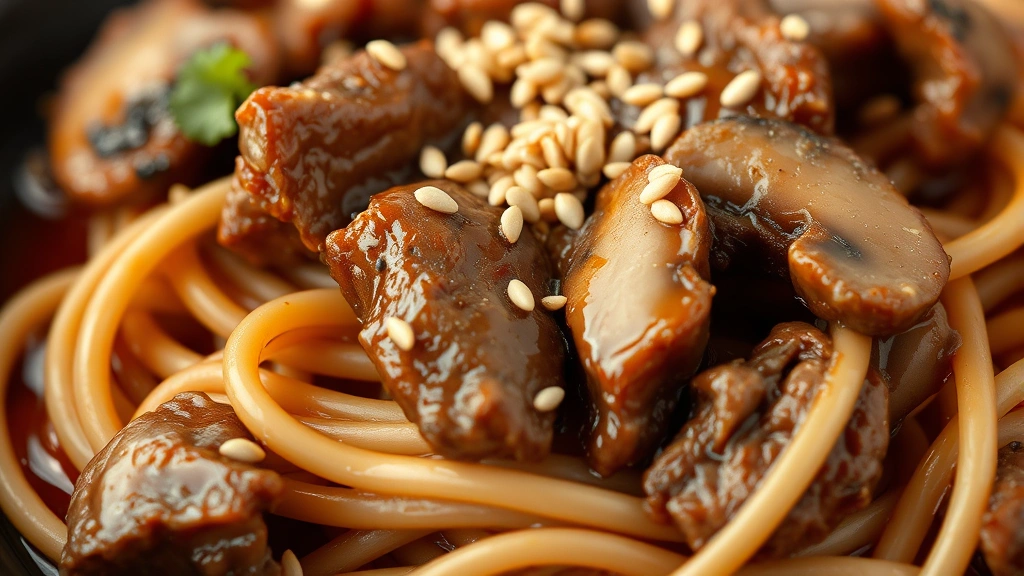
- Transfer the beef chow fun to a serving platter or individual bowls immediately. Garnish with sesame seeds and red chili flakes if desired. Serve immediately while everything is hot and the noodles are at their best texture.
Pro Tips
- Fresh rice noodles are your best friend for this dish – they have a tender, silky texture that’s hard to replicate. Look for them in the refrigerated section of Asian markets, usually near the tofu. If you must use dried noodles, soak them thoroughly and make sure they’re just barely tender before adding to the wok, as they’ll soften further during cooking.
- The key to tender beef is slicing it against the grain. Look at which direction the muscle fibers run and slice perpendicular to those fibers. This breaks up the muscle fibers and makes the beef much more tender when cooked quickly at high heat.
- Don’t skip the drying step with the beef. Moisture is the enemy of browning, and you want that beautiful caramelized crust on your beef. Pat it completely dry before it hits the hot wok.
- Wok temperature is absolutely crucial. Your wok should be smoking slightly before you add oil or ingredients. If it’s not hot enough, you’ll steam your ingredients instead of stir-frying them, and the texture will suffer significantly.
- Keep all your ingredients prepped and within arm’s reach before you start cooking. Stir-frying happens fast, and you won’t have time to chop vegetables or mince garlic once the wok is hot. This is called mise en place, and it’s essential for success.
- The sauce should be perfectly balanced between salty, savory, and slightly sweet. If you prefer it saltier, add more soy sauce. If it’s too salty, add a splash more broth. If you like it sweeter, add a bit more sugar. Taste as you go and adjust to your preference.
- Don’t overcrowd the wok when cooking the beef. If you add too much at once, the temperature drops and you’ll end up boiling the meat instead of searing it. Work in batches if necessary, though 1 pound typically fits in a standard wok without crowding.
- The cornstarch slurry is what gives chow fun its signature glossy sauce. If you don’t use it, the sauce will be thinner and more watery. Some people prefer it that way, but I love the richness that the cornstarch adds.
- This dish is best served immediately after cooking. The noodles continue to absorb sauce and soften as they sit, so if you’re making it for a crowd, cook it in batches and serve each batch hot.
- Leftovers can be stored in an airtight container in the refrigerator for up to 3 days, though the texture won’t be quite as good as freshly made. Reheat gently in a wok or skillet over medium heat, adding a splash of water or broth to refresh the noodles.
- Feel free to customize the vegetables based on what you have on hand or what you prefer. Bok choy, broccoli, snap peas, or carrots all work beautifully in beef chow fun.
- For extra heat, drizzle with sriracha or chili oil after serving, or add dried chili flakes while cooking.