
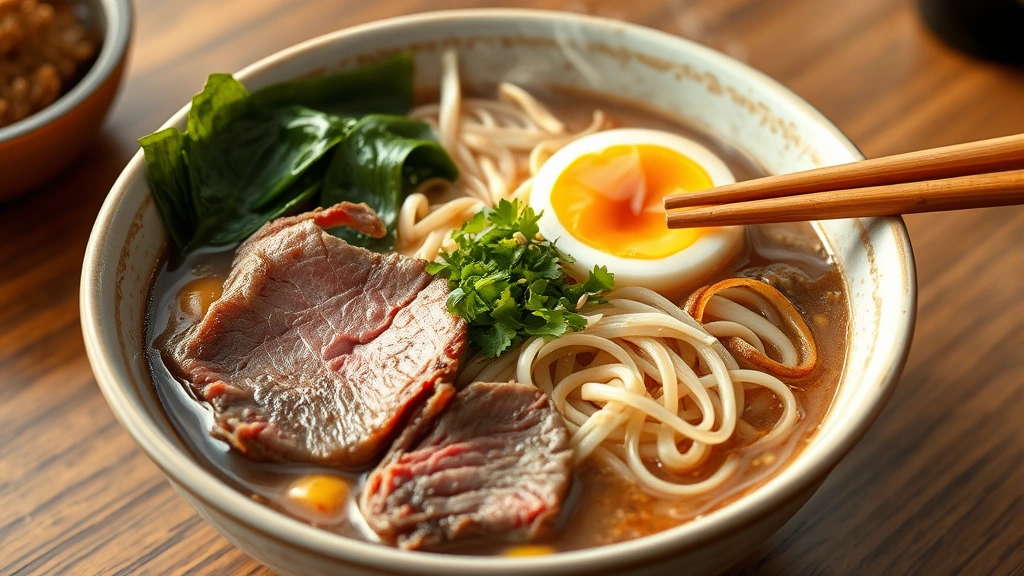
There’s something absolutely magical about a steaming bowl of beef ramen that makes everything feel right in the world. This beef ramen recipe is restaurant-quality, packed with tender beef, silky noodles, and an incredibly flavorful broth that’ll have you coming back for seconds. I’ve been making this for years, and it never disappoints!
The key to the BEST beef ramen is building layers of flavor. We’re talking about a rich, deeply savory broth that takes time to develop, tender beef that practically melts on your tongue, and all the perfect toppings that make each bite exciting. Don’t let the ingredient list intimidate you—this recipe is more about patience than difficulty, and the result is absolutely worth every minute.
What I love most about this beef ramen is how customizable it is. You can make it as simple or as elaborate as you want. Want to add soft-boiled eggs? Do it. Craving some fresh vegetables? Absolutely. The beauty of ramen is that it’s forgiving and celebrates personal touches. I’ve included all my favorite additions, but feel free to make it your own!
This recipe makes an impressive dinner for guests, but it’s also perfect for a cozy night in when you need serious comfort food. Whether you’re a ramen novice or a seasoned enthusiast, this beef ramen recipe will become your go-to. The broth alone is worth mastering, and once you do, you’ll understand why people are so passionate about ramen. Let’s get started!
For more delicious protein-packed meals, check out our Best Protein Smoothie Recipe or these amazing Simple Protein Balls. You can also explore our Best Avocado Dip Recipe for a quick appetizer. For more inspiration on noodle dishes and broths, check out Serious Eats and Bon Appétit for expert techniques. Don’t miss our Perfect Avocado Toast Recipe for a quick lunch alternative!
Ingredients
- 2 lbs beef chuck or brisket, cut into 2-inch pieces
- 8 cups beef broth or stock
- 4 cups water
- 4 dried shiitake mushrooms
- 2 pieces kombu (dried kelp)
- 1 medium onion, halved
- 4 garlic cloves, smashed
- 2 tablespoons soy sauce
- 1 tablespoon mirin
- 1 teaspoon sesame oil
- 1 piece fresh ginger, about 2 inches, sliced
- 2 green onions, white and light green parts
- 1 tablespoon gochujang (Korean red chili paste)
- 1 teaspoon white miso paste
- Salt and pepper to taste
- 1 pound fresh ramen noodles (or dried, if fresh unavailable)
- 4 soft-boiled eggs, halved
- 2 cups fresh spinach or bok choy
- ½ cup bamboo shoots (menma)
- ¼ cup sliced nori (seaweed sheets)
- 2 tablespoons sesame seeds
- 2 green onions, thinly sliced for garnish
- Chili oil or sriracha for serving
- 4 ounces thinly sliced chashu pork (optional but recommended)
Instructions
- Pat the beef chuck pieces dry with paper towels and season generously with salt and pepper.
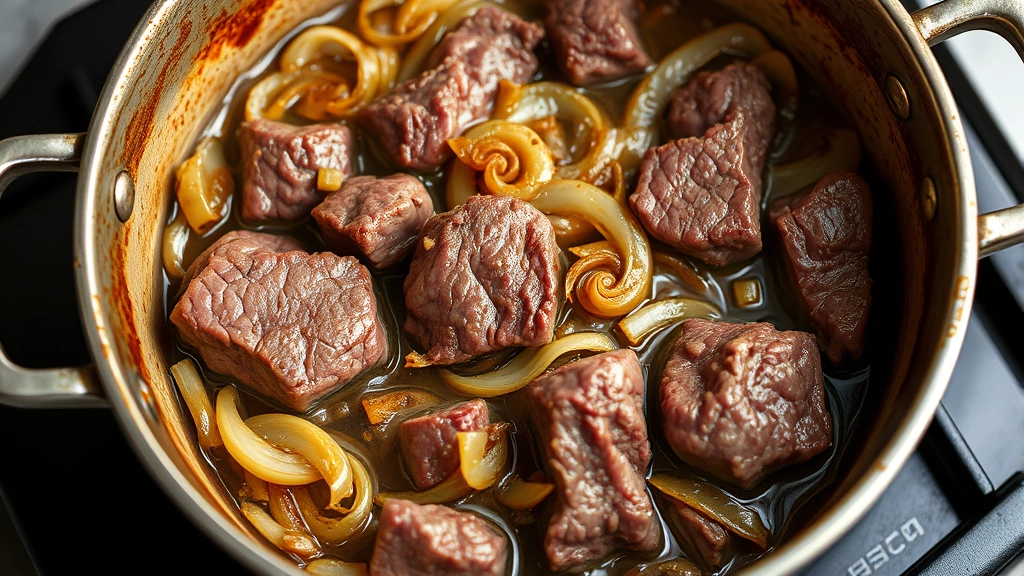
- Heat a large pot or Dutch oven over medium-high heat. Working in batches to avoid overcrowding, sear the beef pieces on all sides until deeply browned, about 2-3 minutes per side. Remove and set aside.
- In the same pot, add the halved onion and garlic cloves, searing until caramelized, about 3-4 minutes. This adds incredible depth to your broth.
- Return all the beef to the pot and cover with the beef broth and water. Add the dried shiitake mushrooms, kombu, and ginger slices.
- Bring to a boil, then reduce heat to low. Skim off any foam or impurities that rise to the surface during the first 10 minutes.
- Add the soy sauce, mirin, sesame oil, and green onion whites to the broth. Simmer uncovered for 2.5 to 3 hours, until the beef is incredibly tender and the broth is rich and flavorful.
- In a small bowl, whisk together the gochujang and white miso paste with a few tablespoons of the hot broth to create a smooth paste. Stir this back into the pot.
- Taste the broth and adjust seasoning with additional soy sauce, salt, and pepper as needed. The broth should taste savory, rich, and deeply satisfying.
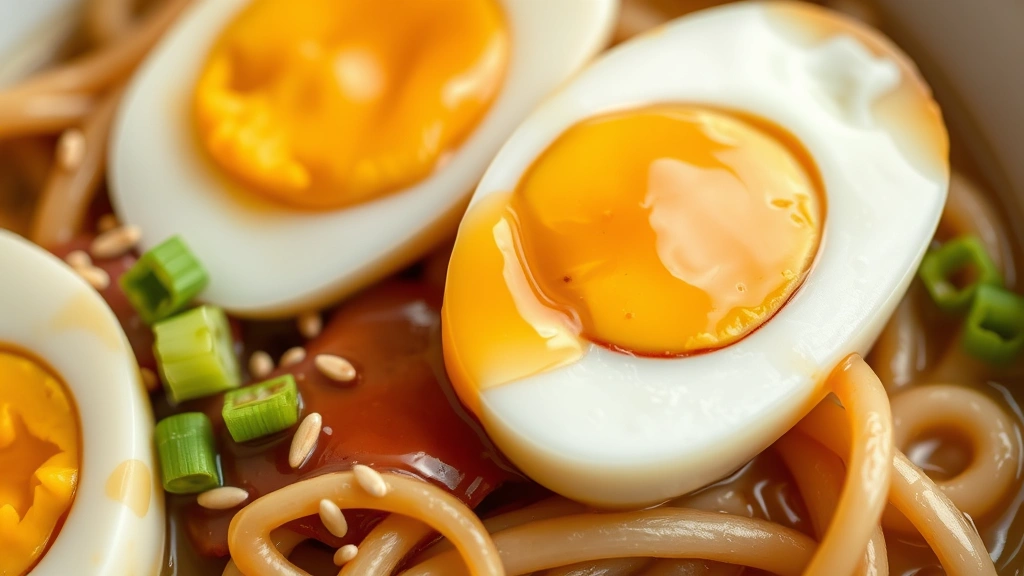
- While the broth is finishing, prepare your toppings. If making soft-boiled eggs, bring a pot of water to boil, carefully add eggs, and cook for exactly 6-7 minutes for a jammy yolk. Transfer to an ice bath immediately.
- If using fresh spinach or bok choy, prepare to blanch it quickly in boiling water for just 1-2 minutes until tender. Drain well and set aside.
- Bring a separate large pot of water to a rolling boil for cooking the noodles. This water should be salted generously, like pasta water.
- Add the fresh ramen noodles to the boiling water and cook according to package directions, usually 2-4 minutes for fresh noodles. Drain in a colander and gently shake off excess water.
- Divide the cooked noodles among four serving bowls, creating a nest in the center of each bowl.
- Ladle the hot beef broth over the noodles, distributing the tender beef pieces evenly among the bowls. You want about 1.5 to 2 cups of broth per bowl.
- Arrange the toppings artfully on top: place a halved soft-boiled egg in the center, add blanched spinach on one side, bamboo shoots on another, and sliced chashu pork if using.
- Sprinkle with sliced green onions, sesame seeds, and a small handful of nori strips for color and texture.
- Serve immediately while piping hot, with small bowls of chili oil or sriracha on the side for those who want extra heat.
- Encourage diners to mix and adjust their bowl before eating, combining the broth, noodles, and toppings with their spoon and chopsticks.
Pro Tips
Broth Secrets: The long, slow simmer is what creates that restaurant-quality depth. Don’t rush this step. The mushrooms and kombu add umami complexity that makes all the difference. If you can’t find fresh kombu, dried is perfect and often more available.
Beef Selection: Chuck or brisket work best because they have enough fat and connective tissue to become tender and flavorful during the long braise. Avoid lean cuts like sirloin, which won’t give you that melt-in-your-mouth texture.
Noodle Notes: Fresh ramen noodles make the biggest difference in final texture. They’re often found in the refrigerated section of Asian markets or specialty grocery stores. If you must use dried noodles, they’ll still be delicious but cook a minute or two longer.
Topping Ideas: This recipe is your template—feel free to add kikurage mushrooms (wood ear mushrooms), corn, jalapeños, or crispy fried garlic. Some people love adding a drizzle of truffle oil or a dollop of spicy miso paste.
Soft-Boiled Eggs: The ice bath is crucial to stop the cooking process immediately. If you prefer harder yolks, cook for 8-9 minutes. For runnier yolks, cook for just 5-6 minutes.
Serving Size: This recipe generously serves 4 people. The broth makes enough for extra servings, and leftovers reheat beautifully. Store cooled broth separately from noodles to maintain texture.
Flavor Adjustments: Taste your broth carefully. You want salty, savory, and slightly sweet from the mirin. If it’s too salty, add more water. If it lacks depth, add a touch more soy sauce or miso.
Party Hosting: Set up a ramen bar with toppings in separate bowls and let guests customize their own. This is interactive, fun, and accommodates different preferences perfectly.
Leftover Broth: Any leftover broth is liquid gold. Use it as a base for soups, to cook grains, or sip it straight as a nourishing tonic.