
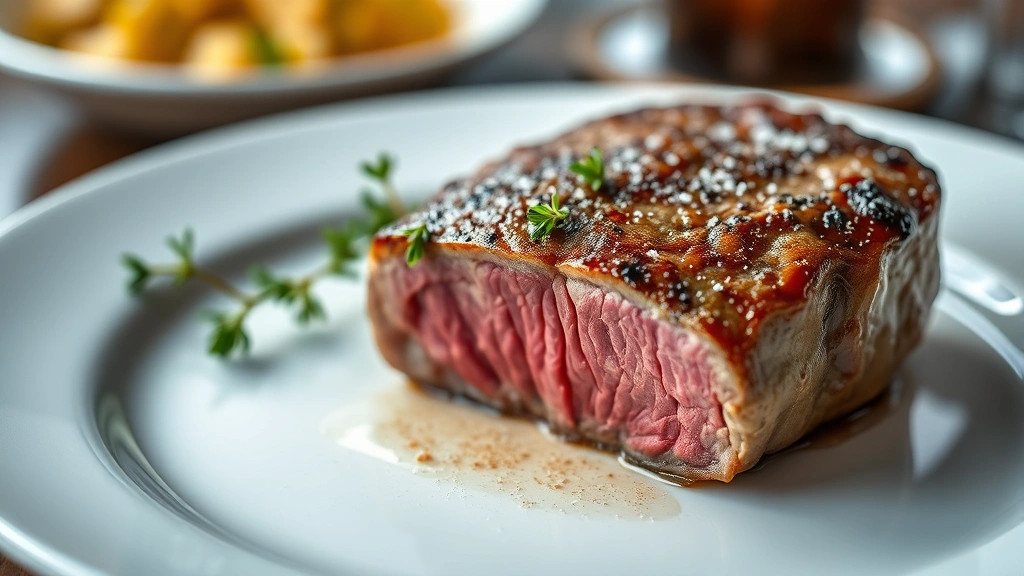
There’s something truly magical about a perfectly cooked beef tenderloin steak—it’s the kind of dish that makes you feel like you’re dining at a five-star steakhouse right in your own kitchen. This cut is prized for its incredible tenderness and buttery texture, making it the ultimate choice for special occasions or when you simply want to treat yourself to something extraordinary.
I’ve been perfecting my beef tenderloin technique for years, and I’m thrilled to share my foolproof method with you today. The key to achieving that restaurant-quality result lies in a few essential steps: selecting a high-quality cut, bringing it to room temperature, using proper seasoning, and mastering the sear-and-finish cooking technique. Unlike tougher cuts that benefit from slow cooking, beef tenderloin requires a different approach—we want to lock in those beautiful juices while developing a gorgeous golden crust.
What makes this recipe so special is its simplicity combined with technique. You don’t need complicated sauces or fancy ingredients to showcase this premium cut. Instead, we let the quality of the meat shine through with minimal but impactful seasonings. The combination of high heat, proper timing, and resting ensures that every bite is tender, juicy, and absolutely unforgettable.
This recipe is perfect for date night, holiday celebrations, or impressing guests who appreciate fine cuisine. Pair it with creamy sides or fresh vegetables for a complete meal. Whether you’re a seasoned home cook or someone looking to elevate your cooking skills, this beef tenderloin steak recipe will become your go-to for creating memorable meals.
The beauty of cooking with beef tenderloin is that it’s quite forgiving once you understand the basics. The meat is naturally tender, so your main focus is on developing flavor through proper seasoning and achieving the perfect crust. I recommend using a cast iron skillet for the best heat distribution and crust development. Room temperature meat is absolutely crucial—this ensures even cooking throughout, preventing a cold center while the exterior overcooks.
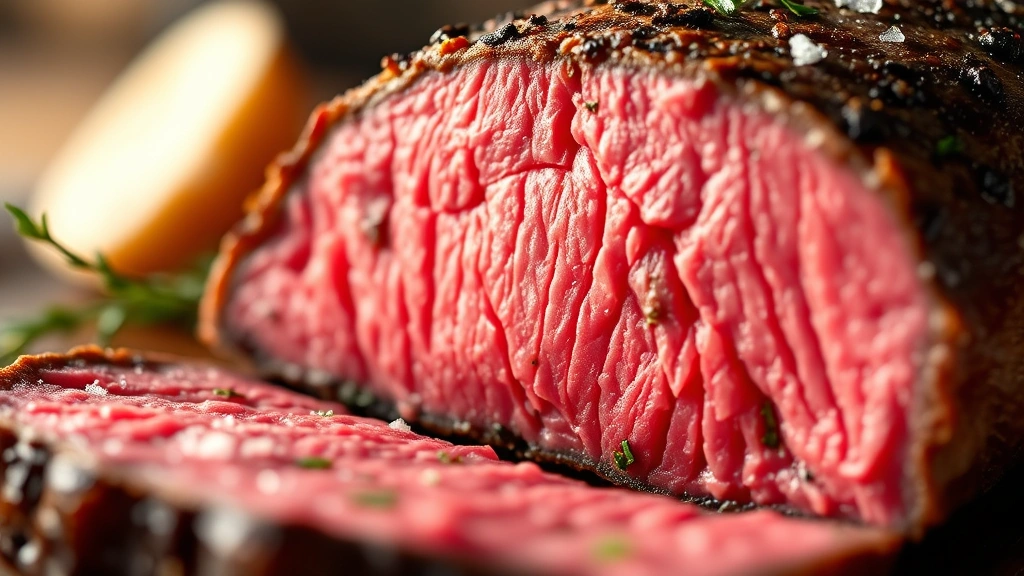
One pro tip I’ve learned is to use a meat thermometer. This takes the guesswork out of doneness and ensures you hit your target temperature perfectly. For medium-rare, you’re aiming for 130-135°F internally. Remember that carryover cooking will continue raising the temperature by about 5 degrees as the steak rests, so pull it off the heat a few degrees before your target.
Let me walk you through creating the most impressive beef tenderloin steak dinner that will have everyone asking for your secret. The technique is straightforward, but the results are extraordinary.
Ingredients
- 2 beef tenderloin steaks, 1.5 inches thick (8-10 ounces each)
- 2 tablespoons kosher salt
- 1 tablespoon freshly ground black pepper
- 2 tablespoons unsalted butter
- 3 tablespoons high-heat oil (avocado or vegetable oil)
- 4 cloves garlic, smashed
- 3-4 fresh thyme sprigs
- 1 teaspoon fleur de sel (for finishing)
- Optional: 1 tablespoon balsamic vinegar for drizzling
Instructions
- Remove your beef tenderloin steaks from the refrigerator 30-40 minutes before cooking. This is crucial—room temperature meat cooks evenly and develops a better crust. Place them on a cutting board and let them sit uncovered.
- While the steaks come to temperature, pat them completely dry with paper towels. Moisture is the enemy of a good crust, so don’t skip this step. Any dampness on the surface will create steam instead of a beautiful sear.
- Season both sides of each steak generously with kosher salt and freshly ground black pepper. The kosher salt is larger and won’t over-salt as quickly as table salt. Use your fingers to press the seasonings into the meat gently.
- Place a cast iron skillet over medium-high heat for about 2-3 minutes. You want it smoking hot—this is essential for developing that gorgeous crust. If you don’t have cast iron, use your heaviest stainless steel skillet.
- Add the high-heat oil to the screaming hot skillet. It should shimmer and smoke immediately. If it doesn’t, your pan isn’t hot enough—wait another minute.
- Carefully place both steaks in the skillet. They should sizzle dramatically. Don’t move them! Let them sear undisturbed for 3-4 minutes on the first side to develop a beautiful golden-brown crust.
- Using tongs, flip the steaks and sear the other side for another 3-4 minutes. You’re building flavor through the Maillard reaction, which creates those incredible savory, caramelized notes.
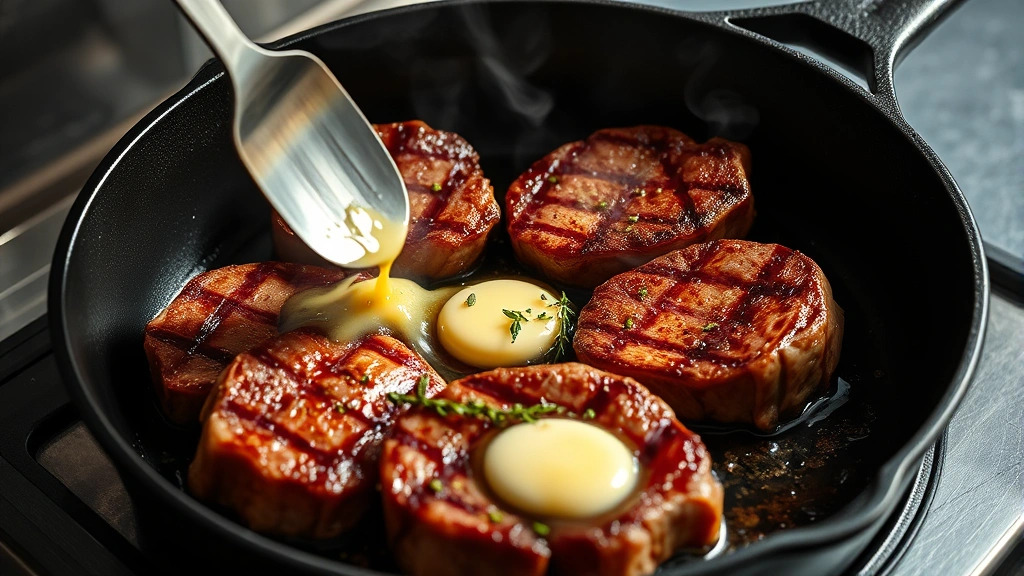
- Reduce heat to medium and add the butter, smashed garlic cloves, and fresh thyme sprigs to the skillet. Tilt the pan and baste the steaks with the foaming butter for 2-3 minutes.
- Insert a meat thermometer into the thickest part of one steak. For medium-rare, pull the steaks when they reach 130-135°F. Remember that carryover cooking will raise the temperature 5 more degrees as they rest.
- Transfer the steaks to a warm plate and immediately rest them for 5-7 minutes before serving. This allows the juices to redistribute throughout the meat, ensuring every bite is incredibly juicy.
- While the steaks rest, you can prepare any sides. The residual heat in your skillet is perfect for quick vegetables or to warm a sauce if desired.
- Top the rested steaks with a pinch of fleur de sel for finishing and a light drizzle of any pan juices. Serve immediately while still warm, with your favorite sides.
Pro Tips
Temperature control is everything: Using a meat thermometer removes all guesswork from cooking. Aim for 130-135°F for perfect medium-rare. If you prefer medium, target 135-140°F. Remember that carryover cooking continues even after you remove the meat from heat, so always pull it a few degrees before your target temperature.
The resting period is non-negotiable: Never skip resting your steak. This 5-7 minute window allows muscle fibers to relax and reabsorb juices. Cutting immediately releases all those precious juices onto your plate instead of keeping them in the meat.
Cast iron is your best friend: Cast iron retains and distributes heat more evenly than other cookware, ensuring consistent crust development. If you don’t have cast iron, use the heaviest stainless steel skillet available. Avoid non-stick pans for high-heat searing as they can’t handle the temperature.
Oil selection matters: Use oils with high smoke points like avocado oil, vegetable oil, or peanut oil. Never use olive oil or butter for the initial sear—they’ll burn at the high temperature needed for proper crust development.
Seasoning timing: Season immediately before cooking, not hours ahead. Salt draws moisture to the surface, which prevents proper browning if applied too early. However, some chefs prefer salting 40+ minutes ahead to allow the salt to penetrate, then patting dry—both methods work.
Serving suggestions: Serve with classic steakhouse sides like baked potatoes, creamed spinach, or try pickled red onions for brightness. A fresh salad with seasonal vegetables provides nice contrast.
Sauce options: While this steak shines on its own, you can make a simple pan sauce by adding beef broth or red wine to the skillet after removing the steaks, then finishing with butter. A classic béarnaise or peppercorn cream sauce also pairs beautifully.
Storage and leftovers: Cooked tenderloin can be refrigerated for 3-4 days. Slice and serve cold with salad, or reheat gently in a low oven. Leftover tenderloin makes incredible sandwiches or salad toppers.
Doneness guide: Rare is 120-125°F, medium-rare is 130-135°F, medium is 135-145°F, and medium-well is 145-155°F. Beef tenderloin is best enjoyed at medium-rare to medium as anything beyond medium-well can make this lean cut feel dry.
Make-ahead options: Steaks can be seasoned and brought to room temperature up to an hour before cooking. Prep your sides in advance so you can focus entirely on the steak when it’s time to cook.