
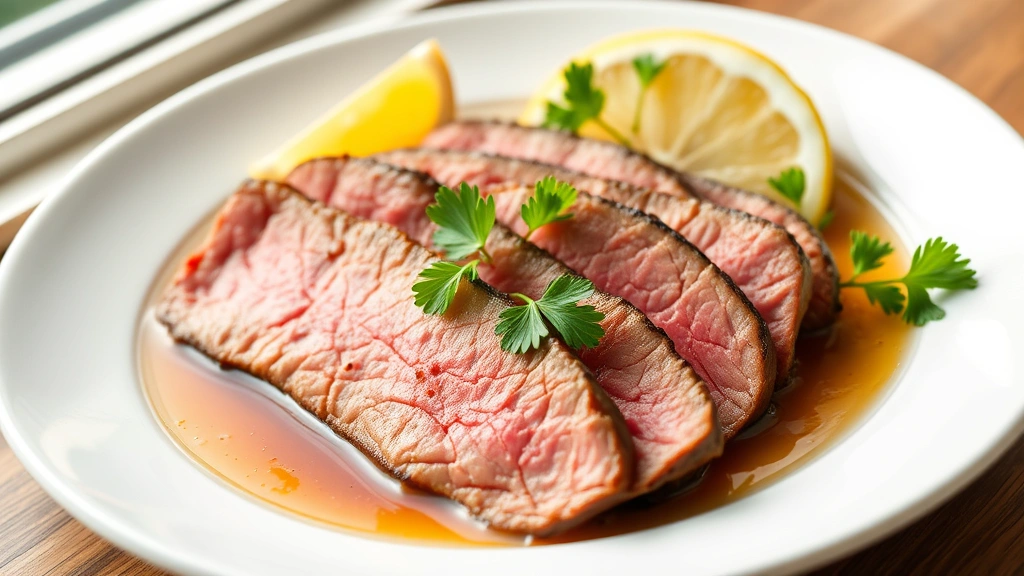
Beef tongue is an elegant and delicious cut that deserves a place at your dinner table! This classic dish is tender, flavorful, and surprisingly easy to prepare when you know the right techniques. Many home cooks shy away from organ meats, but beef tongue is incredibly rewarding once you understand how to cook it properly.
The key to the most succulent beef tongue is low and slow cooking combined with proper preparation. This recipe yields fall-apart tender meat with a rich, savory flavor that’s absolutely divine. Whether you’re looking to expand your culinary horizons or recreate a treasured family recipe, this guide will walk you through every step of the process.
Beef tongue requires initial blanching to remove the outer skin, which is essential for achieving the perfect texture. Once that step is complete, you’ll simmer it gently in a flavorful broth until it becomes impossibly tender. The result is restaurant-quality meat that rivals any premium cut you might purchase.
Serve your beef tongue sliced thin with horseradish sauce, pickled vegetables, or alongside creamy mashed potatoes. You can also shred it for tacos or serve it cold in salads. This versatile cut is perfect for special occasions or when you want to impress guests with something truly unique and delicious. The technique you’ll learn here can be applied to cooking beef tongue in various preparations, making it a valuable skill in your cooking repertoire.
Once you master this recipe, you’ll find yourself preparing beef tongue regularly. It’s economical, nutritious, and absolutely delicious when prepared with care and attention to detail. Let’s dive into creating the best beef tongue your kitchen has ever produced!
Ingredients
- 1 beef tongue (3-4 pounds)
- 2 tablespoons kosher salt, plus more for blanching
- 1 teaspoon black peppercorns
- 2 bay leaves
- 4 sprigs fresh thyme
- 1 large yellow onion, quartered
- 3 carrots, cut into 2-inch pieces
- 3 celery stalks, cut into 2-inch pieces
- 6 garlic cloves, smashed
- 8 cups beef broth
- 1 tablespoon whole grain mustard
- 2 tablespoons butter
- 1 tablespoon fresh parsley, chopped
- Horseradish sauce for serving (optional)
- Lemon wedges for serving
Instructions
- Start by preparing your beef tongue. Rinse it thoroughly under cold water, scrubbing gently with your hands to remove any debris or impurities from the surface.
- Fill a large pot with water and add a generous pinch of salt. Bring the water to a rolling boil over high heat.
- Carefully place the beef tongue into the boiling water. Allow it to blanch for 5 minutes, which will help loosen the outer skin.
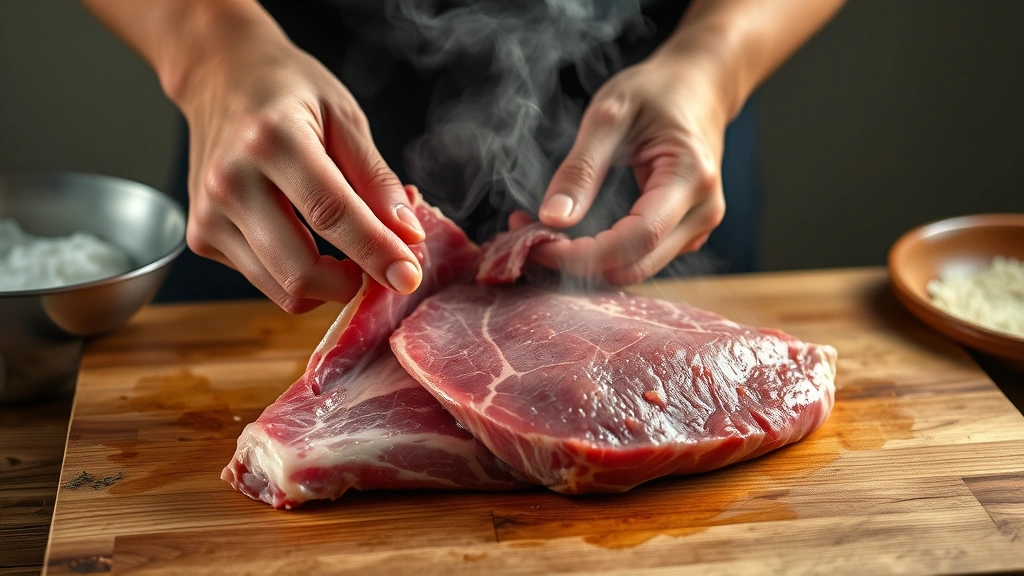
- Using tongs, carefully remove the tongue from the boiling water and place it on a cutting board. Let it cool slightly until you can handle it.
- Once the tongue is cool enough to touch, use a sharp paring knife to gently peel away the outer skin. Start from the tip and work toward the thicker base, pulling the skin away as you go. Don’t worry if some skin remains—you can trim it as needed.
- Rinse the peeled tongue under cold water to remove any remaining skin fragments. Pat it dry with paper towels.
- In a large Dutch oven or heavy pot, combine the beef broth, 2 tablespoons kosher salt, black peppercorns, bay leaves, and thyme sprigs.
- Add the onion, carrots, celery, and garlic cloves to the broth, stirring to combine.
- Bring the broth mixture to a boil over medium-high heat, then reduce the heat to medium-low.
- Carefully place the prepared beef tongue into the simmering broth. The liquid should partially cover the tongue—add a bit more broth or water if needed.
- Cover the pot with a lid, leaving it slightly ajar to allow some steam to escape. Simmer gently for 3 to 3.5 hours, or until a fork easily pierces the thickest part of the tongue.
- Check the tongue periodically during cooking, turning it occasionally to ensure even cooking. The meat should be incredibly tender and practically fall apart when tested.
- Once the tongue is fully cooked, carefully remove it from the broth using tongs and place it on a cutting board. Strain the cooking broth through a fine-mesh strainer, discarding the vegetables and aromatics.
- Let the tongue rest for 10 minutes, which allows the juices to redistribute throughout the meat.
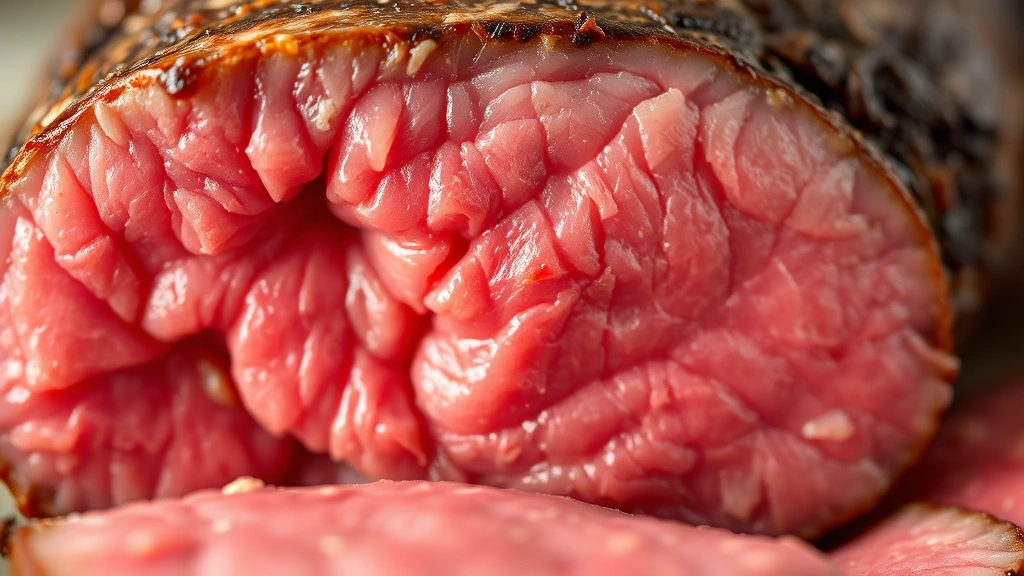
- Using a sharp knife, slice the tongue against the grain into thin slices, about 1/4 inch thick. This is crucial for achieving the most tender texture.
- Return the sliced tongue to the strained broth and stir in the whole grain mustard and butter until the butter is melted and fully incorporated.
- Taste the broth and adjust seasoning with additional salt and black pepper as needed.
- Gently warm the tongue in the broth over low heat for 2-3 minutes, then transfer to a serving platter using a slotted spoon.
- Drizzle the tongue with some of the cooking broth and garnish with fresh chopped parsley and a squeeze of lemon juice.
- Serve immediately with lemon wedges, horseradish sauce, or your favorite accompaniments while the meat is warm and tender.
Pro Tips
The blanching step is crucial and should not be skipped. This process removes the outer skin, which has an unpleasant texture. If you skip this step, you’ll need to peel the skin after cooking, which is far more difficult.
Do not rush the simmering process. Low and slow cooking is what transforms this cut into something incredibly tender and delicious. Higher heat or shorter cooking times will result in tough, chewy meat.
You can prepare the tongue a day in advance. Simply store it in the cooking broth in an airtight container in the refrigerator. This actually improves the flavor as the meat absorbs more of the broth’s richness.
Leftover cooked beef tongue keeps beautifully in the refrigerator for up to 5 days when stored in the cooking broth. You can slice it cold for sandwiches or reheat it gently in the broth.
This recipe pairs wonderfully with pickled red onions for a bright, tangy contrast. You can also serve it alongside chickpea salad for a lighter presentation.
For a creamier preparation, try shredding the cooked tongue and tossing it with heavy cream alfredo sauce for a luxurious pasta dish.
The cooking broth is liquid gold and should be saved. Refrigerate it to allow the fat to solidify on top, then store it for making soups or using as a base for gravy.
If you find the flavor of beef tongue too intense, you can dilute the cooking broth with water or chicken broth to create a milder sauce.
Beef tongue is an excellent source of protein, iron, and B vitamins. It’s also relatively lean compared to many other cuts of beef, making it a nutritious choice for health-conscious home cooks.
For serving, consider offering both hot and cold preparations. Slice extra tongue and serve it cold on a charcuterie board alongside cheeses and crackers for an elegant appetizer.