
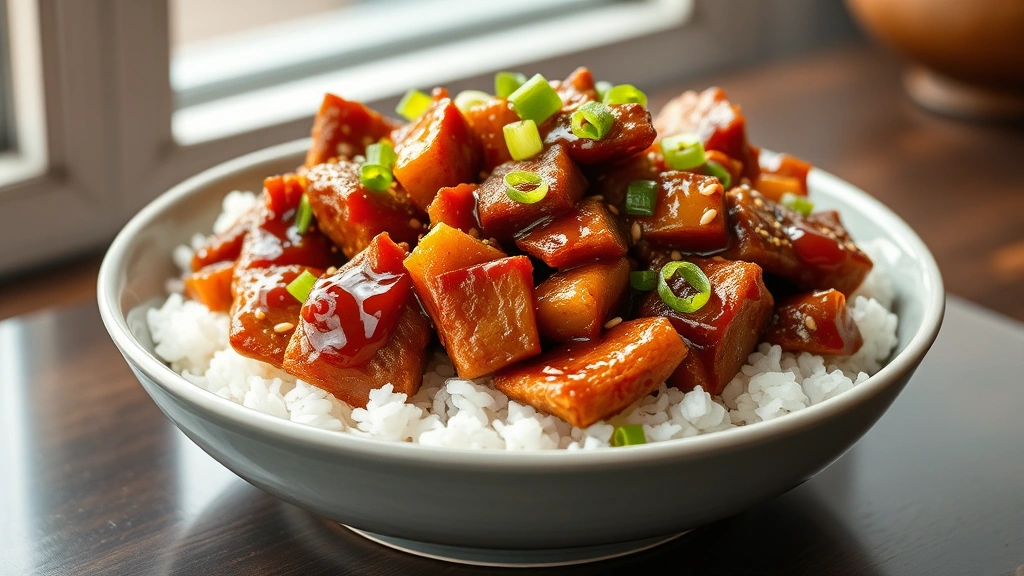
Beijing beef is one of those restaurant favorites that tastes absolutely incredible but seems intimidating to make at home. I’m thrilled to share that it’s actually quite simple, and honestly, homemade versions often taste even better than takeout! This crispy, tangy-sweet beef dish comes together in under 30 minutes, making it perfect for weeknight dinners when you’re craving Chinese food.
The secret to authentic Beijing beef is achieving that perfect textural contrast – tender, juicy beef coated in a crispy exterior, tossed in a glossy, slightly spicy sauce with a hint of tangy brightness. What I love most about this recipe is that you likely have most of the ingredients in your pantry already. The technique is straightforward: we’ll coat thin beef strips in a light batter, pan-fry them until golden and crispy, then toss everything together with an incredible sauce made from simple pantry staples.
I always recommend using a good quality beef for this dish – flank steak or sirloin work beautifully because they slice thinly and cook quickly. The cornstarch coating is absolutely essential for that signature crispy texture that makes this dish so crave-worthy. Don’t skip it! You can easily customize the heat level by adjusting the amount of chili sauce or sriracha to your preference.
This recipe serves four people as a main course with rice, or you could stretch it to six servings if you’re serving it alongside other dishes like Best Chickpea Salad Recipe or Best Pickled Red Onion Recipe for brightness and texture. I’ve made this recipe dozens of times, and it never disappoints. The whole family loves it, and honestly, it’s become one of my go-to weeknight dinners.
For the best results, make sure your oil is hot enough before adding the beef – this ensures that beautiful, crispy exterior develops quickly. You’ll also want to work in batches rather than crowding the pan, which would lower the oil temperature and result in greasy beef instead of crispy. The sauce comes together while your beef cooks, so by the time everything is ready, you can simply toss it all together for an impressive, restaurant-quality meal.
Check out Serious Eats for more Asian cuisine techniques, or visit Bon Appétit for additional Chinese-inspired recipes. You might also enjoy exploring New York Times Cooking for more weeknight dinner inspiration. This Beijing beef recipe is truly a game-changer for home cooks who want restaurant-quality results without the takeout price tag or wait time.
Ingredients
- 1.5 pounds beef flank steak or sirloin, thinly sliced against the grain
- 1/3 cup cornstarch
- 1/4 cup all-purpose flour
- 1 teaspoon salt
- 1/2 teaspoon black pepper
- Vegetable oil for frying (about 2 cups)
- 4 cloves garlic, minced
- 1 tablespoon fresh ginger, minced
- 1/2 cup hoisin sauce
- 3 tablespoons soy sauce
- 2 tablespoons rice vinegar
- 2 tablespoons honey or brown sugar
- 1 tablespoon sriracha or chili paste (adjust to taste)
- 1 teaspoon sesame oil
- 1/4 cup beef or chicken broth
- 2 tablespoons cornstarch slurry (1 tablespoon cornstarch mixed with 2 tablespoons water)
- 3 green onions, sliced into 1-inch pieces
- 1 tablespoon sesame seeds, for garnish
- 1 teaspoon red pepper flakes, optional
Instructions
- Prepare your beef by slicing it against the grain into thin strips, about 1/4-inch thick. Pat the beef dry with paper towels – this is crucial for achieving that crispy exterior.
- In a shallow bowl or plate, combine the cornstarch, all-purpose flour, salt, and black pepper. Mix well to distribute the seasonings evenly.
- Working in batches, coat the beef strips in the cornstarch mixture, shaking off any excess. Set coated beef on a clean plate.
- Heat the vegetable oil in a large wok or heavy-bottomed skillet to 350°F (175°C). You can test the temperature by dropping a small piece of the coating mixture into the oil – it should sizzle immediately.
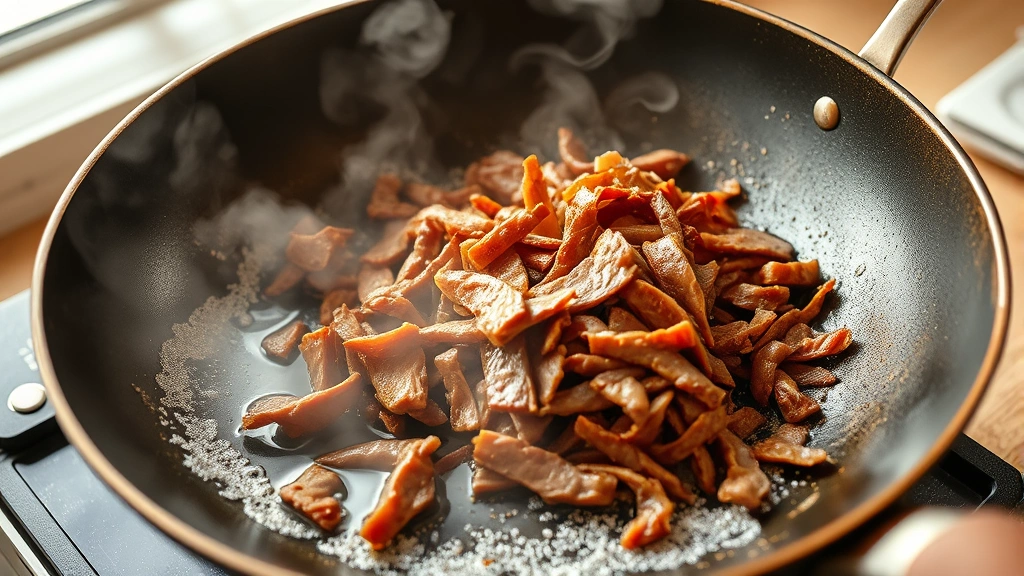
- Carefully add beef strips to the hot oil in a single layer, working in batches to avoid overcrowding the pan. Fry for 2-3 minutes until the edges are golden and crispy, then flip and fry for another 1-2 minutes until the second side is crispy. Remove with a slotted spoon and drain on paper towels.
- Repeat the frying process with remaining beef in batches, making sure the oil returns to temperature between batches.
- Once all the beef is cooked and drained, carefully pour off most of the oil from the wok, leaving about 2 tablespoons behind.
- Add minced garlic and fresh ginger to the remaining oil and cook for about 30 seconds until fragrant, stirring constantly to prevent burning.
- Add the hoisin sauce, soy sauce, rice vinegar, honey, sriracha, sesame oil, and beef broth to the wok. Stir everything together to combine.
- Bring the sauce to a gentle simmer and cook for 1-2 minutes, stirring occasionally.
- Add the cornstarch slurry to the sauce and stir constantly until the sauce thickens, about 1-2 minutes. The sauce should coat the back of a spoon.
- Return the crispy beef to the wok with the sauce and toss everything together gently but thoroughly, making sure each piece is well coated with the glossy sauce.
- Add the green onion pieces and toss to combine, reserving some for garnish if desired.
- Transfer to a serving platter and garnish with sesame seeds, additional green onions, and red pepper flakes if desired.
- Serve immediately over steamed white rice or with noodles on the side.

Pro Tips
- Slicing the beef against the grain is essential for tenderness. Take a moment to identify the grain direction and slice perpendicular to those lines.
- Don’t skip the paper towel step for drying the beef. Moisture prevents the cornstarch from adhering properly and creates steam instead of crispy edges.
- The oil temperature is critical. If it’s too cool, the beef will absorb oil and become greasy. If it’s too hot, the outside will burn before the inside cooks. Invest in an instant-read thermometer for best results.
- You can prep everything ahead of time – slice the beef, mince the garlic and ginger, and combine the sauce ingredients in a bowl. This makes the actual cooking process very quick and manageable.
- The sauce can be made less spicy by reducing the sriracha or replacing it with more honey for sweetness. Conversely, add more heat with additional sriracha or red pepper flakes.
- For a lighter version, you can shallow fry or pan-fry the beef in just a few tablespoons of oil instead of deep frying, though you won’t achieve quite the same crispy texture.
- Leftover Beijing beef can be stored in an airtight container in the refrigerator for up to 3 days. Reheat gently in a low oven or on the stovetop to prevent the beef from drying out.
- This recipe pairs beautifully with steamed jasmine rice, fried rice, or crispy chow mein noodles. It also works wonderfully over a bed of steamed broccoli for a lighter option.
- The cornstarch slurry is what creates that glossy, professional-looking sauce. Don’t skip this step, as it transforms the sauce from thin to luxuriously thick and coating.
- For extra flavor depth, consider adding a splash of Shaoxing wine or dry sherry to the sauce mixture.
- Make sure to serve this dish immediately after tossing with the sauce. The crispy coating begins to soften if it sits too long in the sauce, though the flavor will still be delicious.