
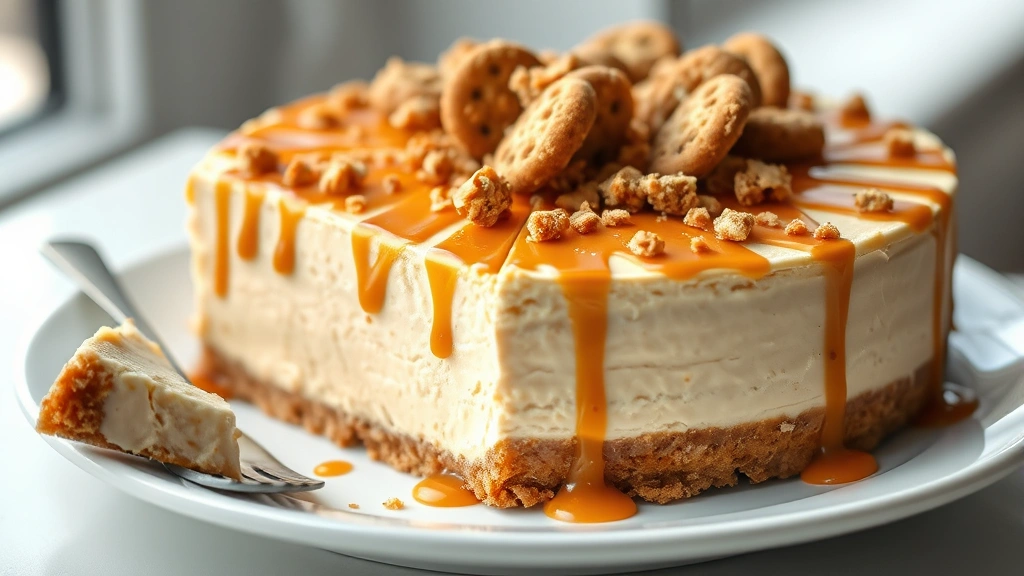
There’s something absolutely magical about Biscoff cheesecake – the way those caramelized cookie flavors meld with creamy, rich cheesecake is simply irresistible. This isn’t just any cheesecake recipe; it’s the BEST Biscoff cheesecake you’ll ever make, and I’m thrilled to share my foolproof method with you.
Biscoff cookies, also known as Lotus Biscoff, have become a beloved ingredient in the baking world, and for good reason. Their distinctive spiced, caramelized flavor profile brings a sophisticated sweetness that elevates any dessert. When combined with a silky smooth cheesecake filling, you get a dessert that’s elegant enough for dinner parties yet simple enough for everyday indulgence.
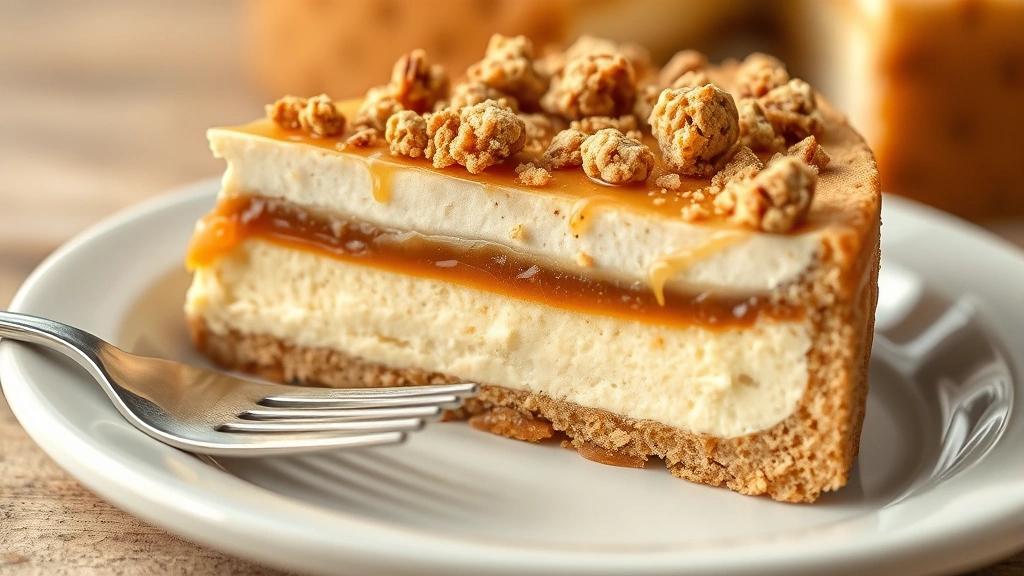
I’ve perfected this recipe over years of testing and tweaking, and I’m confident this will become your go-to cheesecake recipe. The secret lies in three key components: a buttery Biscoff cookie crust that provides the perfect textural contrast, a velvety cheesecake filling infused with Biscoff cookie butter for maximum flavor, and a stunning Biscoff layer on top that adds both visual appeal and an extra punch of that signature taste.
What makes this recipe truly special is the technique. Unlike many cheesecake recipes that result in cracks or dense, heavy textures, this method ensures a perfectly creamy, crack-free result every single time. The water bath is essential – it provides gentle, even heat that prevents the edges from cooking faster than the center. Room temperature ingredients are equally important; they blend together smoothly without overmixing, which is the enemy of a tender crumb.
The beauty of this Biscoff cheesecake is its versatility. Serve it plain to showcase the pure Biscoff flavor, or dress it up with a dollop of whipped cream and crushed cookies. It’s perfect for special occasions, holiday gatherings, or whenever you need an impressive dessert that will have everyone asking for the recipe. Trust me, once you master this recipe, you’ll be making it again and again.
If you love creamy, indulgent desserts, you might also enjoy exploring our guide to creating silky sauces or trying decadent heavy cream pasta. For more dessert inspiration and techniques, check out Bon Appétit’s dessert collection and Serious Eats’ baking guides.
Ingredients
- 2 cups Biscoff cookie crumbs (about 20-24 cookies, finely crushed)
- 6 tablespoons unsalted butter, melted
- 2 tablespoons granulated sugar
- 1/4 teaspoon sea salt
- 32 oz cream cheese (four 8-oz packages), room temperature
- 1 cup granulated sugar
- 1/4 cup cornstarch
- 4 large eggs, room temperature
- 1/2 cup sour cream, room temperature
- 1/3 cup Biscoff cookie butter (or creamy Biscoff spread)
- 2 tablespoons vanilla extract
- 1/4 teaspoon sea salt
- 1/2 cup heavy cream, room temperature
- For topping: 1/2 cup Biscoff cookie butter, 2 tablespoons heavy cream, crushed Biscoff cookies for garnish, caramel sauce for drizzling
Instructions
- Preheat your oven to 325°F (163°C). Wrap the outside of a 9-inch springform pan with heavy-duty aluminum foil, making sure to cover the bottom and sides completely to prevent water from seeping in during the water bath.
- In a medium bowl, combine the Biscoff cookie crumbs, melted butter, 2 tablespoons sugar, and 1/4 teaspoon salt, stirring until the mixture resembles wet sand and holds together when pressed.
- Press the mixture firmly into the bottom of the prepared springform pan, using the bottom of a measuring cup to create an even, compact layer. Bake for 8-10 minutes until lightly golden, then remove and let cool slightly while preparing the filling.
- In a large bowl, beat the room temperature cream cheese with an electric mixer on medium speed for 2-3 minutes, scraping down the bowl frequently, until completely smooth and creamy with no lumps remaining.
- In a small bowl, whisk together 1 cup sugar and cornstarch to prevent lumps in the filling, then gradually add this mixture to the cream cheese while beating on low speed, mixing just until combined – do not overmix.
- Add the sour cream and Biscoff cookie butter to the cream cheese mixture, beating on low speed until just combined and smooth, about 1 minute total.
- In a separate small bowl, whisk together the eggs, vanilla extract, and 1/4 teaspoon salt until well combined, then slowly pour this mixture into the cream cheese base while beating on low speed until just incorporated – overmixing introduces air bubbles that cause cracks.
- Finally, gently fold in the heavy cream with a spatula until the filling is silky smooth and uniform in color, being careful not to overmix – the batter should fall slowly from the spatula.
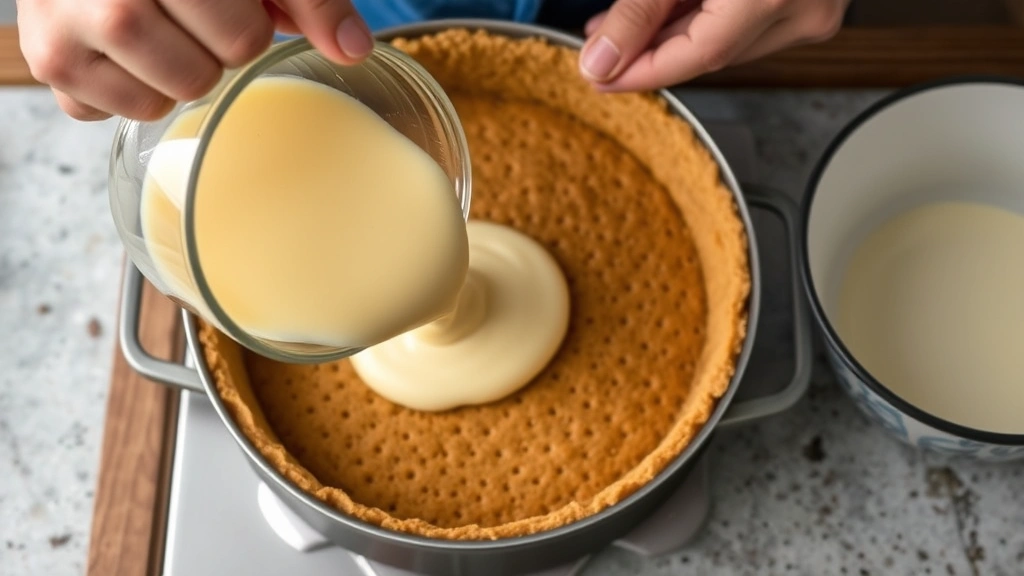
- Pour the cheesecake filling into the cooled crust, smoothing the top with an offset spatula or the back of a spoon to create an even surface.
- Place the springform pan into a larger roasting pan, then pour hot water into the roasting pan until it reaches halfway up the sides of the springform pan – this water bath ensures even, gentle cooking.
- Carefully place the roasting pan in the preheated 325°F oven and bake for 1 hour and 15 minutes, until the edges are set but the center still jiggles slightly when gently shaken – about a 2-inch circle in the very center should wobble.
- Turn off the oven and crack the door open about 4 inches, leaving the cheesecake inside for 1 hour – this gradual cooling prevents thermal shock and cracks from forming.
- Remove the cheesecake from the oven and let it cool to room temperature on the counter for 1 hour, then refrigerate for at least 6 hours or overnight before adding the topping.
- For the topping, whisk together the 1/2 cup Biscoff cookie butter and 2 tablespoons heavy cream until smooth and spreadable, then spread evenly over the chilled cheesecake.
- Garnish with crushed Biscoff cookies and a drizzle of caramel sauce, then refrigerate until ready to serve – the cheesecake tastes even better after 24 hours as flavors meld together.
- To serve, run a thin hot knife around the edges of the pan before releasing the springform, wiping the knife clean between cuts for neat slices – dip the knife in hot water and wipe before each cut.
- Serve chilled, and store any leftovers covered in the refrigerator for up to 5 days.
Pro Tips
The cornstarch addition might seem unusual, but it’s a professional baker’s secret that prevents the cheesecake from cracking and creates a more tender, delicate crumb. Do not skip this ingredient.
Using a water bath is non-negotiable for perfect cheesecake. The steam and gentle heat prevent the edges from overcooking before the center is set. Make sure your foil wrapping is secure so no water seeps into the pan.
Do not open the oven door during baking – the temperature fluctuation can cause cracks. The slight jiggle in the center when done is perfect; the residual heat will continue cooking it as it cools.
The gradual cooling process in the turned-off oven is essential. This prevents the cheesecake from contracting too quickly, which causes cracks to form. Do not skip this step.
If small cracks do form, don’t worry – they’ll be completely hidden by the Biscoff topping layer. For future batches, ensure you’re not overmixing the batter and that you’re allowing proper cooling time.
Biscoff cookie butter can be found in most grocery stores near the peanut butter or in the international foods section. Lotus Biscoff is the most common brand, but any Biscoff spread will work beautifully.
This cheesecake actually improves after sitting overnight as the flavors meld and develop. Make it a day ahead for the best results and easier slicing.
For a no-bake version, use a no-bake cheesecake recipe as a base, but note that the texture and flavor profile will be different. The baked version has superior texture and depth of flavor.
Do not attempt to remove the cheesecake from the springform until it’s completely chilled and set – this prevents cracking and sliding.
Pingback: How to make the BEST Turkey Thigh Recipe – So Tasty! – Simple Recipe Finder