
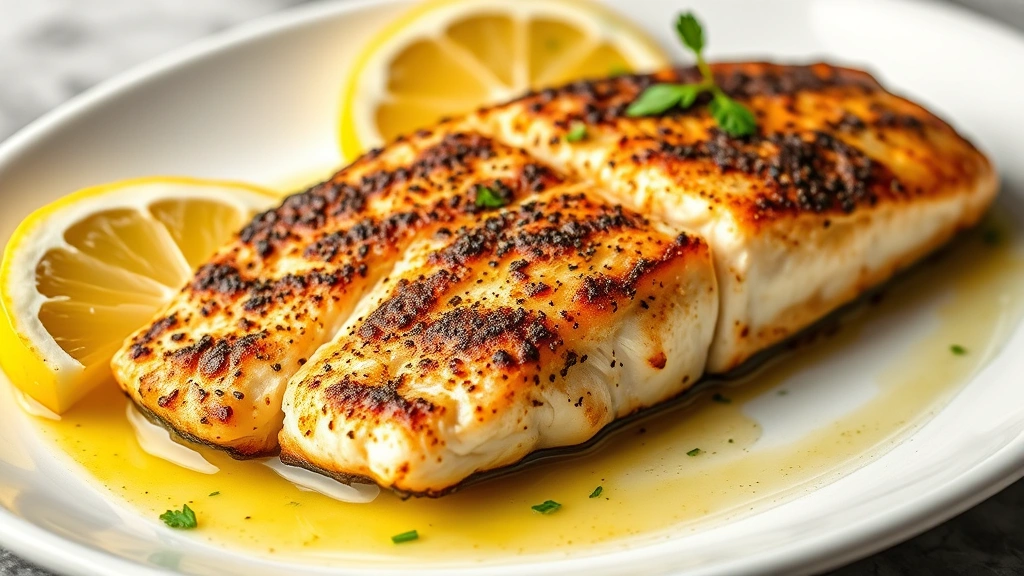
There’s something absolutely magical about blackened catfish—the smoky, peppery crust that shatters between your teeth, giving way to the tender, flaky white fish beneath. This iconic Louisiana dish has graced tables from New Orleans bistros to home kitchens across America, and for good reason. It’s bold, it’s flavorful, and it’s surprisingly simple to master.
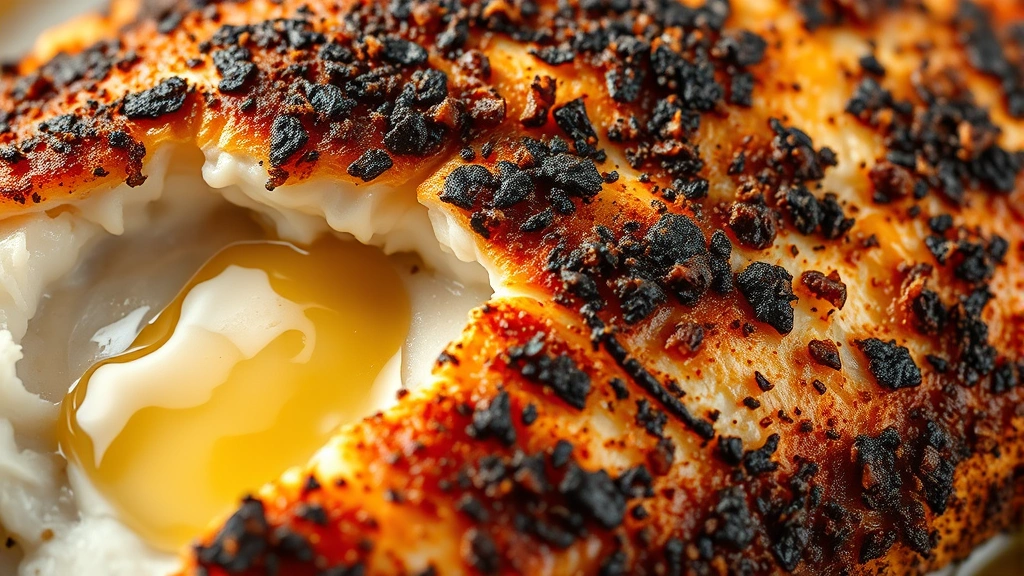
Blackening is a cooking technique that creates an incredible Maillard reaction, developing a deeply flavorful, charred crust while keeping the inside of the fish moist and delicate. The key is using a screaming hot cast iron skillet and quality spices. Unlike some fish recipes that require delicate handling, blackened catfish thrives on high heat and bold seasoning.
This recipe combines traditional Creole spices with modern technique to deliver restaurant-quality results in your own kitchen. The beauty of blackened catfish is its versatility—serve it with pickled red onions for brightness, alongside a fresh chickpea salad, or over a bed of greens. You can also pair it with rice, roasted vegetables, or even pasta—try it over creamy Alfredo sauce for an elevated twist.
I’ve tested this recipe dozens of times, adjusting spice ratios and techniques to ensure you get perfect results every single time. The secret lies in three things: proper skillet temperature, adequate seasoning, and quality catfish fillets. Once you master this technique, you’ll find yourself making blackened catfish weekly—it’s that good.
For more detailed information on blackening technique, check out Serious Eats’ comprehensive guide. If you want to explore other Creole-inspired dishes, Bon Appétit has wonderful Louisiana recipes. For fish cooking fundamentals, The New York Times Cooking section offers excellent techniques and timing guides.
Ingredients
- 4 catfish fillets (6-8 ounces each)
- 3 tablespoons paprika
- 1 tablespoon garlic powder
- 1 tablespoon onion powder
- 2 teaspoons cayenne pepper
- 2 teaspoons dried oregano
- 2 teaspoons dried thyme
- 1 teaspoon black pepper
- 1 teaspoon white pepper
- 1 teaspoon kosher salt
- ½ teaspoon dried basil
- ¼ teaspoon ground red pepper
- 6 tablespoons unsalted butter, divided
- 2 tablespoons vegetable oil
- Fresh lemon wedges for serving
- Fresh parsley for garnish (optional)
Instructions
- Pat the catfish fillets completely dry using paper towels. Moisture is the enemy of a good crust, so take your time with this step—this ensures proper browning and crust formation.
- In a shallow dish or plate, combine paprika, garlic powder, onion powder, cayenne pepper, dried oregano, dried thyme, black pepper, white pepper, kosher salt, dried basil, and ground red pepper. Mix thoroughly to combine all spices evenly.
- Coat each catfish fillet thoroughly on both sides with the blackening spice mixture, pressing gently so the spices adhere. Don’t be shy—you want a generous coating. Set the seasoned fillets aside on a clean plate.
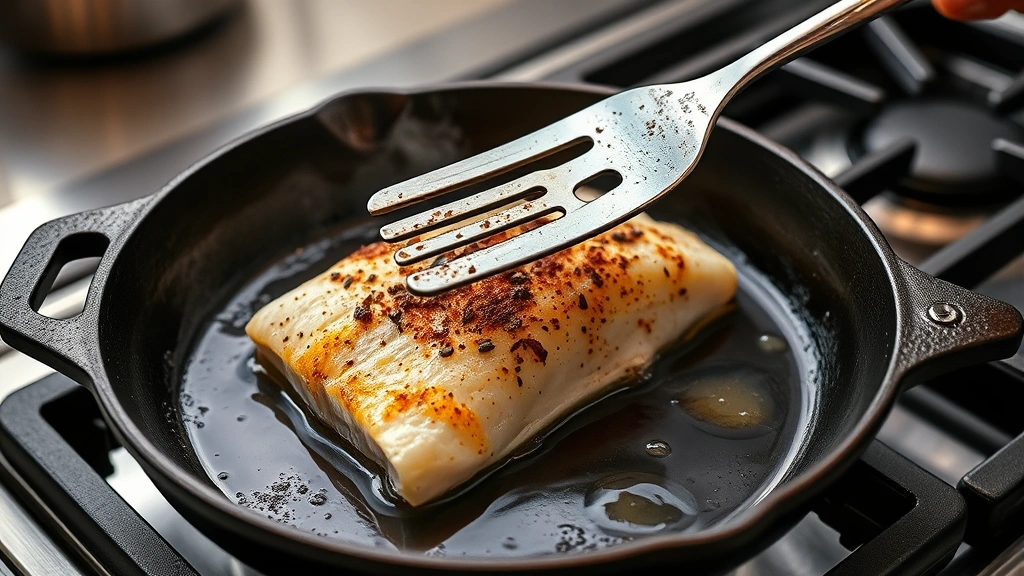
- Place a 12-inch cast iron skillet over medium-high heat and allow it to heat for 3-4 minutes until it’s very hot. You want the skillet to be smoking slightly before adding the fish. This high temperature is crucial for developing the characteristic blackened crust.
- Add 1 tablespoon of vegetable oil and 1 tablespoon of butter to the hot skillet, allowing them to melt and coat the bottom evenly. Tilt the skillet to ensure even coverage.
- Carefully place two catfish fillets into the hot skillet, skin side up. You should hear an immediate, aggressive sizzle. Do not move the fillets around—let them sit undisturbed for 3-4 minutes to develop the dark, crusty exterior.
- Using a thin spatula, carefully flip each fillet and cook for another 2-3 minutes on the second side until that side develops a similar dark crust and the fish is cooked through. The internal temperature should reach 145°F when checked with a meat thermometer.
- Transfer the cooked fillets to a warm plate and tent loosely with foil to keep warm. Wipe out the skillet with a paper towel to remove excess blackened bits (called fond).
- Repeat steps 5-7 with the remaining 2 tablespoons of vegetable oil, 1 tablespoon of butter, and the two remaining catfish fillets.
- Once all fillets are cooked, melt the remaining 4 tablespoons of butter in the skillet over medium heat. Add a squeeze of fresh lemon juice to the butter, creating a simple lemon butter sauce.
- Arrange the blackened catfish fillets on serving plates. Drizzle the warm lemon butter over each fillet and garnish with fresh parsley if desired. Serve immediately with lemon wedges on the side.
- For extra indulgence, serve the blackened catfish over creamy bacon carbonara or rich heavy cream pasta for a restaurant-quality meal.
Pro Tips
- Catfish is the ideal fish for blackening because its mild flavor doesn’t compete with the bold spices, and its firm texture holds up beautifully to high heat cooking. Other options include mahi-mahi, grouper, or thick-cut salmon, though cooking times may vary slightly.
- Cast iron skillet is essential for this recipe. The heat retention and distribution of cast iron creates the perfect crust that you simply cannot achieve in other pans. If your skillet is well-seasoned, no additional oil is needed beyond what’s listed.
- Make the spice blend ahead of time and store it in an airtight container for up to three months. This makes weeknight blackened catfish preparation incredibly fast—just 15 minutes from start to finish.
- The key to perfect blackened fish is not moving it around in the pan. Resist the urge to flip early or adjust the fillets. Let them sit undisturbed so the spices create that beautiful, crusty exterior.
- If the kitchen gets too smoky (which is normal), turn on your exhaust fan or open a window. Blackening naturally produces smoke, but you can minimize it slightly by ensuring your pan isn’t overheated to the point of smoking before adding the fish.
- Fresh lemon butter sauce is traditional, but you can also serve blackened catfish with tartar sauce, remoulade, or a simple aioli. The contrast between the spicy crust and a cool, creamy sauce is absolutely divine.
- This recipe scales easily—simply multiply ingredients by the number of fillets you’re serving. However, work in batches rather than overcrowding the skillet, as this drops the temperature and prevents proper crust formation.
- Leftover blackened catfish can be refrigerated for up to three days and reheated gently in a 325°F oven for about 10 minutes. It’s also delicious cold the next day, flaked into a salad or sandwich.