
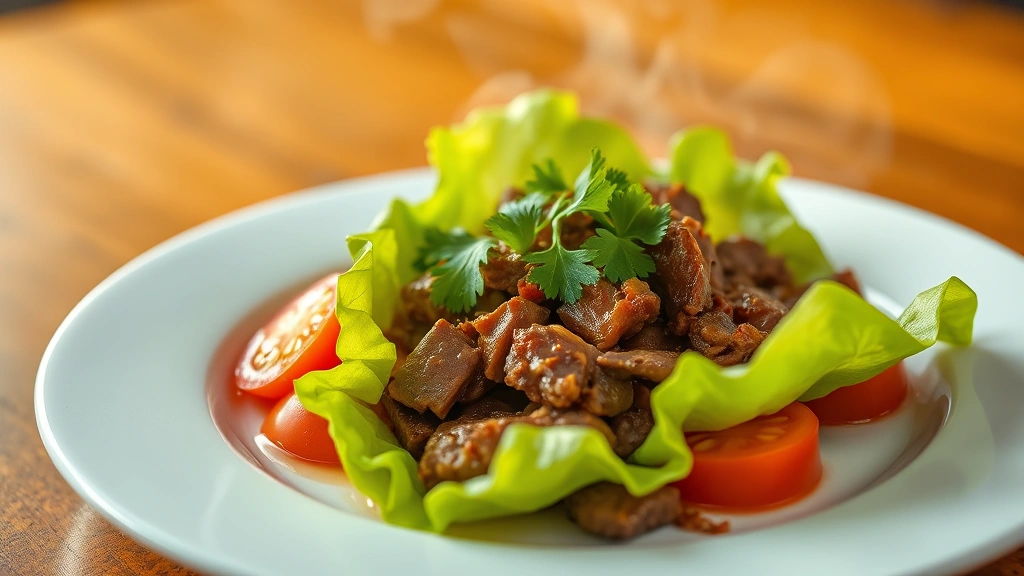
Bo Luc Lac, also known as Shaking Beef, is a quintessential Vietnamese dish that perfectly balances savory, garlicky, and slightly sweet flavors with tender, perfectly seared beef. This restaurant-quality dish comes together in just minutes, making it ideal for weeknight dinners or impressive entertaining. The beauty of this recipe lies in its simplicity—just a few quality ingredients and the right technique create something absolutely magical.
The name “Luc Lac” comes from the Vietnamese word meaning “to shake” or “to toss,” referring to the constant movement of the beef in the hot wok or skillet. This technique is crucial for achieving that signature caramelized exterior while keeping the inside tender and juicy. What makes this dish so special is the contrast between the perfectly charred beef and the cool, crisp lettuce and tomato served alongside it.
This bo luc lac recipe is far easier than you might think, and once you master it, you’ll find yourself making it regularly. The key is using high-quality beef, keeping everything organized before you start cooking (mise en place is essential!), and not overcrowding your pan. I love serving this with fresh vegetable sides and steamed rice for an authentic Vietnamese experience.
What I adore most about this dish is how it showcases the Vietnamese philosophy of balancing flavors—salty, sweet, sour, and spicy all working together harmoniously. The garlic becomes almost candy-like when caramelized, the beef develops a beautiful crust, and everything comes together with such elegance. Whether you’re new to Vietnamese cooking or a seasoned enthusiast, this bo luc lac recipe will become a trusted favorite in your kitchen.
The beauty of this dish is its versatility too. You can easily customize the heat level, adjust the sweetness to your preference, or even try it with different proteins. Some people love adding charred peppers for extra color and flavor. The foundation, however, remains the same—perfectly executed technique and quality ingredients.
Ingredients
- 2 pounds beef tenderloin or sirloin, cut into 1-inch cubes
- 6 cloves garlic, minced
- 3 tablespoons oyster sauce
- 2 tablespoons fish sauce
- 1 tablespoon soy sauce
- 1 tablespoon honey or brown sugar
- 1 teaspoon black pepper
- 3 tablespoons vegetable oil, divided
- 1/2 teaspoon salt
- Fresh lime juice (about 1 lime)
- Butter lettuce or red leaf lettuce for serving
- Fresh tomato slices for serving
- Sliced onions for serving
- Fresh cilantro for garnish
- Sesame seeds for garnish (optional)
- Cooked jasmine rice for serving
Instructions
- Pat the beef cubes completely dry with paper towels—this is essential for achieving a good sear. Moisture is the enemy of browning, so don’t skip this step.
- Season the dried beef cubes generously with salt and black pepper, tossing to coat evenly.
- In a small bowl, whisk together the oyster sauce, fish sauce, soy sauce, and honey until well combined. Set this sauce mixture aside.
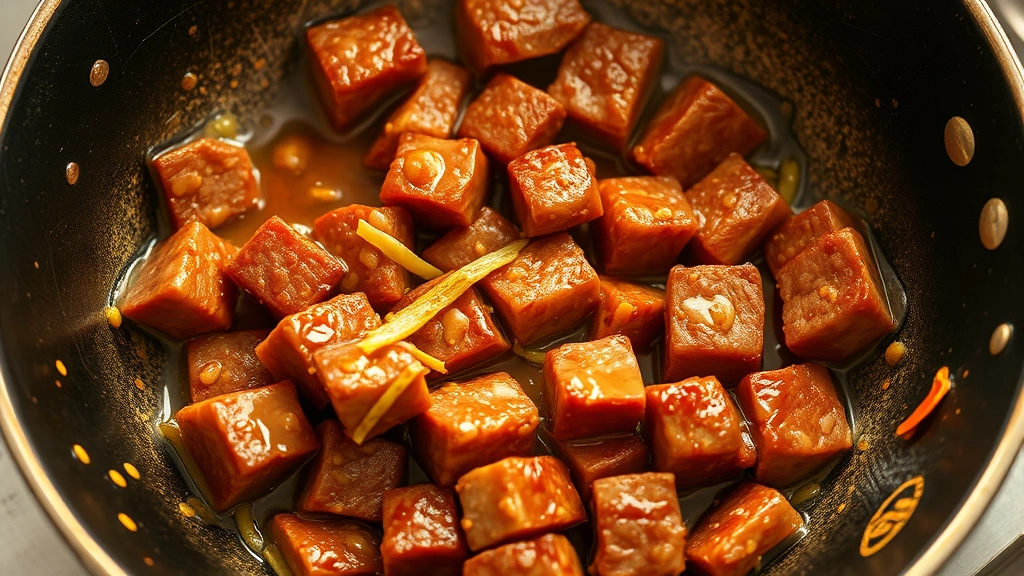
- Heat 1 tablespoon of vegetable oil in a large wok or cast-iron skillet over high heat until it’s smoking hot—this is crucial for getting that restaurant-quality sear.
- Working in batches to avoid overcrowding the pan, add the beef cubes in a single layer and let them sit undisturbed for 2-3 minutes to develop a golden crust. Don’t stir or move them around yet.
- Toss the beef cubes and let them cook for another 1-2 minutes until they’re browned on all sides but still medium-rare inside. Transfer to a clean plate and repeat with remaining beef, adding more oil as needed.
- After all the beef is cooked and set aside, reduce heat to medium and add the minced garlic to the same skillet with any remaining oil and beef juices.
- Cook the garlic, stirring constantly, for about 30 seconds until fragrant—be careful not to burn it, as burnt garlic becomes bitter.
- Return all the cooked beef to the skillet along with the sauce mixture, tossing everything together constantly for about 1-2 minutes to coat the beef and allow the sauce to caramelize slightly.
- Add a squeeze of fresh lime juice and taste for seasoning, adjusting as needed with additional fish sauce, oyster sauce, or lime juice.
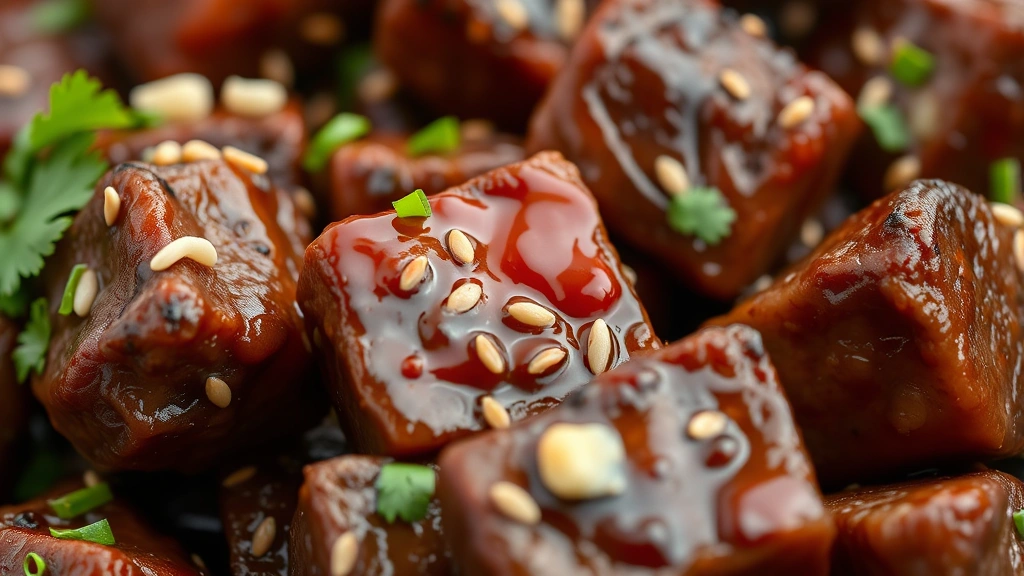
- Transfer the bo luc lac to a serving platter and garnish with fresh cilantro and sesame seeds if desired.
- Serve immediately with lettuce cups, fresh tomato slices, sliced onions, and jasmine rice on the side, allowing guests to create their own lettuce wraps.
Pro Tips
- **Quality of Beef Matters**: Use beef tenderloin for the most tender results, though quality sirloin works beautifully too. Ask your butcher to cut it into consistent 1-inch cubes, or do it yourself with a very sharp knife.
- **The Importance of High Heat**: Don’t be afraid of high heat here. Vietnamese cooking relies on the wok’s extreme temperature to create that signature caramelization. If your pan isn’t hot enough, you’ll steam the beef instead of searing it.
- **Mise en Place is Everything**: Have all your ingredients prepped and measured before you start cooking. This dish moves quickly, and you won’t have time to measure or chop once you begin.
- **Don’t Overcrowd the Pan**: This is perhaps the most common mistake. Cooking the beef in batches takes a few extra minutes but yields dramatically better results with proper browning.
- **Beef Doneness**: The beauty of this dish is that the beef continues to cook slightly when you return it to the hot pan with the sauce, so err on the side of slightly underdone in the first sear.
- **Fish Sauce Aroma**: If you’ve never cooked with fish sauce, be prepared for a strong smell—it mellows considerably once cooked and adds essential umami depth.
- **Sauce Consistency**: The sauce should coat the beef without being overly wet. If it seems too liquidy, cook it down for another 30 seconds.
- **Serving Temperature**: Serve this dish immediately while everything is still hot. The contrast of the warm beef with cool, crisp lettuce is part of the appeal.
- **Customize Your Heat**: Add sliced Thai chilies or a pinch of cayenne pepper if you prefer more spice.
- **Make it Your Own**: Some families add a splash of rice vinegar for extra tang, while others incorporate lemongrass. Feel free to experiment while maintaining the core technique.
- **Leftover Storage**: Leftovers can be stored in an airtight container in the refrigerator for up to 3 days, though this dish is truly best served fresh. You can reheat gently in a wok or skillet.
- **Wine Pairing**: A crisp white wine like Sauvignon Blanc or an off-dry Riesling complements the rich beef and bold Vietnamese flavors beautifully.