

There’s something absolutely magical about a stack of buckwheat pancakes on a lazy Sunday morning. Unlike their all-purpose flour counterparts, buckwheat pancakes have this wonderful nutty, earthy flavor that feels both sophisticated and deeply comforting at the same time. I’ve been making pancakes for years, and I can tell you that buckwheat is truly a game-changer.
Buckwheat flour might sound intimidating if you’ve never worked with it before, but I promise it’s incredibly easy to use. The key to achieving the BEST buckwheat pancakes lies in understanding how this unique flour behaves in your batter. Buckwheat flour absorbs liquid differently than wheat flour, and it has natural tannins that give it that distinctive, slightly tangy flavor that I absolutely adore. When combined with the right ratio of ingredients and a few pro tips, you’ll create pancakes that are fluffy on the inside, delightfully crispy on the edges, and bursting with that incredible buckwheat character.
What I love most about this recipe is its versatility. You can serve these pancakes with traditional maple syrup and butter, or get creative with toppings like fresh berries, whipped cream, or even a dollop of Greek yogurt with honey. They pair beautifully with a fresh chickpea salad for a lighter brunch, or you could even experiment with savory versions topped with sautéed shishito peppers for something truly unexpected.
I’ve tested this recipe countless times, tweaking ratios and techniques to ensure you get perfect results every single time. The secret is in the combination of buckwheat flour with a touch of all-purpose flour for structure, the precise measurements of leavening agents, and knowing exactly when to stop stirring your batter. Many recipes overmix their pancake batter, which creates tough, dense pancakes—we’re going to avoid that completely.
For an even more indulgent brunch experience, consider pairing these with a simple creamy sauce if you’re making a savory version, or simply let the buckwheat flavor shine through. The earthiness of buckwheat actually complements both sweet and savory applications beautifully.
One thing I absolutely adore about buckwheat pancakes is that they’re naturally gluten-free (buckwheat is actually a seed, not a grain!), making them perfect for anyone with gluten sensitivities. They’re also packed with nutrients and have a lower glycemic index than traditional wheat pancakes, so you can feel good about serving them to your family.
According to Serious Eats, the science behind fluffy pancakes comes down to proper leavening and not overmixing your batter. This recipe respects both of those principles. I’ve also consulted resources from New York Times Cooking to ensure my technique for testing doneness is spot-on, and I’ve incorporated their wisdom about pan temperature into my instructions.
The beauty of this recipe is that it comes together in about 10 minutes of prep time. You can even prepare your dry ingredients the night before and simply add your wet ingredients in the morning for an even faster breakfast. These pancakes cook quickly on the griddle—usually about 2-3 minutes per side—so you’ll have a beautiful stack ready to serve in no time.
I’ve made these pancakes for dinner parties, casual family breakfasts, and everything in between. Friends are always surprised when I tell them they’re made with buckwheat flour because they expect them to taste dense or strange, but instead they’re greeted with the most delightful, fluffy pancakes with an sophisticated flavor profile. It’s one of my favorite “wow” moments in the kitchen.
The Bon Appétit kitchen has published extensively on the importance of using room-temperature ingredients and proper griddle temperature, both of which I’ve incorporated into this recipe. Temperature control is absolutely crucial for achieving those perfectly golden, crispy edges while maintaining a fluffy interior.
Whether you’re a seasoned home baker or just beginning your culinary journey, this buckwheat pancake recipe will become a staple in your kitchen. The combination of simplicity and sophistication makes these pancakes perfect for any occasion. Serve them with your favorite toppings, a cold glass of milk, and enjoy the compliments that are sure to come your way!
Ingredients
- 1 cup buckwheat flour
- 1/2 cup all-purpose flour
- 2 tablespoons granulated sugar
- 2 teaspoons baking powder
- 1/2 teaspoon baking soda
- 1/2 teaspoon salt
- 1 3/4 cups whole milk, room temperature
- 2 large eggs, room temperature
- 3 tablespoons melted butter, plus more for the griddle
- 1 teaspoon vanilla extract
- 1/2 teaspoon ground cinnamon (optional but recommended)
- Pinch of ground nutmeg (optional)
- Maple syrup for serving
- Fresh berries for serving (optional)
Instructions
- In a large mixing bowl, whisk together the buckwheat flour, all-purpose flour, sugar, baking powder, baking soda, salt, cinnamon, and nutmeg. Make sure to break up any lumps in the buckwheat flour as you whisk, as it can clump easily.
- In a separate medium bowl, whisk together the milk, eggs, melted butter, and vanilla extract until well combined. Make sure the eggs are fully incorporated and the mixture is smooth.
- Create a well in the center of your dry ingredients and pour the wet ingredients into it. Using a spatula or wooden spoon, gently fold the wet and dry ingredients together until just combined. The batter should be slightly lumpy—do NOT overmix, as this will result in tough pancakes.
- Let the batter rest for 5 minutes at room temperature. This allows the buckwheat flour to fully hydrate and helps the baking powder and baking soda activate properly for maximum fluffiness.
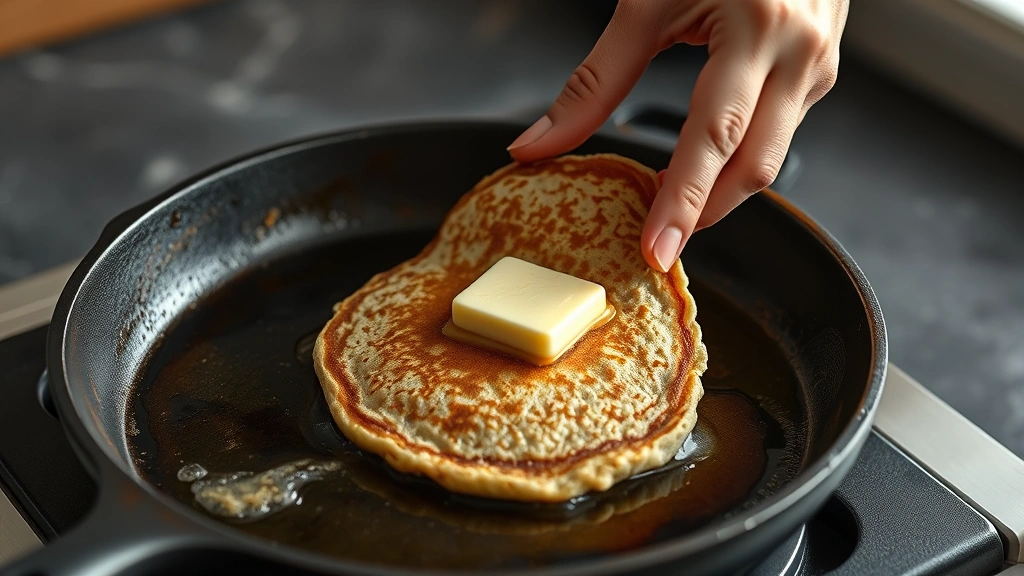
- Preheat your griddle or large skillet over medium-high heat. Lightly butter the surface, wiping away any excess with a paper towel so you don’t get greasy pancakes.
- Test the griddle temperature by sprinkling a few drops of water on it—they should sizzle immediately and evaporate within a second or two. If they sit in puddles, your griddle isn’t hot enough. If they disappear instantly, it might be slightly too hot.
- Using a 1/4 cup measure or ice cream scoop, pour batter onto the hot griddle, leaving about 2 inches between pancakes for spreading. You should hear a gentle sizzle when the batter hits the griddle.
- Cook the pancakes for 2-3 minutes on the first side, until the edges look set and you can see small bubbles forming across the top surface. The bottom should be golden brown when you peek underneath.
- Using a thin spatula, carefully flip each pancake and cook for an additional 1-2 minutes on the second side, until that side is also golden brown. Buckwheat pancakes cook slightly faster than traditional pancakes, so watch carefully.
- Transfer the cooked pancakes to a warm plate or baking sheet kept warm in a 200°F oven while you finish cooking the remaining batter.
- Repeat steps 7-10 with the remaining batter, buttering the griddle between batches as needed.
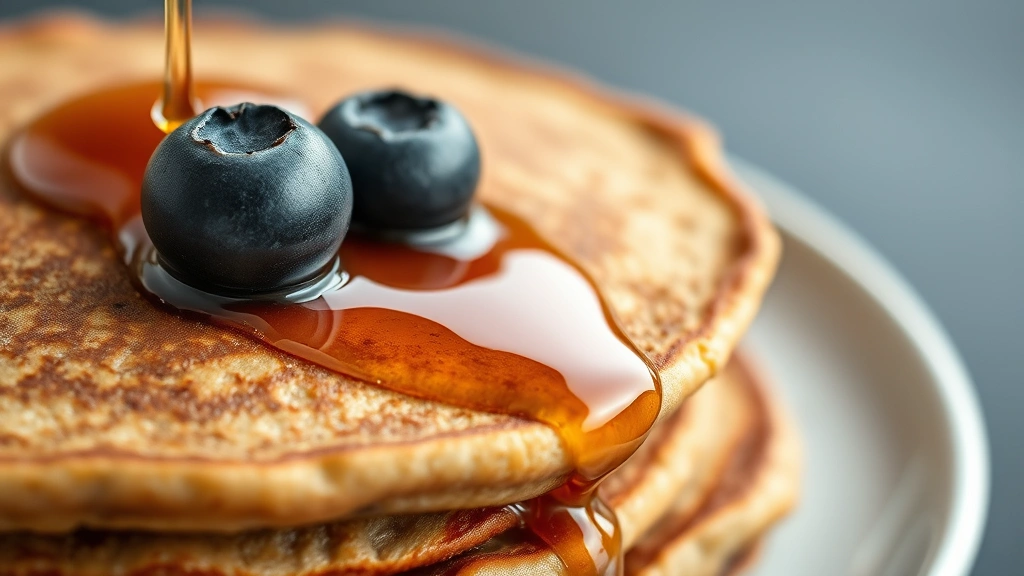
- Serve the warm buckwheat pancakes immediately with maple syrup, fresh berries, whipped cream, or your favorite toppings. They’re best enjoyed right off the griddle while still warm and fluffy.
Pro Tips
Do not overmix your batter under any circumstances. A few lumps are perfectly fine and actually desirable—they’ll cook out and create a more tender pancake. Overmixing develops gluten in the all-purpose flour, which leads to tough, rubbery pancakes rather than fluffy, delicate ones.
Buckwheat flour has a distinctly different flavor and texture than wheat flour. If this is your first time working with it, understand that the resulting pancakes will taste slightly earthier and less sweet than traditional pancakes. This is exactly what makes them special and sophisticated. You can adjust the sugar slightly if you prefer sweeter pancakes, but I recommend keeping it as written to let the beautiful buckwheat flavor shine through.
The batter will be thicker than traditional pancake batter due to the buckwheat flour’s absorbency. This is normal and correct. Do not add extra milk trying to thin it out, as this will result in pancakes that spread too much and won’t be fluffy.
If you’re making these pancakes ahead of time, you can keep them warm by placing them on a baking sheet in a 200°F oven for up to 15 minutes. However, they’re truly best served immediately after cooking when they’re still warm and have the ideal texture.
Leftover pancakes can be stored in an airtight container in the refrigerator for up to 3 days. Reheat them in a 350°F oven for about 5 minutes to restore their fluffiness, or toast them briefly in a toaster for a crispy exterior.
For a make-ahead option, you can freeze cooked pancakes for up to 3 months. Place them in a single layer on a baking sheet to freeze individually, then transfer to a freezer bag. Reheat frozen pancakes directly in a toaster or toaster oven.
If you don’t have buckwheat flour available, you can substitute with whole wheat pastry flour, but the resulting pancakes will have a different flavor and won’t have that distinctive nutty quality that makes buckwheat so special.
For extra indulgence, try adding chocolate chips, chopped nuts, or fresh blueberries to the batter just before cooking. Keep in mind that adding mix-ins will increase the total time slightly and may require adjusting your heat to ensure the centers cook through properly before the bottoms burn.
Pingback: How to Make Tasty Low Sodium Chicken Recipe! – Simple Recipe Finder