
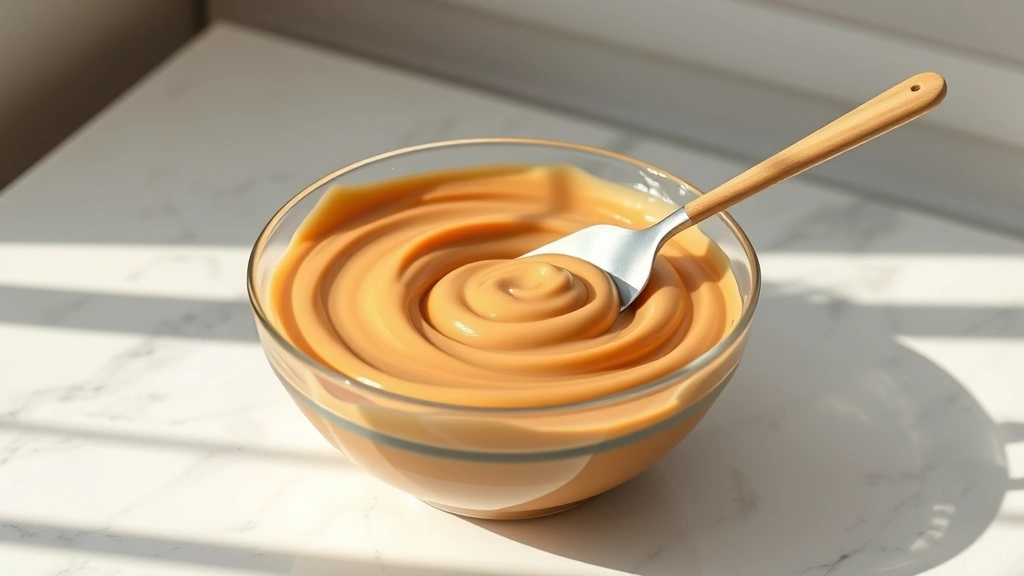
This absolutely divine caramel icing is the showstopper your desserts have been waiting for! Rich, buttery, and deeply caramelized, this frosting strikes that perfect balance between sweet and sophisticated. Whether you’re frosting a classic layer cake, cupcakes, or using it as a decadent dip, this recipe delivers restaurant-quality results every single time.
What makes this caramel icing so special is the combination of real butter, brown sugar, and a touch of vanilla that creates an incredibly smooth, spreadable texture with authentic caramel flavor. Unlike some recipes that rely on caramel sauce, this version builds the flavor from scratch, giving you complete control over the depth and richness. The secret is in the technique: we’re creating a proper caramel base by cooking the butter and brown sugar together until they reach that perfect golden stage, then incorporating powdered sugar and cream to achieve frosting consistency.
I absolutely love using this frosting on rich, decadent desserts that deserve something truly special. The beauty of this recipe is its versatility – you can make it ahead of time, adjust the consistency to your preference, and it works beautifully with virtually any cake flavor. For more inspiration on working with butter-based ingredients, check out this guide on working with premium butter.
The technique I’m sharing today is foolproof and forgiving, making it perfect for both beginners and experienced bakers. According to Serious Eats, proper caramel development requires patience and attention, and this recipe honors those principles while keeping things simple. If you’re looking to elevate your frosting game, this caramel icing is absolutely the place to start. I’ve included detailed notes about common mistakes and how to avoid them, plus variations you can try once you’ve mastered the classic version.
For additional inspiration on creating sophisticated frosting techniques, explore this complementary recipe that uses similar flavor-building principles. You’ll find that once you understand the fundamentals of this caramel icing, you’ll be able to apply the same logic to other frosting styles. This is one of those recipes that genuinely becomes easier and more intuitive each time you make it, so don’t hesitate to make it multiple times as you perfect your technique.
Ingredients
- 1 cup (2 sticks) unsalted butter, softened to room temperature
- 1 cup packed light brown sugar
- 1/4 cup whole milk or heavy cream
- 1 teaspoon vanilla extract
- 1/4 teaspoon sea salt
- 3 to 4 cups powdered sugar (confectioners’ sugar), sifted
- 1/4 teaspoon caramel extract (optional but recommended)
- Pinch of fleur de sel or fleur de sel for garnish (optional)
Instructions
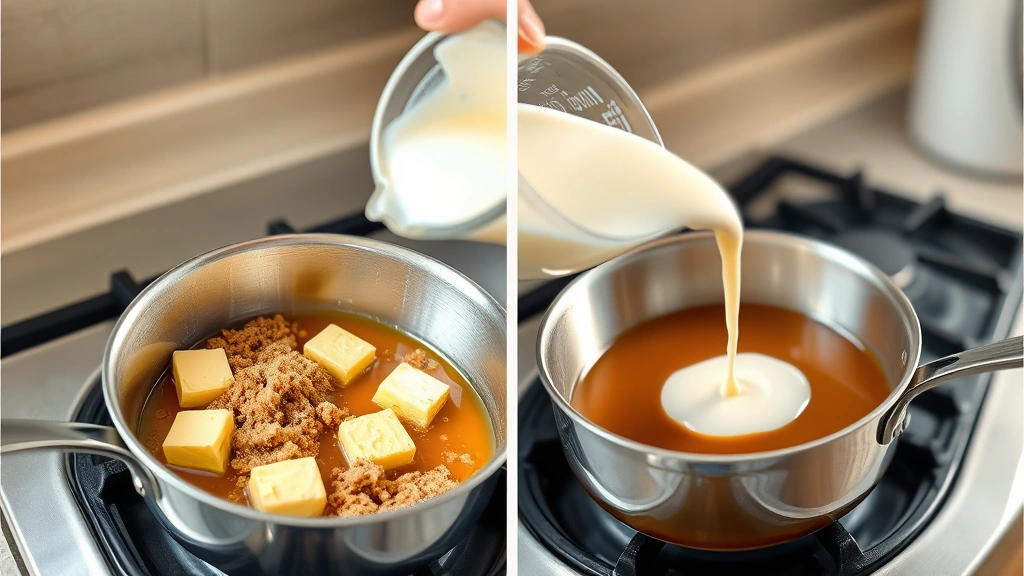
- In a medium saucepan over medium heat, melt the butter completely. Once melted, add the packed brown sugar and stir constantly, combining the two ingredients thoroughly. The mixture should look like wet sand at first.
- Continue cooking the butter and brown sugar mixture for 3-4 minutes, stirring frequently. You’re looking for the mixture to become smooth, slightly darker, and fragrant – this develops the caramel flavor. The mixture should bubble gently but never boil rapidly.
- Remove the saucepan from heat and carefully pour in the milk or heavy cream. The mixture will bubble up slightly, which is completely normal. Stir well to combine, and the mixture will smooth out as it cools slightly.
- Let the caramel mixture cool for 5-7 minutes at room temperature. This is crucial – if you add it to the powdered sugar while it’s too hot, the icing will be too thin and won’t set properly. You want it warm but not hot to the touch.
- Pour the caramel mixture into a large mixing bowl. Add the vanilla extract, sea salt, and optional caramel extract. Stir to combine thoroughly.
- Add 3 cups of the sifted powdered sugar to the caramel mixture, one cup at a time, beating on medium speed with an electric mixer. After each addition, beat until smooth and incorporated before adding the next cup.
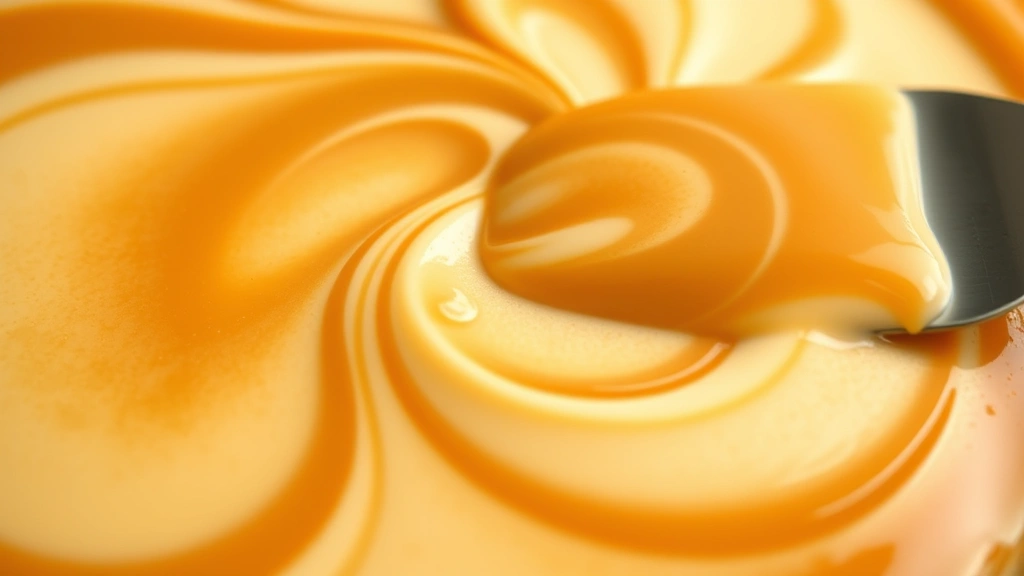
- Once all three cups of powdered sugar are incorporated, assess the consistency. The icing should be thick but spreadable. If it’s too thick, add cream or milk one tablespoon at a time, beating well after each addition.
- If the icing is too thin, add the remaining powdered sugar one tablespoon at a time, beating well after each addition, until you reach the desired consistency. The icing should hold soft peaks and be easy to spread.
- Use the caramel icing immediately on cooled cakes or cupcakes, or store it in an airtight container in the refrigerator for up to one week. If refrigerated, bring to room temperature and re-beat for 1-2 minutes before using.
- For the smoothest application, use an offset spatula dipped in warm water and wiped dry between strokes. This helps create a professional, polished finish on your baked goods.
Pro Tips
TEMPERATURE IS CRITICAL: Never add hot caramel mixture directly to powdered sugar – it will clump and become grainy. Let it cool for 5-7 minutes first. Similarly, if your butter and brown sugar mixture reaches a deep mahogany color, it’s burned and will taste bitter. Stop cooking when it smells richly caramel-like and is a medium to dark golden brown.
BUTTER QUALITY MAKES A DIFFERENCE: Use real butter, not margarine or butter substitutes. The flavor of quality butter is crucial to this recipe’s success. European-style butter with higher fat content will create an even richer, more luxurious frosting.
BROWN SUGAR SELECTION: Packed light brown sugar works beautifully here. Make sure it’s packed firmly when measuring for consistent results. Dark brown sugar will create a deeper, more intense caramel flavor if you prefer something less sweet.
STORAGE OPTIONS: This icing keeps beautifully in the refrigerator for up to one week in an airtight container. You can also freeze it for up to three months. When ready to use, bring to room temperature and re-beat until creamy. Some people prefer to make this frosting a day ahead, as the flavors meld and deepen overnight.
APPLICATION TECHNIQUES: For naked or semi-naked cakes, use a small offset spatula for precision. For crumb coating, apply a thin layer first, refrigerate for 15 minutes, then apply your final thicker coat. For piping, you may need to add slightly less milk to achieve a stiffer consistency that holds shape better.
FLAVOR VARIATIONS: Add a pinch of espresso powder for mocha caramel, incorporate 1/4 teaspoon of sea salt for salted caramel, or add 1/2 teaspoon of rum extract for a sophisticated twist. Some bakers love adding a tablespoon of browned butter for extra depth.
WHY THIS RECIPE WORKS: The combination of butter and brown sugar creates authentic caramel flavor without the need for hard candy or caramel sauce. The milk provides moisture that keeps the icing creamy and prevents it from becoming grainy. The powdered sugar gives it the right consistency while maintaining that luxurious caramel taste.