
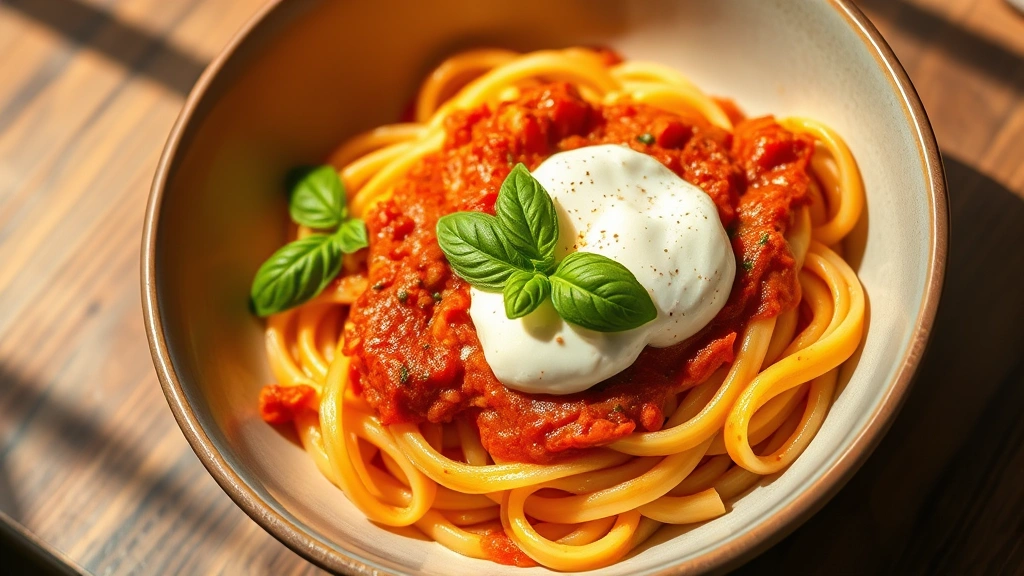
Carbone’s spicy rigatoni is one of the most coveted dishes in New York City, and for good reason. This stunning pasta combines perfectly al dente rigatoni with a vibrant, silky tomato sauce that’s kissed with just the right amount of heat. The secret to achieving that restaurant-quality result at home lies in a few key techniques: using high-quality San Marzano tomatoes, building layers of flavor with garlic and red pepper flakes, and finishing with fresh basil and creamy burrata cheese.
I first fell in love with this dish during a visit to Carbone in Greenwich Village, and I’ve spent months perfecting my version. What makes this recipe special is the balance between the spicy kick and the natural sweetness of the tomatoes, combined with the luxurious creaminess of butter and the richness of good olive oil. This isn’t just pasta—it’s an experience that will transport you straight to an Italian trattoria.
The beauty of this recipe is its simplicity. You don’t need a long list of complicated ingredients or advanced cooking techniques. What you do need is patience to let the sauce develop its full flavor, quality ingredients that you can taste in every bite, and a willingness to cook with intention. The pasta water is your secret weapon, so don’t discard it!
This dish comes together in about 30 minutes, making it perfect for weeknight dinners when you want something that feels special and indulgent. Whether you’re cooking for a date night or impressing friends with your culinary skills, this spicy rigatoni will absolutely deliver. The combination of crispy garlic chips, fragrant basil, creamy burrata, and that signature spicy kick makes every forkful absolutely addictive.
I recommend using San Marzano tomatoes from Italy if you can find them—they have a lower water content and sweeter flavor that really makes a difference. Fresh basil is non-negotiable, and don’t skimp on the quality of your olive oil. These ingredients might seem pricey, but they’re what separate a good pasta dish from an absolutely unforgettable one. San Marzano tomatoes are worth seeking out, and you can find them at most specialty grocery stores or online.
The sauce comes together quickly—just about 15 minutes of simmering—which means you can have this elegant dinner on the table faster than you’d expect. The real magic happens when you combine the hot pasta with the silky sauce and finish with creamy burrata cheese that melts slightly from the heat. It’s comfort food elevated to fine dining status.
For external inspiration and techniques, I’ve learned so much from professional chefs about sauce-making. Serious Eats has excellent resources on tomato sauce fundamentals, and Bon Appétit frequently features spicy pasta variations that have inspired my cooking. I also love the New York Times’ approach to fresh tomato sauce, which emphasizes letting quality ingredients shine.
Once you master this base recipe, you can experiment with variations. Some nights I add crispy pancetta or guanciale for extra richness, other nights I keep it vegetarian but add crispy garlic chips for textural contrast. You could also try adding a splash of white wine to the sauce or finishing with a drizzle of hot chili oil for even more heat.
This recipe serves two as a main course with generous portions, or four as a lighter appetizer. The sauce is rich and flavorful, so you don’t need a huge amount. I always recommend having extra burrata on hand because honestly, you’ll want more than what the recipe calls for. The cool, creamy cheese against the hot, spicy pasta is pure magic.
Store any leftover sauce in an airtight container in the refrigerator for up to four days. The sauce actually tastes better the next day as the flavors meld together. Simply reheat gently on the stovetop and toss with freshly cooked pasta. You won’t be disappointed.
Ingredients
- 1 pound fresh rigatoni pasta
- 2 tablespoons extra virgin olive oil, divided
- 6 cloves garlic, thinly sliced
- 1 to 1.5 teaspoons red pepper flakes (adjust to taste)
- 1 can (28 ounces) San Marzano tomatoes, crushed by hand
- 1/4 teaspoon salt, plus more to taste
- 1/4 teaspoon black pepper
- 1/2 teaspoon sugar (optional, to balance acidity)
- 4 tablespoons unsalted butter
- 1/4 cup fresh basil leaves, plus more for garnish
- 8 ounces fresh burrata cheese, at room temperature
- Fleur de sel or finishing salt for garnish
- Red pepper flakes for garnish (optional)
- Pasta water as needed for sauce consistency
Instructions
- Bring a large pot of salted water to a rolling boil. The water should taste like the sea—this is your only opportunity to season the pasta itself.
- While waiting for water to boil, prepare your ingredients: slice the garlic thinly, measure out the red pepper flakes, crush the San Marzano tomatoes by hand into a bowl, and tear the basil leaves by hand (never cut basil with a knife as it bruises easily).
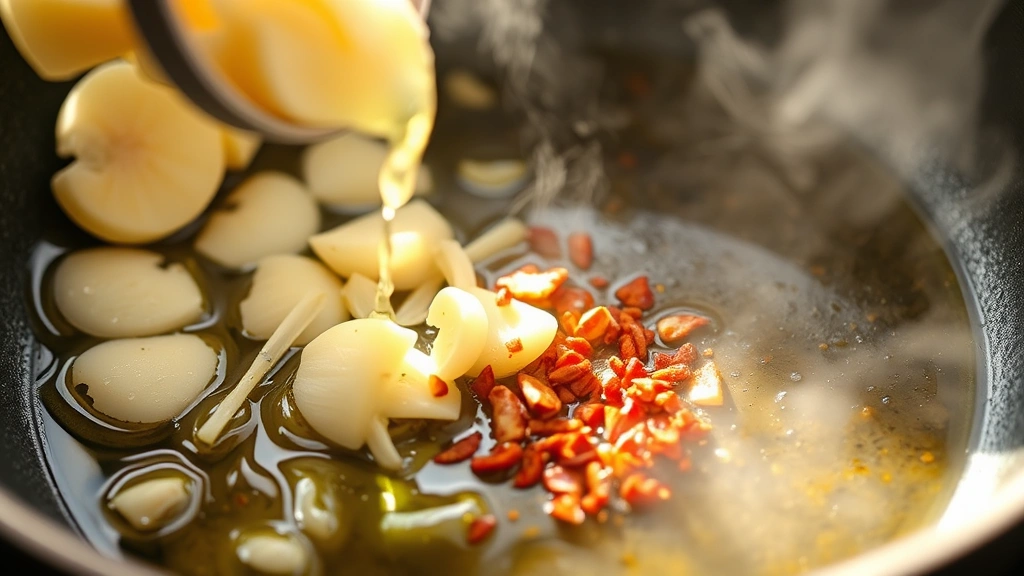
- Heat 1 tablespoon of extra virgin olive oil in a large skillet over medium heat until it shimmers.
- Add the sliced garlic and cook for 1 to 2 minutes, stirring occasionally, until the garlic becomes fragrant and just barely begins to turn golden. Do not let it brown or burn, as this will make it bitter.
- Add the red pepper flakes to the garlic and oil, stirring constantly for about 30 seconds to toast the spices and release their flavors into the oil.
- Pour the crushed San Marzano tomatoes into the skillet with the garlic and red pepper flakes. Stir well to combine.
- Add the salt and black pepper, and stir in the sugar if using (this helps balance the acidity of the tomatoes). Bring the sauce to a gentle simmer.
- Let the sauce simmer for 12 to 15 minutes, stirring occasionally. The sauce should reduce slightly and the flavors should meld together beautifully. Taste and adjust seasonings as needed.
- While the sauce simmers, add the rigatoni pasta to the boiling water and cook according to package directions until al dente, usually 10 to 12 minutes. Reserve at least 1 cup of pasta water before draining.
- When the pasta is al dente, add the butter to the simmering sauce and stir until completely melted and incorporated.
- Add the torn fresh basil to the sauce and stir gently. Reserve a bit of fresh basil for garnish.
- Add the drained hot pasta directly to the sauce and toss gently but thoroughly to coat every strand with the silky tomato sauce. Add pasta water a little at a time if the sauce seems too thick—it should coat the pasta but still flow slightly.
- Divide the spicy rigatoni between two large pasta bowls or four appetizer bowls.
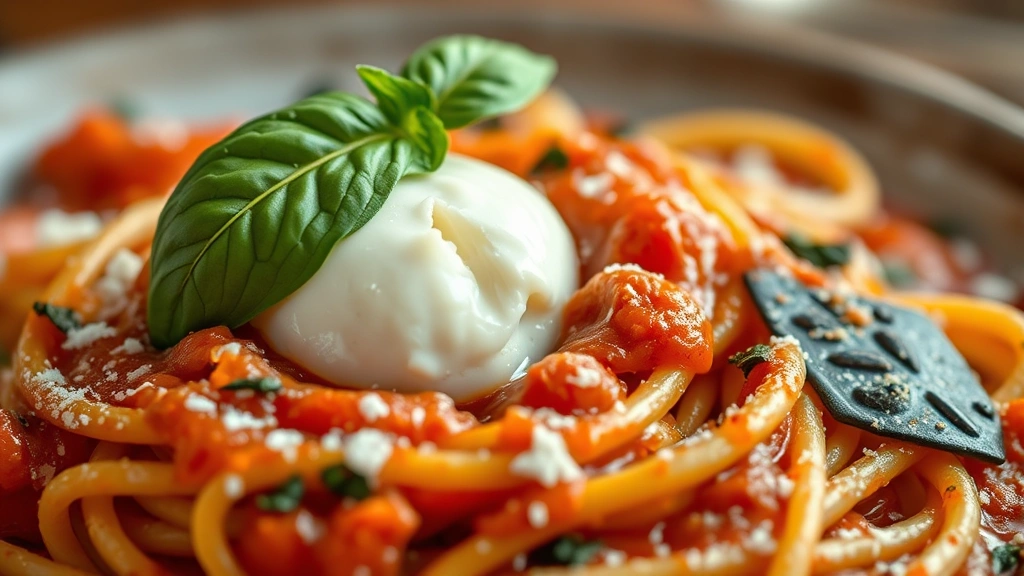
- Top each serving with a generous portion of fresh burrata cheese, allowing it to partially melt into the warm pasta.
- Garnish with fresh basil leaves, fleur de sel, and additional red pepper flakes if desired.
- Serve immediately while the pasta is hot and the burrata is at its creamiest. Drizzle with remaining extra virgin olive oil if desired.
Pro Tips
- San Marzano tomatoes are essential for this recipe—they have fewer seeds, lower water content, and a sweeter, more delicate flavor than regular canned tomatoes. Look for tomatoes from the Campania region of Italy for the best quality.
- Quality olive oil makes a noticeable difference in both the sauce and the final presentation. Use a good extra virgin olive oil that you enjoy tasting on its own.
- Don’t skip the pasta water! The starchy water helps emulsify the sauce and creates a silky coating on the pasta. Start with 1/4 cup and add more as needed.
- The key to perfect garlic is watching it carefully—it should be fragrant and just barely golden, not brown. Brown garlic tastes bitter and will ruin the delicate balance of this dish.
- Fresh basil should always be torn by hand, never cut with a knife. Cutting bruises the leaves and causes them to oxidize and turn dark.
- Burrata cheese should be at room temperature before serving for the creamiest texture. Remove it from the refrigerator about 10 minutes before plating.
- Red pepper flakes vary in heat level depending on the brand and freshness. Start with 1 teaspoon and adjust upward based on your heat preference. You can always add more heat, but you can’t remove it.
- This recipe is best served immediately after cooking. The pasta is at its best when hot, and the burrata is at its creamiest when the pasta is still steaming.
- For variations, try adding crispy pancetta or guanciale (cured pork jowl) for extra richness, or a splash of dry white wine to the sauce for acidity and depth.
- Leftover sauce keeps well in the refrigerator for up to four days. It actually tastes better the next day as flavors develop. Reheat gently and serve with freshly cooked pasta.
- If you can’t find burrata, fresh mozzarella is an acceptable substitute, though it won’t have quite the same creamy, oozy texture.
- Make sure your skillet is large enough to comfortably toss the pasta with the sauce—at least 12 inches in diameter.
- The spice level in this dish is meant to be noticeable but not overwhelming. It should enhance the flavors of the tomato and basil, not overpower them.