

Carrot top pesto is one of those brilliant recipes that transforms kitchen scraps into pure green gold! If you’ve been tossing those beautiful carrot greens in the trash, it’s time to stop—they’re packed with flavor and nutrition, and they make an absolutely stunning pesto that rivals the traditional basil version.
I first discovered carrot top pesto when a local farmer’s market vendor mentioned it offhandedly, and I’ve been obsessed ever since. The greens have this peppery, slightly earthy quality that pairs beautifully with garlic, nuts, and cheese. What I love most about this recipe is its versatility—use it on pasta, spread it on sandwiches, dollop it on roasted vegetables, or swirl it into soups. It’s also a fantastic way to reduce food waste and feel like you’re getting the most bang for your grocery buck.
The key to the best carrot top pesto is using young, tender carrot greens (not the thick stems) and balancing the flavors so nothing overpowers the delicate vegetable taste. I always add a touch of lemon juice to brighten everything up, and I’m particular about using good quality olive oil and freshly grated Parmigiano-Reggiano. This recipe comes together in just five minutes in a food processor, making it perfect for busy weeknights when you want something impressive but don’t have hours to spend in the kitchen.
If you’re new to using carrot tops, start here with this pesto recipe, then explore other ways to use them like carrot top soup, carrot top chimichurri, or even carrot top salad. You might also love this classic basil pesto or arugula pesto variation if you want to explore other pesto options.
Ingredients
- 3 cups fresh carrot top greens, loosely packed (about 2-3 bunches of carrots with tops)
- 1/2 cup raw walnuts or pine nuts (or a combination)
- 1/2 cup freshly grated Parmigiano-Reggiano cheese
- 1/4 cup extra virgin olive oil, plus more as needed
- 3 cloves garlic, minced
- 2 tablespoons fresh lemon juice
- 1/2 teaspoon sea salt, plus more to taste
- 1/4 teaspoon freshly ground black pepper
- 1/4 teaspoon red pepper flakes (optional)
- Zest of 1 lemon (optional but recommended)
Instructions
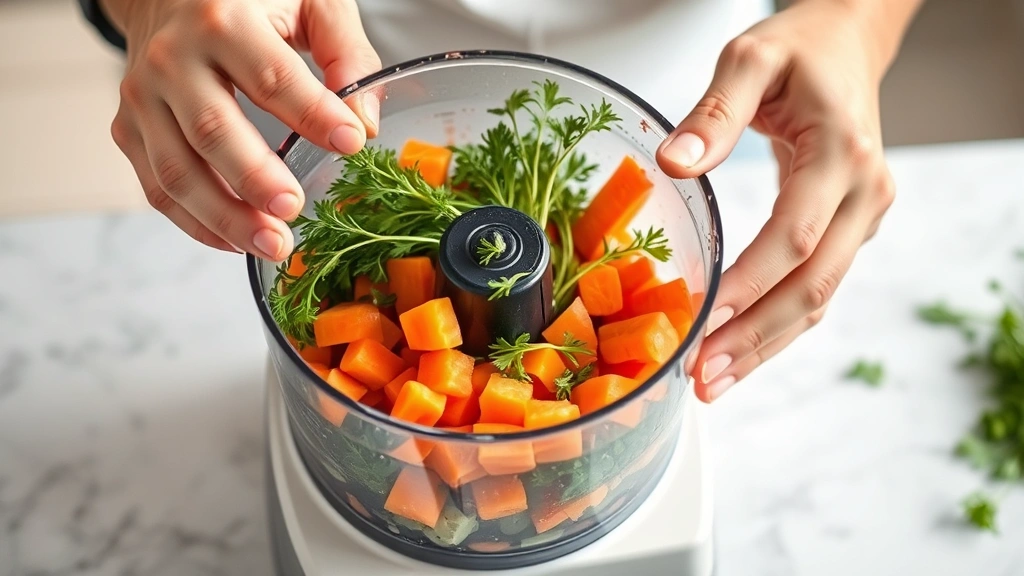
- Start by preparing your carrot tops: rinse them thoroughly under cool water and pat dry with paper towels. This step is crucial because any water left on the greens will dilute your pesto. Remove any thick stems and discard them, keeping only the tender leafy portions.
- If using walnuts, you can optionally toast them in a dry skillet over medium heat for 3-4 minutes, stirring frequently, until fragrant. This step intensifies their flavor but is completely optional. Allow them to cool slightly before using.
- Add the carrot top greens, toasted walnuts, and minced garlic to the bowl of your food processor. Pulse several times until the mixture is roughly chopped and starting to break down.
- Add the freshly grated Parmigiano-Reggiano cheese and pulse again to combine. The mixture should start looking more paste-like at this point.
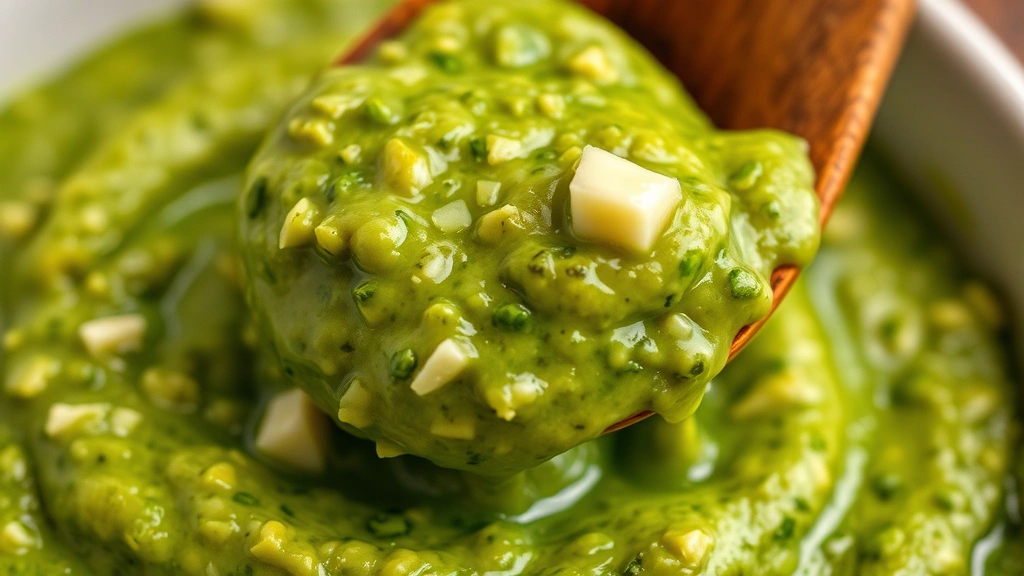
- Drizzle in the lemon juice and olive oil while pulsing the food processor. Add the oil slowly—you want to create an emulsion rather than an oily mixture. The pesto should be creamy and cohesive but still have a little texture.
- Add the sea salt, black pepper, and red pepper flakes if using. Pulse once or twice to incorporate. Taste and adjust seasonings as needed—you may want more lemon juice, salt, or pepper depending on your preference.
- For extra brightness, stir in the lemon zest by hand after the pesto is finished processing. This adds a beautiful pop of flavor without over-processing the mixture.
- Transfer the finished pesto to a clean jar or bowl. If not using immediately, store it in the refrigerator with a thin layer of olive oil on top to prevent oxidation and browning.
- To use: toss with warm pasta (add a splash of pasta water to help it coat), spread on sandwiches, dollop on roasted vegetables, swirl into soups, or use as a dip for crusty bread.
Pro Tips
- **Carrot Top Selection**: Look for carrots with fresh, vibrant green tops at farmers markets or grocery stores. Avoid any that appear wilted, yellowed, or slimy. The fresher the greens, the better your pesto will taste.
- **Nut Substitutions**: While walnuts and pine nuts are traditional, you can also use almonds, pecans, hazelnuts, or even sunflower seeds for a nut-free option. Each will impart a slightly different flavor profile.
- **Cheese Options**: Parmigiano-Reggiano is ideal, but you can substitute Pecorino Romano for a sharper flavor or Grana Padano for a milder option. Avoid pre-grated cheese if possible, as it contains anti-caking agents that prevent proper emulsification.
- **Storage**: Store pesto in an airtight container in the refrigerator for up to 5 days. For longer storage, freeze in ice cube trays and pop out individual portions as needed—frozen pesto keeps for up to 3 months. Freezing sometimes causes slight browning but doesn’t affect the flavor.
- **Preventing Browning**: The oxidation that turns pesto brown is natural but can be minimized by covering the surface with a thin layer of olive oil before refrigerating. You can also add a squeeze of lemon juice or a pinch of vitamin C powder to slow oxidation.
- **Flavor Balance**: If your pesto tastes too bitter, add a touch more cheese or a pinch of sugar. If it’s too sharp, add more olive oil to mellow it out. If it lacks brightness, squeeze in more lemon juice.
- **Consistency Adjustment**: If your pesto is too thick, add more olive oil a tablespoon at a time. If it’s too thin and oily, add more cheese or carrot greens to absorb the excess oil.
- **Pasta Pairing**: This pesto works beautifully with delicate pastas like angel hair or thin spaghetti, but also pairs wonderfully with heartier shapes like fusilli or rigatoni. Always reserve at least 1 cup of pasta cooking water before draining—the starch helps the pesto coat the pasta evenly.
- **Beyond Pasta**: Spread this pesto on crostini and top with a poached egg for brunch, mix it into cream cheese for a delicious dip, stir it into mayonnaise for sandwich spread, or use it as a marinade for grilled chicken or fish.
Pingback: How to make the TASTY Marry Me Salmon Recipe! – Simple Recipe Finder