
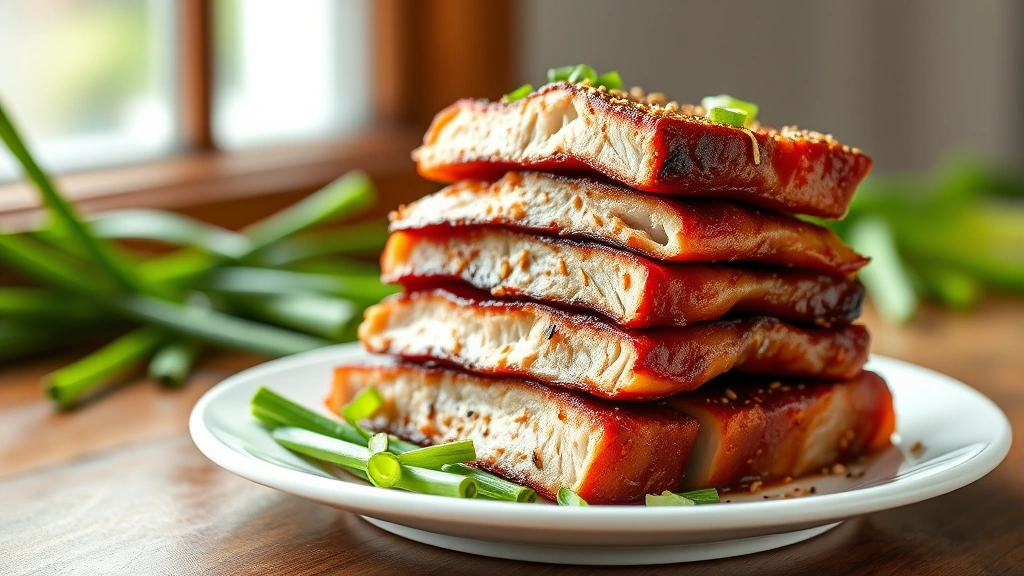
Char siu pork is a beloved Chinese-American classic that features tender, succulent pork glazed in a sweet and savory sauce with a beautiful caramelized exterior. This authentic recipe brings the restaurant-quality flavor right into your home kitchen, and honestly, it’s easier to make than you’d think!
The magic of char siu comes from the perfect balance of sweet, savory, and smoky flavors. Traditional char siu uses a marinade made with hoisin sauce, soy sauce, five-spice powder, and a touch of honey or sugar. The pork is typically roasted until the edges caramelize and char slightly, creating those gorgeous mahogany-colored edges that make this dish so visually stunning.
What I love most about this recipe is its versatility. You can serve char siu pork with steamed rice and roasted bok choy for an elegant dinner, use it in fresh salads, or even shred it for baos with pickled red onions. The tender meat is also perfect for fried rice, noodle dishes, or as an appetizer served with cucumber slices.
This char siu pork recipe uses pork butt or shoulder, which becomes incredibly tender during the cooking process. The marinade needs to sit for at least 4 hours, but overnight is ideal for maximum flavor development. Once you start roasting, the kitchen will smell absolutely incredible—that sweet and savory aroma is irresistible!
For the best results, I recommend using a meat thermometer to ensure your pork reaches the perfect temperature while remaining juicy. The pork should reach an internal temperature of 165°F, but for char siu, many prefer it slightly more cooked through at around 180-190°F for better texture. You can find more tips on Serious Eats about pork cooking temperatures.
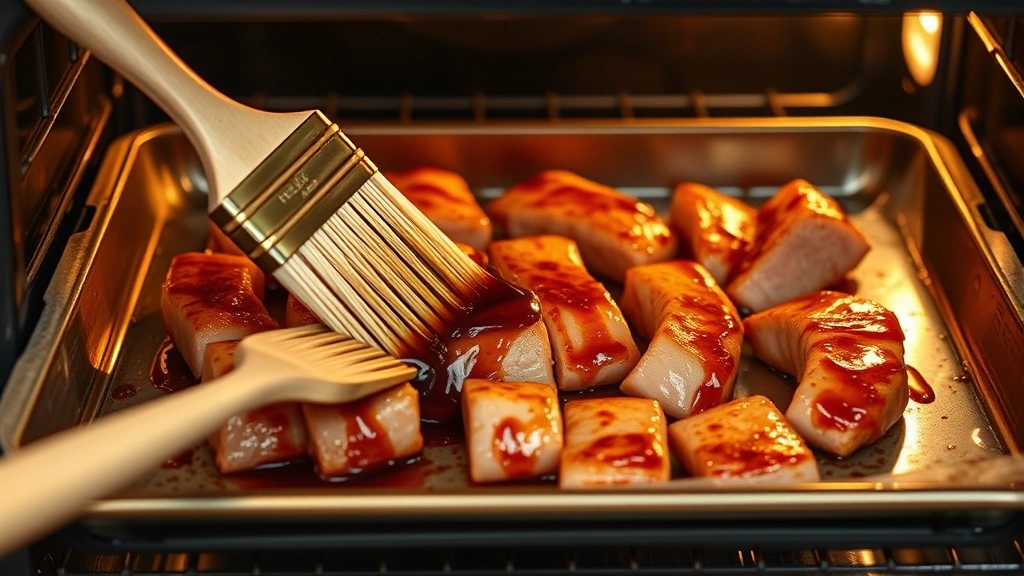
One pro tip: brush the marinade onto the pork every 20-30 minutes while roasting. This builds up those gorgeous caramelized layers and keeps the meat incredibly moist. Don’t skip this step—it makes a huge difference in the final result!
This recipe makes enough for 6-8 servings, making it perfect for family dinners or meal prep. Leftover char siu pork keeps beautifully in the refrigerator for up to 4 days and reheats wonderfully. You can also freeze it for up to 3 months. For storage inspiration, check out New York Times Cooking for more food preservation tips.
Whether you’re cooking for a special occasion or simply craving restaurant-quality Asian cuisine at home, this char siu pork recipe delivers restaurant-level results with straightforward, achievable steps. Once you master this technique, you’ll find yourself making it regularly. Your family will be amazed, and honestly, it tastes even better than takeout!
Ingredients
- 3-4 pounds pork butt or pork shoulder, cut into 2-3 inch thick strips
- 1/2 cup hoisin sauce
- 1/4 cup soy sauce
- 3 tablespoons honey or sugar
- 2 tablespoons oyster sauce
- 2 tablespoons rice wine vinegar
- 4 cloves garlic, minced
- 1 tablespoon grated fresh ginger
- 2 teaspoons five-spice powder
- 1 teaspoon white pepper
- 1/2 teaspoon red pepper flakes (optional)
- 2 tablespoons sesame oil
- 1 tablespoon cornstarch mixed with 2 tablespoons water (for glaze, optional)
- 2 green onions, sliced (for garnish)
- 1 teaspoon sesame seeds (for garnish)
- Salt and black pepper to taste
Instructions
- In a medium bowl, whisk together hoisin sauce, soy sauce, honey, oyster sauce, rice wine vinegar, minced garlic, grated ginger, five-spice powder, white pepper, red pepper flakes, and sesame oil until well combined and smooth.
- Pat the pork butt strips dry with paper towels, then season both sides generously with salt and black pepper.
- Place the pork strips in a large zip-top bag or shallow baking dish and pour the marinade over them, making sure all pieces are well coated.
- Massage the marinade into the pork, working it into all the crevices and edges for maximum flavor absorption.
- Seal the bag or cover the baking dish with plastic wrap and refrigerate for at least 4 hours, but preferably overnight. Turn the pork occasionally to ensure even marinating.
- Remove the pork from the refrigerator about 30 minutes before cooking to bring it closer to room temperature.
- Preheat your oven to 400°F (200°C). Line a large baking sheet with aluminum foil for easy cleanup.
- Remove the pork from the marinade, reserving the excess marinade in a small bowl or measuring cup.
- Arrange the pork strips on the prepared baking sheet in a single layer, spacing them about 1-2 inches apart.
- Roast the pork in the preheated oven for 30 minutes without brushing.
- Remove the baking sheet from the oven and brush the pork generously with the reserved marinade using a basting brush.
- Return to the oven and roast for another 20 minutes, then brush with marinade again.
- Continue roasting and brushing with marinade every 15-20 minutes for the remaining 25-30 minutes (total roasting time about 1 hour 15 minutes).
- The pork is done when it reaches an internal temperature of 165-190°F on a meat thermometer and the exterior is deeply caramelized and slightly charred at the edges.
- Remove from the oven and let rest for 5-10 minutes before slicing.
- If desired, strain any pan drippings into a saucepan and thicken with the cornstarch slurry over medium heat for 1-2 minutes to create a glaze.
- Slice the char siu pork against the grain into 1/4-inch thick slices.
- Arrange on a serving platter, drizzle with the glaze if making it, and garnish with sliced green onions and sesame seeds.
- Serve warm with steamed rice, roasted vegetables, or your favorite accompaniments.

Pro Tips
Marinating Time: While 4 hours is the minimum, overnight marinating (8-12 hours) provides the best flavor development. The longer the pork sits in the marinade, the more flavorful and tender it becomes. You can even marinate for up to 24 hours without any issues.
Brushing Technique: The key to achieving those gorgeous caramelized edges and maintaining moisture is brushing the marinade onto the pork every 15-20 minutes during roasting. This builds up layers of glaze and prevents the exterior from drying out. Don’t skip this step.
Temperature Guide: For food safety, pork should reach a minimum internal temperature of 145°F according to USDA guidelines. However, many people prefer char siu cooked to 165-190°F for a more tender, fully cooked texture. Use a meat thermometer for accuracy.
Oven Variations: If your oven tends to run hot or cool, adjust the temperature and cooking time accordingly. You may also broil the pork for the last 2-3 minutes to achieve extra charring, but watch carefully to prevent burning.
Make-Ahead and Storage: Char siu pork can be prepared up to 2 days ahead. Store in an airtight container in the refrigerator and reheat gently in a 350°F oven for 15-20 minutes until warmed through. You can also freeze cooked char siu pork for up to 3 months.
Serving Suggestions: Serve with steamed jasmine rice, roasted bok choy, or stir-fried vegetables. Char siu pork is also delicious in fried rice, chow mein, or shredded and served in steamed buns with cucumber slices and hoisin sauce.
Homemade Five-Spice Powder: If you don’t have five-spice powder, combine 1 teaspoon each of ground cinnamon, ground cloves, and ground star anise, plus 1/2 teaspoon each of ground fennel and white pepper.
Glaze Options: For a thicker glaze, mix cornstarch with water to create a slurry and simmer with the pan drippings. You can also add a touch of sesame oil and fresh lime juice to the glaze for extra brightness.
Leftover Uses: Shred leftover char siu pork and use in fried rice, noodle bowls, baos, salads, or quesadillas. It also makes an excellent addition to grain bowls with vegetables and sauce.