
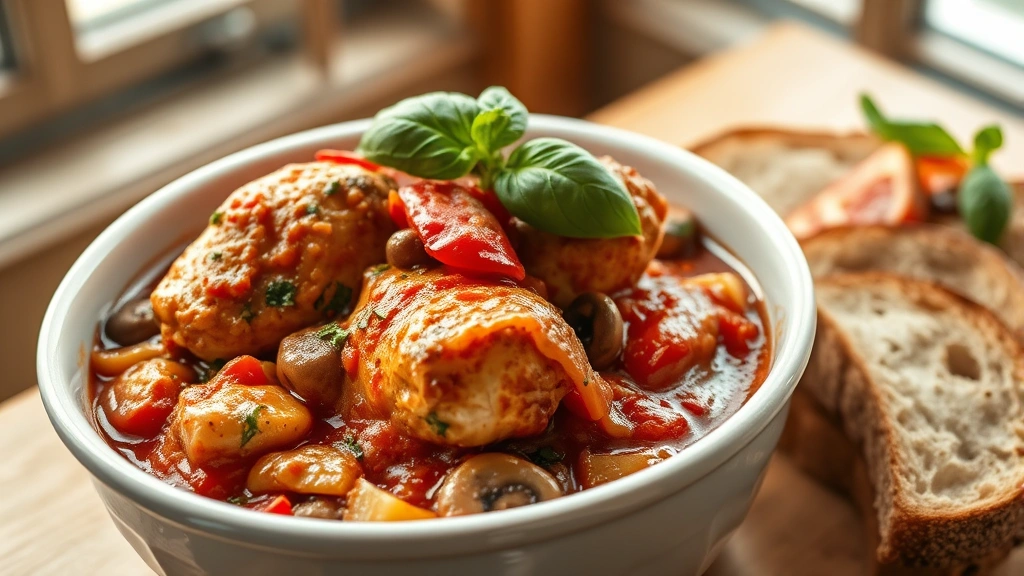
Chicken cacciatore is one of those classic Italian-American dishes that feels fancy enough for dinner guests but is surprisingly simple to prepare at home. The name comes from the Italian word ‘caccia,’ meaning hunt, and this rustic braise was traditionally made with game birds. Today, we use tender chicken that becomes fall-apart delicious when simmered in a rich tomato sauce with bell peppers, onions, and mushrooms.
What I absolutely love about this dish is how forgiving it is. Whether you’re using bone-in chicken thighs, breasts, or a combination, the long, gentle cooking transforms everything into pure comfort. The sauce develops incredible depth as the chicken releases its juices and the vegetables soften into the background, creating this silky, deeply flavored base that’s perfect spooned over pasta, polenta, or crusty bread.
This recipe strikes that perfect balance between restaurant-quality results and weeknight achievability. You’ll sear the chicken to develop a golden crust, then build your sauce right in the same pot with aromatic vegetables, garlic, tomatoes, and a splash of white wine. The whole process takes about an hour from start to finish, making it ideal for a special dinner that doesn’t require hours of advance planning.
I’ve included tips for making this ahead (it actually tastes better the next day!), suggestions for serving, and variations you can try once you’ve mastered the classic version. This is the kind of dish that gets better every time you make it, as you develop your own preferences for sauce consistency, vegetable ratios, and seasoning. Serve it family-style for maximum coziness, and don’t forget that crusty bread for soaking up every last drop of that incredible sauce.
For more Italian-inspired chicken dishes, check out our Quick Tasty Bacon Carbonara Recipe or explore complementary sides like Best Chickpea Salad Recipe. You might also love our Easy Pickled Red Onion Recipe for adding brightness to your plate. If you’re interested in other cream-based Italian classics, our Best Heavy Cream Alfredo Sauce Recipe is a must-try.
For additional inspiration and technique tips, check out Bon Appétit’s Chicken Cacciatore, Serious Eats’ comprehensive guide, and New York Times Cooking’s version for different approaches to this beloved classic.
Ingredients
- 3-4 pounds bone-in, skin-on chicken pieces (thighs and drumsticks preferred, or a mix of thighs and breasts)
- 2 teaspoons kosher salt, plus more to taste
- 1 teaspoon freshly ground black pepper
- 2 tablespoons all-purpose flour
- 3 tablespoons olive oil, divided
- 1 large yellow onion, sliced into thick rings
- 1 red bell pepper, cut into 1-inch pieces
- 1 yellow or orange bell pepper, cut into 1-inch pieces
- 8 ounces cremini or button mushrooms, halved or quartered
- 4 cloves garlic, minced
- 1 can (28 ounces) crushed San Marzano tomatoes
- 1/2 cup dry white wine (such as Pinot Grigio or Sauvignon Blanc)
- 1/2 cup low-sodium chicken broth
- 2 tablespoons tomato paste
- 1 teaspoon dried Italian seasoning
- 1/2 teaspoon dried oregano
- 1/4 teaspoon red pepper flakes, optional
- 2 bay leaves
- 1/4 cup fresh basil, chopped (or 2 tablespoons if using dried)
- 2 tablespoons fresh parsley, chopped
- Juice of 1/2 lemon
- Salt and pepper to taste for final seasoning
- Grated Parmesan cheese for serving
- Crusty bread or cooked pasta for serving
Instructions
- Pat the chicken pieces completely dry with paper towels. This is crucial for developing a proper golden sear. Season all chicken pieces generously on both sides with the 2 teaspoons kosher salt and 1 teaspoon black pepper.
- Place the flour on a shallow plate or in a small bowl. Lightly dredge each chicken piece in the flour, shaking off any excess. The flour will help create a golden crust and will also thicken the sauce as it cooks.
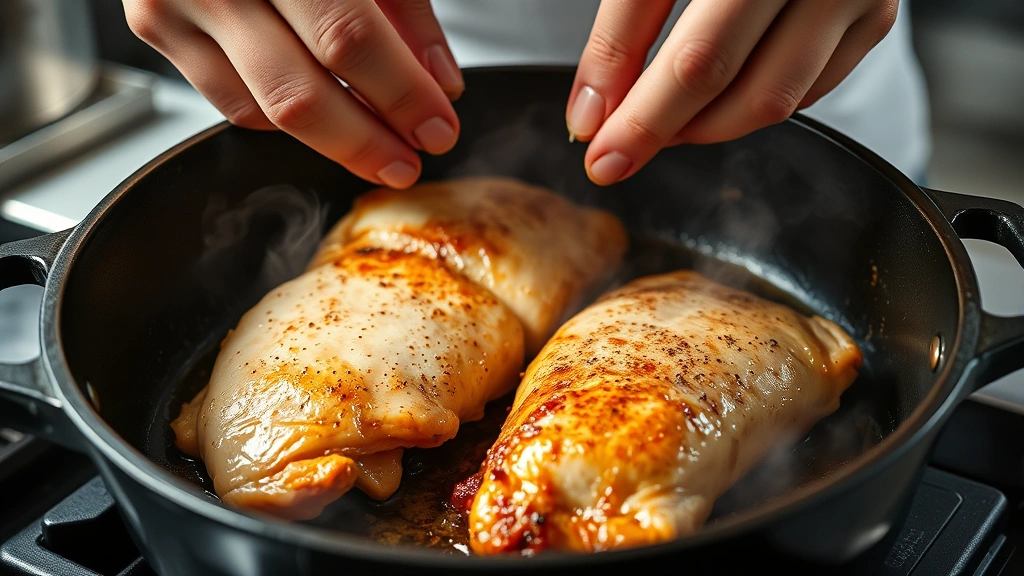
- Heat 2 tablespoons of olive oil in a large Dutch oven or heavy-bottomed pot over medium-high heat. When the oil is shimmering and just beginning to smoke, carefully add the chicken pieces, skin-side down, working in batches if necessary to avoid overcrowding.
- Sear the chicken for 4-5 minutes on the skin side without moving it, allowing a deep golden-brown crust to develop. This step adds incredible flavor through the Maillard reaction. Flip the chicken and sear the other side for another 3-4 minutes until golden brown. Transfer the seared chicken to a plate and set aside.
- Add the remaining 1 tablespoon of olive oil to the pot. Add the sliced onion and cook, stirring occasionally, for about 3-4 minutes until it begins to soften and become translucent. Add the red and yellow bell peppers, cooking for another 2-3 minutes until they start to become tender.
- Add the mushrooms to the pot and cook for 3-4 minutes, stirring occasionally, until they release their moisture and begin to brown. Add the minced garlic and cook for about 1 minute, stirring constantly, until fragrant. Be careful not to let the garlic burn.
- Stir in the tomato paste and cook for about 1-2 minutes, stirring constantly. This will caramelize the tomato paste slightly and deepen its flavor. The paste should become darker and more concentrated in the pot.
- Pour in the white wine, using a wooden spoon to scrape up any browned bits stuck to the bottom of the pot (this is called deglazing). These flavorful bits are liquid gold and will add incredible depth to your sauce. Let the wine reduce slightly for about 2 minutes.
- Add the crushed tomatoes, chicken broth, dried Italian seasoning, oregano, red pepper flakes if using, and bay leaves. Stir well to combine all ingredients. The sauce should be well mixed and consistent.
- Return the seared chicken pieces to the pot, nestling them among the vegetables and sauce. The chicken should be mostly submerged in the sauce. Bring the sauce to a gentle simmer, then reduce the heat to medium-low.
- Cover the pot with a lid and simmer gently for 25-30 minutes, or until the chicken is cooked through completely. The internal temperature should reach 165°F when measured with a meat thermometer in the thickest part of the thigh without touching bone.
- Remove the pot from the heat and stir in the fresh basil, fresh parsley, and lemon juice. Taste the sauce carefully and adjust the seasoning as needed with additional salt and pepper. The lemon juice brightens all the flavors beautifully.
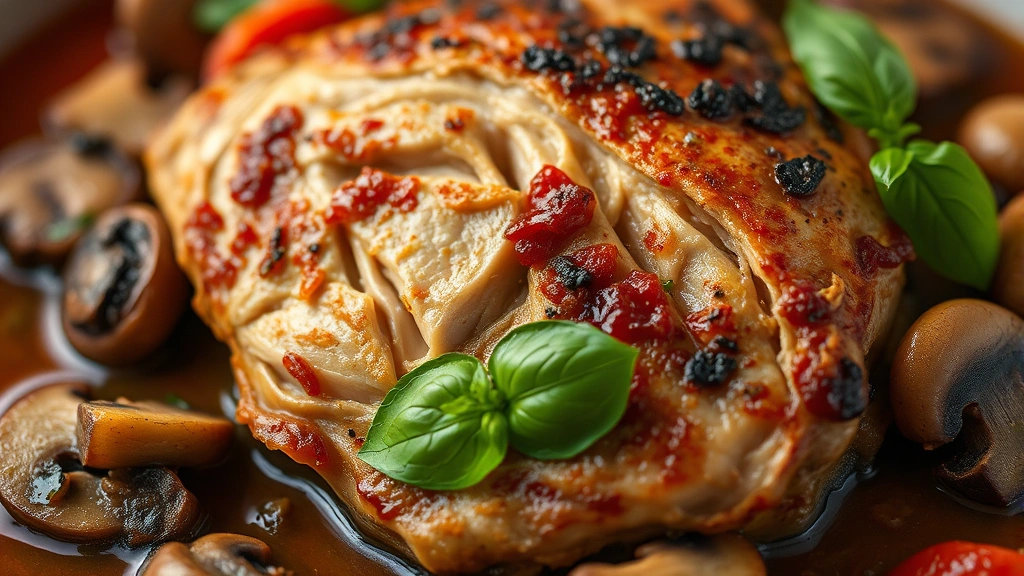
- Remove and discard the bay leaves. Serve the chicken cacciatore hot, ladled with plenty of sauce and vegetables, garnished with additional fresh basil and parsley, a sprinkle of Parmesan cheese, and crusty bread or over your favorite pasta.
Pro Tips
Chicken Selection Matters: Bone-in, skin-on chicken thighs are the ideal choice for this recipe because they stay incredibly moist and flavorful during the long braise. If you prefer using chicken breasts, you can substitute them, but reduce the simmering time to 15-20 minutes to prevent them from drying out. Mixing thighs and breasts works well too.
Wine Selection: Choose a dry white wine you would actually drink, as the quality will affect the final flavor. Avoid anything labeled ‘cooking wine’ as these often contain added salt. Good options include Pinot Grigio, Sauvignon Blanc, or Unoaked Chardonnay.
Vegetable Variations: Feel free to customize the vegetables based on what you have on hand or prefer. Zucchini, eggplant, celery, or artichoke hearts all work beautifully. Olives are a traditional addition too. Add heartier vegetables earlier in the cooking process and tender ones toward the end.
Serving Suggestions: Serve over fresh pasta like fettuccine or pappardelle, creamy polenta, or with crusty bread for soaking up the sauce. A simple green salad or the pickled red onions make excellent accompaniments to cut through the richness.
Seasoning Tips: Always taste your sauce before serving and adjust seasoning as needed. Everyone’s salt preference is different, and the intensity of tomato cans varies. Start conservatively and add more gradually.
Fresh vs Dried Herbs: Fresh basil and parsley added at the end brighten the dish considerably. If you must use dried herbs, use half the amount and add them earlier in the cooking process so they have time to rehydrate and develop flavor.
Thickening the Sauce: If your finished sauce seems too thin, mix 1 tablespoon of cornstarch with 2 tablespoons of cold water to create a slurry, then stir it into the simmering sauce. Cook for another minute or two until thickened.
Lowering the Fat: You can skim off excess fat from the surface of the finished dish by carefully dragging a paper towel across the top, or refrigerate it overnight and lift the solidified fat off the cold sauce.
Vegetarian Adaptation: This dish works beautifully with hearty vegetables like cauliflower, eggplant, and mushrooms instead of chicken, though you may want to add some white beans or chickpeas for additional protein and substance.