
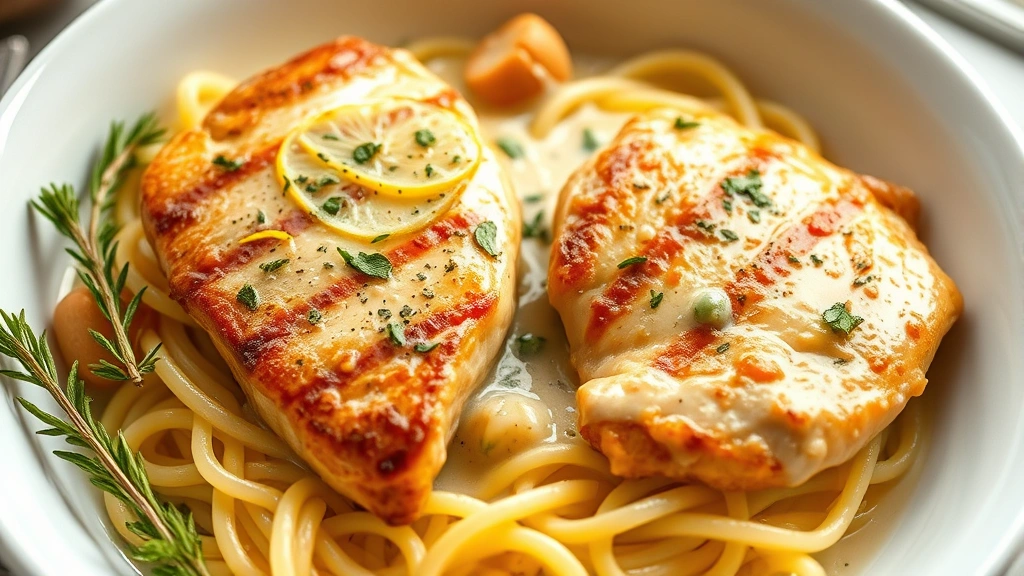
There’s nothing quite like the comfort of a perfectly made chicken with stock – it’s the kind of dish that feels fancy enough for company yet simple enough for a weeknight dinner. This recipe has been perfected over years of cooking, and I’m thrilled to finally share it with you!
The secret to making the BEST chicken with stock lies in a few key techniques: starting with quality chicken, building a flavorful base, and allowing the stock to work its magic. When you combine tender chicken breasts or thighs with a rich, homemade or quality store-bought stock, you create something truly magical that tastes like you spent hours in the kitchen.
What I absolutely love about this dish is its versatility. You can serve it over creamy pasta, alongside roasted vegetables, or with crusty bread to soak up every last drop of that incredible sauce. The beauty of cooking chicken this way is that it stays incredibly moist and flavorful – no dry, disappointing chicken here!
This chicken with stock recipe is also perfect for meal prep. Make it once and enjoy it throughout the week in different ways. One day it’s elegant enough for dinner guests, the next day it becomes a simple lunch with some greens. I’ve also found that this pairs beautifully with pickled red onions for a pop of brightness and tang.
The technique I’m sharing today is something I learned from years of kitchen experiments and inspiration from professional chefs. It’s all about respecting the ingredients and giving them time to develop complex flavors. The result is a dish that tastes restaurant-quality but is surprisingly achievable at home.
For more inspiration on creamy sauces, check out this incredible alfredo sauce recipe, which uses similar techniques. And if you’re looking to round out your meal, this bacon carbonara would make an amazing side or even a starter course.
What makes this recipe special is the combination of technique and quality ingredients. We’re not rushing the process – we’re building layers of flavor that come together into something absolutely delicious. Whether you’re cooking for two or entertaining a crowd, this chicken with stock recipe will become a go-to favorite. The best part? Your kitchen will smell absolutely amazing while it cooks!
Check out this helpful guide on poaching chicken techniques for additional methods, and this braised chicken inspiration from Bon Appétit. For even more depth, this New York Times chicken in wine sauce offers another approach to stock-based cooking.
Ingredients
- 4 boneless, skinless chicken breasts (about 6-8 oz each), or 8 chicken thighs
- 3 tablespoons butter, divided
- 3 tablespoons olive oil, divided
- 1 medium yellow onion, diced
- 4 cloves garlic, minced
- 3 cups chicken stock (preferably homemade or high-quality)
- 1 cup heavy cream or half-and-half
- 2 tablespoons fresh thyme leaves (or 1 teaspoon dried)
- 2 bay leaves
- 1 teaspoon Dijon mustard
- Salt and freshly ground black pepper to taste
- 2 tablespoons fresh lemon juice
- 1 tablespoon cornstarch (optional, for thickening)
- 2 tablespoons fresh parsley, chopped for garnish
- Zest of 1 lemon for garnish
Instructions
- Pat your chicken breasts dry with paper towels and season generously on both sides with salt and pepper. This step is crucial for developing a golden crust.
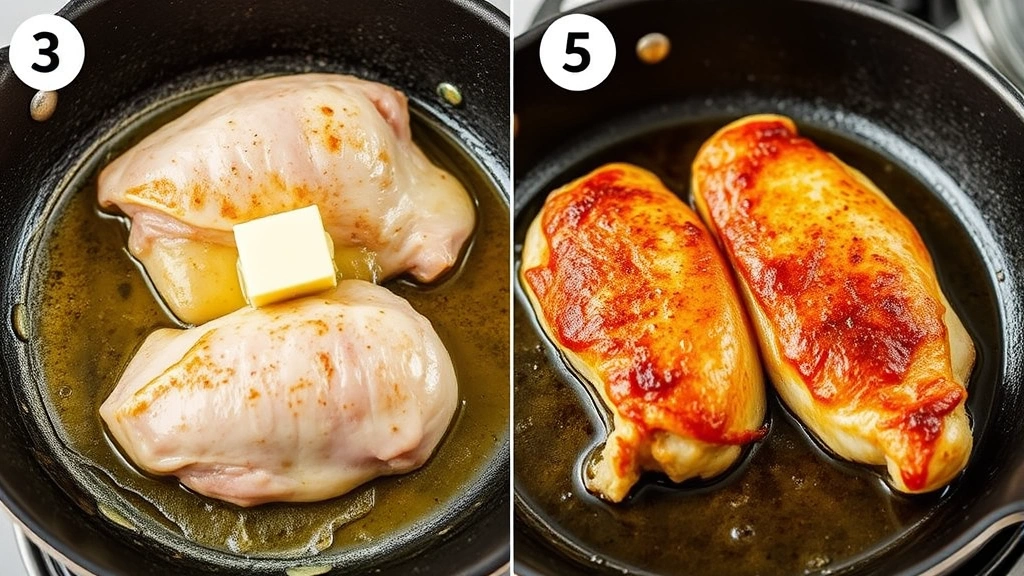
- Heat 1.5 tablespoons of butter and 1.5 tablespoons of olive oil in a large, heavy-bottomed skillet over medium-high heat until the butter is foaming and the oil shimmers.
- Working in batches if necessary to avoid overcrowding, sear the chicken for 4-5 minutes per side until golden brown. The chicken doesn’t need to be cooked through at this point. Transfer the cooked chicken to a clean plate.
- In the same skillet, reduce the heat to medium and add the remaining 1.5 tablespoons of butter and 1.5 tablespoons of oil.
- Add the diced onion to the pan and sauté for 3-4 minutes, stirring occasionally, until it becomes translucent and begins to soften.
- Add the minced garlic and cook for another 1-2 minutes, stirring constantly, until fragrant. Be careful not to burn the garlic as it will turn bitter.
- Pour in the chicken stock, scraping the bottom of the pan with a wooden spoon to release all those flavorful browned bits – this is called deglazing and is essential for building flavor.
- Add the bay leaves and fresh thyme leaves to the stock, stirring to combine.
- Return the seared chicken to the skillet, nestling it into the stock so it’s mostly submerged. The liquid should come about halfway up the sides of the chicken.
- Bring the mixture to a gentle simmer, then reduce the heat to medium-low. Cover the skillet partially with a lid or cover and simmer for 15-20 minutes until the chicken is cooked through and reaches an internal temperature of 165°F.
- Remove the chicken from the skillet and place on a clean cutting board. Tent loosely with foil to keep warm while you finish the sauce.
- Increase the heat to medium and stir in the Dijon mustard and lemon juice, incorporating them fully into the stock.
- Pour in the heavy cream, stirring constantly to combine. If you prefer a thicker sauce, mix the cornstarch with 2 tablespoons of cold water and slowly whisk it into the sauce until you reach your desired consistency.
- Simmer the sauce for another 3-4 minutes, stirring frequently, until it reaches a silky consistency. Taste and adjust seasonings with salt and pepper as needed.
- Remove the bay leaves from the sauce before serving.
- Slice the chicken breasts on the bias if desired, then return them to the skillet with the sauce to warm through for 1 minute.
- Divide the chicken and sauce among serving plates, garnish with fresh parsley and lemon zest, and serve immediately over pasta, rice, or with crusty bread.

Pro Tips
Chicken thighs are actually wonderful in this recipe and stay even more moist than breasts. They take about the same cooking time and provide richer flavor. Don’t shy away from using them!
The searing step is not optional – it creates a flavorful crust that adds depth to the entire dish. Don’t skip this, even if you’re in a hurry.
Fresh herbs make a significant difference. While dried thyme works in a pinch, fresh thyme adds a brightness that dried simply cannot match.
This dish reheats beautifully. Store in an airtight container in the refrigerator for up to 4 days. Reheat gently on the stovetop over low heat, adding a splash of stock or cream if the sauce has thickened too much.
For a lighter version, substitute the heavy cream with half-and-half or even Greek yogurt added at the very end (don’t let it boil or it may curdle).
Make-ahead tip: You can prepare this dish up to the point of adding the cream, let it cool completely, refrigerate overnight, then finish the sauce the next day. This actually improves the flavor as it gives the spices more time to meld.
Serving suggestions: This is spectacular over buttered egg noodles, creamy polenta, or mashed potatoes. A simple green salad with the pickled red onions mentioned above makes an excellent accompaniment.
Wine pairing: A crisp white wine like Sauvignon Blanc or a light Pinot Grigio complements this beautifully both in the glass and as a cooking ingredient if you want to substitute some of the stock.