
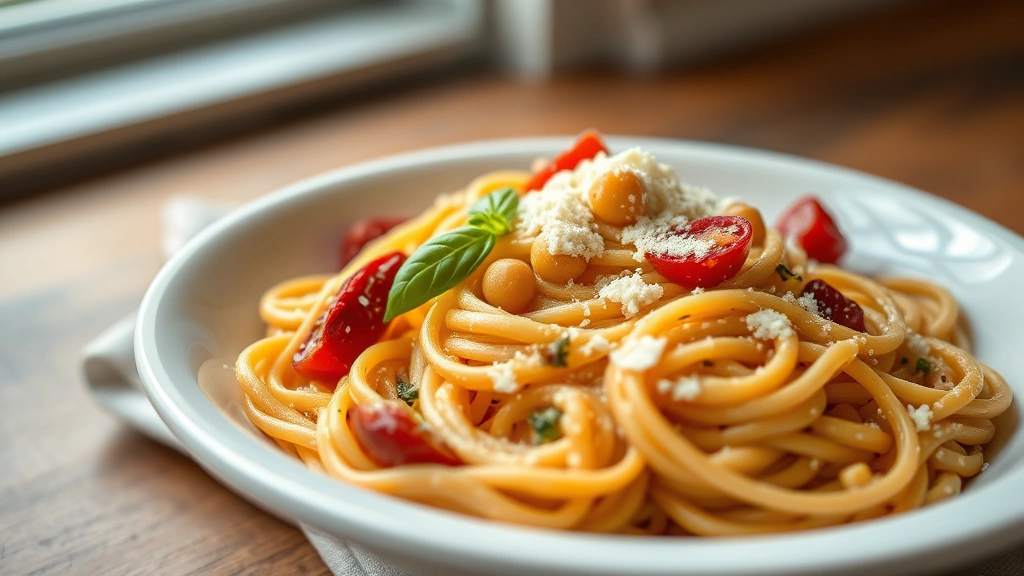
There’s something truly magical about chickpea pasta that transforms a simple weeknight dinner into something restaurant-worthy. This isn’t just any pasta recipe—it’s a celebration of protein-packed legumes that’ll make you forget all about traditional wheat varieties. Chickpea pasta brings a nutty depth and satisfying texture that pairs beautifully with bold sauces and fresh ingredients.
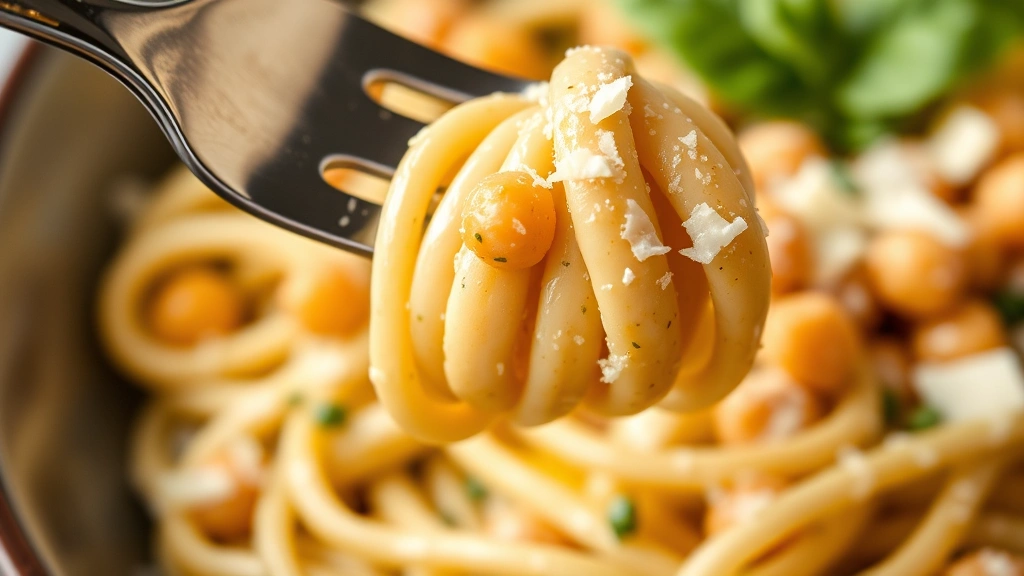
What makes this chickpea pasta recipe so special is its versatility and nutritional powerhouse status. Whether you’re following a plant-based lifestyle, looking to boost your protein intake, or simply exploring new pasta options, chickpea pasta delivers on every front. The legume-based noodles hold sauce exceptionally well, creating a coating that clings beautifully to each strand. Unlike some specialty pastas that can feel gritty or dense, quality chickpea pasta boasts a tender bite and pleasant mouthfeel that rivals traditional durum wheat.
I’ve tested countless variations and flavor combinations to bring you this definitive guide to making the best chickpea pasta at home. This recipe combines perfectly al dente pasta with a silky, herbaceous sauce that celebrates the chickpea’s subtle earthiness. We’re talking garlic, fresh basil, sun-dried tomatoes, and a touch of cream for richness. The result is a dish that’s both comforting and elegant—exactly what we want when cooking for ourselves or impressing dinner guests.
The beauty of chickpea pasta recipes lies in their adaptability. You can dress it up with roasted vegetables, keep it simple with olive oil and herbs, or create a hearty meat-based sauce. Today’s version strikes the perfect balance between indulgent and wholesome, and I promise it’ll become a regular rotation in your meal planning. Pair it with a crisp white wine, a simple green salad dressed with lemon vinaigrette, and you’ve got dinner that feels special without requiring hours in the kitchen.
Let me walk you through every step of creating this phenomenal dish. From selecting quality pasta to building layers of flavor in the sauce, we’ll ensure your chickpea pasta experience is nothing short of spectacular. This recipe serves four generously, though the sauce doubles beautifully if you’re feeding a crowd or want leftovers for lunch tomorrow.
Before we dive into the recipe itself, let’s talk about why chickpea pasta deserves a permanent place in your pantry. Quality ingredients make quality dishes, and chickpea pasta is no exception. Look for brands that list chickpea flour as the primary ingredient with minimal additives. The pasta should have a golden hue and feel substantial in your hand.
This recipe comes together in about 30 minutes, making it perfect for busy weeknights when you want something that tastes like you spent hours cooking. The sauce builds flavor gradually as garlic blooms in olive oil, aromatics meld together, and everything comes together in a cohesive, delicious whole. You’ll find yourself making this again and again, experimenting with different add-ins and variations to keep things interesting.
For additional inspiration on plant-based proteins, check out creative cooking techniques that help you maximize flavor. Whether you’re new to chickpea pasta or a seasoned enthusiast, this recipe offers the foundation for endless delicious possibilities.
The technique matters just as much as the ingredients when cooking pasta. We’ll boil the chickpea pasta in well-salted water—this is your only opportunity to season the pasta itself, so don’t skip this step. While the pasta cooks, we’ll build our sauce simultaneously, ensuring both components finish at exactly the right moment for perfect integration and flavor development.
If you’re looking for more wholesome dinner ideas, exploring different cooking methods opens up endless possibilities for your weeknight rotation. This chickpea pasta recipe is just the beginning of your legume-based pasta journey.
One insider tip: reserve a full cup of pasta water before draining. This starchy liquid is liquid gold for pasta sauce—it emulsifies beautifully with oil and helps the sauce coat every strand evenly. Many home cooks skip this step, but it’s the difference between a good dish and an exceptional one. The starch acts as a natural thickening agent and helps everything come together in a silky, restaurant-quality finish.
For more nutritional information and cooking tips, Bon Appétit’s pasta collection offers endless inspiration. Similarly, Serious Eats provides detailed pasta guides that deepen your understanding of how different pastas behave and cook.
The garnish might seem like an afterthought, but fresh basil, quality Parmesan, and a drizzle of excellent olive oil transform this from simple to spectacular. These finishing touches add brightness, richness, and textural contrast that elevate the entire dish. Don’t rush past them—they’re essential to the complete experience.
When you make this chickpea pasta recipe, you’re not just cooking dinner; you’re creating a meal that nourishes your body and delights your palate. The combination of protein-rich chickpea pasta with complementary flavors creates something greater than the sum of its parts. This is home cooking at its finest—straightforward, honest, and absolutely delicious.
For more pasta inspiration, wholesome ingredient exploration helps you build a well-rounded cooking repertoire. And if you want post-dinner refreshment ideas, nutritious smoothie recipes complement a plant-forward meal beautifully.
Now, let’s get cooking and create something truly memorable. Your taste buds are in for a real treat with this best chickpea pasta recipe that delivers impressive results every single time.
Ingredients
- 1 pound chickpea pasta (or legume-based pasta of choice)
- 6 cloves garlic, minced
- 1/4 cup sun-dried tomatoes, chopped
- 1/2 cup heavy cream or full-fat coconut milk
- 3/4 cup vegetable or chicken broth
- 1/3 cup fresh basil leaves, divided
- 1/4 cup extra-virgin olive oil
- 1/2 cup grated Parmesan cheese
- 1 lemon (juice and zest)
- 1 teaspoon Dijon mustard
- Salt and freshly ground black pepper to taste
- Red pepper flakes (optional, for subtle heat)
- Pasta water (reserved from cooking)
- Fresh basil for garnish
- Additional Parmesan for finishing
Instructions
- Bring a large pot of generously salted water to a rolling boil. The water should taste like the sea—this is your only opportunity to season the pasta itself.
- Add chickpea pasta to boiling water and cook according to package directions, usually 8-10 minutes. Before draining, reserve 1 full cup of starchy pasta water in a separate container.
- While pasta cooks, heat olive oil in a large skillet over medium heat until shimmering and fragrant, about 1 minute.
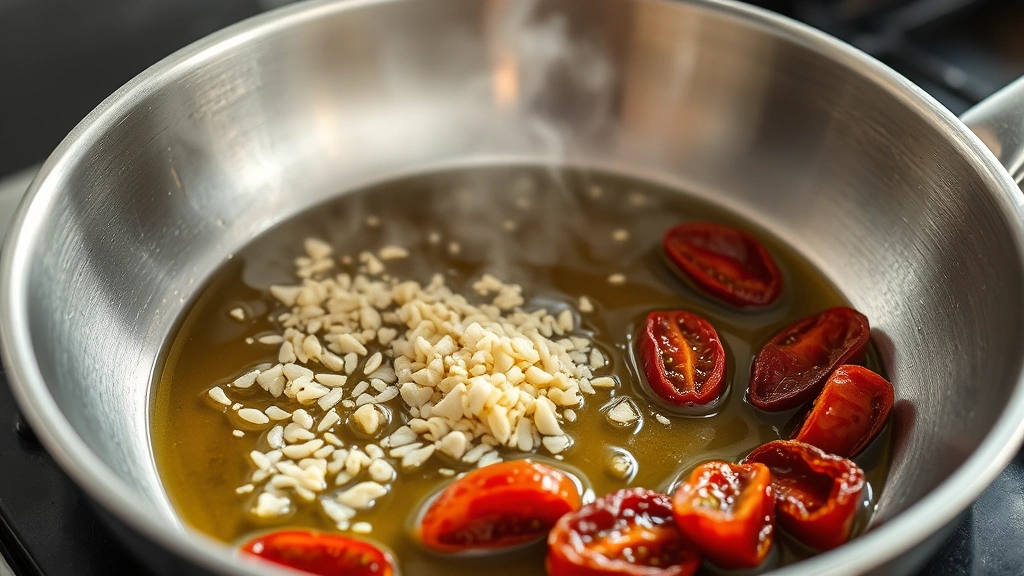
- Add minced garlic to the warm oil and stir constantly for 30-45 seconds until fragrant. Be careful not to let garlic brown, as this creates bitterness.
- Stir in chopped sun-dried tomatoes and cook for 2-3 minutes, allowing their concentrated flavors to bloom and infuse the oil.
- Whisk in Dijon mustard, stirring until it fully incorporates and forms a smooth paste with the oil.
- Pour vegetable broth into the skillet and bring to a gentle simmer. Let it bubble for 2-3 minutes to reduce slightly and concentrate flavors.
- Reduce heat to low and stir in heavy cream, combining gently until the sauce becomes smooth and silky. Do not allow it to boil.
- Add half of the fresh basil leaves to the sauce, tearing them gently with your hands to release their aromatic oils. Stir to combine.
- Add lemon juice and zest to the sauce, stirring until fully incorporated. Taste and adjust seasoning with salt, pepper, and additional lemon juice as needed.
- Drain the cooked chickpea pasta and add it directly to the skillet with the sauce.
- Toss pasta with sauce, gradually adding reserved pasta water a splash at a time (you may not need all of it) until the sauce coats each strand evenly and has a silky consistency.
- Remove from heat and stir in grated Parmesan cheese until melted and fully incorporated into the creamy sauce.
- Divide pasta among four serving bowls, ensuring each portion gets plenty of sauce.
- Garnish each bowl with remaining fresh basil, additional Parmesan cheese, a drizzle of excellent olive oil, and optional red pepper flakes.
- Serve immediately while the pasta is hot and the sauce is silky and luxurious.
Pro Tips
Cream Alternatives: If you prefer a lighter version or have dietary restrictions, substitute heavy cream with full-fat coconut milk, cashew cream, or even a combination of pasta water with a tablespoon of cornstarch slurry. The sauce will be slightly thinner but equally delicious.
Sun-Dried Tomato Selection: Choose oil-packed sun-dried tomatoes for maximum flavor, or use dry ones rehydrated in warm water for 10 minutes. Either option works beautifully, though oil-packed versions reduce prep time.
Basil Timing: Add basil in two stages—half during cooking to infuse the sauce with flavor, and the remainder as a fresh garnish to brighten the finished dish and provide aromatic freshness.
Parmesan Quality: Invest in block Parmesan and grate it fresh for superior flavor and texture. Pre-grated versions contain anti-caking agents that prevent proper melting and integration into the sauce.
Lemon Balance: Lemon is crucial for cutting through the richness of cream and complementing the earthiness of chickpea pasta. Taste as you go and add more zest or juice if needed—acidity should brighten the dish without overwhelming other flavors.
Make-Ahead Instructions: Prepare the sauce ahead of time and refrigerate for up to 2 days. Reheat gently over low heat, thinning with pasta water or broth as needed. Cook pasta fresh just before serving for best texture and flavor.
Leftover Storage: Refrigerate leftovers in an airtight container for up to 3 days. The sauce will thicken as it cools, so add a splash of broth or pasta water when reheating. Note that chickpea pasta holds moisture differently than wheat pasta, making it excellent for leftovers.
Flavor Variations: Add roasted vegetables like zucchini, bell peppers, or mushrooms. Include fresh spinach or arugula, stirring it in at the end to wilt slightly. A handful of toasted pine nuts or walnuts adds textural contrast and richness.
Protein Boosters: While chickpea pasta is already protein-rich, add grilled chicken, shrimp, or white beans for additional substance. These additions complement the sauce beautifully and make the dish more filling.
Wine Pairing: Serve with a crisp Sauvignon Blanc, Pinot Grigio, or light Chardonnay. The acidity and citrus notes complement both the pasta and sauce magnificently.
Seasoning Note: Taste the dish at multiple stages—after building the sauce, after combining with pasta, and just before serving. This ensures perfectly balanced seasoning throughout.