
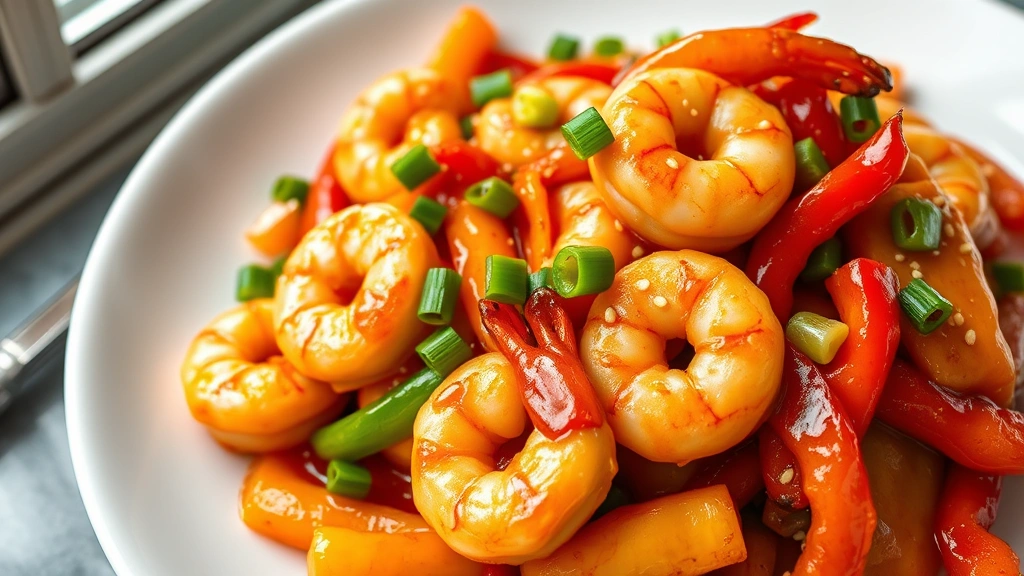
There’s something absolutely magical about restaurant-quality Chinese shrimp that you can recreate right in your own kitchen! This best Chinese shrimp recipe is quick, easy, and packed with authentic flavors that’ll have everyone asking for seconds. Whether you’re a seasoned home cook or just starting your culinary journey, this dish is incredibly forgiving and comes together in about 20 minutes.
I absolutely love making this recipe on busy weeknights because it’s faster than takeout and tastes even better. The secret is in the sauce – a beautiful balance of savory soy, ginger, garlic, and just a hint of sweetness that coats each succulent shrimp perfectly. You can customize the heat level, add your favorite vegetables, and make it exactly how you like it.
What makes this Chinese shrimp recipe truly special is how it teaches you fundamental techniques that apply to so many other dishes. Once you master this, you’ll find yourself making variations constantly. The shrimp stays tender and juicy, the sauce clings beautifully, and the whole dish comes together with minimal effort.
This recipe pairs wonderfully with steamed rice or noodles, and I often serve it alongside pickled red onions for brightness and crunch. You could also create a complete meal by adding this to a fresh salad for a lighter option.
For more Asian-inspired cooking techniques, I recommend checking out Serious Eats’ Asian cooking guide and Bon Appétit’s shrimp collection for additional inspiration. The New York Times also has some fantastic pieces on shrimp preparation techniques that really elevate your cooking.
I’ve tested this recipe dozens of times, adjusting variables to ensure it’s foolproof and delivers consistently delicious results every single time. The timing is crucial – shrimp cooks so quickly that you need to stay present in the kitchen, but that’s part of the fun!
One more thing: don’t skip the cornstarch slurry. It creates that silky, restaurant-style sauce that makes this dish absolutely irresistible. Trust me on this one – it’s the difference between good shrimp and absolutely incredible shrimp.
Ingredients
- 1.5 pounds large shrimp, peeled and deveined
- 3 tablespoons soy sauce
- 2 tablespoons oyster sauce
- 1 tablespoon rice vinegar
- 1 teaspoon sesame oil
- 1 tablespoon honey or brown sugar
- 2 cloves garlic, minced
- 1 tablespoon fresh ginger, minced
- 1/4 teaspoon red pepper flakes (optional)
- 2 tablespoons cornstarch mixed with 3 tablespoons water (slurry)
- 3 tablespoons vegetable oil
- 1 cup diced bell peppers (red and/or yellow)
- 1 cup snap peas or broccoli florets
- 3 green onions, chopped (divided)
- 1 teaspoon white pepper
- Salt to taste
- 2 tablespoons sliced almonds or sesame seeds (optional garnish)
- 1/2 cup low-sodium chicken broth
Instructions
- Pat the shrimp dry with paper towels – this is essential for getting a nice sear and preventing them from steaming. Season lightly with salt and white pepper on both sides.
- In a small bowl, whisk together soy sauce, oyster sauce, rice vinegar, sesame oil, honey, and chicken broth. Set this sauce mixture aside.
- In another small bowl, stir together the cornstarch and water until completely smooth with no lumps. This will be your thickening agent for the sauce.
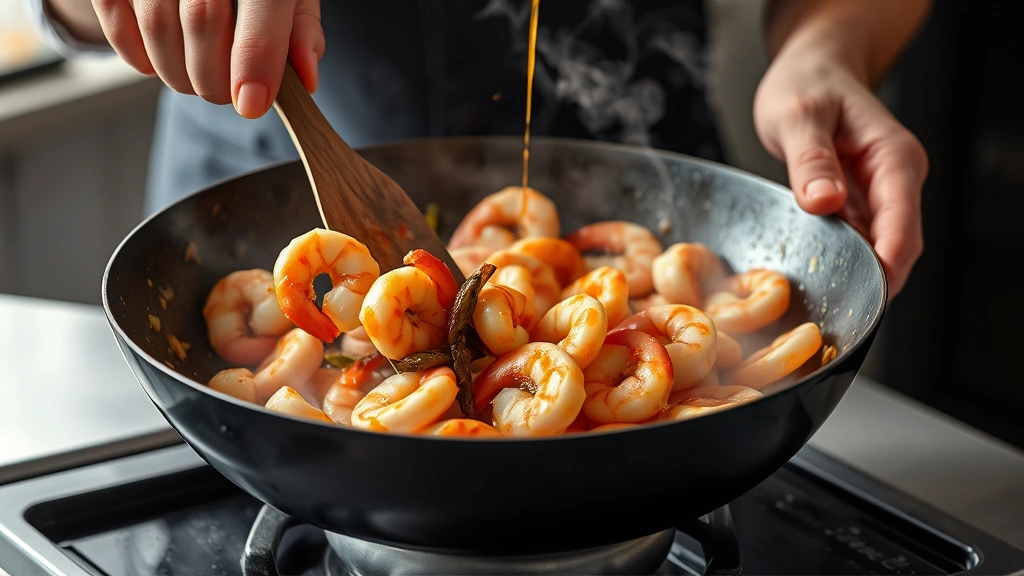
- Heat 1.5 tablespoons of vegetable oil in a large skillet or wok over medium-high heat until shimmering and just smoking.
- Working in batches to avoid overcrowding the pan, add half the shrimp to the hot oil and cook for about 1.5 to 2 minutes per side until they turn pink and opaque. Transfer to a clean plate and repeat with remaining oil and shrimp.
- In the same skillet, reduce heat to medium and add the minced garlic and ginger. Stir constantly for about 30 seconds until fragrant – be careful not to burn the aromatics.
- Add the diced bell peppers and snap peas to the skillet, stirring constantly for 2 to 3 minutes until they’re tender-crisp.
- Pour the reserved sauce mixture into the skillet and bring to a gentle simmer, stirring occasionally.
- Give the cornstarch slurry a quick stir to recombine, then slowly pour it into the simmering sauce while stirring constantly. This prevents lumps from forming.
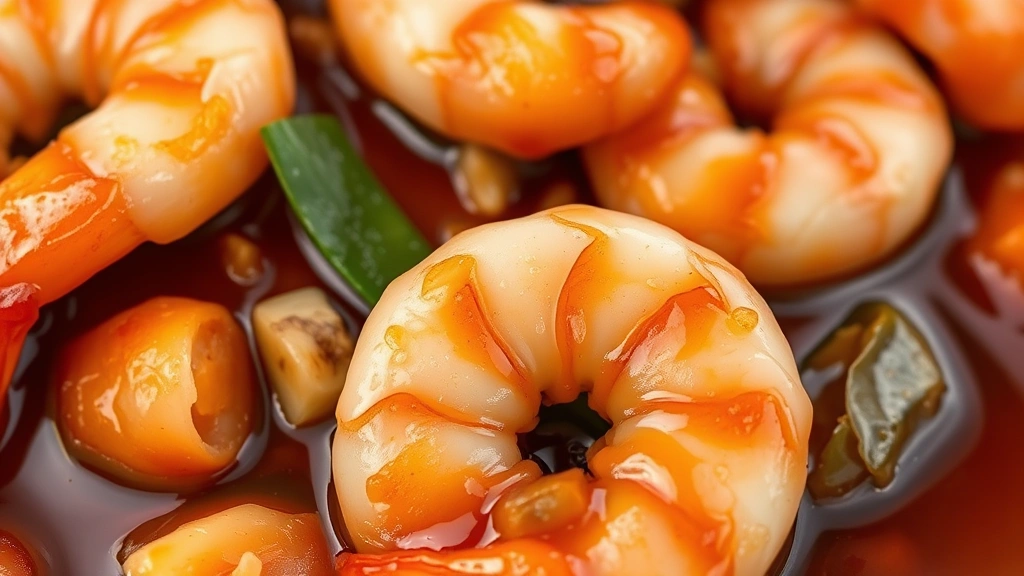
- Continue stirring for 1 to 2 minutes until the sauce thickens and becomes glossy and transparent.
- Return all the cooked shrimp to the skillet, add the red pepper flakes if using, and stir gently to coat everything evenly with the sauce. Cook for another 1 to 2 minutes until the shrimp is heated through.
- Remove from heat and stir in most of the chopped green onions, reserving some for garnish.
- Taste and adjust seasonings with salt, white pepper, or soy sauce as needed.
- Transfer to a serving platter and garnish with remaining green onions and sesame seeds or almonds if desired. Serve immediately over steamed rice or noodles.
Pro Tips
- Shrimp size matters for even cooking – try to use shrimp that are similarly sized so they cook at the same rate
- Don’t thaw frozen shrimp at room temperature; always thaw in the refrigerator overnight or under cold running water for food safety
- The sauce will continue to thicken slightly as it cools, so don’t make it too thick in the pan
- You can prep all ingredients ahead of time (mise en place) to make this even faster during cooking
- For extra protein, this recipe works beautifully with chicken breast cut into bite-sized pieces – just increase the cooking time to 5-6 minutes per side
- Rice vinegar and regular white vinegar are not the same – rice vinegar is milder and more authentic for this dish
- If you prefer a spicier version, add sriracha or increase red pepper flakes, but add gradually and taste as you go
- This dish is best served immediately while the shrimp is still warm and the sauce is glossy
- Leftover shrimp can be stored in an airtight container in the refrigerator for up to 2 days, though the texture is best fresh
- For a vegetarian version, substitute shrimp with tofu or mushrooms and use vegetable broth instead of chicken broth
- The quality of your soy sauce really impacts the final flavor – invest in a good brand rather than the cheapest option
- Don’t skip the sesame oil – it adds an irreplaceable depth of flavor and authenticity that makes this recipe special