
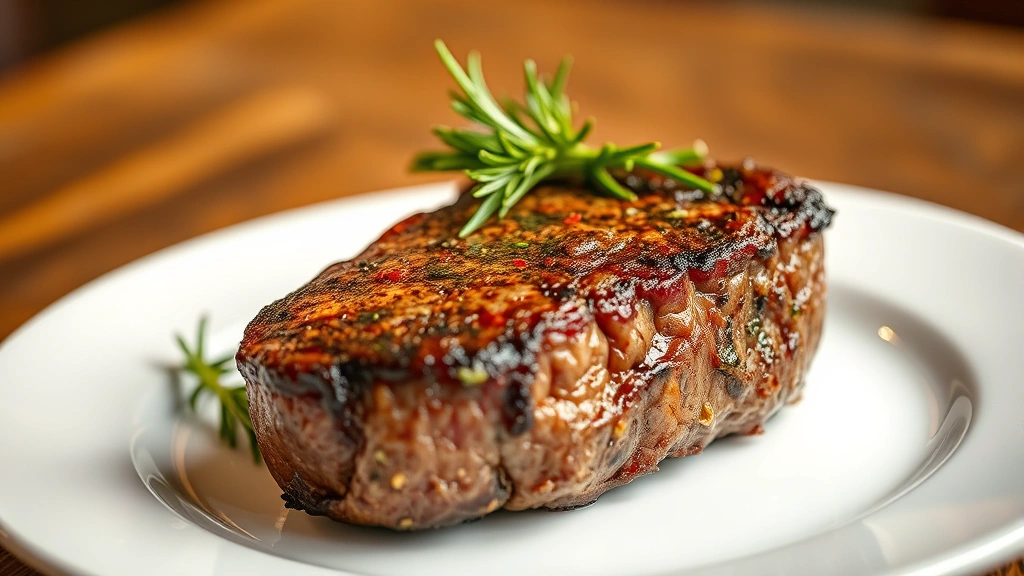
Chuck eye steak is one of my absolute favorite cuts to cook at home – it’s incredibly flavorful, surprisingly tender when prepared correctly, and won’t break the bank. Often called the “poor man’s ribeye,” this cut comes from the chuck section of the cow and has beautiful marbling that renders down beautifully when seared properly.
I absolutely love how versatile chuck eye steak is. You can serve it simply with just salt and pepper, or dress it up with a compound butter or pan sauce. The key to getting restaurant-quality results at home is understanding that this cut needs high heat and a good sear to develop that gorgeous crust while keeping the inside tender and juicy. I’m going to walk you through my foolproof method that I’ve perfected over years of cooking.
What makes chuck eye steak so special is the balance of flavor and affordability. The marbling throughout the meat means it stays incredibly moist during cooking, and those fat deposits create incredible flavor. This is the kind of steak that makes you feel like you’re dining at a steakhouse without the steakhouse price tag. I serve mine with simple sides like roasted potatoes or a fresh chickpea salad to keep things balanced.
The beauty of learning how to cook chuck eye steak properly is that once you master this technique, you’ll be making it constantly. It’s perfect for weeknight dinners when you want something special, or for impressing guests at a dinner party. I love pairing it with a rich heavy cream alfredo sauce for a more indulgent meal, or keeping it simple with shishito peppers on the side for something lighter.
I’ve learned that the secret to restaurant-quality chuck eye steak at home comes down to three things: choosing the right steak, proper seasoning, and mastering the sear. According to Serious Eats’ guide to cooking steak, getting your pan hot enough is absolutely crucial for developing that perfect crust. This is not the time to be shy with your heat! You want that pan screaming hot before the steak hits it.
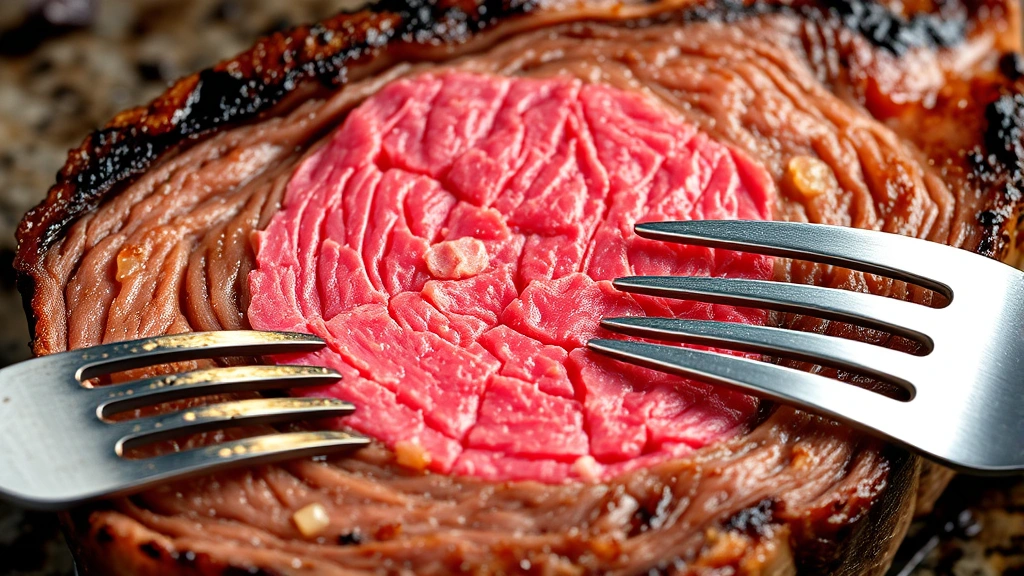
One of my favorite things about chuck eye steak is how forgiving it is compared to more expensive cuts. Because of the marbling, even if you cook it slightly past your target temperature, it will still be delicious and juicy. That said, I always recommend using an instant-read thermometer to ensure perfect doneness. For a beautiful medium-rare, you’re aiming for an internal temperature of 130-135°F.
I also love that chuck eye steak takes beautifully to marinades and rubs. While I’m sharing a simple salt-and-pepper method here, you can absolutely experiment with different flavor profiles. The New York Times cooking guide has some wonderful insights on preparing different cuts of steak that apply beautifully to chuck eye.
Let me also mention that where you source your chuck eye steak matters. I always look for steaks that are at least 1.5 inches thick – this gives you a better window for achieving that perfect crust while keeping the interior perfectly cooked. Thinner steaks tend to cook through too quickly before you get a proper sear. Your butcher can cut these for you, and I highly recommend asking them to do so rather than buying pre-packaged options when possible.
The resting period after cooking is absolutely non-negotiable. This is where so many home cooks go wrong! After you sear your steak to perfection, you need to let it rest for at least 5-10 minutes. This allows the juices to redistribute throughout the meat, ensuring every bite is juicy and tender. If you cut into it immediately, all those delicious juices will run out onto your plate instead of staying in the steak where they belong.
I’m so excited for you to try this recipe because I genuinely believe chuck eye steak is one of the most underrated cuts out there. Once you master this basic preparation, you’ll understand why it’s become such a staple in my kitchen. It’s the perfect weeknight steak that doesn’t require a lot of fussy technique but delivers maximum flavor and satisfaction. Let me know how it turns out for you!
Ingredients
- Two 1.5-inch thick chuck eye steaks (about 12 ounces each)
- Sea salt
- Freshly ground black pepper
- 2 tablespoons unsalted butter
- 4 cloves garlic, smashed
- 3 sprigs fresh rosemary
- 2 sprigs fresh thyme
- 1 tablespoon avocado oil or high-heat vegetable oil
- Optional: fleur de sel for finishing
Instructions
- Remove your chuck eye steaks from the refrigerator 30 minutes before cooking. This is absolutely essential – room temperature steaks cook more evenly and will develop a better crust. Pat them completely dry with paper towels, as any moisture on the surface will prevent proper browning.
- While the steaks are coming to room temperature, preheat your oven to 400°F. This is going to finish cooking your steaks gently after you sear them on the stovetop.
- Season both steaks generously on all sides with sea salt and freshly ground black pepper. Don’t be shy here – the seasoning should be visible on the surface of the meat. Let them sit for about 10 minutes so the salt can begin to penetrate the meat.
- Place a cast-iron skillet or heavy-bottomed stainless steel pan over high heat for 3-4 minutes until it’s absolutely screaming hot. You should be able to hold your hand a few inches above the pan and feel intense heat radiating from it.
- Add the avocado oil to the hot pan – it should shimmer and almost smoke immediately. This is the signal that your pan is ready.
- Carefully place your seasoned steaks into the pan. They should sizzle loudly on contact – this is the sound of a proper sear forming. Do not move them around; let them sit undisturbed for 2-3 minutes to develop a beautiful crust.
- Flip the steaks and sear the other side for another 2-3 minutes until a golden brown crust forms on this side as well.
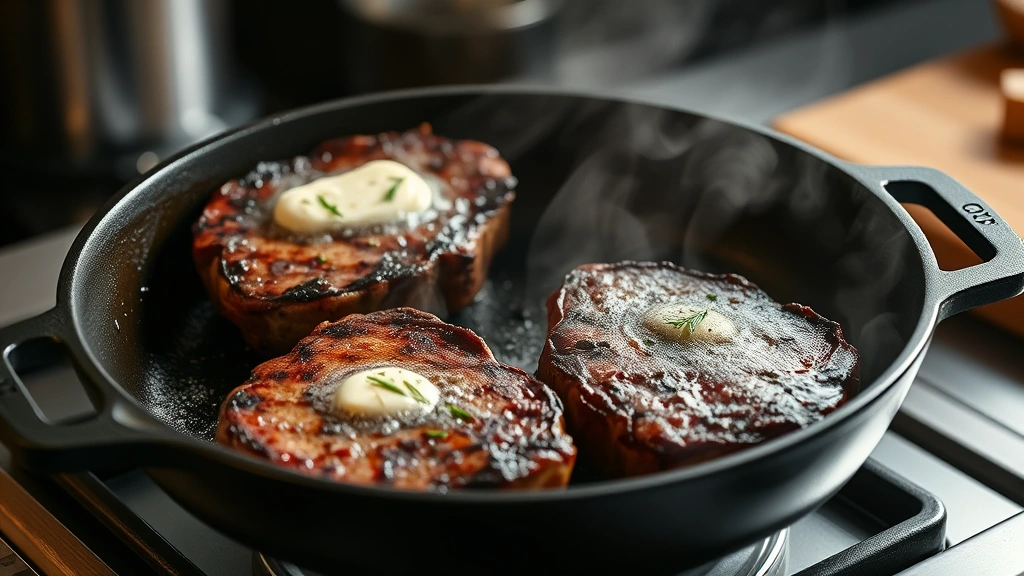
- Reduce the heat to medium and add the butter, smashed garlic cloves, rosemary, and thyme to the pan. Tilt the pan slightly so the butter pools on one side and baste the steaks repeatedly with this foaming butter mixture for about 1 minute.
- Transfer the entire skillet to your preheated 400°F oven and cook for 4-6 minutes, depending on the thickness of your steaks and your preferred doneness. For medium-rare, you’re aiming for an internal temperature of 130-135°F when measured with an instant-read thermometer inserted into the thickest part of the steak.
- Remove the skillet from the oven and transfer the steaks to a warm plate. Let them rest for 5-10 minutes – this is crucial for retaining all the juices and ensuring maximum tenderness.
- Spoon any remaining pan butter and herbs over the rested steaks and serve immediately. If you’d like, you can finish with a small pinch of fleur de sel for added sophistication and flavor.
Pro Tips
Temperature Matters: Bringing your steaks to room temperature before cooking is non-negotiable. Cold meat won’t sear properly and will cook unevenly. Set them out for at least 30 minutes before you plan to cook. Use an instant-read thermometer to check doneness – this removes all guesswork and ensures perfect results every time.
The Importance of Resting: Never skip the resting period after cooking. Those 5-10 minutes allow the muscle fibers to relax and reabsorb the juices, resulting in a more tender, juicier steak. If you cut into it immediately, you’ll lose all those delicious juices onto your plate.
Pan Selection: Cast iron is ideal for searing steaks because it retains heat exceptionally well and distributes it evenly. If you don’t have cast iron, a heavy-bottomed stainless steel pan works beautifully too. Avoid non-stick pans for this application – they don’t get hot enough and won’t give you that gorgeous crust.
Seasoning Strategy: Season your steaks generously just before cooking. The surface salt won’t draw out moisture if applied right before searing – this is a common misconception. The high heat and quick cooking time mean the salt will enhance the crust rather than dry out the meat.
Buttering Technique: The butter-basting step at the end of searing adds incredible flavor. The foaming butter carries the aromatics from the garlic and herbs into the meat, creating depth of flavor that elevates the dish significantly.
Doneness Levels: For rare, cook to 120-125°F; for medium-rare, 130-135°F; for medium, 135-145°F. Remember that the steak will continue cooking slightly after you remove it from heat, so pull it from the oven about 5°F before your target temperature.
Leftovers: Sliced leftover chuck eye steak makes an incredible sandwich on crusty bread with horseradish cream sauce or a simple aioli. It’s equally delicious in a salad the next day.