
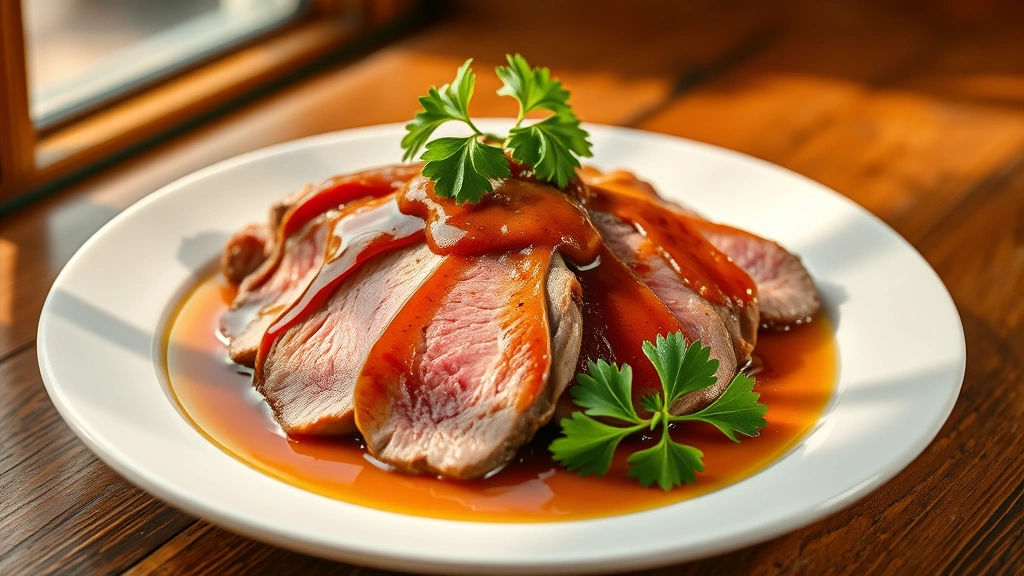
Cow tongue might sound intimidating, but trust me, it’s one of the most tender, flavorful cuts you can cook at home! This classic dish has been enjoyed across countless cuisines for generations, and once you master this recipe, you’ll understand why. The meat becomes incredibly soft and buttery when prepared correctly, with a delicate flavor that’s absolutely divine.
I grew up watching my grandmother prepare tongue with such care and precision, and I’ve since refined her technique to create what I believe is the absolute best version. The key is low and slow cooking combined with proper preparation. When you slice into a perfectly cooked tongue, you’ll find it melts in your mouth like the most luxurious butter. It’s perfect served with homemade seasoning salt, fresh vegetables, or alongside a bright chickpea salad.
What makes this recipe special is the combination of techniques. We start by blanching to remove impurities, then slow-cook in a flavorful broth with aromatic vegetables and herbs. The result is meat so tender it practically falls apart. Many people are hesitant about cooking tongue because of the texture when raw, but I promise that once you see the transformation, you’ll be making this regularly.
This dish is elegant enough for dinner parties yet approachable enough for a family weeknight. Serve it sliced on a creamy pasta or with roasted vegetables like shishito peppers. The versatility is truly remarkable. I’ve also included tips for storing and reheating so you can make this ahead for meal prep or entertaining.
For more inspiration on elevated comfort food, check out Serious Eats and Bon Appétit for variations on traditional techniques. You might also enjoy exploring New York Times Cooking for additional nose-to-tail recipes that celebrate every part of the animal.
Ingredients
- 1 beef tongue (about 3-4 pounds), cleaned
- 2 tablespoons kosher salt, plus more for blanching
- 1 large onion, quartered
- 3 carrots, cut into 2-inch pieces
- 3 celery stalks, cut into 2-inch pieces
- 6 cloves garlic, smashed
- 3 bay leaves
- 1 tablespoon black peppercorns
- 4 sprigs fresh thyme
- 2 sprigs fresh rosemary
- 1 teaspoon coriander seeds
- 8 cups beef broth or water
- 2 tablespoons olive oil
- 1 teaspoon Dijon mustard
- 2 tablespoons fresh lemon juice
- Fresh parsley for garnish
- Fleur de sel for finishing
Instructions
- Start by rinsing your beef tongue thoroughly under cold running water. Pat it completely dry with paper towels. Using a sharp knife, carefully scrape away any excess tissue or membrane from the surface of the tongue. This step is important for texture and appearance in your final dish.
- Fill a large stockpot with water and add 2 tablespoons of salt. Bring to a rolling boil over high heat. Carefully place the tongue into the boiling water. This initial blanching removes impurities and excess blood from the meat. Let it boil for 3-4 minutes, then carefully remove the tongue with a slotted spoon and place it on a cutting board.
- Once the tongue has cooled slightly, use a sharp knife to peel away the outer layer of skin. It should come away relatively easily after blanching. Work carefully and methodically, removing all of the skin until the pink meat underneath is completely exposed. Rinse the peeled tongue under cool water and pat dry again.
- In the same stockpot (or use a fresh one), combine the beef broth, quartered onion, carrot pieces, celery chunks, smashed garlic, bay leaves, black peppercorns, thyme sprigs, rosemary sprigs, and coriander seeds. Bring this broth to a gentle boil over medium-high heat, stirring occasionally to combine the aromatics.
- Once the broth is at a boil, carefully lower the peeled tongue into the pot. The tongue should be mostly submerged in liquid. Reduce the heat to medium-low so that the broth maintains a gentle simmer. You want just a few bubbles breaking the surface, not a rolling boil.
- Cover the pot partially with a lid (leave it slightly ajar to allow steam to escape) and let the tongue simmer for 2 to 2.5 hours. The meat is done when a fork or sharp knife easily pierces the thickest part with no resistance. Start checking at the 1 hour 45 minute mark to avoid overcooking.
- Remove the tongue from the broth using a slotted spoon and tongs, allowing excess liquid to drip back into the pot. Place the tongue on a cutting board and let it rest for 5-10 minutes. This resting period helps the meat retain its juices.
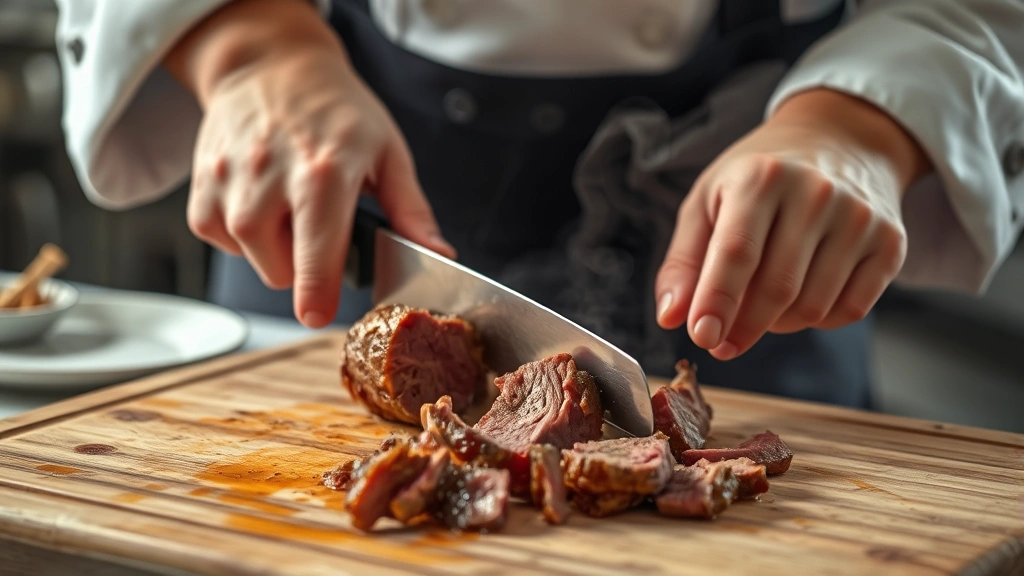
- Carefully slice the tongue into quarter-inch thick pieces, working from the tip toward the thicker back end. Arrange the slices on a serving platter. You can keep the tongue warm by covering it loosely with foil while you finish the dish.
- Strain the cooking broth through a fine-mesh sieve into a saucepan, discarding the solids. You should have about 4-5 cups of flavorful broth. If you have more, simmer it uncovered until reduced slightly. Whisk in the Dijon mustard and lemon juice.
- Heat the olive oil in a small skillet over medium heat. Pour the broth mixture into the skillet and warm through, about 2-3 minutes. Taste and adjust seasoning with salt and pepper as needed. This is your finishing sauce.
- Drizzle the warm broth sauce over the sliced tongue on the serving platter. Garnish generously with fresh chopped parsley and a sprinkle of fleur de sel. Serve immediately while the tongue is still warm and the sauce is at its most flavorful.
- If making ahead, cool the tongue in its cooking liquid completely, then store in an airtight container in the refrigerator for up to 4 days. To reheat, gently warm slices in the broth over medium-low heat until heated through, about 8-10 minutes.

Pro Tips
- Sourcing: Look for beef tongue at specialty butchers, Latin markets, or well-stocked grocery stores. Ask the butcher to clean it if possible, which saves significant prep time. Fresh tongue is preferable to frozen, but frozen works well if thawed completely before cooking.
- Blanching is non-negotiable: This crucial first step removes surface impurities and makes peeling the skin infinitely easier. Don’t skip this step, even though it seems like an extra stage.
- Skin removal: The skin should peel away easily after blanching. If it’s resistant, return the tongue to simmering water for another minute. The skin is not edible and must be completely removed for the best texture.
- Cooking liquid is liquid gold: Save this broth! It’s deeply flavorful and perfect for soups, stews, or as a base for other sauces. It keeps in the refrigerator for 4-5 days and freezes beautifully for up to 3 months.
- Slicing technique: Use a very sharp knife and slice against the grain for the most tender pieces. The grain runs from the tip toward the back, so slice perpendicular to this direction.
- Serving suggestions: Serve alongside crusty bread to soak up the sauce, with roasted root vegetables, or over creamy mashed potatoes. It’s also excellent as a composed salad with fresh greens and vinaigrette.
- Wine pairing: This rich, savory dish pairs beautifully with medium-bodied red wines like Pinot Noir or Côtes du Rhône, or with fuller-bodied whites like Burgundy.
- Make-ahead friendly: Prepare this dish completely the day before. The flavors actually improve as they meld overnight. Reheat gently in the broth to maintain tenderness.
- Batch cooking: This recipe doubles easily for larger gatherings. The cooking time remains approximately the same since the cooking is determined by the size of individual tongues, not quantity.
- Budget-friendly: Tongue is surprisingly affordable, especially compared to premium cuts like ribeye or filet, yet delivers restaurant-quality results.