
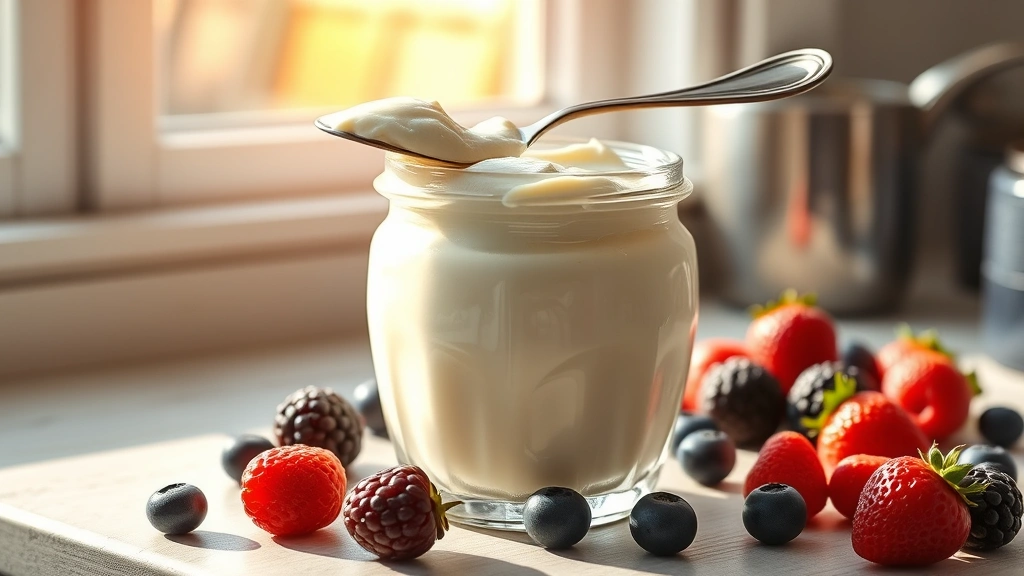
Making crème fraîche at home is easier than you might think, and the results are absolutely divine! This French staple is simply heavy cream that’s been cultured with lactic acid bacteria, creating that signature tangy, luxurious flavor and thick consistency we all love. Once you master this simple technique, you’ll never go back to store-bought versions.
Crème fraîche is the perfect addition to both sweet and savory dishes. Dollop it on fresh berries, swirl it into soups, use it as a topping for baked potatoes, or incorporate it into elegant pasta dishes like our Best Heavy Cream Alfredo Sauce Recipe. It’s also wonderful in Quick Tasty Bacon Carbonara Recipe for an authentic touch, or drizzled over our Best Chickpea Salad Recipe.
What makes homemade crème fraîche so special is that you control the tanginess level. Unlike sour cream, which is thinner and more acidic, crème fraîche has a subtle flavor and a luxuriously creamy texture. The beauty of this recipe is that it requires just two ingredients and minimal hands-on time. The culturing process happens passively, making it perfect for busy home cooks who want gourmet results.
The science behind crème fraîche is fascinating. When you combine heavy cream with an acidic element like buttermilk or fresh lemon juice, the lactic acid bacteria begin to ferment the cream’s milk sugars. This fermentation process not only creates that distinctive tangy flavor but also thickens the cream naturally. The longer you let it sit, the thicker and tangier it becomes, so you can customize it to your exact preferences.
One of the best things about making crème fraîche at home is the cost savings. Store-bought versions can be quite expensive, especially if you use it regularly in cooking. Homemade versions cost just pennies to make, and you’ll have fresh, delicious crème fraîche whenever you need it. Plus, you can make it in large batches and store it in your refrigerator for up to two weeks.
This recipe works beautifully in both classic French cuisine and modern cooking. Try it as a topping for Easy Pickled Red Onion Recipe for a sophisticated appetizer, or use it to finish elegant vegetable dishes like Best Shishito Peppers Recipe. The possibilities are truly endless!
For more inspiration on using cream in your cooking, check out Delicious Heavy Cream Pasta Recipe. Whether you’re a seasoned cook or just starting your culinary journey, this crème fraîche recipe will become a staple in your kitchen. Let’s get started!
According to Serious Eats, understanding fermentation is key to mastering dairy-based sauces and toppings. For professional techniques, Bon Appétit offers excellent guidance on French cooking fundamentals. Additionally, New York Times Cooking provides detailed articles on dairy fermentation and its culinary applications.
Ingredients
- 2 cups heavy cream (preferably not ultra-pasteurized)
- 2 tablespoons fresh buttermilk or fresh lemon juice
Instructions
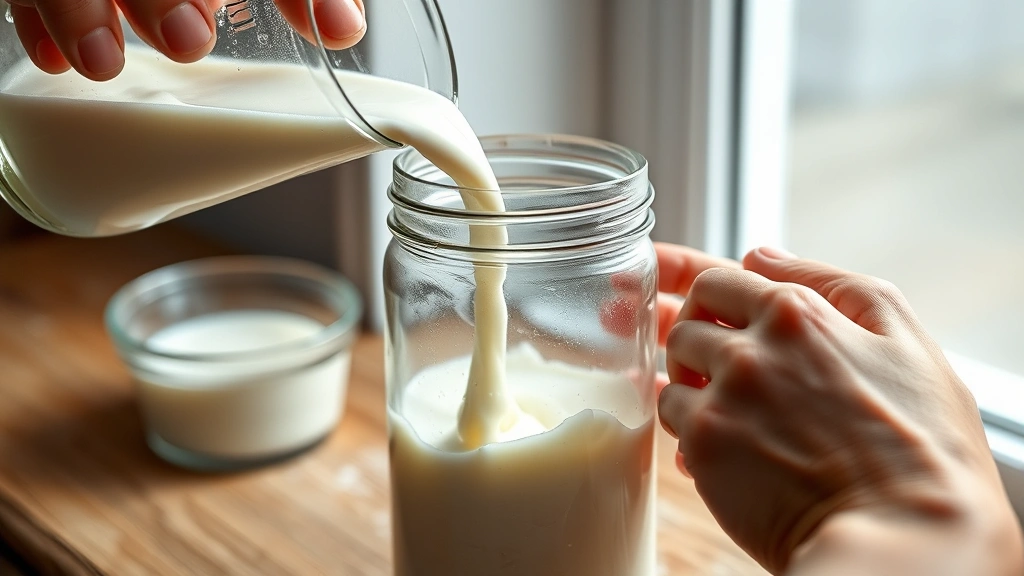
- Pour the heavy cream into a clean glass jar or bowl. Make sure your container is thoroughly clean but doesn’t need to be sterilized.
- Add the buttermilk or fresh lemon juice to the cream. If using lemon juice, make sure it’s freshly squeezed for best results.
- Stir the mixture gently but thoroughly, ensuring the buttermilk or lemon juice is completely incorporated throughout the cream.
- Cover the jar loosely with a lid or cloth, allowing air circulation but preventing dust from entering. You want some air exposure for the culturing process to work properly.
- Leave the jar at room temperature (between 65-75°F is ideal) for 8 to 24 hours, depending on how tangy you like your crème fraîche. The warmer your kitchen, the faster it will culture.
- Check the consistency after 8 hours by tilting the jar slightly. If it coats the sides and moves slowly, it’s ready. If it’s still too thin, let it sit longer.
- Once it reaches your desired thickness and tang level, cover the jar with a tight-fitting lid and refrigerate immediately.
- Stir the crème fraîche well before using. It will continue to thicken slightly as it cools in the refrigerator.
- Use your homemade crème fraîche within 2 weeks for best flavor and quality. The longer it sits, the tangier it becomes.
Pro Tips
- Temperature is crucial: The ideal culturing temperature is between 65-75°F. If your kitchen is cooler, it may take up to 48 hours. If it’s warmer, it could be ready in as little as 6-8 hours. Room temperature consistency is key to success.
- Buttermilk vs. lemon juice: Traditional buttermilk contains the cultures needed for proper fermentation and often produces better results. However, fresh lemon juice works in a pinch. Avoid bottled lemon juice, as pasteurization may affect fermentation.
- Cream quality matters: Try to find cream that hasn’t been ultra-pasteurized, as ultra-high heat treatment can damage the proteins needed for thickening. Standard pasteurized heavy cream works beautifully for this recipe.
- Customizing tanginess: Prefer milder crème fraîche? Use it after 8-12 hours. Want it more tangy and thick? Let it culture for 24-48 hours. Your preference is the only rule here.
- Storage tips: Keep your finished crème fraîche in an airtight container in the coldest part of your refrigerator. It will last up to 2 weeks, though the flavor will become increasingly tangy over time.
- Troubleshooting: If your crème fraîche doesn’t thicken, your cream may have been ultra-pasteurized. Try a different brand next time. If it tastes too sour, you’ve let it culture too long—use it sooner next time.
- Uses galore: Serve as a topping for baked potatoes, fresh berries, chocolate desserts, or soups. Use it in pasta sauces, with smoked salmon, in baked goods, or as a dollop on tacos and nachos.
- Make-ahead friendly: Prepare this 2-3 days before you need it. It actually improves in flavor as it sits in the refrigerator, making it perfect for meal planning.
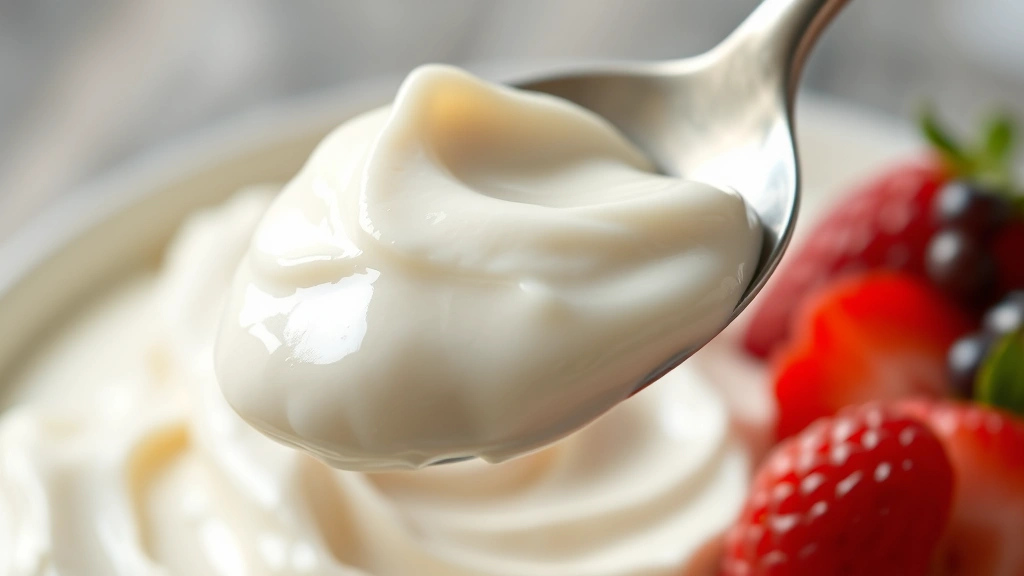
- Consistency variations: Crème fraîche should be thick and spoonable but still slightly pourable, similar to Greek yogurt. If it’s too thin, culture it longer. If it’s too thick, stir in a small amount of milk.
Pingback: Tasty Pork Cutlets Recipe – Quick and Delicious! – Simple Recipe Finder