
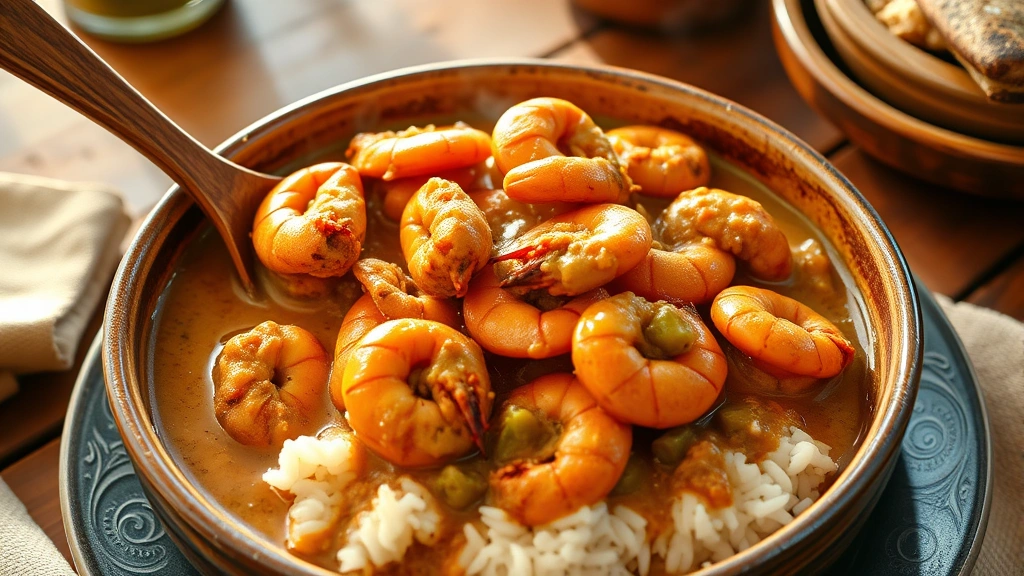
Crawfish étouffée is the epitome of Louisiana comfort food—a silky, aromatic sauce that clings to tender crawfish tails and rice. This classic Creole dish has graced tables from New Orleans to family kitchens across the South, and today we’re sharing our absolute best version that rivals any restaurant preparation.
The magic of authentic crawfish étouffée lies in building layers of flavor through the holy trinity of Cajun cooking: onions, celery, and bell peppers. When combined with a rich roux and a touch of tomato paste, these humble ingredients transform into something truly extraordinary. The crawfish themselves contribute a delicate sweetness that balances the bold spices—cayenne, paprika, and thyme—creating a harmonious dance of flavors on your palate.
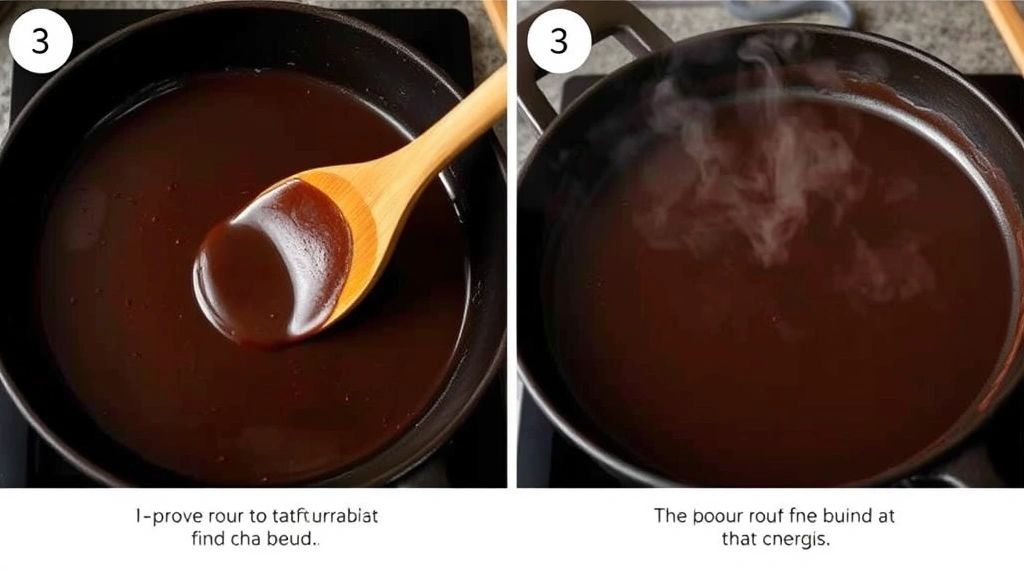
What makes this recipe special is our approach to the roux. Rather than rushing through this critical step, we take time to develop a deep chocolate-colored base that provides incredible depth and body to the sauce. Paired with fresh crawfish and served over fluffy white rice, this dish becomes an unforgettable meal that transports you straight to the bayou.
Whether you’re a seasoned Creole cook or exploring Southern cuisine for the first time, this crawfish étouffée recipe delivers restaurant-quality results in your own kitchen. The technique is straightforward, the ingredients are accessible, and the payoff is absolutely worth the effort. Serve this alongside our Delicious Heavy Cream Pasta Recipe for a complete Louisiana-inspired feast.
For those seeking additional seafood inspiration, explore our collection of Best Heavy Cream Alfredo Sauce Recipe options. If you’re in the mood for something lighter, our Best Chickpea Salad Recipe provides a refreshing contrast. For creamy comfort food enthusiasts, don’t miss our Perfect Creamy Pasta Recipe and our beloved Quick Tasty Bacon Carbonara Recipe.
For additional techniques and inspiration, check out Serious Eats’ comprehensive guide to Creole cooking, Bon Appétit’s seafood collection, and New York Times Cooking for classic Louisiana recipes. These resources provide invaluable insights into traditional preparation methods and contemporary twists on classic dishes.
Ingredients
- 6 tablespoons unsalted butter, divided
- 6 tablespoons all-purpose flour
- 1 large yellow onion, finely diced
- 2 celery stalks, finely diced
- 1 red bell pepper, finely diced
- 4 garlic cloves, minced
- 2 tablespoons tomato paste
- 1 pound fresh crawfish tails, peeled and cleaned
- 1 cup seafood or chicken stock
- 1 cup heavy cream
- 2 teaspoons Cajun seasoning
- 1 teaspoon smoked paprika
- 1/2 teaspoon cayenne pepper
- 1 teaspoon fresh thyme leaves
- 1/2 teaspoon red pepper flakes
- 2 bay leaves
- Salt and freshly ground black pepper to taste
- 2 tablespoons fresh parsley, chopped
- 2 teaspoons fresh lemon juice
- Cooked white rice for serving
Instructions
- Begin by making your roux, which is the foundation of this dish. In a heavy-bottomed saucepan or Dutch oven, melt 4 tablespoons of butter over medium heat. Once melted and foaming, add the flour in a slow, steady stream while whisking continuously. This prevents lumps from forming and ensures an even-textured roux.
- Continue cooking and stirring the roux constantly for 8-10 minutes. You’re looking for a deep chocolate brown color—this is where all the rich, complex flavor comes from. If the roux begins to burn (smells acrid rather than nutty), start over with fresh butter and flour. Patience here is absolutely worth it.
- Once your roux reaches that beautiful chocolate-brown stage, immediately add the diced onion, celery, and bell pepper (the holy trinity). Stir continuously for 3-4 minutes until the vegetables begin to soften and release their aromas.
- Add the minced garlic and cook for another minute, stirring constantly to prevent sticking. The kitchen should smell absolutely incredible at this point—warm, savory, and distinctly Creole.
- Stir in the tomato paste, coating all the vegetables. Let it cook for 2 minutes to deepen the flavors and remove any raw tomato taste.
- Slowly pour in your stock while stirring constantly. This prevents lumps and creates a smooth sauce base. Once all the stock is incorporated, add the bay leaves and bring the mixture to a gentle simmer.
- In a small bowl, combine the Cajun seasoning, smoked paprika, cayenne pepper, thyme, and red pepper flakes. Add this spice mixture to the pot and stir well. Simmer for 10 minutes to allow the flavors to meld beautifully.
- While the sauce simmers, pat the crawfish tails dry with paper towels. This helps them brown slightly when added to the sauce. Season lightly with salt and pepper.
- After 10 minutes of simmering, gently stir in the crawfish tails and the remaining 2 tablespoons of butter. Cook for 3-4 minutes, just until the crawfish are heated through. Be careful not to overcook them, as they become rubbery if cooked too long.
- Reduce heat to low and stir in the heavy cream, mixing gently to combine. Let it warm through for 2-3 minutes without bringing it to a boil, as boiling can cause the cream to separate.
- Taste the étouffée and adjust seasoning as needed with salt, pepper, and cayenne. Remove from heat and stir in the fresh lemon juice and chopped parsley.
- Remove the bay leaves before serving. Ladle the crawfish étouffée over fluffy white rice, ensuring each portion gets plenty of those incredible sauce and crawfish tails.
Pro Tips
The roux is the most critical component of this dish. Don’t rush this step, and don’t be intimidated by making it. It’s simply butter and flour cooked together until deeply browned. The color should resemble chocolate or dark coffee, not tan or blonde. This deep color provides the authentic flavor that makes crawfish étouffée so special.
For the holy trinity, make sure to dice your vegetables into uniform, small pieces. This ensures even cooking and allows them to distribute throughout the sauce evenly. Some cooks prefer their vegetables slightly more finely minced for a more integrated sauce, while others like slightly larger pieces. Adjust to your preference.
You can make the sauce base (roux and vegetables) several hours ahead, then simply reheat it gently before adding the crawfish and cream. This makes entertaining much easier and allows you to focus on the final cooking steps when guests arrive.
For a lighter version, substitute half the heavy cream with additional stock, though the sauce will be less rich. Some traditional recipes use no cream at all, relying instead on the natural richness of the crawfish and butter.
Cayenne pepper intensity varies by brand, so start with the smaller amount and add more to taste. The heat should complement rather than overpower the delicate crawfish flavor.
White rice is traditional, but you can serve this over jasmine rice, basmati, or even creamy polenta for a different twist. Some restaurants serve it in bread bowls—a decadent presentation perfect for special occasions.
Leftovers keep well refrigerated for up to 2 days. Reheat gently over low heat, adding a splash of stock if the sauce has thickened too much. The flavors actually intensify after a day, making this an excellent make-ahead dish.